Pro-shot Broadway productions have transformed from dusty archival footage into a massive cultural phenomenon that is currently redefining how you experience musical theater from your local multiplex. For decades, theater lovers were forced to endure the frustration of living outside New York City, limited to either the subpar experience of local touring productions or the agonizing wait for a grainy televised recording. Today, the landscape has shifted, turning stage performances into high-fidelity cinematic events that bring the Great White Way directly to your neighborhood.
You might wonder how a show designed for a proscenium arch manages to dominate a 40-foot cinema screen. It turns out, the answer lies in the perfect intersection of post-pandemic accessibility, rising ticket costs, and a ravenous appetite for original-cast fidelity. While traditional film adaptations like the 2019 version of Cats often crash and burn, these digital records of live performances are thriving at the box office.
The Pro-shot Broadway Revolution
The rise of these pro-shot events marks a pivotal shift in entertainment distribution, stripping away the gatekeeping that once defined theater attendance. When you look at the economics of the industry, you realize that the average Broadway ticket price has climbed into the stratosphere, leaving casual fans and out-of-towners in the dust. By partnering with major distributors like Bleecker Street and Focus/Universal, theater producers are effectively democratizing access to art.
Consider the trajectory of Hamilton, the undisputed titan of the genre. Originally slated for a theatrical release, its migration to Disney+ during the global lockdown created an unintended, yet explosive, prototype for the format. When it eventually hit theaters five years later, the box office results proved that fans were more than willing to pay for the shared, communal experience of watching their favorite performers on a massive screen, even if they had already seen it at home.
This shift isn’t just about revenue; it’s about the preservation of cultural history. Before this era, many shows were filmed solely for archives, hidden from the public eye behind layers of legal red tape. Now, titles like Hadestown, SIX, and even George Clooney’s stage debut are finding new lives in the digital realm. 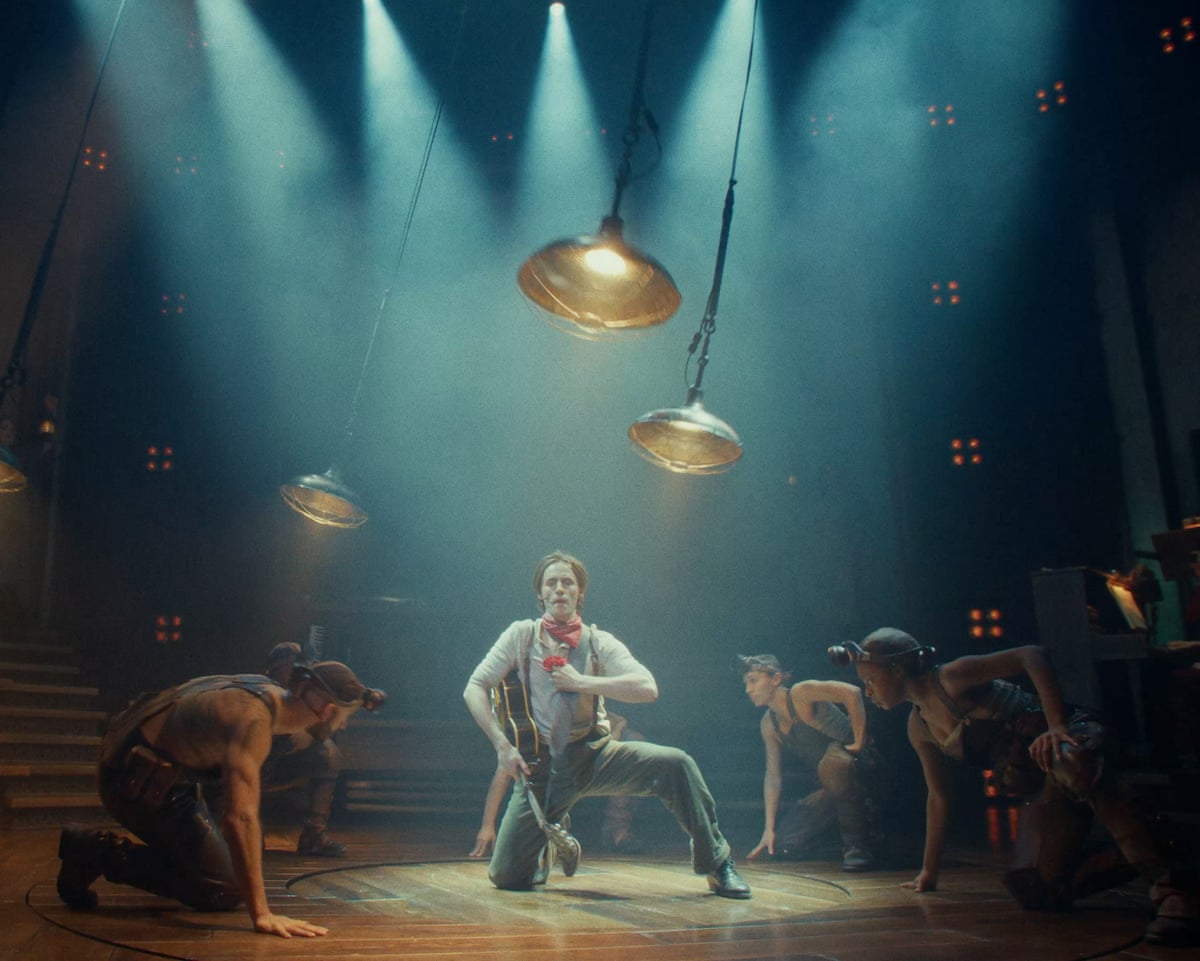
The logistical flexibility of modern movie theaters has also played a crucial role in this growth. Multiplexes are no longer beholden to rigid, two-week release blocks, allowing them to host limited, high-engagement events. This mimics the feeling of a live Broadway run, where the scarcity of the product drives demand and creates a sense of urgency. If you follow the latest industry trends at brightcelebrity.com, you know that this scarcity model is exactly what the modern audience craves.
There is also an undeniable psychological component to the success of these films. Today’s audiences are highly attuned to artistic integrity, often viewing Hollywood “adaptations” of musicals as watered-down or distorted versions of the source material. By providing an unvarnished, high-quality capture of the original stage production, producers are catering to a fan base that demands absolute fidelity to the original vision.
Ultimately, the move toward cinema-based theater is changing the very definition of what it means to be a spectator. You are no longer just an observer of a regional production; you are a participant in a global release, sharing a moment with thousands of others simultaneously. This evolution bridges the gap between the intimate, ephemeral magic of the stage and the expansive, permanent nature of film.
Defining the Modern Theater Experience
- Accessibility: Eliminating travel and ticket costs for regional fans.
- Fidelity: Capturing the original cast, blocking, and choreography perfectly.
- Scalability: Using cinema distribution to reach millions instead of thousands.
- Longevity: Ensuring that hit shows remain part of the cultural conversation for years.
Impact on Traditional Hollywood Adaptations
The industry is now faced with a difficult question regarding the future of big-budget film adaptations. If a filmed version of a stage show can garner $20 million in a limited release, is there still a viable market for the highly produced, star-studded musicals of the past? Historically, these adaptations often struggled to capture the lightning-in-a-bottle energy of a live show, as seen with films like The Phantom of the Opera and Rent.
Financial Performance and Data
The financial data speaks for itself, proving that these theatrical events are not just vanity projects but genuine blockbusters. When Hadestown grossed over $10 million in its opening weekend, it shocked industry analysts who were accustomed to seeing theatrical musicals suffer from diminishing returns. This performance, comparable to the opening of Hamilton, demonstrates that audiences are actively seeking out high-quality, long-form content that defies standard genre conventions.
| Production | Release Context | Box Office Impact |
|---|---|---|
| Hamilton | Wide Theatrical Release | Strong Multi-Year Draw |
| Hadestown | Limited 5-Day Run | Over $20 Million Total |
| SIX | Theatrical Debut | High Fan Conversion |
To understand the depth of this shift, consider how the Hadestown release compared to other major films. It outperformed several high-profile projects, including recent work by Hugh Jackman and Jason Statham. This suggests that the audience for musical theater is much broader and more reliable than Hollywood executives previously assumed, effectively changing the marketing playbook for indie distributors like Bleecker Street.
Furthermore, the ability to release these films with little to no lead time gives studios a major advantage. Unlike a traditional film that requires years of pre-production, filming, and post-production, a pro-shot production can hit theaters shortly after the show wraps its primary run. This agility allows studios to capitalize on current trends and the existing social media buzz surrounding a specific show or performer.
The strategy of bundling these releases also helps in maximizing reach. By utilizing the Fathom Events distribution model, theaters can host screenings that target specific demographics, ensuring that ticket sales remain high throughout the duration of the limited engagement. This is a far cry from the days when theater-lovers had to wait for a PBS broadcast to catch a show.
Looking ahead, we can expect to see more theater companies partnering with streaming platforms to create a continuous pipeline of content. This hybrid model—where a show is live on stage and simultaneously available for streaming or cinema consumption—is likely the future of the performing arts. It provides a safety net for producers while giving you, the audience, more options than ever before.
Even established stars are getting in on the action. Rose Byrne, for instance, has skipped the traditional film adaptation route for her latest work, opting instead to bring the raw, captured performance of her Broadway revival directly to the public. This trend suggests that top-tier talent is becoming more comfortable with the format, recognizing that it captures their work in a way that a standard movie adaptation simply cannot.
Finally, there is the archival value to consider. When a production is captured in this format, it lives on indefinitely. For future generations of students, actors, and fans, these recordings serve as a primary source, reflecting the aesthetic and cultural norms of our current time. This preservation effort is perhaps the most important aspect of the pro-shot movement, ensuring that the ephemeral magic of the stage isn’t lost to time.
The Future of Theater
You are witnessing the birth of a new medium, one that stands firmly between the live stage and the traditional film. As technology improves and distribution channels become even more interconnected, the lines between these worlds will continue to blur. Whether you are a die-hard theater fan or a casual moviegoer, the rise of the pro-shot means that you are never more than a few clicks away from the best of Broadway.
The cultural impact of these releases is undeniable. They are proving that art does not have to be exclusive to be high-quality. By opening the doors to a wider audience, these productions are fostering a new generation of theater-goers who appreciate the nuance and energy of live performance, even when viewed through a digital lens. You are part of this transition, and the growing pro-shot landscape will only become more immersive, interactive, and essential to our shared cultural experience.
As we look toward the next five years, it is clear that the pro-shot will remain a cornerstone of theatrical distribution. With more productions hitting cinema screens and streaming services simultaneously, the accessibility gap will continue to shrink. It is an exciting time to be an enthusiast, and for the first time in history, the best seat in the house is wherever you happen to be watching from. Remember, the journey from the stage to the screen is just the beginning of this transformative artistic era.
For more insights into the intersection of stage, screen, and celebrity, follow the latest news at Wikipedia regarding the evolution of global performance arts and industry standards.
More Like This
For more updates, check out our latest entertainment and sports news.