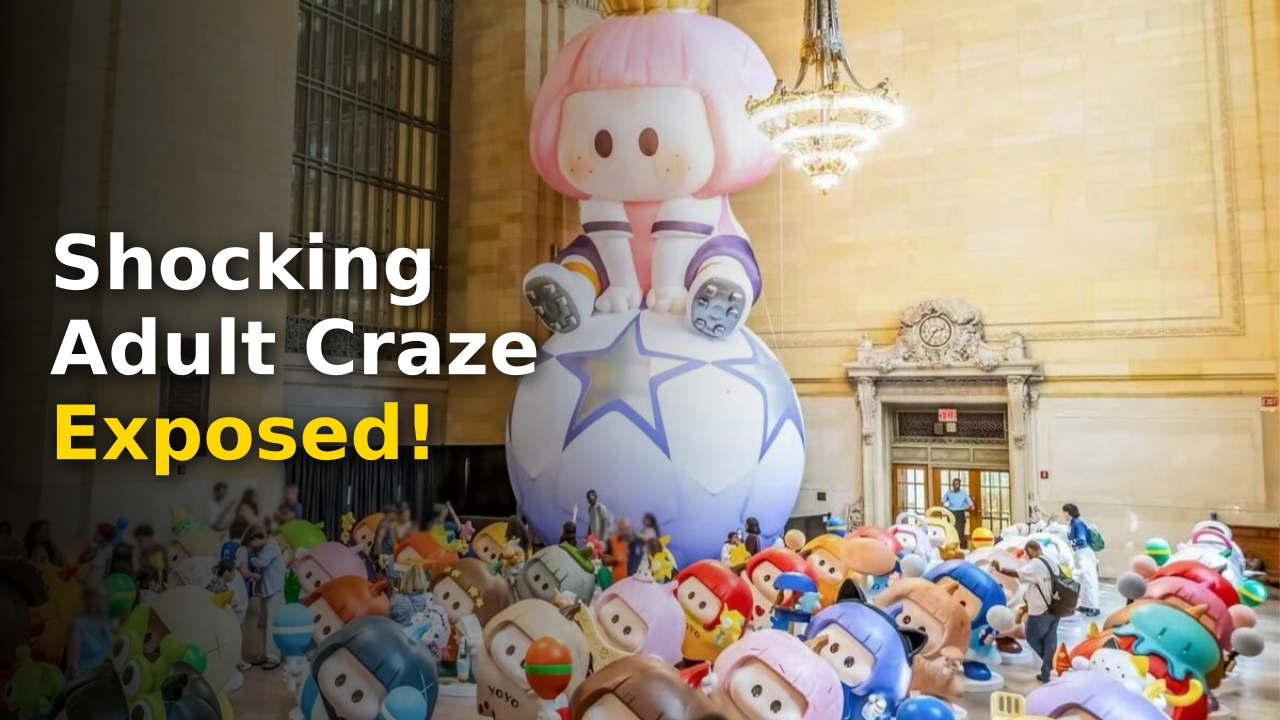
Trendy Toys are no longer just playthings reserved for children, as a massive cultural shift is forcing global retail giant brands to rethink everything they know about consumers. Have you noticed miniature designer figurines dangling from designer handbags or standing proudly on corporate office desks in 2026? Adults across the globe are dropping thousands of dollars on blind boxes, pop culture charms, and limited-edition designer figures.
What started as a niche subculture in Tokyo and London has officially transformed into a multi-billion-dollar global obsession. Consumers are abandoning traditional demographic boundaries in favor of nostalgia, self-expression, and community connection. If you thought toy collecting was a passing phase, the latest retail numbers will completely change your mind.
From high-profile store launches in Buenos Aires to viral unboxing clips taking over social media feeds, the market dynamics are shifting rapidly. You can dive deeper into modern viral pop culture phenomena by checking out entertainment news and lifestyle trends that shape youth subcultures today.
The Explosive Rise of Trendy Toys
For decades, the global toy industry relied on a single undeniable truth: their primary end-user was always a child. That boundary is officially dissolving in 2026 as adult shoppers hijack retail store shelves.
From Japan to Western markets, designer figurines and mystery capsules are dominating high-street display windows. Shoppers are eager to spend disposable income on designer toys that reflect their individual aesthetic tastes.
Industry experts trace this explosion back to Asia, where high-end art toys and blind boxes established deep roots over the last decade. Now, European and American shoppers are fueling an equal amount of hype for limited-edition character drops.
These figures are no longer hidden away inside private display cases at home. Today, buyers attach them to backpacks, hang them from luxury purses, and integrate them into modern interior decor.
The thrill of purchasing mystery capsules lies in the unknown outcome of the unboxing experience. Buyers purchase a sealed box knowing the general character series, but remaining totally unaware of the exact figurine inside until opening it.

Viral Blind Box Psychology
- The Dopamine Chase: Mystery packaging creates an unpredictable reward mechanism that elevates excitement levels during every single purchase.
- Rarity and Exclusivity: Chasing ultra-rare secret editions drives high repeat purchases among dedicated collectors globally.
- Fandom Identity: Displaying specific licensed figures allows fans to publicly signal their personal taste and pop-culture affiliations.
- Community Trading: Collecting fuels active swapping hubs where fans gather in person and online to complete sets.
Gen Z Adult Self-Reward Craze
A ground-breaking consumer research study conducted by Kantar analyzed buyer behavior across major European markets including the United Kingdom and France. The findings revealed that demographic age groups no longer predict who purchases designer mini-figures.
Instead, purchases are heavily tied to specific fandoms, anime culture, iconic entertainment licenses, and personal lifestyle interests. Shoppers are choosing characters based on emotional resonance rather than traditional age appropriateness.
The study highlighted a high-spending demographic labeled as Trend Chasers, consisting mostly of Gen Z and Gen Alpha buyers. These young shoppers actively hunt down pop-culture news and viral retail drops across social media channels.
Data shows these dedicated shoppers allocate serious financial resources toward their collecting habits each year. In the United Kingdom, collectors average an annual budget of £534 dedicated exclusively to mystery drops and design figures.
Across the channel in France, collectors log an average annual expenditure of €509 across approximately nine separate store trips per year. This confirms that adult toy purchases are now a permanent line item in personal monthly budgets.
A major psychological catalyst behind this trend is the concept of self-reward shopping. Consumers no longer wait for annual holidays, birthdays, or special celebrations to buy themselves a present.
Instead, picking up a blind box serves as a small, affordable luxury to brighten an ordinary workday or relieve daily stress. A simple desktop figure brings immediate psychological comfort and emotional satisfaction to young professionals.
Customization Culture and Social Media
The latest evolution of the Trendy Toys phenomenon introduces an unexpected creative element: extensive personal customization. Enthusiasts are no longer keeping their mini figures in mint original condition inside plastic packaging.
Instead, vibrant global communities are customizing their characters through hand-painting, adding micro-accessories, and crafting tailored miniature wardrobes. Two fans can purchase the exact same figurine and turn them into completely distinct works of art.
This hands-on customization trend turns static products into dynamic artistic canvases for adult collectors. According to research on designer toys, artistic interventions elevate mass-produced vinyl figures into legitimate modern art collectibles.
Social video networks like TikTok and Instagram act as mega-boosters for the customized mini-figure market. Blind box unboxings offer content creators the ideal mix of real suspense, immediate emotional reactions, and visual payoff.
Algorithm feeds actively push blind box reveal videos to millions of engaged viewers around the clock. The resulting dynamic creates a self-sustaining loop where physical items generate online viral content, which in turn drives massive store foot traffic.
Around these viral videos, specialized digital communities thrive by sharing custom designs, trading duplicate figures, and leaking upcoming release dates. Displaying custom figures on luxury bags serves as a subtle fashion flex among young urban adults.
Trendy Toys Spending and Demographics
To fully grasp how massive this retail transformation has become, analyzing hard consumer metrics reveals dramatic spending shifts across key international markets. The data highlights how young adults are outpacing traditional holiday shoppers in total annual volume.
Retail analytics from major market research firms demonstrate that frequency of purchase is escalating rapidly among urban professionals. Below is a detailed breakdown of demographic spending trends and consumer motivations recorded across major global markets in 2026.
| Consumer Segment | Key Region | Avg. Annual Budget | Annual Purchase Frequency | Primary Buying Trigger |
|---|---|---|---|---|
| Trend Chasers (Gen Z) | United Kingdom | £534 | 9 Purchases / Year | Self-Reward & Bag Charms |
| Anime & Fandom Collectors | France | €509 | 8.5 Purchases / Year | Pop Culture & Set Completion |
| Design & Decor Enthusiasts | Japan & East Asia | $680 | 12 Purchases / Year | Interior Styling & Rarity |
| Casual Experience Shoppers | Latin America | $320 | 5 Purchases / Year | Social Events & Store Openings |
As shown in the table data above, spending power among adult enthusiasts is remarkably high across international territories. Consumers treat these items as essential lifestyle accessories rather than disposable novelty items.
Redefining Retail and Pop Culture
This massive shift in buying behavior presents a fascinating retail paradox: digital trends are revitalizing brick-and-mortar stores. Instead of killing physical retail shopping, viral digital trends are driving thousands of fans directly into stores.
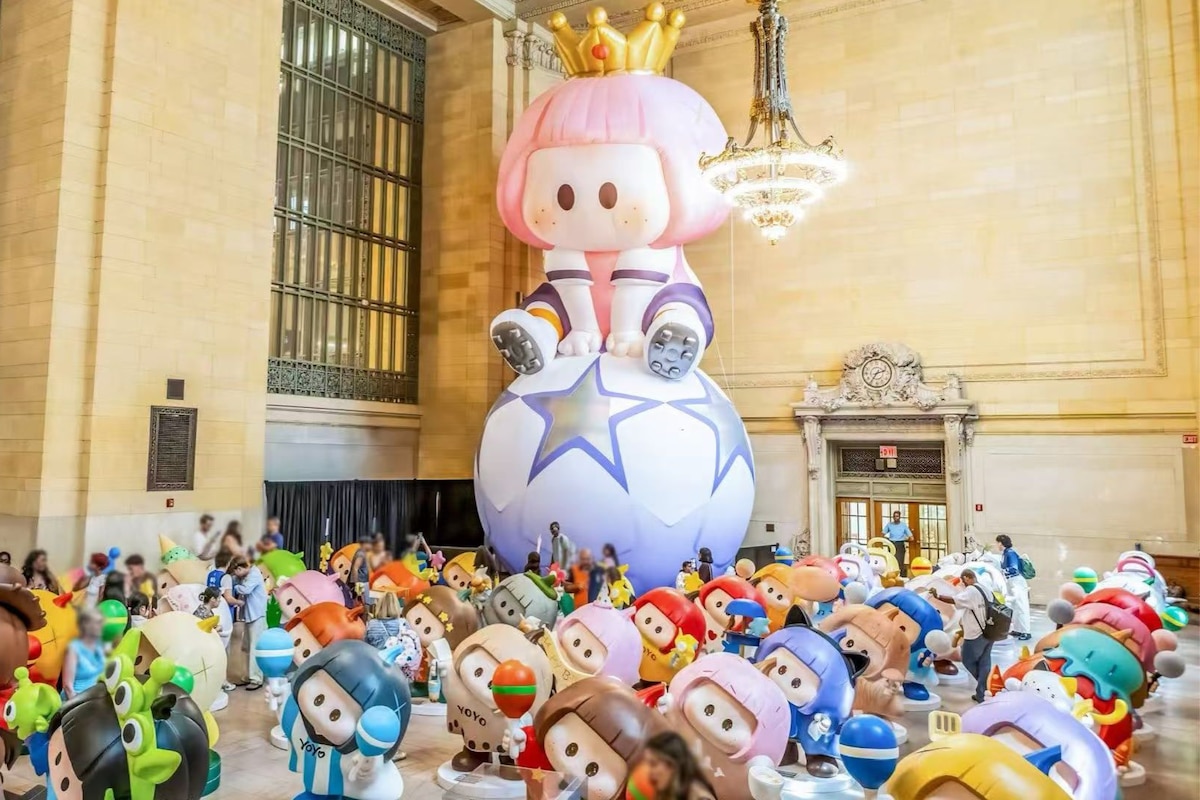
Major global lifestyle retailers like MINISO are completely redesigning store layouts to accommodate dedicated blind box zones. Chains organize massive community drop events, character trading days, and exclusive localized product launches.
During recent store openings in Argentina, hundreds of shoppers lined up around city blocks to get early access to exclusive collection drops. Fans arrive ready to unbox figures live, meet fellow collectors, and trade duplicates right on the sales floor.
Carlos Jamardo Arrigo, Marketing Manager at MINISO Argentina, emphasized that this trend extends far beyond temporary viral hype. He noted that proprietary licensed characters like YOYO and Carrot Street operate simultaneously as art objects, fashion items, and identity markers.
“The conversation often begins on a smartphone screen and culminates in physical foot traffic inside our stores,” Carlos Jamardo Arrigo explained during a recent industry interview. “Shoppers spot a new character on TikTok and immediately want to touch, feel, and locate the physical product.”
The digital ecosystem doesn’t replace the brick-and-mortar retail space; instead, it amplifies physical store visits. Age boundaries are disappearing completely as emotional affinity and community belonging take center stage.
The Future of Collectible Gaming
As seasonal commercial events like Children’s Day approach, traditional toy manufacturers are realizing they must adapt or risk total obsolescence. The classic line separating age-based marketing categories has permanently blurred.
For young children, mini figures remain objects of playful fantasy and physical exploration. For teenagers, they represent customizable markers of personal style and cultural taste.
For working adults, these objects deliver doses of nostalgia, elevated room design, or stress relief. Modern retail success now requires catering to all these distinct emotional drivers simultaneously.
The long-term future of the designer figurine market won’t depend on whether one specific viral character retains popularity over time. Individual viral icons will inevitably cycle out as fresh pop culture properties emerge.
Instead, the underlying buyer behavior created by Trendy Toys represents a permanent structural change in global commerce. Buying designer mini figures has officially become a standard form of self-expression for adults worldwide.
More Like This
For more updates, check out our latest entertainment and sports news.