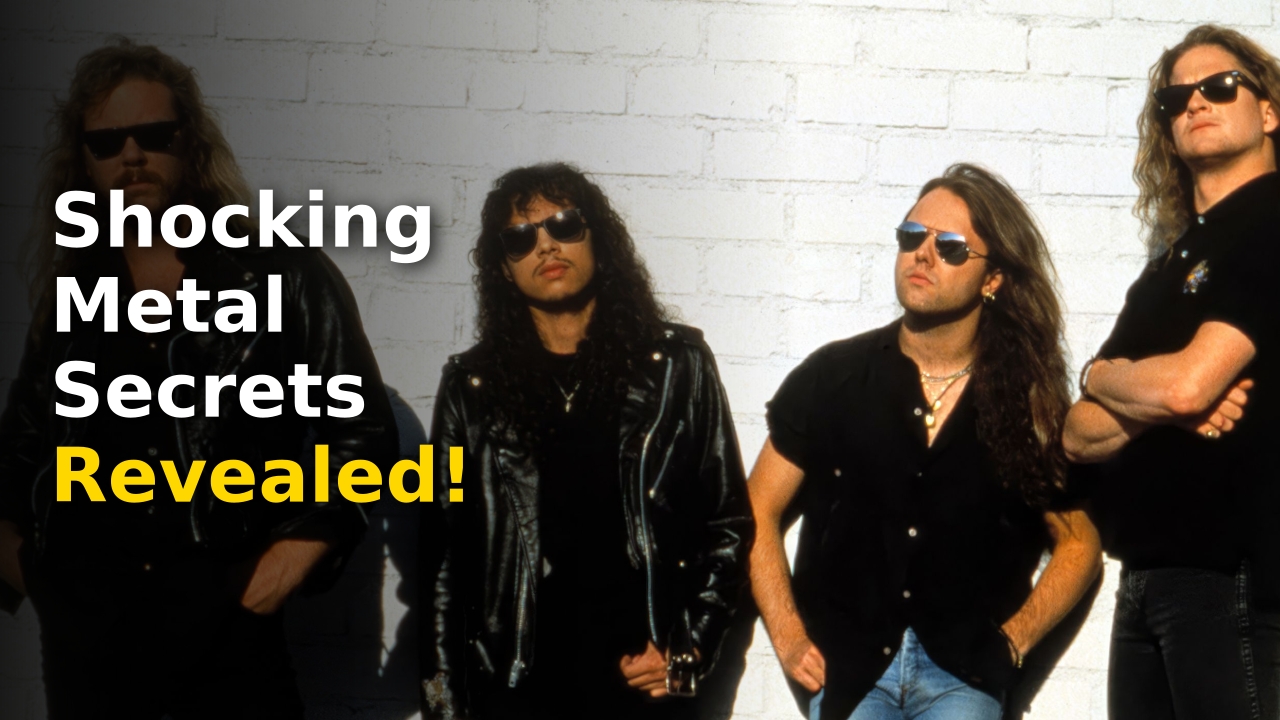
If you have ever cranked up the volume to “Enter Sandman,” you already know how the Black Album altered the trajectory of heavy metal forever. August 12, 1991, marked a seismic shift in rock history as Metallica dropped their self-titled masterpiece. It did not just break records; it obliterated the boundaries separating underground thrash from mainstream pop culture.
Imagine a world where metal was feared, misunderstood, and pushed to the late-night margins of MTV. With one record, four legendary musicians forced the entire music industry to bow down to heavy riffs. You are about to step behind the scenes of a studio pressure cooker that nearly tore the band apart.
Grab your leather jacket, queue up your favorite playlist, and discover why the Black Album remains a masterclass in musical evolution. Let’s dive deep into the blood, sweat, and screaming amplifiers that forged a legend.
Secrets of the Black Album
When Metallica began brainstorming for the Black Album, they knew they needed a radical change. Coming off the complex, progressive arrangements of …And Justice For All in 1988, the band felt trapped by their own technical speed. They wanted shorter songs, bigger grooves, and a sonic punch that could rattle stadium walls.
The quartet entered One on One Recording Studio in North Hollywood, California, during the autumn of 1990. They hired producer Bob Rock, fresh off his massive success with Motley Crue‘s Dr. Feelgood. This decision shocked old-school purists who feared the band was selling out.
The recording sessions became a battle of wills between the band and their new producer. James Hetfield and Lars Ulrich were used to having total control over their mix. Bob Rock challenged their working habits, pushing them to record together in the same room.
This collaborative tension created a highly combustible environment in the studio, making the Black Album a highly anticipated and fiercely debated project. The band spent a staggering 18 months tracking and refining the material. The budget soared as perfectionism took hold of every single band member.
Jason Newsted finally got his chance to shine on this record after his bass lines were famously buried in their previous album. The rhythm section finally locked into a cohesive, driving force that underpinned the heavy guitars. The band members had to swallow their pride to achieve greatness.
In the end, the grueling studio sessions yielded 12 polished, lethal tracks that redefined heavy music. The band emerged from the studio exhausted but triumphant. They had created a record that would dominate the charts for decades to come.
Key Studio Innovations
- The Tent of Doom: A custom-built acoustic baffle system made of wooden panels and U-Haul blankets to capture maximum guitar depth.
- Vocal Melodies First: For the first time, James Hetfield wrote songs based on vocal hooks rather than guitar riffs.
- Diverse Instrumentation: The group introduced sitars, 12-string basses, and orchestral strings into their heavy metal canvas.

Bob Rock Changes Everything
Bob Rock brought a radio-friendly sensibility that clashed with Metallica’s gritty thrash metal origins. He demanded that Lars Ulrich simplify his drumming to create a more powerful, driving backbeat. This shift allowed the riffs to breathe and resonate with a wider audience.
He also worked closely with James Hetfield to extract a deeper, more emotional vocal performance, which ultimately defined the sonic landscape of the Black Album. For the first time, Hetfield wasn’t just barking lyrics; he was truly singing with vulnerability. This change shocked fans who were used to his aggressive, gruff delivery.
The producer also introduced advanced layering techniques that made the guitars sound absolutely colossal. He miked amplifiers from multiple angles to capture both the direct bite and the natural room ambiance. This created a multidimensional wall of sound that jumped out of stereo speakers.
The recording process was so intense that it reportedly led to three divorces among the band members. They worked long, grueling hours, obsessing over every snare hit and guitar tone. The studio became a pressure cooker of creative energy and personal sacrifice.
Kirk Hammett spent weeks perfecting his guitar solos, searching for the perfect balance of melody and speed. Under the watchful eye of the producer, he pushed his creative boundaries further than ever before. The resulting solos became legendary masterclasses in rock guitar.
Despite the intense arguments and emotional fatigue, the band eventually recognized the genius of their producer’s methods. The friction between their raw metal instincts and his polished production created a perfect musical storm. They had successfully bridged the gap between underground aggression and mainstream accessibility.
Anatomy of Legendary Tracks
“Enter Sandman” served as the explosive gateway to the record, featuring one of the most recognizable guitar riffs in history. The track was an instant hit, receiving massive play on MTV and dominating global radio stations. It peaked at number 16 on the Billboard Hot 100, establishing their new commercial dominance.
“The Unforgiven” completely rewrote the rulebook for heavy metal power ballads. Instead of building from a soft verse to a heavy chorus, the band cleverly swapped the dynamics. You get a heavy, distorted verse paired with a clean, hauntingly melodic chorus that showcases Hetfield’s emotional range.
This risk paid off, transforming the track into a staple of the Black Album and spawning two successful sequels in later years. The gripping, emotional guitar work by Kirk Hammett remains one of his proudest musical achievements. It proved that metal could be deeply poetic and introspective.
“Nothing Else Matters” was a highly personal love song written by Hetfield while on tour. He initially did not want to play it for the band, fearing it was too soft for their image. Lars Ulrich convinced him otherwise, and they brought in the London Symphony Orchestra to add lush string arrangements.
This beautiful ballad connected with millions of fans worldwide, showing a vulnerable side that metal bands rarely dared to reveal. The rhythm section kept the track grounded, which provided the Black Album with its signature groove. It became an anthem played at weddings, funerals, and stadiums alike.
On the heavier side, tracks like “Sad But True” and “Holier Than Thou” kept the band’s aggressive spirit alive. Using dropped “D” tuning, they achieved a sludge-like weight that influenced an entire generation of alternative metal bands. The record offered a perfect balance of melody and crushing heavy power.
Black Album Performance Data
Analyzing the global commercial reach of the Black Album reveals staggering numbers that defy conventional music industry limits. The record debuted at number one on the Billboard 200 in August 1991. It held that top spot for four consecutive weeks, announcing the arrival of a new cultural giant.
Over the last three decades, this iconic release has sold more than 31 million units worldwide. It remains the best-selling album of the SoundScan era, consistently moving thousands of copies every single week. To understand its historic chart performance, we must look at the official metrics.
You can explore more rock star history on BrightCelebrity to see how this release stacks up against other legendary artists. The data demonstrates that its popularity spans across multiple generations of music lovers.
| Metric / Stat | Achievement Details |
|---|---|
| Global Album Sales | Over 31 Million Units Sold |
| Billboard 200 Position | Debuted at #1 (4 Consecutive Weeks) |
| Total Chart Weeks | Over 700 Weeks on Billboard 200 |
| Grammy Honors | Best Metal Performance (1992), Hall of Fame (2009) |
| Tour Length | 3.5 Years (400+ Shows in 30 Countries) |
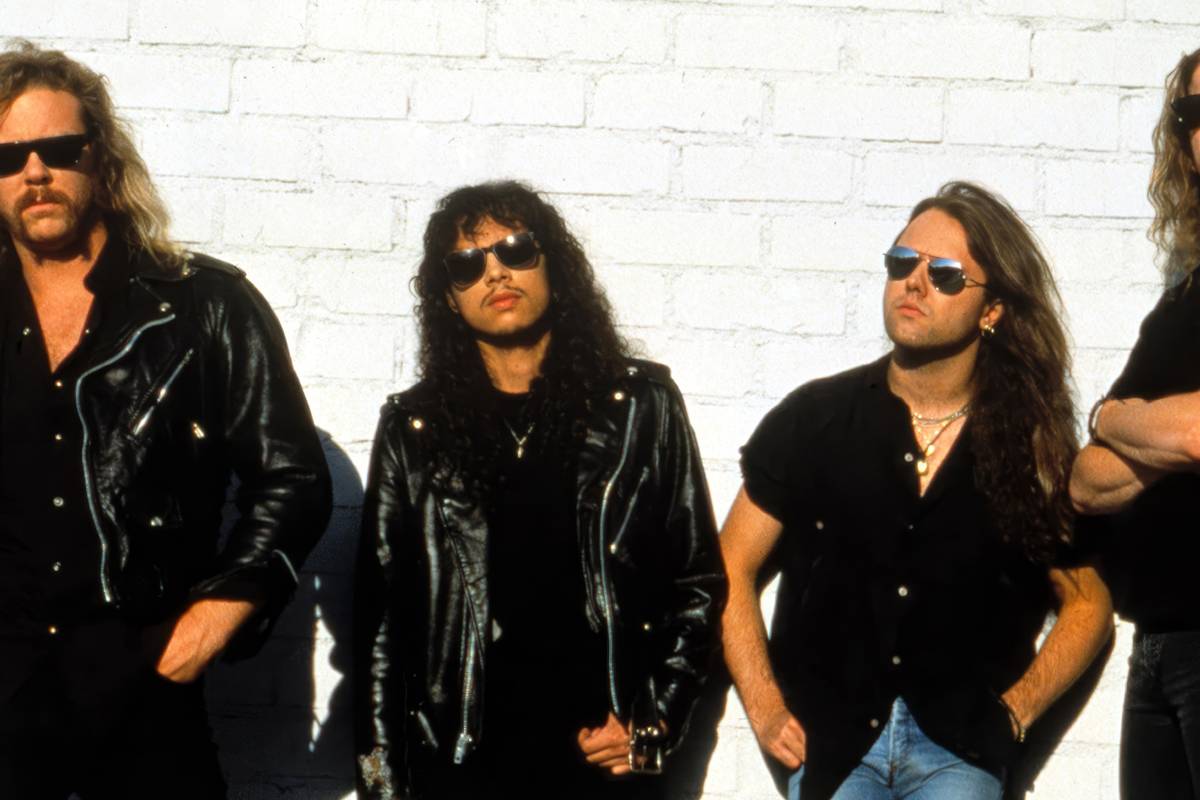
Indeed, the longevity of the Black Album on the charts is practically unmatched in modern music history. It has spent over 700 weeks on the Billboard charts, a feat achieved by only a handful of legendary artists like Pink Floyd. Its streaming numbers continue to skyrocket on digital platforms daily.
The record earned the band their first major Grammy Award for Best Metal Performance in 1992. Years later, in 2009, it was deservedly inducted into the prestigious Grammy Hall of Fame. It represents the ultimate commercial peak for the entire heavy metal genre.
For an album of this intensity to achieve such massive, sustained sales is a testament to its brilliant production and songwriting. It defied the fleeting trends of grunge and pop that dominated the early 1990s. It proved that timeless rock music is completely immune to the passage of time.
Massive World Tour Legacy
The success of the record launched the band into an unprecedented touring cycle that lasted over three and a half years. They played more than 400 concerts across 30 countries, bringing their high-octane live show to every corner of the globe. This grueling schedule cemented their reputation as a premier live act.
The historic Wherever We May Roam Tour ran from 1991 to 1993, showcasing the band at the absolute peak of their physical power during the touring cycle of the Black Album. They performed in massive stadiums, sold-out arenas, and outdoor festivals. The energy at these shows was nothing short of electric.
In September 1991, they played the legendary Monsters of Rock festival at the Tushino Airfield in Moscow. Performing alongside AC/DC and Pantera, they drew an estimated crowd of over one million fans. This historic free concert took place just months before the dissolution of the Soviet Union.
The band also embarked on a notorious co-headlining tour with Guns N’ Roses in the summer of 1992. This tour was plagued by riots, stadium cancellations, and a shocking on-stage pyrotechnics accident that left James Hetfield with severe burns. Despite the chaos, the tour remains a legendary moment in rock history.
Live music videos for “Sad But True” and “Wherever I May Roam” captured the raw intensity of these massive shows, which solidified the Black Album as a pop culture phenomenon. They showed fans packing stadiums from Europe to Asia, screaming every lyric back at the stage.
This relentless touring helped them build a fiercely loyal global fan base that has supported them for decades, making the Black Album an immortal cultural force. They proved that heavy metal was a universal language that could unite people across political and cultural divides.
Enduring Legacy of Metal Kings
After 35 years, the cultural impact of this landmark release shows no signs of fading. Its songs have become deeply embedded in the fabric of global pop culture. You hear “Enter Sandman” pumping up crowds at major sporting events, from baseball games to college football stadiums.
Legendary players like Mariano Rivera of the New York Yankees used the track to strike fear into opponents for over a decade. The Virginia Tech Hokies football team has used it as their spine-chilling entrance theme since 2000. It has transcended music to become a cultural rallying cry.
Television shows like The Simpsons and The Sopranos have featured its tracks, demonstrating its wide-reaching cultural relevance. These placements ensure that the Black Album will never be forgotten by future generations of entertainment fans.
To understand the global impact of this band, you can read more on the Wikipedia Metallica Page. Their work continues to influence countless modern rock and metal acts who try to replicate that signature sound.
The record successfully proved that a heavy band could achieve massive commercial success without losing their raw identity. It bridged the deep divide between mainstream pop, hard rock, and heavy metal fans. It is the defining achievement of a legendary career.
As new generations of music fans continue to discover these timeless tracks, its legacy will only grow stronger. Turn up the volume, appreciate the incredible craftsmanship of Bob Rock, and let the legacy of the Black Album rock on.
More Like This
For more updates, check out our latest entertainment and sports news.