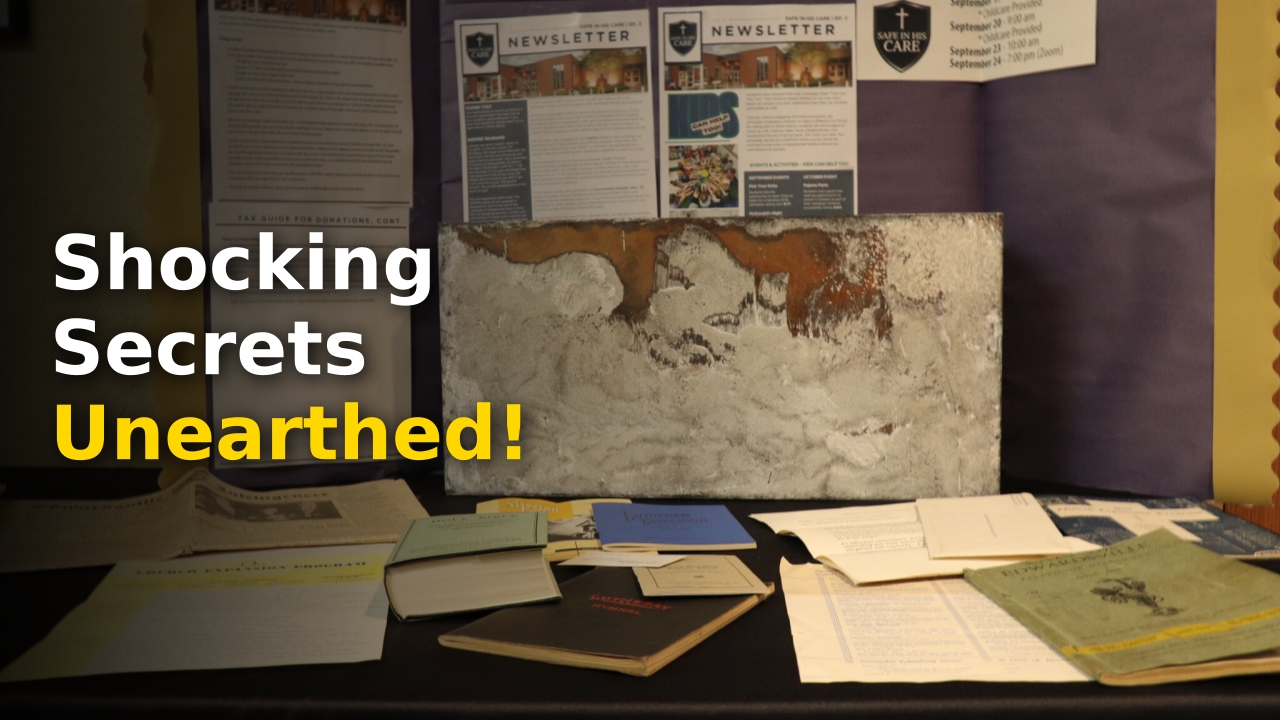
Imagine peeling back the dusty drywall of an old school building only to find a pristine Time Capsule staring back at you from the year 1954. You might think this sounds like the opening scene of a Hollywood blockbuster, but it just happened in real life. Construction crews working on a renovation project at the historic Trinity Lutheran Elementary School in Edwardsville, Illinois recently made this jaw-dropping discovery.
This remarkable event has captured the imaginations of locals and history buffs across the nation. The school community is now buzzing with excitement as they prepare to dive headfirst into the mid-20th century. What was meant to be a routine modernization project quickly turned into a thrilling archaeological dig.
According to the school officials, the discovery was entirely unplanned and occurred in an interior wall. It provides a rare, tangible link to the past that connects modern students with their predecessors from seven decades ago. Let us explore how this historical treasure was lost to time and how it was finally recovered.
Uncovering the Time Capsule
The Unexpected Discovery
During a routine phase of the school’s major renovation project, workers were tasked with tearing down an old partition. As the plaster crumbled, they noticed a metallic glint deep within the wall cavity. It was a sealed copper box, completely untouched by the passage of decades.
The lead contractor immediately halted work to inspect the mysterious container. The school’s pastor, the Rev. John Shank, was quickly summoned to the scene to witness the unfolding drama. It became clear that this was no ordinary construction debris, but a carefully placed container.
“It was very much happenstance,” Shank admitted during a recent interview with local journalists. No one currently working at the school had any record or memory of the box’s existence. The sudden appearance of the artifact stunned everyone present, sparking instant curiosity about its contents.
The Rev. John Shank reacts
The pastor expressed absolute delight at the discovery, noting how it unites the current generation with the school’s founders. He emphasized that the finding offers an incredible educational opportunity for the young students attending Trinity Lutheran Elementary School today. It serves as a physical monument to the enduring faith and community spirit of the local congregation.
Church leaders have already begun planning a special ceremony to safely open the container. They want to ensure that the opening is treated with the respect and care that a historical treasure deserves. Experts in archival preservation will likely be consulted to protect the delicate contents inside.
For a small community like Edwardsville, Illinois, such a find is incredibly rare and deeply meaningful. It reminds everyone of the deep roots and long-standing traditions that define the local area. The buzz surrounding the discovery has brought a renewed sense of pride to the entire school district.
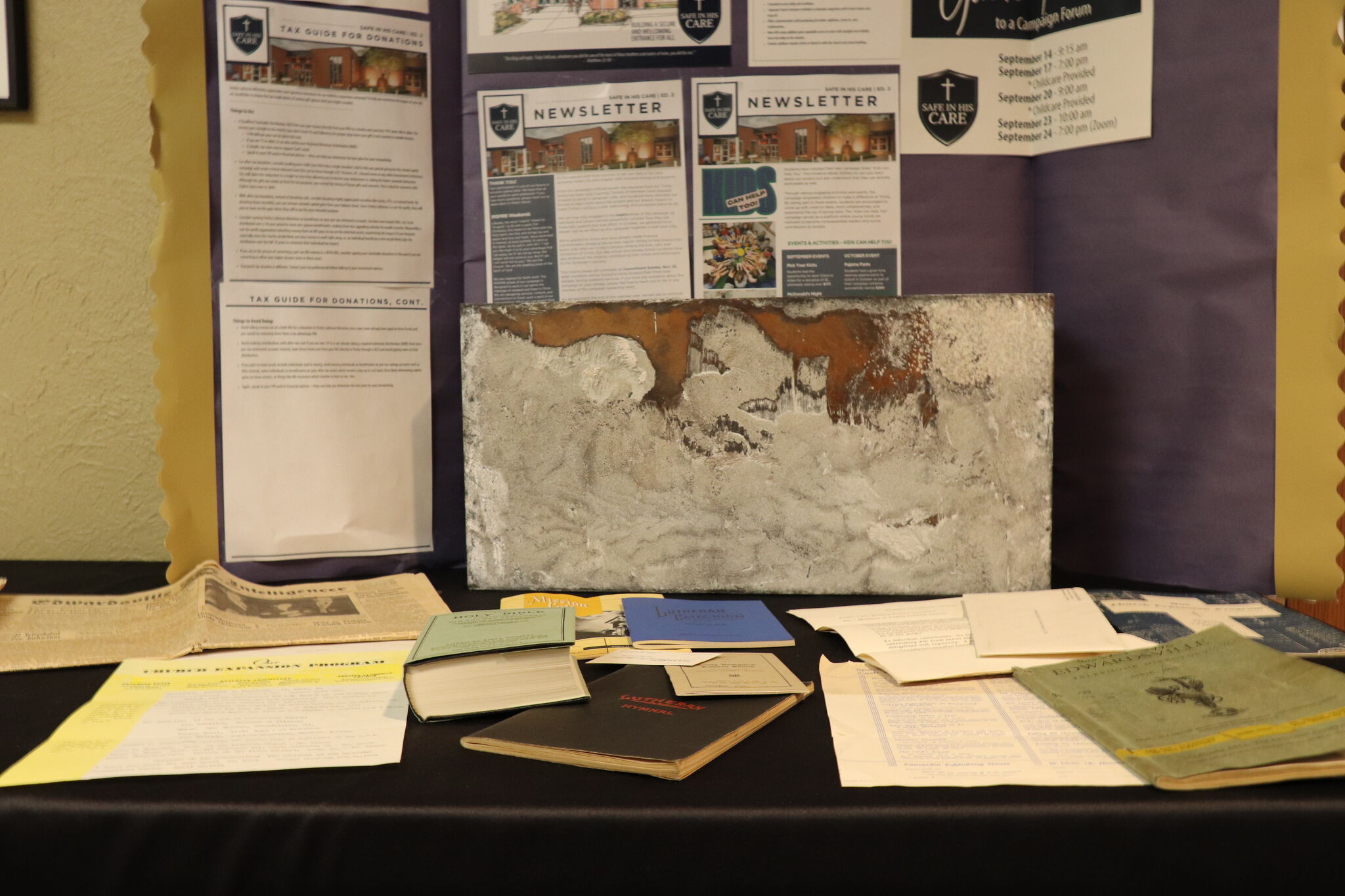
Stunning Treasures of 1954
A Window to Post-War America
The year 1954 was a pivotal era in American history, characterized by post-war optimism and rapid economic growth. It was the decade of rock ‘n’ roll, classic automobiles, and the expansion of suburban neighborhoods. This Time Capsule promises to deliver an authentic slice of that vibrant era directly to our modern world.
Historians speculate that the contents could include local newspapers, school rosters, and religious pamphlets from the period. These items would offer an invaluable glimpse into the daily lives and values of mid-century Midwesterners. It allows us to step back into a simpler time when the school was first expanding.
You can find more fascinating stories of unexpected historical discoveries and celebrity connections over at Bright Celebrity news archives. These incredible links to our collective past never fail to capture our shared imagination. The anticipation of what lies inside the copper box continues to build daily.
Preserving the Delicate Artifacts
Opening a container that has been sealed for seventy years requires a high level of precision and extreme care. Exposure to oxygen, moisture, and light can rapidly degrade old paper, photographs, and textiles. Preservationists recommend opening the box in a controlled environment to mitigate these risks.
Local historians have volunteered their expertise to help the school catalog and protect each item found inside. Once cataloged, the artifacts will likely be put on public display so the entire community can enjoy them. This process ensures that the legacy of the 1954 congregation is preserved for future generations.
Speculation is running wild among the students and faculty about what personal treasures might be hidden within. Some hope to find handwritten letters from former students, while others expect vintage school supplies or photographs. Whatever is revealed, it will undoubtedly enrich the school’s already deep historical archives.
Historical Timeline of Discovery
| Year | Event Details | Historical Significance |
|---|---|---|
| 1954 | Time capsule sealed during construction | Captures the essence of post-war suburban growth |
| 1985 | Minor facility upgrades completed | The hidden container remained unnoticed behind drywall |
| 2024 | Renovation uncovers the copper box | Sparks massive community interest and media coverage |
Mapping the School’s Evolution
The timeline above highlights how easily significant history can be forgotten over successive generations. As schools expand and undergo structural changes, the physical markers of their past are often covered up. In this case, the box was sealed behind thick layers of plaster and lath, completely hidden from sight.
It was only during the comprehensive modernization effort of 2024 that these walls were finally opened up. The construction team was systematically removing obsolete structural elements when they hit the copper treasure. This demonstrates the unexpected value of investing in older public and private school infrastructures.
The school’s board has expressed their commitment to integrating these historical findings into the current curriculum. Students will have a chance to study the artifacts as part of their local social studies units. This hands-on approach to history makes learning incredibly active and memorable for young minds.
The Role of Local Builders
Archival records suggest that local contractors built the 1954 wing using traditional, high-quality materials of the era. The heavy-duty copper construction of the container is a testament to the pride they took in their work. Because it was sealed so securely, the contents have been protected from the elements for decades.
Modern building techniques often favor speed and cost-efficiency over such heavy, durable craftsmanship. Finding a handcrafted copper box like this highlights the beauty of mid-century construction methods. It stands as a silent tribute to the blue-collar workers who built the school’s foundation.
The school plans to trace the descendants of those original builders to invite them to the opening event. Connecting these families with the work of their ancestors will add a deeply personal layer to the celebration. It turns a simple historical find into a beautiful community reunion.
Preserving Midwest School History
The Value of Local Heritage
In our fast-paced digital age, physical connection to local history is becoming increasingly rare. Most of our records are stored on remote servers, making physical artifacts like this Time Capsule incredibly special. They represent a tangible link to a specific moment in time that cannot be easily replicated online.
For institutions like Trinity Lutheran Elementary School, preserving this heritage is essential to maintaining their core identity. It shows modern students that they are part of a continuous story that began long before they were born. This sense of historical continuity helps foster a deep feeling of belonging and responsibility.
Community members have already started sharing their own memories of the school from the 1950s on social media. This digital sharing has created a bridge between elderly alumni and current elementary students. The discovery has effectively revitalized interest in the school’s rich, decades-long history.
Archival Best Practices
When handling items from the mid-20th century, archivists must use specialized tools and techniques. Acid-free paper, UV-resistant display cases, and climate-controlled storage are all necessary to prevent degradation. The school is currently looking for funding or partnerships to secure these conservation resources.
Many local museums and university history departments have offered to assist with the preservation process. This collaborative effort ensures that the artifacts will remain intact for another seventy years or more. It highlights the supportive nature of the academic community in southwestern Illinois.
The ultimate goal is to create a permanent historical display in the school’s main lobby. This display will serve as a daily reminder of the school’s heritage for everyone who walks through the doors. It will turn a random construction discovery into a permanent educational monument.
How Renovations Reveal Secrets
Hidden Chambers and Lost Rooms
Old school buildings across the Midwest are notorious for harboring architectural secrets and forgotten spaces. From boarded-up basement rooms to hidden crawlspaces, these structures often change significantly over the decades. Renovations frequently peel back these layers, revealing the structural evolution of the community.
In many cases, these hidden elements are simple architectural oddities, but occasionally they contain historical jackpots. The discovery at Trinity Lutheran is one of the most exciting examples in recent state history. It has inspired other local schools to review their own architectural blueprints for potential hidden spots.
Architects working on historic preservation projects emphasize that every old wall has a unique story to tell. They must balance modern safety codes with the desire to preserve the historic character of the building. This delicate dance often leads to fascinating discoveries that rewrite local history books.
The Evolution of School Design
School design has shifted dramatically since the mid-1950s, moving from rigid, cellular classrooms to open, collaborative spaces. These physical changes reflect evolving educational philosophies and modern technological needs. Tearing down the walls of 1954 literally clears the path for the future of education.
Yet, even as we modernize our learning environments, keeping a foot in the past remains incredibly valuable. The inclusion of the 1954 artifact in the new design ensures that the school’s soul remains intact. It proves that progress does not have to come at the expense of our heritage.
The construction crews themselves have expressed a deep sense of pride in being part of this discovery. It is not every day that a standard demolition job turns up a precious piece of local history. Their careful handling of the initial discovery saved the artifact from being destroyed or lost forever.
The Time Capsule Legacy
An Enduring Message of Hope
As the community prepares to unlock the secrets of the copper box, the excitement continues to build. This Time Capsule is far more than just a collection of dusty papers and old relics. It represents a message of hope and faith sent across seven decades to the people of today.
It reminds us of the dedication of the educators and families who built the foundation of Trinity Lutheran. Their vision of providing high-quality Christian education continues to thrive in the modern era. The discovery serves as a beautiful affirmation of their long-term educational mission.
You can almost feel the anticipation of the crowd that will gather when the box is finally opened. It will be a moment of pure connection, bridging the past, present, and future in a single, unforgettable event. We look forward to seeing the treasures that are revealed to the world.
Looking Forward to the Future
The school is already considering sealing a new container of their own to be placed back in the renovated walls. This new collection would capture life in the 2020s for future generations to discover seventy years from now. It would continue a beautiful tradition of generational communication and historical preservation.
What would you choose to put in a modern container to represent our current era to the future? This thought-provoking question is being discussed in classrooms throughout the school, inspiring creative thinking. It encourages students to reflect on what elements of their current lives are truly worth remembering.
Ultimately, the story of this accidental discovery is a reminder that history is always living right beside us. By preserving this incredible find, Trinity Lutheran Elementary School ensures its legacy remains vibrant and strong. The future of the school is built on a solid foundation of faith, community, and history.
More Like This
For more updates, check out our latest entertainment and sports news.