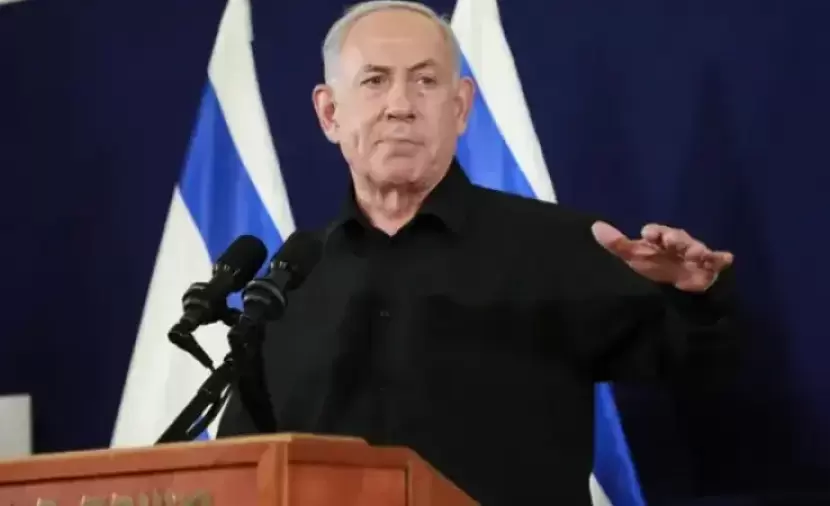
The shifting Netanyahu Reality in modern Middle Eastern politics has reached a critical boiling point. You are witnessing a high-stakes theatrical performance where public ultimatums clash directly with behind-the-scenes diplomatic pressure. The prime minister must balance survival with international demands.
This delicate dance reveals a profound gap between televised speeches and actual policy implementation. As domestic protests shake Tel Aviv, the global community watches closely. Every single announcement carries immense weight for the entire region.
The citizens are demanding clarity, but clarity is a rare commodity in this conflict. The rhetoric remains high, but the options on the ground are shrinking.
Netanyahu Reality Exposed
Evaluating the current Netanyahu Reality requires looking past the aggressive television broadcasts. The prime minister recently declared a strict refusal to transition to the crucial second phase of the ceasefire agreement. He insists on the complete demilitarization of regional adversaries before any troop withdrawals occur.
This uncompromising public stance aligns perfectly with the intense national mood within conservative circles. It provides the current administration with essential political cover during a highly volatile period. Yet, security experts argue this rhetoric serves as a tactical shield rather than an achievable goal.
Behind closed doors, the practical dynamics of the conflict tell an entirely different story. Military commanders understand that absolute victory remains an elusive concept in modern urban warfare. Strategic choices are constrained by supply chains, international treaties, and humanitarian considerations.
The administration is not operating in a vacuum. Major global powers continue to demand a clear exit strategy and sustainable post-war governance. The hardline declarations are increasingly viewed as opening bids in a brutal negotiation process.
Understanding this complex Netanyahu Reality involves analyzing both public postures and private back-channel talks. Leaders often say what their base needs to hear while preparing for inevitable compromises. This survival strategy has defined the prime minister’s long political career.
Every speech is carefully calibrated to appeal to specific factions within the governing coalition. The threat of a government collapse is constantly looming, forcing a stance of public defiance. This creates a fascinating spectacle for political analysts worldwide.
Key Strategic Stumbling Blocks
- The absolute demilitarization demand remains a major diplomatic hurdle.
- Hostage negotiation dynamics create massive domestic pressure in Israel.
- Border control corridors require complex bilateral agreements with neighboring states.
- Domestic coalition survival depends heavily on maintaining an uncompromising public image.
The Ceasefire Negotiation Drama
Diplomats from Washington, Doha, and Cairo are working tirelessly to bridge the immense gap. You can see how rhetoric functions as currency in these tense discussions. Every loud refusal to compromise is designed to extract minor concessions from the opposing side.
Every day, the Netanyahu Reality becomes harder to maintain under intense scrutiny. Historically, successful negotiations in this region require both public theater and private pragmatism. The official speeches emphasize red lines, but negotiators quietly explore flexible language.
The involvement of the United States adds another layer of complexity to the situation. American officials continue to push for a phased transition that guarantees long-term stability. This external pressure limits the prime minister’s ability to completely reject proposed compromises.
Strategic leaks from the negotiation rooms suggest that alternative security arrangements are already under discussion. These options include multinational monitoring forces and advanced technological surveillance systems. Such solutions could allow all parties to claim victory without fully compromising their core principles.
Analyzing the unfolding Netanyahu Reality reveals that the actual terms of the agreement are being shaped by international pressure. The public statements are designed to manage domestic expectations. The real work is happening in quiet diplomatic suites far from the cameras.
Regional economic stability depends heavily on resolving this ongoing crisis. International investors seek certainty, and prolonged conflict threatens vital trade routes. The economic imperative to find a resolution grows stronger every single day.
The final agreement will likely look very different from the current public demands. The transition to the second phase remains inevitable due to sheer exhaustion and diplomatic necessity. The public posturing simply delays the implementation of these realistic compromises.
This delay allows the administration to prepare the public for the eventual deal. It frames the compromises as hard-fought victories rather than concessions. This tactical maneuvering is essential for political survival in a deeply divided nation.
Inside the Coalition Pressures
The internal dynamics of the ruling coalition present a constant threat to administrative stability. This tense atmosphere directly shapes the daily Netanyahu Reality for policy makers. Ultra-nationalist leaders like Itamar Ben-Gvir and Bezalel Smotrich wield incredible leverage over the prime minister’s political future.
Any perceived weakness or concession could instantly trigger the collapse of the government. These far-right ministers openly advocate for total military victory and resettlement plans. Their supporters demand uncompromising action and reject any diplomatic compromises out of hand.
The prime minister must continuously prove his dedication to their radical vision. This internal pressure explains why the public rhetoric has reached such extreme levels. It is a calculated strategy to pacify aggressive coalition partners while maintaining international dialogue.
This balancing act is incredibly difficult to sustain over a long period. Moderate members of the war cabinet have previously expressed deep frustration with this political maneuvering. They argue that political survival should never take precedence over national security and hostage recovery.
The public protests are slowly shifting the Netanyahu Reality on the ground. These internal divisions frequently spill over into the public sphere, causing widespread confusion. The general public remains deeply divided over the administration’s strategic priorities.
Weekly protests in major cities draw hundreds of thousands of citizens demanding an immediate hostage deal. The protesters believe the government is prioritizing political longevity over human lives. As the domestic crisis deepens, the political cost of maintaining the hardline stance continues to rise.
The prime minister faces an agonizing choice between coalition survival and national reconciliation. Every decision carries monumental consequences for the future of the state. The political landscape is shifting rapidly, and the old strategies may no longer work.
The pressure from both sides of the political spectrum is reaching an unsustainable level. The conflict between domestic survival and international diplomacy defines this era. You can observe this tension in every official statement and policy shift.
Key Political Demands Table
| Key Issue | Public Rhetoric | Negotiation Reality |
|---|---|---|
| Demilitarization | Immediate and complete disarmament | Phased reduction with international monitoring |
| Troop Withdrawal | No withdrawal from strategic corridors | Gradual redeployment and joint patrols |
| Post-War Governance | Full military control indefinitely | Technocratic administration with regional backing |
This comparison reveals how the official narrative serves as an opening negotiation gambit. You can read more about these shifting political alliances and regional dynamics in our latest exclusive political analysis focusing on global security.
According to reports from Reuters, international mediators are focusing heavily on these realistic compromises. The gap between public statements and private concessions remains the biggest challenge to achieving a lasting ceasefire.
The evolving Netanyahu Reality is documented in these negotiation rooms. The data shows that compromise is not just possible, but already underway. The public must look past the headlines to find the truth.
This table demonstrates the immense contrast between public rhetoric and private pragmatism. You can easily see how the hardline stance is designed to appeal to domestic voters while leaving room for diplomatic maneuver. The actual negotiations are far more fluid than the rigid public statements suggest.
This comparison sheds light on the actual Netanyahu Reality behind closed doors. Diplomats behind the scenes are constantly working to find creative solutions to these sticking points. They focus on language that allows both sides to claim success without appearing to back down.
The data in this table represents the most likely path toward a sustainable resolution. While the public focus remains on the dramatic announcements, the real progress is documented in these quiet concessions. The transition to a phased agreement is slowly becoming the accepted path.
The Biden Administration Angle

The relationship between Washington and Tel Aviv has faced unprecedented strain during this crisis. President Joe Biden and his foreign policy team have consistently advocated for a structured peace plan. They view prolonged conflict as a threat to broader Middle Eastern integration and American interests.
American diplomats are navigating the Netanyahu Reality with cautious optimism. American diplomatic efforts are focused on creating a sustainable pathway toward a two-state solution. This vision directly clashes with the stated goals of the right-wing elements in the Israeli coalition.
The administration must navigate these conflicting perspectives while maintaining its historic alliance. Military aid package discussions often serve as a quiet lever for American influence. While public support remains steadfast, behind-the-scenes conversations involve serious warnings about regional escalation.
The current Netanyahu Reality is heavily influenced by these American policy decisions. The prime minister cannot afford to completely alienate his most important global ally. The financial and military support is too critical for the nation’s security.
Upcoming political events in the United States add a layer of urgency to the diplomatic efforts. Domestic political considerations influence how foreign policy is conducted and communicated. Both administrations are highly sensitive to how their decisions play out before voters.
Regional partners like Saudi Arabia also play a crucial role in the American diplomatic strategy. Normalization agreements remain a powerful incentive for long-term peace and stability. These historic deals are contingent on resolving the current conflict and addressing humanitarian concerns.
As the diplomatic pressure mounts, the space for unilateral action continues to shrink. The administration must align its actions with the broader strategic goals of its primary ally. This inevitable alignment will define the final phase of the conflict.
The international community expects a resolution that addresses the root causes of the instability. The pressure is building from all sides, leaving little room for political games. The path forward is challenging, but clear.
Decoding Netanyahu Reality
In the final analysis, the true Netanyahu Reality is defined by a complex web of survival and strategy. The gap between what is said on television and what is done in the negotiation rooms is a standard feature of modern statecraft. You must look beyond the loud announcements to understand the actual trajectory of the peace process.
The uncompromising demands serve a specific domestic purpose, but they cannot stop the momentum of international diplomacy. The pressures from global allies, economic realities, and domestic protesters are too powerful to ignore forever. A compromise remains the only viable path forward for all parties involved.
This complex Netanyahu Reality shows that rhetoric has its limits when faced with harsh facts. The prime minister may delay the process, but he cannot change the fundamental security equations. The final deal will require difficult concessions from both sides.
As the negotiations continue, expect to see more dramatic public statements and political maneuvering. The underlying direction of the peace process remains focused on realistic concessions and shared security. The transition to the next phase is not a matter of if, but when.
You must watch the actual troop movements and diplomatic exchanges to find the truth. The public theater is entertaining, but the real decisions are made in silence. The future of the region depends on these quiet compromises.
The final resolution will test the resilience of all political leaders involved. It will require courage to face the hard truths and make the necessary sacrifices. The world is watching, and history will judge the outcomes.
The prime minister’s strategy will continue to dominate the news cycles for months to come. Stay informed by looking past the sensational headlines and focusing on the structural forces at play.
More Like This
For more updates, check out our latest entertainment and sports news.