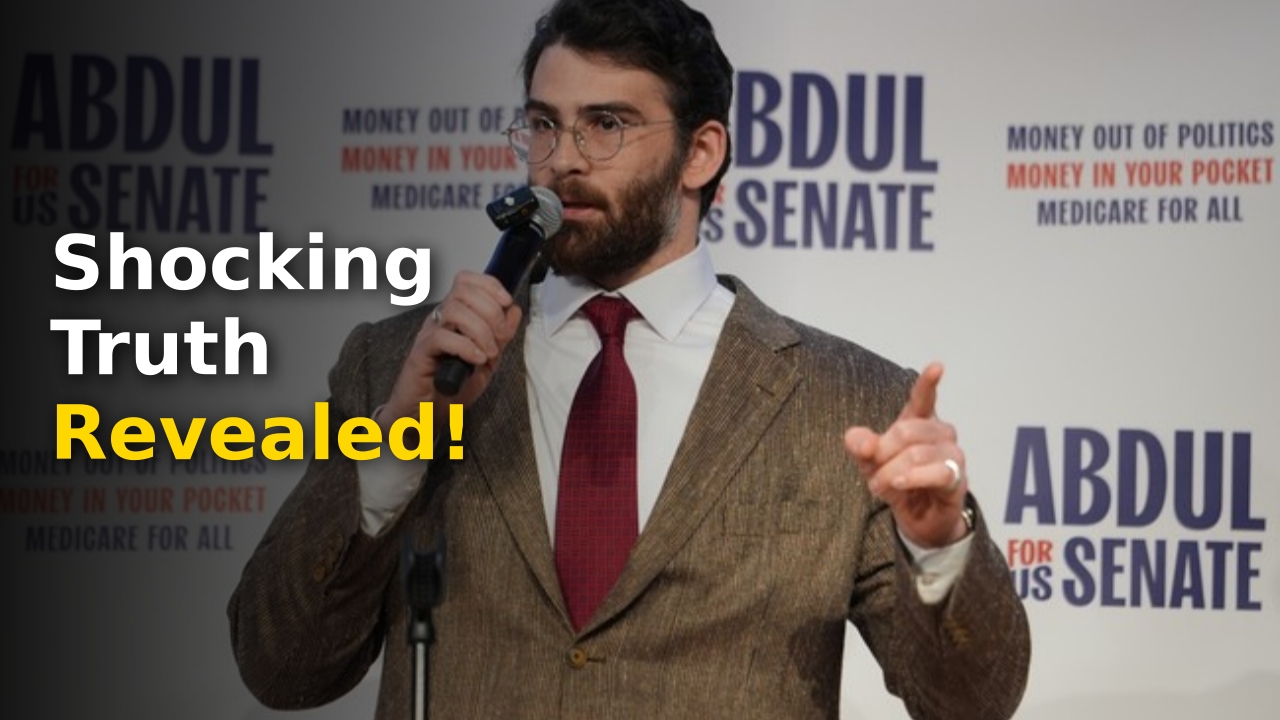
The sudden rise of Hasan Piker as a mainstream cultural icon has ignited a massive firestorm across the internet, forcing millions to question the boundaries of digital activism. You are witnessing a complete shift in how the public consumes political media. Traditional television networks are losing their grip as independent broadcasters take center stage.
Many traditionalists watch in horror as Hasan Piker captures the minds of millions of young viewers. The line between entertainment and extremist political rhetoric has never been thinner. This transition has sparked a relentless culture war that shows no signs of slowing down.
Let us dive deep into the core of this media circus to uncover how a controversial broadcast personality became the modern face of political rebellion.
Hasan Piker Under Fire
The Incendiary Media Profile
Critics argue that Hasan Piker has crossed the line from provocative commentary into outright propaganda. The cover story attempts to dissect why modern audiences are deeply fascinated by his unfiltered, aggressive political takes. The article paints a picture of a digital leader who thrives on controversy and high-stakes arguments.
By focusing on his polarizing takes on global conflicts, the media has elevated him to unprecedented heights. This glorification has caused immediate outrage among veteran journalists and media watchdogs alike. Many believe this profile is merely a symptom of a larger media landscape desperate for clicks.
Spotlighting a polarizing figure like Hasan Piker ensures a massive influx of web traffic and social engagement. In August 2026, the demands of the 24-hour news cycle require increasingly sensational figures to keep audiences engaged. By highlighting his career, publishers have tapped into a goldmine of internet rage and fanatical devotion.
Critics Slam Romanticized Coverage
Prominent public figures have wasted no time in condemning the romanticized framing of the profile. Rock frontman David Draiman publicly lambasted the magazine for defending someone who has made highly offensive excuses for global violence. The clash highlights a deep generational and ideological divide within the entertainment industry.
Conservative commentators have also weaponized this profile to argue that mainstream media outlets are actively promoting anti-Western ideologies. They point to past instances where controversial figures were given sympathetic cover stories. The narrative suggests a deliberate effort to normalize radical beliefs under the guise of progressive culture.
Meanwhile, his dedicated supporters argue that the backlash is simply a coordinated smear campaign by political rivals. They claim that his words are consistently taken out of context to paint him in the worst possible light. This ongoing battle continues to generate millions of impressions across social media platforms.
Rolling Stone Controversial Legacy
Fetishizing the Outlaws
To understand this recent controversy, one must examine the long and complex history of Rolling Stone magazine. Decades ago, the publication focused on pioneering musicians who challenged societal norms through art and music. Today, the focus has shifted toward political commentators who use digital platforms to wage ideological warfare.
The recent profile published by the iconic magazine has sent shockwaves through the community, forcing many to evaluate how Hasan Piker fits into modern journalism. Critics argue that the magazine has developed a habit of romanticizing highly controversial figures. The infamous 2013 cover featuring the Boston Marathon bomber remains a painful point of reference for many.
That editorial decision sparked nationwide boycotts and intense debates about media ethics and responsibility. By positioning modern political commentators as the new rockstars, media outlets continue to blur the lines between celebrity culture and serious geopolitics. This trend has raised concerns about the impact of media glorification on impressionable youth.
From Rockers to Radicals
The transition from documenting musical counterculture to profiling internet political radicals was gradual but inevitable. In the digital age, traditional print media has struggled to maintain its financial footing. Spotlighting a polarizing figure ensures a massive influx of web traffic and social engagement.
This commercial strategy relies heavily on the psychological trigger of outrage. By presenting a polished, stylized image of an internet radical, the publication guarantees fierce reactions from both loyal fans and bitter enemies. The resulting online engagement translates directly into advertising revenue and digital subscriptions.
This behavior highlights a broader shift where click-through rates dictate editorial choices. The modern media industry no longer seeks to merely inform, but to provoke. As a result, the most divisive voices are consistently given the largest megaphones.

Inside the Mansion Backlash
The Socialist Millionaire Paradox
While advocating for democratic socialism, critics point to Hasan Piker and his acquisition of a massive multi-million dollar estate. This lavish real estate purchase sparked intense accusations of hypocrisy from both the left and right. The purchase of a $2.7 million West Hollywood home quickly became a symbol of the contradictions within modern political streaming.
For more exclusive celebrity insights and deep dives into luxury lifestyle controversies, check out the latest updates at exclusive celebrity insights. The debate over whether a wealthy influencer can truly represent working-class interests remains highly polarized. Many argue that true devotion to socialist values requires living a more modest life.
The public remains highly skeptical of how Hasan Piker balances his anti-capitalist rhetoric with high-end luxury lifestyle choices. Supporters counter this argument by claiming that participating in capitalism is unavoidable in modern society. They believe that using massive wealth to fund a platform that spreads progressive ideas is a net positive.
Drones and Public Exposure
The intense scrutiny surrounding his wealth has occasionally crossed over into real-world harassment. Outlets like the New York Post reportedly deployed drones to photograph his private residence, raising serious privacy concerns. This aggressive reporting style demonstrates the extreme lengths to which media companies will go to cover his life.
The streamer has claimed that major news networks have dedicated staff members solely assigned to monitor his daily broadcasts. This level of surveillance is typical for top-tier political figures, but rare for independent digital creators. It underscores his transition from a niche internet personality to a major cultural player.
The constant threat of doxxing and physical confrontation has forced many online creators to invest heavily in private security. Despite these challenges, the controversial figure continues to broadcast his unedited thoughts to tens of thousands of live viewers daily. This resilience only serves to strengthen his bond with his loyal audience.
Comparing the Major Scandals
Streamer Controversy Matrix
To better understand the scale of this media phenomenon, we must compare the scandals surrounding Hasan Piker with those of other massive online creators. The digital landscape is filled with highly influential figures who frequently find themselves in hot water. This comparative analysis helps contextualize the unique nature of his political brand.
Let us look at how different platform giants manage their public relations crises. Some choose to retreat from the public eye, while others lean heavily into the controversy to boost their metrics. The following detailed matrix outlines the key details of these prominent internet controversies.
| Streamer | Core Controversy | Primary Platform | Estimated Peak Viewers |
|---|---|---|---|
| Hasan Piker | Political takes on global conflicts | Twitch / YouTube | 125,000+ |
| xQc | Fair use and reaction content debate | Kick / Twitch | 90,000+ |
| Asmongold | Gaming culture wars and industry critiques | Twitch | 85,000+ |
| Adin Ross | Unfiltered guest interviews and behavior | Kick | 150,000+ |
The Impact of High-Profile Feuds
These public feuds often spill over into other social media platforms, creating a massive wave of reaction videos. Other content creators quickly capitalize on the trending news, analyzing every statement made during live streams. This parasitic content ecosystem ensures that the controversy remains relevant for weeks.
The monetization of internet drama has become a highly lucrative industry in its own right. Creators can generate thousands of dollars in ad revenue simply by reacting to another streamer’s political debates. This financial incentive further fuels the polarization of the online community.
As these platforms continue to grow, the influence of these digital figures will likely surpass that of traditional media hosts. The ability to directly interact with an audience in real-time creates a deep sense of parasocial intimacy. This unique dynamic makes the impact of their controversies far more profound.

The Cultural Streaming War
Leftist Narratives vs Right-Wing Critics
The ideological battle on the internet is fiercer than ever before. While some viewers find comfort in progressive commentary, others view it as a direct threat to traditional American values. The ongoing conflict between these two opposing forces shapes much of the content produced on streaming platforms.
Critics frequently point out that the brand of Hasan Piker thrives on this exact conflict. By positioning himself against conservative media giants, he creates a compelling narrative of rebellion that appeals to younger audiences. This adversarial approach has proven highly effective at building a loyal, long-term fanbase.
However, this constant combativeness can also alienate moderate viewers who are looking for nuanced political discussions. The highly polarized environment of online chat rooms often discourages productive dialogue. Instead, it fosters a tribal mentality where compromise is seen as a sign of weakness.
Performative Clickbait Exploded
Many cultural analysts argue that the sensationalism surrounding digital political commentators is ultimately performative clickbait. They believe that despite the fiery rhetoric, the primary goal of these broadcasts is financial gain. This skepticism is shared by critics who accuse these influencers of exploiting serious geopolitical issues for personal benefit.
This ongoing friction makes Hasan Piker one of the most talked-about figures in digital entertainment. This cynical view suggests that the controversial takes are carefully calculated to maximize viewer engagement. In the attention economy, provocative statements are the most valuable currency.
Despite these criticisms, the influence of digital political commentators cannot be ignored. They have successfully bypassed traditional media gatekeepers to build massive, independent media empires. This shift in power will continue to redefine the landscape of political communication for years to come.
The Future of Hasan Piker
Will the Backlash Last?
As the dust begins to settle on the recent magazine profile, many are left wondering what the future holds. Will the intense backlash permanently damage his brand, or will it simply elevate his status further? History suggests that in the digital age, controversial figures often emerge from public scandals stronger than before.
The enduring popularity of Hasan Piker indicates that his audience is highly resilient to external criticism. For his fans, the condemnation from mainstream media outlets only validates his anti-establishment credentials. This dynamic makes it extremely difficult for critics to deplatform or silence him.
At the same time, the continuous evolution of digital platforms provides endless opportunities for creators to reinvent themselves. Whether through new content formats or collaborative projects, these influencers are highly adaptable. Their ability to quickly pivot ensures their long-term survival in a volatile industry.
Final Political Verdict
Ultimately, the debate surrounding the controversial streamer reflects the broader political polarization of our society. It raises challenging questions about free speech, media responsibility, and the nature of modern celebrity culture. As we move forward, the line between political activism and digital entertainment will only continue to blur.
In the end, the ultimate legacy of Hasan Piker will be decided by the very audience that built his digital empire. It is clear that whether you view him as a bold truth-teller or a dangerous demagogue, his impact is undeniable. The rise of independent digital voices has permanently altered how young people engage with political news and ideas.
Traditional media outlets must adapt to this new reality or risk becoming completely obsolete. The ultimate power lies in the hands of the viewers who tune in every day. Their continued support or rejection will determine the ultimate legacy of these digital pioneers.
More Like This
For more updates, check out our latest entertainment and sports news.