Coaching Pressure is the invisible weight that can crush the most seasoned veterans in the brutal landscape of the 2026 college football season. You see it in the sweat on the sidelines and hear it in the restless murmurs of the alumni who demand nothing less than perfection. The margin for error has evaporated entirely as television contracts balloon and donor expectations reach fever pitch levels.
As the first whistle blows this fall, the stakes have never been higher for a select group of men holding the keys to historic programs. You are watching a high-stakes poker game where the currency is wins and the penalty for losing is a multi-million dollar pink slip. The landscape of the sport has shifted under the weight of massive NIL deals and a transfer portal that never sleeps.
It is no longer enough to simply graduate players or keep a clean program; the boosters want trophies, and they want them right now. This is a look at the six individuals who are walking a tightrope over a pit of fire as the 2026 campaign kicks off. If they do not find a way to dominate early, their seats will go from warm to incinerated before the leaves even change color.
Coaching Pressure and Modern Expectations
The concept of Coaching Pressure has evolved into a 24/7 news cycle monster that feeds on every intercepted pass and failed fourth-down conversion. You might think a long-term contract offers security, but in 2026, those papers are often worth less than the ink used to sign them. Athletic directors are increasingly willing to pay massive buyouts just to appease a disgruntled fan base and keep the recruiting momentum alive.
When you look at the resources available to these top-tier programs, it becomes clear why the leash is so short. Facilities that resemble five-star resorts and private jets for recruiting trips are now the baseline, not the exception. The pressure to justify these nine-figure investments falls squarely on the shoulders of the head coach, who must manage a roster of young men who are now effectively professional athletes.
The advent of the expanded 12-team playoff has only intensified this environment, creating a “playoff or bust” mentality at schools that used to be happy with a decent bowl game. You are witnessing a transformation where mediocrity is treated as a terminal illness for a coach’s career. Every Saturday is an audition to keep their job for one more week in a world that has forgotten the meaning of the word patience.
The NIL Revolution Impact
- Boosters now expect a direct return on investment for the millions funneled into player collectives.
- Coaches are held accountable for roster retention in an era where any player can leave at any time.
- Strategic management of financial resources is now just as important as the X’s and O’s on the chalkboard.
- The gap between the “haves” and the “have-nots” is widening, leaving mid-tier coaches in a perpetual state of anxiety.
Success in this era requires a coach to be a CEO, a psychologist, and a master tactician all at once. You can’t just rely on a star quarterback anymore if the rest of the roster is being picked apart by predatory programs with deeper pockets. The mental toll this takes on a leader is immense, leading to burnout and high-profile exits that shock the sporting world.
Furthermore, the social media era means that every mistake is amplified and analyzed by millions of armchair experts. A coach can go from a local hero to a pariah in the span of a single afternoon if they lose to a rival. The noise is constant, and the only way to silence it is to win at a level that is statistically improbable for most of the field.
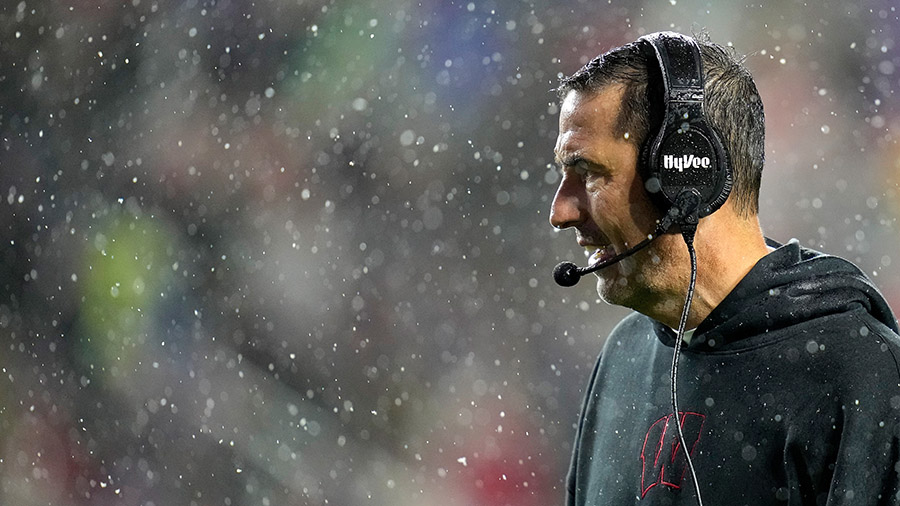
Southern Powerhouses Facing Dark Days
In the SEC, the Coaching Pressure is a different breed of animal that survives on pure passion and historical pride. Take a look at the situation in Gainesville, where Billy Napier is entering a make-or-break year with the Florida Gators. After several seasons of rebuilding, the fans are tired of hearing about the future; they want to see the orange and blue back in the national title conversation today.
Napier has the recruiting chops, but the on-field results haven’t quite matched the hype of his arrival from the Ragin’ Cajuns. You can feel the tension in the air every time he walks onto Florida Field, knowing that a loss to a rival like Georgia or FSU could be the final straw. The Gators have one of the toughest schedules in the nation, making his path to survival look like a mountain climb without a rope.
Down in Coral Gables, Mario Cristobal is dealing with a similar set of circumstances at the University of Miami. Despite bringing in top-tier talent, “The U” has struggled with consistency and late-game execution that leaves fans scratching their heads. Cristobal was brought home to restore the glory days, but if he doesn’t deliver an ACC title soon, the billionaire boosters might look for a new savior.
The Survival Strategy in the SEC
- Securing a top-five recruiting class is no longer a luxury; it is a basic requirement for staying employed.
- Dominating the line of scrimmage is the only way to survive the physical toll of a November schedule.
- Developing a quarterback who can win games late in the fourth quarter is the ultimate job security.
- Managing the egos of highly-paid starters requires a level of diplomacy rarely seen in college athletics.
The move of powerhouses like Texas and Oklahoma into the SEC has only made life more difficult for the established guard. You are seeing legendary programs struggle to maintain their identity in a conference that feels more like a professional league every day. For a coach like Sam Pittman at Arkansas, the challenge is proving that a blue-collar approach can still compete with the flashy lights of the big city programs.
Pittman has the respect of his peers, but in the SEC West, respect doesn’t buy you another year on the contract. He needs to find that magic that saw the Razorbacks crack the top ten a few years ago. If the hogs can’t find their footing early in the 2026 season, the search for a new leader in Fayetteville will begin in earnest before the Thanksgiving turkey is served.
The financial stakes are also tied to the local economy, where a winning team brings in millions to the surrounding community. When a team fails, the local businesses feel it just as much as the athletic department. This creates a community-wide expectation that adds another layer of stress to an already impossible job for these men.
The Financial Stakes of Failure
The world of Coaching Pressure is inextricably linked to the massive financial figures that dominate the sport today. You have to realize that firing a coach is no longer just a personnel decision; it is a corporate restructuring involving tens of millions of dollars. The buyouts for these high-profile leaders have reached levels that would make a Fortune 500 CEO blush with envy.
When you track the net worth of college football legends, you see how the elite tier of coaches has become a class of their own. Even a coach who fails often walks away with a golden parachute that ensures their family is set for generations. This financial safety net, however, does nothing to soothe the competitive fire or the public humiliation of being let go on a national stage.
The following data shows the estimated buyout figures and the win-loss expectations for the coaches currently under the most scrutiny. These numbers are based on the latest industry projections as we head into the pivotal 2026 season. You can see why the athletic directors are sweating just as much as the men on the sidelines during the heat of a Saturday afternoon.
| Coach Name | Program | Est. Buyout (2026) | Must-Win Games |
|---|---|---|---|
| Billy Napier | Florida | $26,500,000 | Georgia, FSU, LSU |
| Lincoln Riley | USC | $45,000,000+ | Michigan, Ohio State |
| Ryan Day | Ohio State | $18,000,000 | Michigan (Non-Negotiable) |
| Mario Cristobal | Miami | $32,000,000 | Florida State, Clemson |
It is important to note that these figures represent more than just salary; they represent the trust—or lack thereof—between a university and its leader. In many cases, the buyout is the only thing keeping a coach in their job through the end of a disappointing season. Once that financial hurdle becomes manageable for the boosters, the end is usually near for the incumbent staff.
You should also consider the impact of these buyouts on the rest of the athletic department’s budget. When a school pays $30 million for a coach to go away, that money often comes from funds that could have gone to other sports or academic initiatives. The pressure to win is not just about sports; it is about the entire fiscal health of the university’s brand and its ability to attract donors.
Coastal Elite and The Big Ten Transition
As the Big Ten expands its reach across the entire continent, the Coaching Pressure on guys like Lincoln Riley at USC is reaching a fever pitch. Moving from the Pac-12 to the physical, grind-it-out style of the Big Ten has been a culture shock for the Trojans. Riley’s high-flying offense is a marvel to behold, but his critics point to a defensive unit that often looks like it’s playing a different sport entirely.
In Los Angeles, where the bright lights of Hollywood demand a star performance every week, Riley is under the microscope. You can’t just win at USC; you have to win with style and grace while competing for national titles every single year. The grace period for the transition has ended, and the 2026 season is the time when Riley must prove his system can survive the cold nights in the Midwest.
Then there is Ryan Day at Ohio State, who might have the most bizarre situation in all of sports. Day wins over 80% of his games, yet he is constantly on the hot seat because of a specific rivalry to the north. Losing to Michigan is simply not an option for the Buckeyes, and after several years of disappointment in that particular game, the pressure on Day is suffocating.
The Ohio State Dilemma
- Regular season dominance means nothing if you can’t beat your primary rival in November.
- The expectations in Columbus are higher than almost anywhere else in the sporting world.
- Every recruiting loss to a rival is treated as a national emergency by the fan base.
- Even a playoff appearance might not be enough to save a coach who can’t win “The Game.”
Day has built a machine that produces NFL talent at an industrial rate, but the hardware in the trophy case is what matters to the people in the horseshoe. You are watching a man fight for his legacy every time he steps onto the field, regardless of the opponent. According to ESPN’s latest recruiting rankings, the Buckeyes are still a top-tier destination, but the heat is on Day to turn that talent into a ring.
Across the country, Pat Narduzzi at Pitt is trying to maintain the blue-collar identity of a program that has seen its fair share of ups and downs. After a legendary run with Kenny Pickett, the Panthers have struggled to find that same spark under center. Narduzzi is a defensive mastermind, but in the modern era, you need points to keep the fans from turning on you during a cold Saturday in Pittsburgh.
The ACC is in a state of flux, and Pitt needs to stay relevant to ensure its place in the eventual consolidation of the super-conferences. Narduzzi’s hard-nosed style is a hit with some, but the lack of an explosive offense has many wondering if the game has passed him by. He needs a winning season in 2026 to quiet the skeptics and secure his future at the program he has led for over a decade.
Scouting the Modern Hot Seat
What makes the 2026 season so fascinating is how quickly the Coaching Pressure can shift from one individual to another. You see a coach win a huge game in September and become a hero, only to lose two in October and have people calling for his head. The volatility of the current landscape is unprecedented, driven by a 24-hour media cycle that needs a villain every week.
The “Hot Seat” is no longer just a figure of speech; it is a measurable metric that affects recruiting and staff retention. When a coach is rumored to be in trouble, rival programs use that against them in the living rooms of top prospects. It becomes a self-fulfilling prophecy where the perception of failure leads to actual failure as the talent pipeline begins to dry up.
You also have to consider the role of the modern athletic director, who is often under just as much pressure as the coach they hired. If an AD waits too long to fire a failing coach, they might find themselves out of a job as well. This leads to a hair-trigger environment where decisions are made based on the emotion of the moment rather than a long-term vision for the program.
The Signs of a Failing Regime
- A sudden influx of players entering the transfer portal immediately after the season ends.
- Public statements of support from the university president that sound more like a warning.
- A noticeable drop in attendance and donor contributions for the athletic collective.
- Coordinators leaving for lateral positions at other schools to escape a sinking ship.
- A lack of discipline on the field, resulting in excessive penalties and mental errors.
The best coaches are the ones who can block out the noise and focus on the task at hand, but even the greats are human. The constant barrage of criticism on social media and talk radio can wear down even the thickest skin. You are seeing more coaches opt for early retirement or moving to the NFL just to escape the relentless nature of college recruiting and booster politics.
In the end, the 2026 season will be defined by who handles the heat and who melts under it. The six coaches mentioned are the ones currently in the blast zone, but there are dozens of others just one or two losses away from joining them. It is a ruthless, unforgiving business that rewards only those who can produce results in the most high-pressure environments imaginable.
Final Verdict on Coaching Pressure
The bottom line is that Coaching Pressure is the defining characteristic of elite college football in the 2026 season. You are witnessing a transition period for the sport where the old rules of loyalty and patience have been replaced by a “what have you done for me lately” culture. Whether it is Billy Napier in the SEC or Lincoln Riley in the Big Ten, the mandate is clear: win now or walk away.
As you watch these games unfold this fall, remember that every play could be the one that decides a man’s career and the future of a multi-million dollar program. These six coaches are not just fighting for a win on the scoreboard; they are fighting for their professional lives in an arena that has no room for second place. The 2026 season promises to be a rollercoaster of emotion, and the hot seat is only going to get hotter as the weeks go by.
Keep your eyes on the sidelines as much as the field, because the drama of the coaching carousel is often more compelling than the games themselves. The 2026 season is here, and for these six men, the clock is ticking louder than ever before. Enjoy the spectacle, because in the world of high-stakes college football, there is truly no place to hide when the pressure is on.
More Like This
For more updates, check out our latest entertainment and sports news.