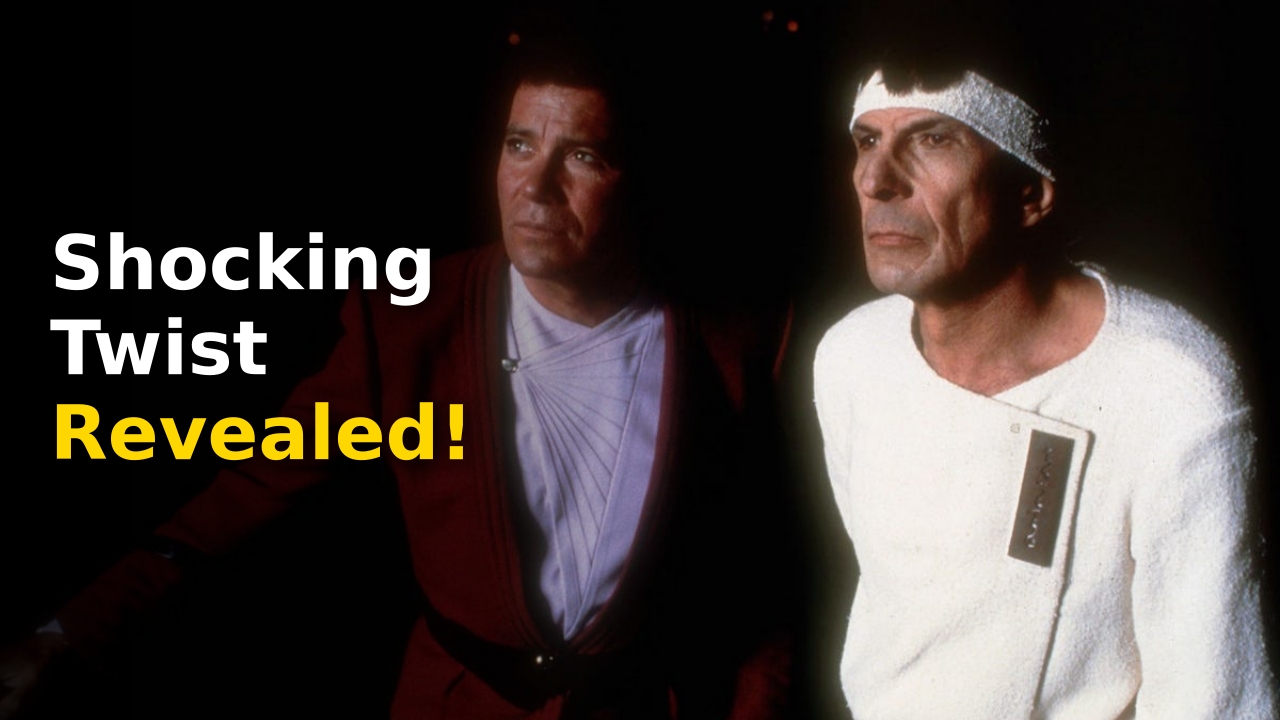
If you think you have experienced every corner of modern sci-fi history, Star Trek is preparing to blow your mind all over again on the giant screen. Moviegoers across North America are getting an extraordinary treat as classic films return to cinema auditoriums with a mind-blowing, unprecedented twist. You will finally get to experience these iconic cinematic masterpieces alongside the legendary television episodes that directly inspired their creation.
Starting on September 4 and running through September 8, standard movie screenings are transforming into epic double-features. Major theater chains including AMC and Cinemark locations around the United States will host these exclusive limited-time events to celebrate six decades of intergalactic lore. Check out the latest entertainment news coverage to see how long-time fans are reacting to this historic announcement.
This special event marks the 60th anniversary of the franchise that redefined science fiction television forever. By pairing feature-length films with quintessential 1960s television episodes, fans can trace the creative evolution of their favorite characters in high definition.
Star Trek Returns to Big Screens
The origin of this science fiction titan dates back to September 8, 1966, when creator Gene Roddenberry first introduced television audiences to the starship Enterprise. Over the course of three broadcast seasons, the original series laid the foundation for a sprawling media universe that spans dozens of spin-offs and feature films. Bringing these foundational stories back to modern auditoriums allows modern audiences to experience the narrative bridge between television and film.
Many fans who grew up watching reruns on small cathode-ray tube televisions have never seen the original series projected on a massive movie screen. The upcoming event remedies this by remastering classic television broadcasts specifically for theatrical sound systems and modern projection standards. Audiences can expect crystal-clear audio and restored color grading that highlights the vibrant aesthetic of classic 1960s Hollywood production design.
The decision to host these double-features over a four-day window creates a festival-like atmosphere for sci-fi enthusiasts nationwide. Film preservationists and entertainment historians are praising the initiative for preserving the historical continuity of American television and film history. It provides a rare opportunity to analyze how television screenplays from the late 1960s expanded into massive blockbuster budgets during the late 1970s and 1980s.
The Evolution of Sci-Fi Television
- The original series launched on network television in September 1966 with groundbreaking visual effects.
- Feature film adaptations began in 1979 following massive fan-driven syndicated popularity.
- Restored theatrical double-features allow modern viewers to appreciate original analog special effects work.
For casual viewers, understanding the structural connection between television episodes and feature films enhances the overall narrative depth. Writers back in the 1970s frequently revisited established television concepts to build thematic continuity for feature films. Experiencing both formats back-to-back offers an incredible masterclass in franchise story construction.
Industry analysts project high attendance numbers for these limited screenings as nostalgic moviegoing trends continue to dominate theatrical box offices. Nostalgic cinema events have consistently proven to draw passionate crowds across major metropolitan markets. Ticket pre-sales are expected to shatter previous anniversary event records across major exhibition circuits.
The Motion Picture Double Feature
When theatrical audiences packed auditoriums in 1979 to watch The Motion Picture, hardcore fans immediately recognized structural similarities to a specific 1967 television episode titled “The Changeling.” Both narratives revolve around an artificial intelligence probe created by human hands that undergoes an unexpected cosmic evolution. After merging with alien technology in deep space, the sentient machine returns home to find its original human creator.
Screenwriter John Meredyth Lucas originally penned “The Changeling” for the second season of the classic television show. Years later, when Paramount attempted to relaunch the franchise as a television series titled Phase II, writer Harold Livingston and producer Alan Dean Foster adapted an unused concept titled “In Thy Image.” That script was heavily influenced by Gene Roddenberry‘s early story outline called “Robot’s Return,” creating a direct link back to the 1967 television adventure.
The core narrative driving both stories examines the terrifying potential of an omnipotent artificial intelligence demanding existential answers. The physical probe named Nomad in the television episode serves as a thematic prototype for the massive cosmic entity known as V’Ger in the 1979 feature film. Watching both stories back-to-back highlights how brilliant ideas evolved from low-budget television sets into massive cinematic spectacles.
Comparing Nomad and V’Ger
- Nomad debuted in 1967 as a rogue Earth probe capable of destroying entire planetary populations.
- V’Ger debuted in 1979 as a massive celestial cloud searching for its original programmer on Earth.
- Both artificial intelligence entities view biological lifeforms as inferior until confronted by Captain Kirk.
Visual effects legend Douglas Trumbull brought the massive scale of V’Ger to life using innovative photographic techniques that defined late 1970s cinema. Pairing this visual spectacle with the intimate, dialogue-driven tension of the original television episode highlights the vast difference in production scale. Viewers get to appreciate the creative ingenuity required to tell compelling stories on limited broadcast budgets.
The thematic focus on rogue artificial intelligence remains remarkably relevant to contemporary audiences navigating modern technology debates. Exploring how writers in the late 1960s envisioned superintelligent machines provides a fascinating historical lens on human anxiety regarding technology. This double-feature serves as both cinematic entertainment and thought-provoking science fiction philosophy.
Star Trek Khan Legacy Screening
Ask any sci-fi enthusiast to name the definitive highlight of the classic film series, and they will likely point to the 1982 masterpiece The Wrath of Khan. Directed by Nicholas Meyer, the film serves as a direct narrative sequel to the original 1967 television episode titled “Space Seed.” That original episode introduced the genetically engineered supervillain Khan Noonien Singh, portrayed with captivating menace by legendary actor Ricardo Montalban.
While the 1982 feature film achieved global acclaim and saved the theatrical franchise from premature cancellation, the original television episode contains one critical dynamic that the film lacks. In “Space Seed,” Captain James T. Kirk, played by William Shatner, engages in a famous brutal physical brawl against Khan inside the ship’s engine room. In the feature film sequel, the two legendary adversaries interact exclusively through viewscreen video transmissions and radio channels.
Screenwriter Harve Bennett developed the concept for the 1982 film after watching every single broadcast episode of the original series back-to-back in a projection room. He recognized that Khan represented the absolute ultimate emotional and tactical threat to Captain Kirk’s command authority. By re-examining the consequences of Kirk abandoning Khan on the remote planet Ceti Alpha V, Bennett created one of the greatest revenge narratives in cinematic history.
Key Narrative Differences
- “Space Seed” features a direct physical confrontation between William Shatner and Ricardo Montalban.
- The Wrath of Khan focuses on strategic ship-to-ship tactical warfare inside the deadly Mutara Nebula.
- The television episode highlights 20th-century history lore, while the film focuses on aging, mortality, and personal sacrifice.
The emotional weight of Spock’s heroic ultimate sacrifice at the climax of the 1982 film hits drastically harder when preceded by “Space Seed.” Seeing the crew at the height of their youthful bravado in 1967 makes their older, battle-tested cinema portrayals far more poignant. This specific double-feature pairing is expected to sell out faster than any other offering during the national four-day event.
Film critics continuously rank the performance of Ricardo Montalban as one of the finest villain portrayals in modern movie history. Experiencing his performance across two distinct decades highlights his unbelievable charisma and commanding screen presence. Detailed analysis of his literary quotes from classic works like Moby-Dick reveals the absolute genius behind the script execution.
The Search for Spock Details
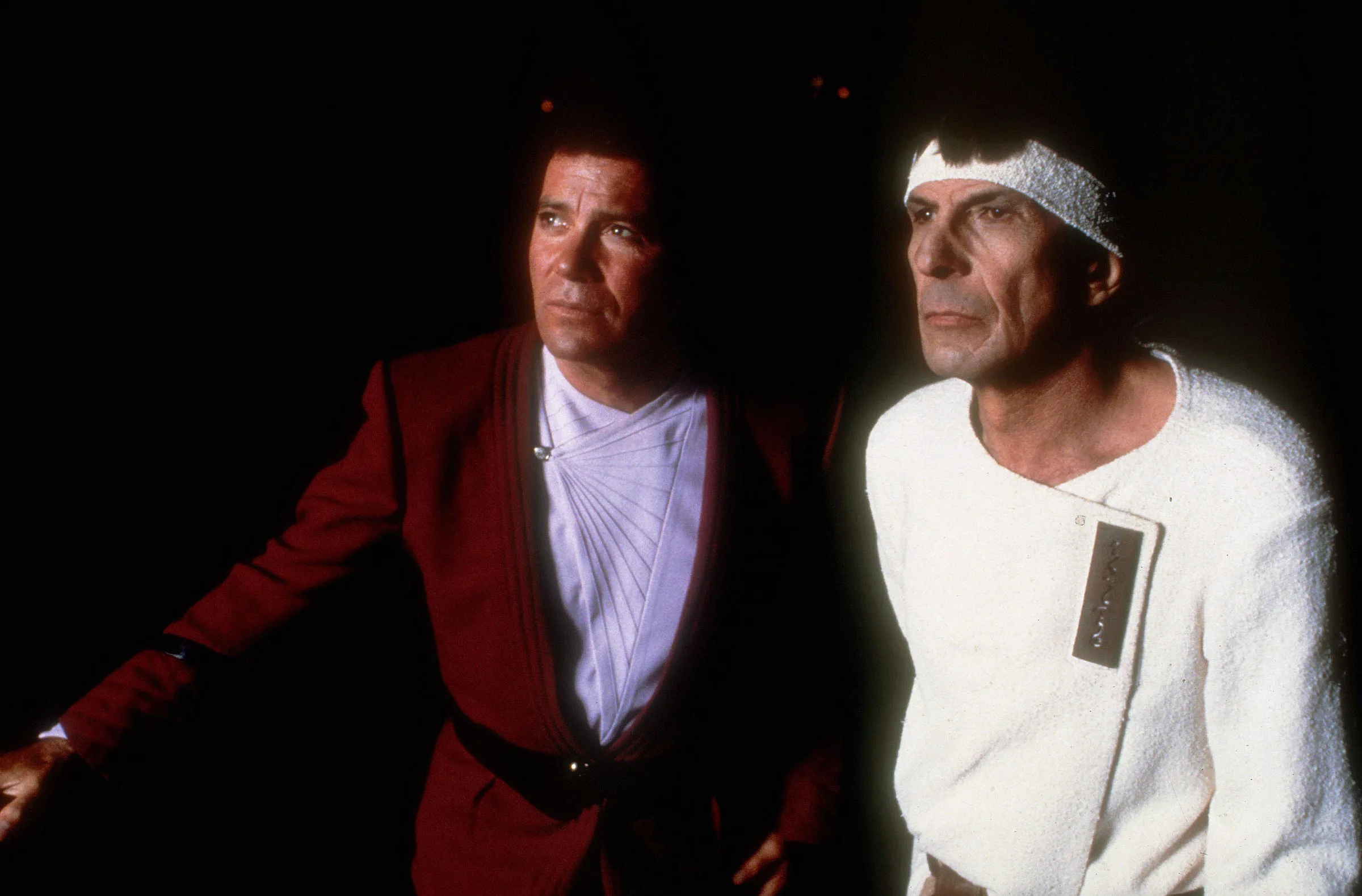
The third theatrical chapter, released in 1984 under the direction of star Leonard Nimoy, expanded deep Vulcan mythology in ways never before attempted on screen. The Search for Spock picked up immediately after the tragic events of the previous film, focusing on the crew risking their military careers to save their fallen officer. To provide emotional context, organizers paired this motion picture with the legendary 1967 television episode titled “Amok Time.”
Written by celebrated science fiction author Theodore Sturgeon, “Amok Time” introduced global audiences to the concept of Pon Farr. This psychological biological mating cycle forces Vulcans to return to their homeworld every seven years or risk fatal physical breakdown. In the 1984 feature film, a newly regenerated young body of Spock experiences this exact biological emergency on the forbidden Genesis Planet.
An interesting piece of dropped studio history involves actor Robin Curtis, who portrayed the Vulcan officer Saavik in the third film. Early drafts of the screenplay included a detailed subplot where Saavik helped young Spock navigate his biological ritual, leading to a pregnancy concept that was eventually cut from final edits of Star Trek IV. Despite being deleted from official theatrical cuts, dedicated fans still discuss the dramatic implications of this lost storyline today.
Vulcan Cultural Lore Milestones
- “Amok Time” established the iconic Vulcan greeting hand gesture and ceremonial combat bladed weapons.
- The Search for Spock revealed ancient Vulcan soul transfer rituals known as the Katra transfer.
- Both stories explore the deep emotional bonds between Captain Kirk, Spock, and Dr. Leonard McCoy.
Director Leonard Nimoy demonstrated incredible visual restraint behind the camera, balancing personal grief with epic space adventure across iconic galactic locations. Exploring the sacrifice of the original ship Enterprise in 1984 remains one of the most heartbreaking sequences in the entire franchise history. Viewing these high-stakes dramatic choices on a big screen reminds audiences why these characters endure across generations.
According to historical records on Wikipedia, the success of these early films paved the way for modern cinematic sci-fi storytelling structures. The deep friendship between Captain Kirk and Spock remains the emotional anchor of the entire narrative framework. Watching their loyalty tested across television broadcasts and feature films reinforces the timeless appeal of the franchise.
Box Office Data Breakdown
The fourth cinematic entry, The Voyage Home released in 1986, remains the most financially successful original-crew theatrical release in domestic box office history. Directed once again by Leonard Nimoy, the film adopted a lighthearted time-travel narrative where the crew journeys back to 1986 San Francisco to rescue humpback whales. Organizers paired this massive theatrical blockbuster with the tragic 1967 time-travel television episode written by Harlan Ellison, titled “The City on the Edge of Forever.”
While “The City on the Edge of Forever” delivers a devastating emotional tragedy regarding time manipulation, The Voyage Home presents a hilarious, upbeat adventure. Both screenplays feature comical moments where Spock attempts to conceal his distinctive Vulcan ears using modern human clothing, alongside Kirk struggling to comprehend 20th-century currency. The stark contrast between heartbreak and lighthearted humor shows the extraordinary narrative range of the writing team.
Below is a detailed box office and historical breakdown comparing the four classic motion pictures and their corresponding original series television episodes featured in this exclusive anniversary theatrical re-release event:
| Motion Picture Title | Release Year | Domestic Box Office | Paired Episode Title | Episode Air Year |
|---|---|---|---|---|
| The Motion Picture | 1979 | $82.2 Million | The Changeling | 1967 |
| The Wrath of Khan | 1982 | $78.9 Million | Space Seed | 1967 |
| The Search for Spock | 1984 | $76.5 Million | Amok Time | 1967 |
| The Voyage Home | 1986 | $109.7 Million | The City on the Edge of Forever | 1967 |
Analyzing these financial metrics reveals how consistently successful the theatrical franchise was throughout the late 20th century. Production budgets grew steadily alongside box office returns, cementing the brand as a reliable power on domestic theater screens. Retrospective box office analysis highlights the unique durability of sci-fi properties across differing economic decades.
Screenplay contributors for The Voyage Home included legendary writer Nicholas Meyer and producer Harve Bennett, who brought sharp comedic pacing to the 1986 story. The fish-out-of-water dynamic involving Captain Kirk attempting to sell antique reading glasses remains a fan-favorite comedic beats. This screening provides the perfect balance of humor and emotional depth for moviegoers of all generations.
Exclusive Merch and Final Thoughts
In addition to these rare double-feature film screenings, participating theaters are releasing limited-edition anniversary merchandise items for fans attending the events. AMC locations confirmed an exclusive collectible popcorn bucket sculpted in the detailed shape of the original classic USS Enterprise NCC-1701 starship model. Collectors are expected to queue early at box offices to secure these limited physical memorabilia items before stock sells out completely nationwide.
Theater concessions will also feature four distinct anniversary drink cups, each featuring a collectible mystery character cup topper. These four potential topper designs showcase classic fleet vessels including the original television Enterprise, the upgraded motion picture Enterprise, the USS Excelsior, and the iconic battle-tested USS Reliant. Industry insiders predict these physical collectibles will quickly become prized collector items on online auction markets following the event.
This historic 60th anniversary celebration provides an extraordinary opportunity for long-time fans and new viewers alike to reflect on six decades of visionary storytelling. By linking television history with iconic cinematic achievements, these screenings offer an unparalleled theatrical experience that celebrates human curiosity, hope, and galactic exploration.
Whether you are eager to rewatch the legendary rivalry between Kirk and Khan or laugh along with the time-travel antics of The Voyage Home, celebrating Star Trek in theaters this September promises an unforgettable cinematic event that will not happen again for years to come. Be sure to reserve your tickets early before screenings sell out nationwide.
More Like This
For more updates, check out our latest entertainment and sports news.