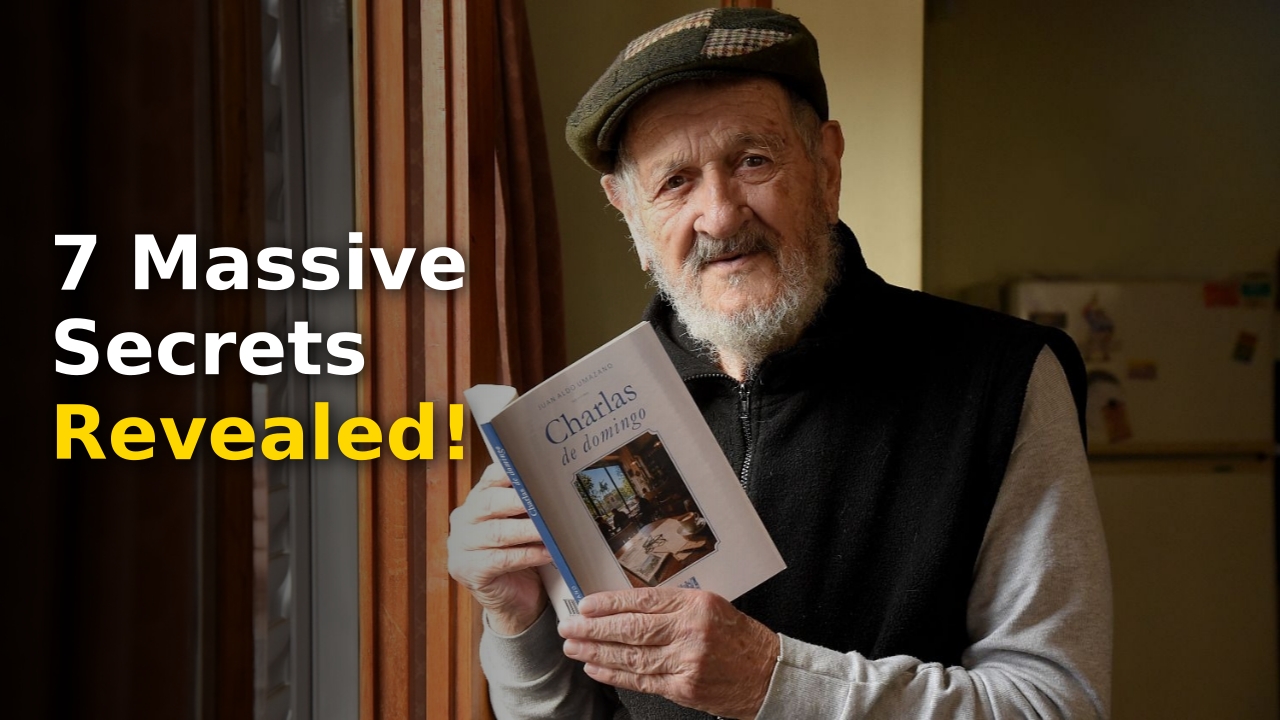
Have you ever wondered how a master storyteller turns decades of political hardship and street puppet theater into literary magic? Writer and master puppeteer Aldo Umazano has officially shaken up the South American literary landscape by publishing his long-awaited collection, “Charlas de domingo”. This release marks an extraordinary milestone for readers who crave raw, authentic regional stories.
At 83 years old, the revered artist has transformed decades of personal memories into an unforgettable prose anthology. Compiled from his iconic contributions to the cultural supplement Caldenia, this landmark book brings forgotten stories back to vibrant life.
If you love captivating cultural revivals, this massive literary release will completely redefine how you view Argentine regional folklore. Let’s dive deep into the fascinating world of one of Santa Rosa’s most brilliant creative minds.
Aldo Umazano Cultural Legacy Unveiled
For over five decades, Aldo Umazano has served as a central pillar of creative expression throughout the La Pampa region. His artistic trajectory was born not out of luxury, but out of sheer necessity and survival during dark political times. When state contracts evaporated and provincial opportunities vanished, he turned directly to puppet theater to feed his family.
Writing fresh puppet scripts for local birthday parties became his daily discipline. Because children returned year after year, he was forced to constantly reinvent his characters and storylines. This fast-paced environment honed his sharp dialogue skills and paved his path into professional theater.
Eventually, short stories and narrative prose captured his restless imagination. Transitioning from dramatic puppet plays to rich prose allowed him to explore complex local themes with incredible emotional nuance. His work naturally gravitated toward the beloved cultural supplement Caldenia, published by the prominent newspaper La Arena.
For years, local readers eagerly anticipated his Sunday columns. His ability to capture the authentic voice of everyday citizens created an immediate bond with the public. Encouraged by veteran journalist Walter Cazenave and family members, he finally compiled these precious historical gems into a single volume.
Published by the historic Amerindia printing press managed by Alicia Depetris and her children, “Charlas de domingo” represents a major victory for independent publishing. The physical books arrived in Santa Rosa to enormous fanfare among local scholars and art lovers.
Key Literary Themes
- Lo que la memoria me trajo: Deep personal reflection on forgotten historical events in central Argentina.
- Retratos: Moving homages to influential Pampean cultural figures who shaped regional identity.
- Relatos: Short fiction rooted in everyday struggles, rural humor, and local community life.
- Prose Revival: A distinct shift from live puppet performance to permanent printed storytelling.

Pampean Literature Key Milestones
Understanding this literary milestone requires examining the rich historical context of central Argentine literature. The region has produced incredible thinkers who dedicated their lives to defining “pampeanidad”—a deep cultural identity rooted in the vast plains. You can discover more about legendary creators through exclusive celebrity cultural commentary online today.
During the mid-20th century, local poets and writers built a vibrant artistic community that challenged national centralism. These visionary creators proved that regional voices possessed world-class artistic value.
The table below highlights key historical figures and cultural milestones that helped shape this remarkable movement alongside legendary artists.
| Cultural Icon | Primary Discipline | Key Contribution | Regional Impact |
|---|---|---|---|
| Aldo Umazano | Puppetry & Prose | Charlas de domingo | Pioneered regional theater and storytelling |
| Edgar Morisoli | Poetry | Pampean Epic Verse | Defined literary pampeanidad across Argentina |
| Juan Carlos Bustriazo Ortiz | Lyrical Poetry | Elegies & Ballads | Elevated rural oral traditions into fine literature |
| Gustavo Pérez Isa | Intellectual Host | Ameghino Cultural Salon | Fostered revolutionary artistic collaborations |
Bohemian Evenings In Santa Rosa
To truly understand the emotional core of this new book, you must step back into the legendary bohemian gatherings on Ameghino Street. Inside the home of Gustavo Pérez Isa—affectionately nicknamed “Gustavonte”—the greatest creative minds of the region gathered under one roof.
This iconic residence served as an unofficial cultural headquarters for over fifteen years. Young poets, passionate musicians, itinerant painters, and starry-eyed intellectuals shared meals, debated philosophy, and recited raw verse until sunrise.
Famous visiting literary giants like Luis Luchi frequently graced these informal artistic gatherings. The electric atmosphere forged lifelong bonds among creators who refused to let regional art be ignored by major metropolis publishers.
The author grew up alongside titan figures such as Edgar Morisoli and Juan Carlos Bustriazo Ortiz. These foundational friendships deeply influenced his world view and provided continuous inspiration for his written work.
In the “Retratos” section of his new compilation, he pays moving emotional homage to these fallen brothers of the pen. Key historic personalities like “Tucho” Rodríguez, Alfredo Olivo, “Tino” Calvo, Nilda Varcarcel, and María Elena Roveda receive tender written tributes.
Each profile captures not just public achievements, but private moments of generosity, laughter, and shared struggle. Readers gain rare intimate access to the human side of figures who built modern provincial culture.
His razor-sharp memory preserves delicate details that standard history books often completely overlook. Through his vivid descriptions, you can almost smell the woodsmoke and hear the acoustic guitars playing soft songs into the Pampean night.
The Power Of Regional Prose
The release of “Charlas de domingo” features 24 meticulously curated texts selected specifically to captivate modern readers. While several stories were previously unpublished, the majority earned acclaim through the weekly pages of Caldenia.
The collection is strategically structured into three distinct thematic modules that guide the reader through an unforgettable journey. Each section reveals a different side of the author’s rich creative temperament.
The emotional peak of the anthology undoubtedly rests within its portrait sketches. By capturing the essence of ordinary citizens alongside iconic artists, the book democratizes the region’s historical record.
The author firmly believes that every local community holds extraordinary stories waiting to be written. His life dream is that this publication inspires a whole new generation of young writers to embrace regional themes without shame or hesitation.
Rather than imitating foreign artistic trends, he encourages upcoming authors to look closely at their own neighbors, families, and street corners. Authentic universal art, he argues, always starts with fierce local truth.
The official book launch event took place in Santa Rosa to commemorate this literary triumph. Held inside the prestigious Sala Aldo Umazano at the Centro de Artes located on Leguizamón 1125, the event brought together prominent political, printing, and literary authorities.
Distinguished guests included book editor Ana Silvia Galán, leaders from Amerindia publishing house, key representatives from La Arena daily newspaper, and scores of enthusiastic local readers. The gathering felt less like a formal promotional ceremony and more like a massive family reunion celebrating decades of shared history.
Aldo Umazano Final Reflections
At 83 years old, master artist Aldo Umazano remains as deeply passionate about prose as he was when he first picked up puppet strings decades ago. His home office is overflowing with unseen manuscripts, plays, and memoirs that he works on daily with unyielding discipline.
He candidly revealed that his immense archives are being carefully prepared for his children and future generations. While his humility prevents him from boasting about his historic status, his lasting influence on Pampean identity is undeniable.
By reaffirming his love for narrative prose through the pages of Caldenia, he has left an indelible mark on Argentine literature. His journey proves that true artistic dedication easily transcends political oppression, financial hardship, and the physical passage of time.
Whether leading puppet troupes through rural squares or writing elegant Sunday essays, his core mission has never wavered. He remains a faithful witness to the spirit, dignity, and beauty of his beloved home province.
As readers turn the final pages of “Charlas de domingo”, they are reminded that great art belongs to those who dare to tell local stories with unconditional love. Aldo Umazano continues to stand tall as a brilliant beacon for regional storytelling across Latin America.
More Like This
For more updates, check out our latest entertainment and sports news.