{
“title”: “Government shutdown: 7 Massive Revelations From This Chaotic Senate Vote”,
“content”: “
Government shutdown fears have been effectively neutralized for the moment after a high-stakes early Saturday morning vote in the Senate. You are likely wondering how Congress managed to strike a deal so close to the midterm elections, and the answer involves a flurry of behind-the-scenes haggling, late-night concessions, and intense partisan drama.
With the federal funding clock ticking down toward an expiration date of Sept. 30, the Senate moved with rare urgency. By securing a 90-6 vote on the continuing resolution, leadership aimed to prevent the type of economic paralysis that plagued the nation during the grueling 43-day shutdown earlier this year. This legislative maneuver ensures that federal agencies keep their lights on until Dec. 11.
The Government shutdown Strategy Explained
Why did the Senate feel such immense pressure to act now? You can thank the looming midterm elections, which sit less than three months away on the calendar. Lawmakers from both sides of the aisle were terrified of being blamed by voters for another chaotic closure of federal departments, especially after the Department of Homeland Security’s recent operational struggles.
Senator Shelley Moore Capito emphasized the necessity of removing this “harbinger of a possible government shutdown” from the campaign narrative. For the average American, this means critical services, national park access, and federal grant distributions remain uninterrupted, at least for the next few months. It is a classic move to provide stability in a landscape defined by volatility.
However, the journey to this agreement was far from smooth. Republicans spent days embroiled in internal squabbles regarding the White House’s controversial provision to delay a ban on hemp-derived THC products. Critics, like Senator Ted Budd, argued that these products—often masquerading as harmless treats—are contributing to a 461-percent increase in pediatric cannabis poisonings.
Conversely, supporters of the delay, including Senator Rand Paul, argued that these compounds provide essential relief for veterans and others living with chronic pain. This clash highlights the tension between public safety concerns and the growing industry interests that have found a foothold in states like Kentucky and Montana.
Key Legislative Hurdles
- Hemp Regulation: A massive debate over whether to delay the ban on delta-8 and similar synthetic intoxicants.
- Executive Power: Significant pushback against the Office of Management and Budget’s attempt to tighten control over federal grants.
- Election Security: Persistent GOP demands for photo ID requirements that were eventually navigated to ensure the bill’s passage.
- Sports Legislation: The temporary shelving of the Protect College Sports Act to appease Senate Commerce Committee leadership.
Data and Voting Patterns
The following table illustrates the breakdown of the legislative chaos that occurred leading up to the final passage of the funding bill. Understanding these figures is essential for grasping the political landscape of 2026.
| Category | Detail |
|---|---|
| Final Vote Count | 90-6 |
| Funding Expiration | Dec. 11 |
| Key Opposition | Paul, Sanders, Warren, Markey, Kaine, Cassidy |
| Primary Conflict | Hemp provision and OMB rulemaking |
As you can see, the opposition was ideologically diverse, ranging from fiscal conservatives like Rand Paul to progressives like Bernie Sanders. Each senator had unique motivations for their dissent, reflecting the complex nature of federal budget negotiations. You can dive deeper into the historical context of these political maneuvers by checking out the latest analysis on political influence and how it shapes your daily life.
The inclusion of a provision by Susan Collins and other members of the Appropriations Committee to block the White House budget office from asserting more authority over grants was a tactical win for congressional oversight. It demonstrates that while the bill focuses on funding, it also serves as a battleground for institutional power between the Executive and Legislative branches.
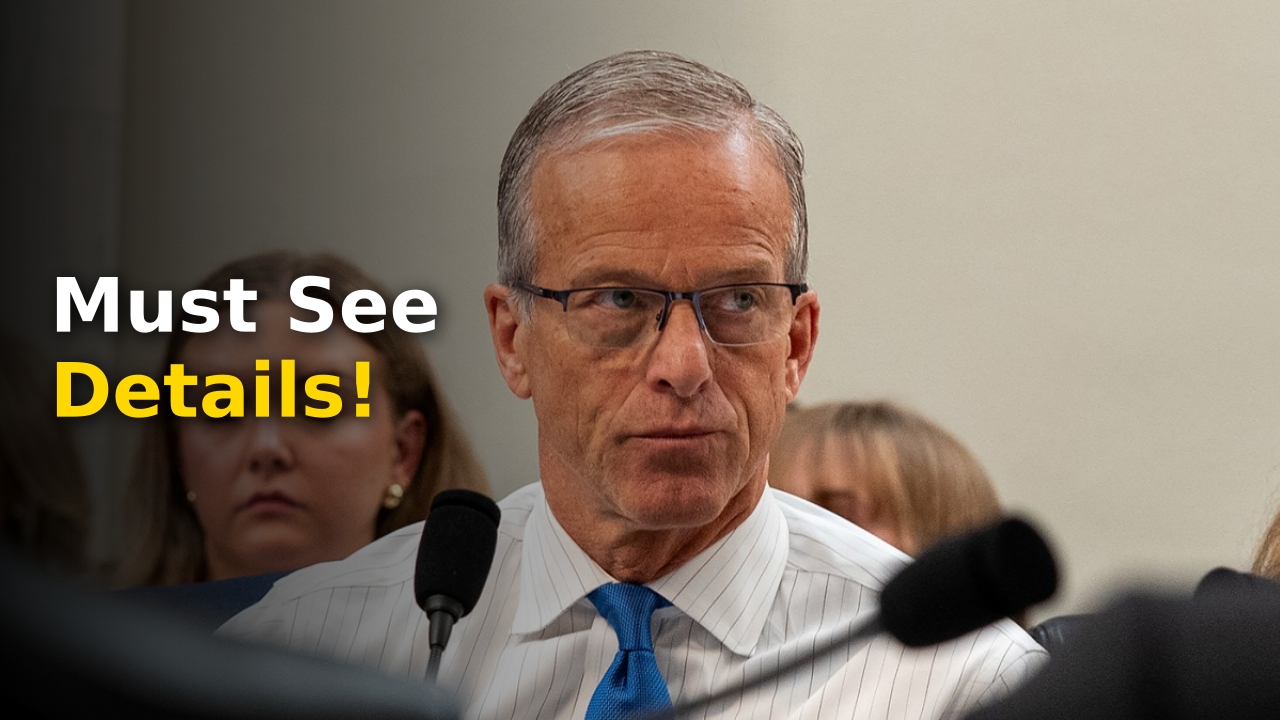
For those tracking the careers of influential leaders, keep an eye on how John Thune manages the House reaction. His promise to utilize budget reconciliation if regular order failed shows a willingness to play hardball to avoid a government shutdown. The Reuters reporting on these congressional shifts emphasizes that even bipartisan victories are rarely simple.

The Road Ahead for Congress
Now that the measure heads to the House, the focus shifts to how fiscal conservatives will react to the lack of significant spending cuts. The House of Representatives is scheduled to return on Aug. 31, and they will likely face immense pressure to pass the bill before the current funding expires at the end of September.
If you are watching the midterms closely, remember that every legislative action taken right now is colored by the upcoming polls. The bipartisan desire to put the issue of funding “off the table” is a clear indication that both parties want to avoid the negative optics associated with government instability during the home stretch of the campaign season.
The drama surrounding the Protect College Sports Act serves as a reminder that senators are juggling myriad priorities while trying to keep the government functioning. Ted Cruz and Maria Cantwell had to pause their work on collegiate compensation rules to allow the funding bill to move forward, highlighting the trade-offs required in a high-pressure environment.
While this stopgap measure solves the immediate problem, it does not fix the underlying structural issues regarding how the government manages its annual budget. The frequent reliance on short-term resolutions suggests that Congress remains stuck in a cycle of reactive governance rather than long-term strategic planning. As you engage with the political process, understanding these patterns is key to navigating the noise.
Summary of Political Maneuvers
In this high-stakes environment, the government shutdown was avoided by a hair’s breadth thanks to a coalition of pragmatists who realized that voters have little patience for legislative gridlock. By prioritizing the passage of this funding bill, Senate leadership has effectively bought themselves time to focus on the midterms, while also highlighting the deep divisions that continue to exist within the Republican and Democratic ranks.
Ultimately, this agreement demonstrates the delicate balancing act required to keep the wheels of government turning in a polarized nation. Whether this calm persists until December remains to be seen, but for now, the threat of immediate closure is gone.
“,
“parent_category”: “Politics”,
“sub_categories”: [“National News”, “US Congress”, “Government Policy”],
“focus_keyword”: “government shutdown”,
“slug”: “government-shutdown-senate-vote-analysis”,
“tags”: [“Senate funding bill 2026”, “US Midterm elections 2026”, “John Thune politics”, “Hemp-derived THC regulation”, “Federal grant authority”, “Ted Cruz legislation”, “Susan Collins Appropriations”, “US Government operations”, “Congressional budget process”, “Political stability 2026”, “Rand Paul Senate vote”, “US Budget news”, “Midterm election strategy”, “Congressional recess 2026”, “Federal funding extension”],
“seo_description”: “government shutdown fears subside as the Senate passes a stopgap funding bill until December. Discover the 7 key revelations from the chaotic vote.”,
“thumbnail_text”: “Shocking Senate Chaos Revealed!”,
“body_image_alt_tags”: [“US Senate voting on government shutdown funding bill in 2026”, “Congressional leaders debating federal spending and government shutdown prevention”]
}
More Like This
For more updates, check out our latest entertainment and sports news.