Key Takeaways
| Adaptations often prioritize visual pacing over the intricate subplots found in original mystery novels. |
| Denzel Washington’s role in Devil in a Blue Dress redefined the mid-century noir detective archetype. |
| Streaming services like Netflix and Hulu are aggressively greenlighting young adult and publishing-industry thrillers. |
| Cultural authenticity remains a significant tension point between authors and Hollywood screenwriters. |
The transition of modern mystery novels film adaptations from the written page to the screen is a high-stakes evolution that defines current streaming trends. You might wonder why some adaptations feel like a faithful mirror of the source material while others drift into generic action territory. Whether it is the kinetic energy of a Japanese train or the quiet intensity of a Los Angeles detective, the adaptation process serves as a cultural filter for the original narrative.
As audiences increasingly demand complex storytelling, the mechanics of how studios translate suspense remains a point of intense industry debate. This deep dive explores the shift from text to television and film, revealing why some stories resonate while others fail to capture the magic of the prose.
Understanding Modern Mystery Novels Film Adaptations Dynamics
The core of any successful mystery lies in the tension between the protagonist and their environment. When modern mystery novels film adaptations reach the screen, producers must decide which subplots survive the edit. Kōtarō Isaka’s Bullet Train illustrates this perfectly. While the book excels in psychological depth and sharp, dark humor, the 2022 film adaptation shifted the focus to high-octane spectacle. This change often divorces the film from the author’s original voice, leading to a divide in audience perception.
The removal of specific narrative threads is not always a negative, though it frequently sparks controversy among loyal fans. By stripping away dense character backstories, screenwriters aim to capture a broader mainstream demographic. This often involves replacing internal monologues with visual storytelling cues, which can either enhance the atmosphere or dilute the mystery’s emotional core. 
Hollywood’s approach to these adaptations is rarely uniform. Some projects prioritize an ensemble cast to maximize global appeal, while others focus on character-driven narratives that define specific eras. The challenge remains maintaining the ‘hook’ that made the original work a bestseller in the first place.
The Role of Casting in Mystery Success
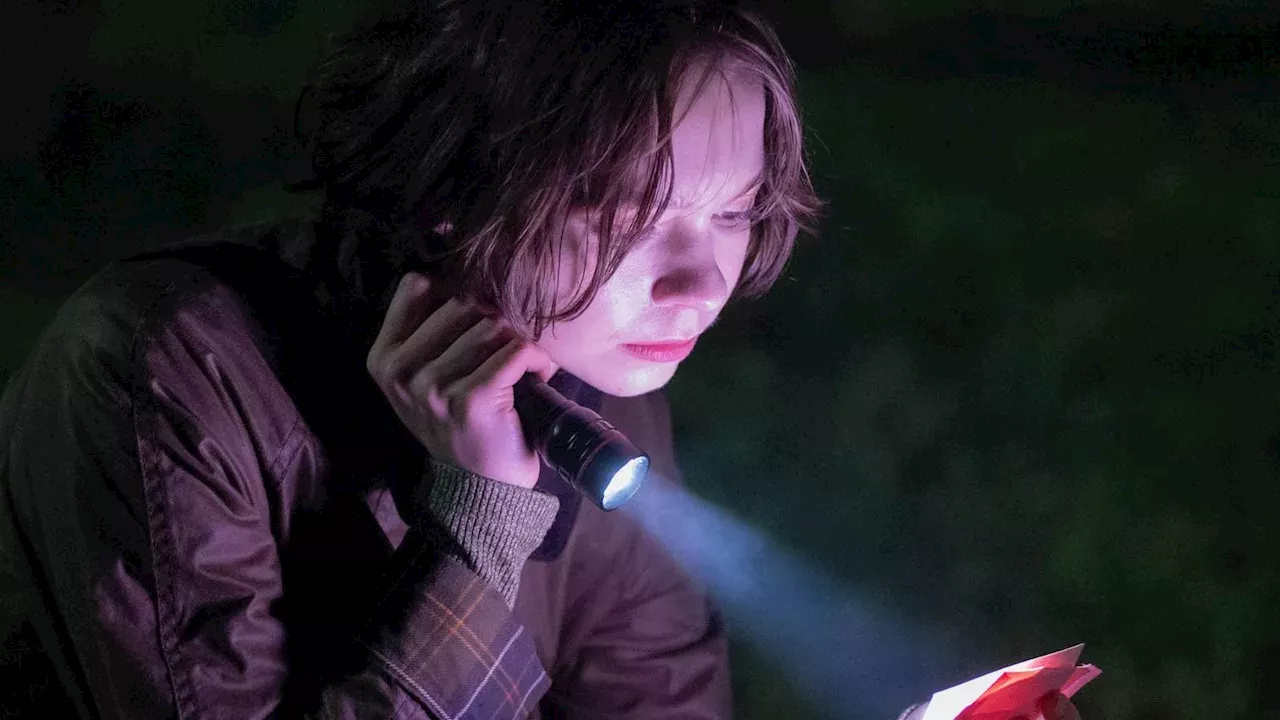
- Authentic Portrayal: Casting choices, such as Emma Myers in the adaptation of Holly Jackson’s work, can ground a story in emotional reality.
- Visual Cues: Directors utilize lighting and set design to mimic the claustrophobic feeling of a mystery novel.
- Modern Perspectives: Incorporating diverse voices in stories like The Other Black Girl adds necessary social commentary to the suspense genre.
Comparative Analysis of Popular Mystery Media
Translating prose into a visual medium involves a complex set of trade-offs. The following table highlights the distinct shifts between literary origins and their subsequent cinematic or streaming releases, showing how producers balance fidelity with industry expectations.
| Title | Original Medium | Adaptation Style |
|---|---|---|
| Bullet Train | Novel | Action-Thriller |
| Devil in a Blue Dress | Novel | Noir Drama |
| The Other Black Girl | Novel | Satirical Mystery |
Expert Take: The Evolution of Noir and Mystery
Historically, noir literature served as a window into the urban condition. When Walter Mosley introduced Easy Rawlins, he did not just write a detective story; he mapped the racial tensions of mid-century Los Angeles with unmatched precision. The 1995 film adaptation succeeded because it respected this geographical and historical context. Unlike modern thriller adaptations that prioritize global mobility, the strength of the Rawlins series lies in its deep roots within a specific place and time.
Data suggests that audiences gravitate toward adaptations that retain this specific sense of place. When a studio attempts to ‘universalize’ a narrative, they often lose the gritty, authentic components that turned the book into an award-winning title.  For more on how media shapes public perception, check out IMDb’s database of literary adaptations to track the critical reception of these transformations.
The industry is moving toward smaller, more targeted series that allow for more screen time for character development. This is a departure from the mid-2000s trend of compressing entire mystery novels into two-hour feature films. As Bright Celebrity frequently reports, the shift to limited series on platforms like Netflix is proving to be a winning strategy for genre fiction.
People Also Ask
Why do film adaptations remove subplots from mystery novels?
Adaptations remove subplots primarily to maintain pacing and meet standard theatrical or episode time constraints. By condensing narratives, filmmakers focus on the core mystery to ensure the audience remains engaged without feeling overwhelmed by complex, minor character arcs.
How does casting affect the success of a mystery adaptation?
Casting is critical as it bridges the gap between the reader’s internal imagination and the visual reality on screen. A strong lead performance, like those seen in recent Hulu and Netflix productions, can validate the character’s moral complexity and draw in a wider, non-book-reading audience.
Is the mystery genre still trending on major streaming platforms?
Yes, the mystery genre remains highly popular due to its natural capacity for binge-watching and engagement. Platforms continue to invest in adaptations of YA and corporate thrillers because they provide a reliable, built-in audience of book fans and suspense lovers.
What defines a modern mystery narrative today?
Modern mystery narratives often incorporate contemporary social themes, such as professional competition in the corporate world or the challenges of small-town justice. These stories go beyond simple “whodunnit” tropes to explore deeper societal issues.
Future of Page-to-Screen Thrillers
As the landscape of entertainment changes, so too will the way we consume mystery. We are seeing a move toward more interactive storytelling where the audience engages with the investigation. The demand for modern mystery novels film adaptations suggests that the hunger for high-stakes, intelligent suspense is stronger than ever. Writers and filmmakers alike continue to refine the art of translation, proving that while the medium changes, the core desire to solve a mystery remains a universal human pursuit.
More Like This
For more updates, check out our latest entertainment and sports news.