Key Takeaways
| Groundbreaking Adaptation: Dramatist Teresa Donato brings Ana María Massochi’s harrowing survival narrative to the stage. |
| Solo Tour de Force: Acclaimed actor Dennis Smith portrays multiple perspectives in the raw one-person production. |
| Literary Foundations: Sourced from over 1,500 pages of confidential testimony collected across four years. |
| Moral Complexity: Strips away traditional melodrama to confront the raw, uncomfortable gray zones of survival. |
| Upcoming Schedule: Free performance at Teatro Argentino de La Plata followed by an official Buenos Aires run. |
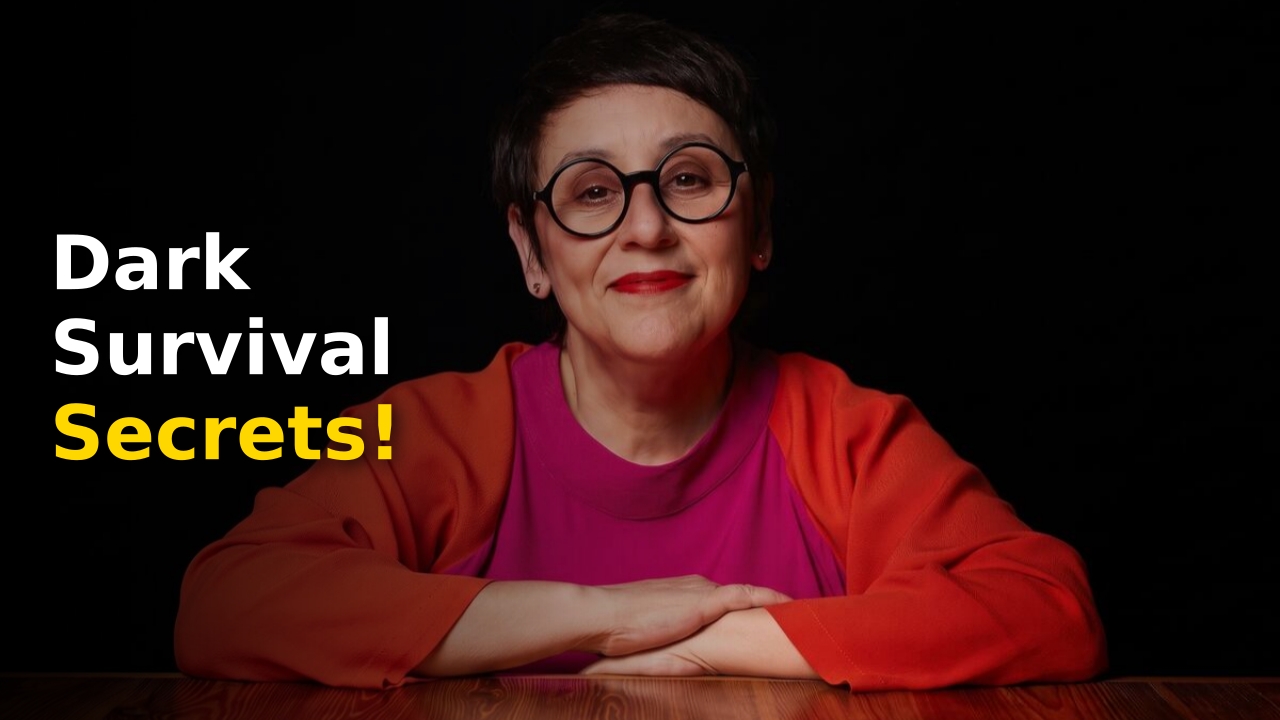
You probably think you know the exact limits of human endurance under state terror, but the Teresa Donato play completely shatters conventional historical narratives. When former guerrilla operative Ana María Massochi chose to break four decades of calculated silence, she bypassed political organizations entirely to place her confessions in the hands of journalist and screenwriter Teresa Donato. The startling outcome is a blistering one-person theatrical production that interrogates survival, moral ambiguity, and the psychological cost of living through an extermination center.
Staged under the title Mi vida anterior (My Previous Life) and adapted from the groundbreaking book Desaparecida dos veces, the project redefines Argentine memory culture. Rather than offering comfort or political slogans, the piece forces audiences to confront the deeply uncomfortable mechanisms that allowed a young mother to escape death during one of Latin America’s darkest eras.
As audiences flock to international venues and metropolitan showcases, critical coverage on Bright Celebrity theater coverage highlights how this boundary-pushing production bridges investigative reporting and devastating physical drama.
Teresa Donato Play Examines Dark Survival Realities
The genesis of this theatrical masterpiece did not begin in a rehearsal studio or an institutional archive. In December 2018, Donato met Massochi in São Paulo, Brazil, where the former Montonera officer had built an elite reputation as a prominent culinary entrepreneur. For four years, Donato listened without taking formal notes, honoring an unspoken contract of confidence between two close friends sharing intimate dinners.
Massochi carried a secret that not even her closest Brazilian confidants knew. The silence began unraveling only after Massochi’s adult son made a heartfelt request: he needed to understand the trauma his mother endured during Argentina’s military dictatorship, yet acknowledged he lacked the emotional stamina to hear the harrowing memories in person.
“Write a book, Mom,” her son urged. Massochi approached Donato with an ultimatum: either Donato documented the journey, or the testimony would die in complete obscurity. That emotional mandate led to two and a half years of recorded interviews, yielding an astonishing 1,500 pages of raw, unvarnished transcripts.

From Massive Transcripts to Solo Stage Power
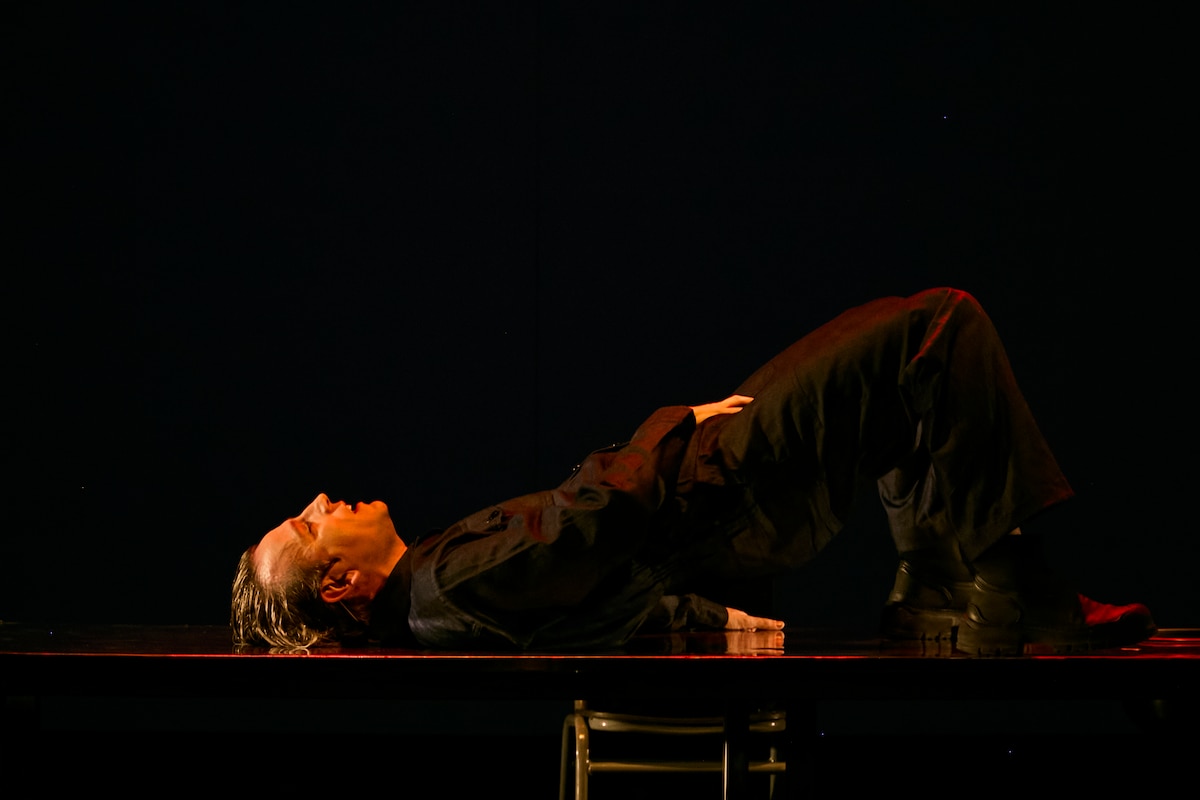
When theatrical collaborator Dennis Smith joined the creative journey, the vision shifted from an extensive historical archive to an explosive chamber play. Smith and Donato co-authored the script through an intense, collaborative editing process, color-coding revisions line by line to preserve the narrative’s delicate truth.
- Radical Vulnerability: Smith chose to play all roles, including Massochi, her son, and her captor.
- Ego Suppression: The staging intentionally strips away virtuosity to ensure the historical figure remains front and center.
- Visceral Authenticity: Initial read-throughs moved both co-writers to tears, validating the urgent need to bring the script to the public.
Explore more background on historical performance art through Bright Celebrity cultural spotlights as bold storytellers address suppressed wartime testimony across global stages.
Production Timeline and Critical Performance Data
Transforming complex historical trauma into a commercially viable, deeply respectful stage play requires strict artistic discipline. Below is a structural breakdown tracking the core creative milestones that brought this true-life account to life.
| Creative Phase | Primary Participants | Output Milestone | Key Audience Impact |
|---|---|---|---|
| Oral Archive (2018–2022) | Teresa Donato, Ana María Massochi | 1,500 transcript pages | Established baseline trust |
| Literary Realization | Teresa Donato | Desaparecida dos veces | Published biographical chronicle |
| Theatrical Co-Writing | Teresa Donato, Dennis Smith | Stage Script: Mi vida anterior | Condensed 1,500 pages into a unified solo performance |
| Premiere Showcase | Dennis Smith (Cast & Co-Director) | Teatro Dumont 4040 & Argentino de La Plata | Over 600 verified audience testimonials on Alternativa Teatral |
Expert Take: Dismantling the Myth of Pristine Martyrdom
Scholars examining state violence frequently point out how difficult it is for survivors to speak publicly without facing judgment. As documented by human rights archives like the National Commission on the Disappearance of Persons, clandestine torture centers were engineered precisely to obliterate autonomy. Survivors who escaped were often unfairly branded with suspicion by former comrades who demanded immaculate martyrdom.
By deliberately showcasing Massochi’s internal contradictions, the play tackles this unfair stigma head-on. Donato avoids simple political talking points. Instead, she shows that when survival depends on microscopic compromises, imposing neat moral frameworks is both historically irresponsible and emotionally dishonest.
The Gray Zones of Captivity and Survival
What sets the Teresa Donato play apart from traditional docudramas is its willingness to linger in what Italian philosopher Primo Levi famously defined as the gray zone. Massochi spent roughly eight months held captive inside a subterranean pit. She suffered horrific torture and sexual abuse at the hands of state agents.
In one of the play’s most emotionally challenging moments, the protagonist explains the complicated reality of being taken out of that dark pit by her abuser. She noted that suffering abuse at least offered the brief relief of a warm shower. The text directly asks audiences how anyone who hasn’t lived through that kind of systematic horror can presume to judge the actions taken to survive it.
Confronting Personal Inadequacy in the Audience
Donato explicitly stated that the work does not position Massochi as an unblemished heroine, nor does it cast her as a collaborator. The production intentionally denies viewers easy moral high ground, forcing them to ask what they would do if pushed to the absolute edge of existence.
That raw honesty sparked profound reactions during early previews. Massochi attended a staged reading alongside forty close relatives and friends who had never heard the full extent of her ordeal. The emotional reckoning moved spectators to tears, prompting many to visit the Remembrance Park in Buenos Aires the following morning to pay tribute to fallen peers whose names are permanently engraved along the Río de la Plata.
For additional reporting on biographical stage debuts, visit Bright Celebrity theater guides tracking modern dramatic premieres.
Expanding Frontiers: Donato’s Expanding Theatrical Repertoire
Donato’s emergence as a significant voice in contemporary Argentine theater continues to gain momentum. Following the success of this survival drama, she teamed up with playwright Carolina Fernández on an intense biodrama titled Puta madre.
That companion project tackles a different modern crisis: the emotional turmoil of a mother navigating the judicial and emotional fallout of her son’s narcotics conviction. Featuring live stage work alongside pre-recorded testimony from an active correctional facility, the piece reinforces Donato’s dedication to documentary storytelling that refuses to sanitize difficult social realities.
People Also Ask
What is the true story behind the Teresa Donato play?
The production is based on the life of Ana María Massochi, a former Montonera militant who survived clandestine detention and sexual abuse during the Argentine military dictatorship before escaping to São Paulo.
Who stars in the Teresa Donato play Mi vida anterior?
Actor and singer Dennis Smith stars in the solo show, portraying multiple roles including the survivor, her son, and historical figures involved in her captivity.
Where can you watch the Teresa Donato play in 2026?
The production stages special performances at Teatro Argentino de La Plata alongside regular seasonal Sunday showings at Teatro Dumont 4040 in Buenos Aires.
What book inspired the play Mi vida anterior?
The theatrical show originates from the biographical book Desaparecida dos veces, authored by Teresa Donato following four years of comprehensive private interviews with Massochi.
Why This Unflinching Production Resonates Today
Ultimately, the enduring impact of the Teresa Donato play lies in its quiet refusal to offer simple moral clarity. By resisting heroic cliches, the show treats audiences like adults capable of sitting with grief, human frailty, and unresolved trauma. In a cultural climate that often reduces nuanced history to simple slogans, Donato and Smith offer a vital reminder: survival is messy, complicated, and fundamentally human.
More Like This
For more updates, check out our latest entertainment and sports news.