Key Takeaways
| Philosophical Combat | Players can theoretically beat the entire game using a basic childhood wooden sword, reflecting true Kung Fu mastery. |
| Massive Arsenal | Over 30 distinct weapons are available, each serving as a mechanical “key” to unlock specific enemy defenses. |
| Genre Innovation | S-Game defines the game as “Kung Fu Punk,” blending traditional Chinese wuxia with steampunk technology. |
| Dynamic AI Behavior | Higher difficulty settings do not simply inflate health bars but completely rewrite enemy behavior trees and attack patterns. |
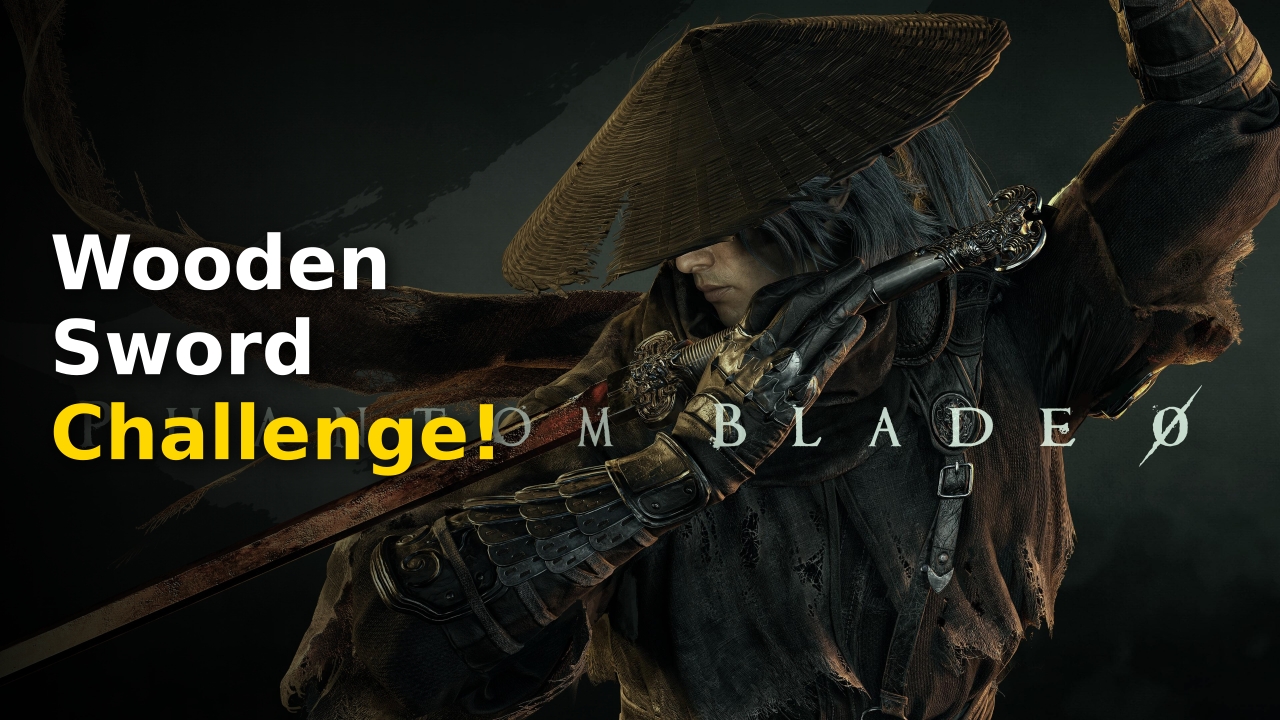
You can actually conquer a multi-million-dollar dark fantasy epic using nothing but a fragile wooden toy. As players prepare for the upcoming release of S-Game’s highly anticipated action-RPG, newly revealed details about Phantom Blade Zero Gameplay indicate that players can conquer the entire game using only a childhood wooden sword. This design choice highlights a deep commitment to traditional martial arts philosophy, where a true master transcends the quality of their instrument. The game promises to blend historical discipline with high-octane mechanical depth, establishing itself as a premier title for modern gaming platforms.
Director Soulframe Liang has spent over two decades crafting this rich universe, which began as a student project before evolving into a massive AAA console venture. By merging traditional wuxia elements with mechanical steampunk aesthetics, S-Game has carved out a unique subgenre they proudly call “Kung Fu Punk.” This stylistic framework shapes every encounter, weapon animation, and environmental asset. You are not just playing a typical action title; you are stepping into a cohesive, culturally rich world designed to challenge your reflexes and strategic thinking.
As the gaming landscape prepares for this release, enthusiasts are looking closely at how S-Game balances accessibility with brutal mechanical depth. The development team has confirmed specialized integrations for cutting-edge hardware, ensuring breathtaking visual fidelity. Our comprehensive exploration of the game’s systems reveals how this ambitious project plans to redefine fast-paced swordplay on a global scale.
Phantom Blade Zero Gameplay and Weapons
The combat loop of S-Game’s masterpiece revolves around an expansive arsenal containing 30 meticulously crafted weapons. Each weapon offers completely distinct movement sets, animation frames, and tactical applications. Rather than forcing players to constantly cycle through gear to match arbitrary level requirements, the development philosophy emphasizes player freedom and mechanical mastery. If you fall in love with a specific blade, you can carry it from the opening sequence straight through to the final boss.
For those seeking the ultimate challenge, the game features a basic wooden sword modeled after a child’s toy. This weapon serves as a mechanical representation of traditional Chinese martial arts philosophy, which dictates that absolute mastery renders steel obsolete. In the hands of an elite player, a simple piece of wood becomes just as lethal as a legendary masterwork blade. This inclusion highlights S-Game’s dedication to rewarding pure player skill over stat-heavy gear grinding.

The Mechanics of Drunken Blades
Among the highly creative armaments featured in the game are the specialized Drunken Blades. This weapon class introduces a unique risk-reward loop that changes player positioning and timing. By consuming alcohol mid-combat, your character enters a dynamic “drunken” state that unlocks chaotic, unpredictable swinging motions. These swords fly across the battlefield in erratic arcs, catching defensive enemies off-guard and increasing total damage output as your intoxication levels rise.
This mechanic showcases how S-Game translates cinematic flair into interactive gaming mechanics. The unpredictable movement of the Drunken Blades requires players to adapt to shifting parry windows and sudden momentum changes. This style of play offers a stark contrast to the precise, measured strikes of the standard katana options. It highlights the developers’ desire to keep combat feeling fresh, highly experimental, and mechanically diverse.
The Lock and Key Design Philosophy
To keep encounters engaging, the developers utilize a design philosophy that treats weapons as conceptual keys to specific defensive locks. For example, encountering a heavily shielded vanguard enemy presents a physical barrier that resists standard slashing attacks. Equipping a massive, slow-swinging battleaxe allows you to shatter the shield instantly and expose the vulnerable foe underneath. This system encourages active experimentation without making specific gear choices strictly mandatory.
Importantly, players are never forced into a single playstyle to progress past difficult roadblocks. If you choose to stick with fast dual daggers, you can still bypass shields through precise parrying, perfect dodging, or exploiting environmental hazards. This balance ensures that mechanical intelligence always triumphs over rigid puzzle-solving. The game empowers you to find creative, personalized solutions to every defensive obstacle you encounter.
Weapon Scaling and Combat Stats
S-Game has built a balance system designed exclusively for a single-player environment. Without the restrictive balancing requirements of competitive player-versus-player modes, the designers were free to make weapons feel exceptionally powerful and distinct. The following table highlights the operational characteristics and design intentions behind several key weapon classes featured in the initial previews.
| Weapon Class | Combat Style | Shield-Break Capability | Mechanical Complexity |
|---|---|---|---|
| Standard Katana | Balanced Slashing & Parrying | Moderate | Low |
| Heavy Battleaxe | Slow, High-Impact Striking | Very High | Medium |
| Drunken Blades | Erratic, High-Risk Momentum | Low | High |
| Dual Daggers | Ultra-Fast Combo Chains | Low | Medium |
| Wooden Toy Sword | Minimalist Challenge Run Focus | None | Extreme |
To help readers stay informed on broader trends in the gaming landscape, we recommend checking out our comprehensive entertainment news portal for updates on upcoming releases. By looking at these baseline attributes, you can begin to conceptualize your ideal build long before the game launches. The development team has spent years refining the start-and-stop frame data for each of these options. This meticulous approach guarantees that transitioning from a massive heavy axe to rapid dual daggers feels incredibly smooth and physically convincing.
Furthermore, the physical interactions between these weapons and enemy armor sets utilize a complex system of collision detection. Parrying an incoming strike with a lighter weapon requires precise frame-perfect timing, whereas using a heavier weapon offers a wider defensive window at the cost of recovery speed. This design philosophy places a strong emphasis on player agency, encouraging you to master the physics of each unique weapon class.
Origins of the Kung Fu Punk Aesthetic
The term “Kung Fu Punk” represents a bold artistic fusion of historical Chinese tradition and futuristic mechanical fantasy. Director Soulframe Liang began developing this original intellectual property over 20 years ago during his time as a college student. The world is built on a dark fantasy foundation where traditional Chinese martial arts exist alongside complex, clockwork-driven technology. This artistic direction creates a unique atmosphere that separates the title from standard fantasy or science fiction releases.
Rather than relying on classic Western fantasy tropes like dragons, elves, or typical undead forces, the game features a grounded yet eerie universe. Players will navigate through beautifully rendered Chinese landscapes dotted with towering mechanical structures, hollowed-out stone statues, and mystical guiding bells connected by crimson strings. This aesthetic direction ensures that the cultural representation remains authentic while introducing highly creative modern elements that appeal to a global audience.

Translating Cinema to Real-Time Gameplay
To capture the kinetic energy of classic martial arts cinema, S-Game established a specialized in-house animation team. This group acts as a bridge, translating spectacular movie choreography into highly responsive, real-time gaming mechanics. The team analyzed classic films and worked alongside top-tier action directors to study dynamic body mechanics and weapon flow. Their goal was to make the character’s movement look incredibly realistic while keeping input latency to an absolute minimum.
Translating these cinematic sequences required breaking down continuous movie choreography into distinct, cancelable animation frames. When you execute a rapid combination of strikes, the game dynamically calculates your momentum, character height, and target distance. This ensures smooth, logical transitions between attacks, dodges, and parries. The resulting combat system offers the highly polished aesthetic of a choreographed film while keeping you in complete control of every step.
Leveraging Regional Development Resources
The transition from developing mobile titles to crafting a high-budget, three-dimensional AAA console game using Unreal Engine 5 presented significant hurdles for S-Game. Historically, the Chinese domestic market lacked experienced console developers capable of managing projects on this scale. To overcome this obstacle, Liang tapped into China’s vast network of specialized outsourcing studios. These creative groups have spent decades assisting Western and Japanese developers with high-end 3D modeling, environmental design, and animation work.
By utilizing these highly skilled regional resources, S-Game assembled a robust production pipeline capable of delivering elite visual quality. This collaborative effort allowed the studio to recruit passionate young developers straight out of school, putting them in charge of major elements like opening sequences and final boss encounters. This combination of industry-veteran technical support and youthful, creative energy forms the operational core of S-Game’s ambitious development journey.
Difficulty Settings and Post-Game Challenges
Unlike many modern action-RPGs that enforce a single, uncompromising difficulty level, this game offers multiple settings to accommodate different player styles. The developers wanted to ensure that players attracted to the gorgeous Kung Fu aesthetic and cinematic storytelling could enjoy the experience without hitting frustrating walls. S-Game recognized that many players in their domestic Chinese market are transitioning from mobile gaming and may not have extensive experience with highly demanding console action titles.
For experienced genre fans seeking a brutal test of skill, the game features highly demanding gameplay settings, including the specialized “66 Days” mode. This punishing endgame option limits your total retries across the entire campaign to exactly 66 runs, injecting intense pressure into every encounter. To learn more about how developer teams balance high-end difficulty with user accessibility, feel free to explore our detailed celebrity profile coverage for insights into creative leadership in the tech sector.
On higher difficulties like “Hellwalker,” the challenge escalates through advanced enemy AI rather than simple stat inflation. Enemies become far more aggressive, utilizing entirely new combat techniques and complex behavior trees. For instance, the formidable Flower Bride boss alters her strategy on Hellwalker difficulty, transforming her single projectile attack into a multi-directional barrage that requires completely different evasion tactics. This focus on mechanical depth ensures that high-difficulty runs feel fresh, highly strategic, and genuinely rewarding.
New Game Plus and End-Game Weapon Viability
The progression system is designed to avoid locking critical narrative content or PlayStation achievements behind high-difficulty completions. Players can earn a platinum trophy on any difficulty setting, provided they spend enough time thoroughly exploring the world and mastering the core systems. New Game Plus is structured to offer new combat experiences rather than forcing repetitive stat progression.
During a standard playthrough, players will acquire highly powerful weapons from late-game bosses. Under normal circumstances, these ultimate weapons serve as simple collectibles because players have few opportunities to use them before the credits roll. In New Game Plus, you can bring these late-game weapons into early-game zones. This allows you to test advanced mechanics against early-game bosses, creating incredibly satisfying combat scenarios and encouraging high replayability.
People Also Ask
What is the combat style of Phantom Blade Zero Gameplay?
The combat is a fast-paced blend of traditional martial arts choreography and action-RPG mechanics, featuring 30 distinct weapons. It balances lightning-fast combo chains with defensive parrying, dynamic shield-breaking axes, and high-risk options like the Drunken Blades.
Who is the director of Phantom Blade Zero?
The game is directed by Soulframe Liang, the founder and CEO of S-Game. Liang has been conceptualizing and developing this original dark fantasy universe for over twenty years, transitioning it from a student project into a major console release.
What does the term Kung Fu Punk mean?
Kung Fu Punk is a unique subgenre coined by S-Game that fuses traditional Chinese wuxia themes and authentic martial arts with industrial steampunk technology, clockwork machinery, and eerie dark fantasy aesthetics.
Does Phantom Blade Zero feature difficulty options?
Yes, the game features multiple difficulty settings to accommodate both casual players and hard-core fans. This includes the highly challenging Hellwalker difficulty and a specialized 66 Days mode that limits your total campaign retries.
How long does it take to beat the game?
A standard playthrough for an experienced player who does not get heavily stuck on bosses is estimated to take between 25 and 30 hours. The game emphasizes a high density of unique content, completely avoiding repetitive resource grinding.
The Evolution of S-Game and Future Outlook
The journey of S-Game from a mobile-first developer to a creator of major console titles represents a massive milestone for the regional development community. By combining traditional Chinese culture with universal human emotions like revenge, friendship, and love, S-Game has created a world that feels deeply authentic yet highly accessible to players worldwide. The simplified narrative structure—which Liang compares to a martial-arts-infused version of films like John Wick—ensures that the cultural elements enhance the experience without creating confusing narrative barriers.
For deep-dive reviews and upcoming release news in the gaming space, you can read our gaming culture spotlight for real-time updates. The massive global interest in this project, which has already surpassed three million wishlists, highlights how hungry global audiences are for fresh, culturally diverse action titles. As the team works to put the finishing touches on this highly anticipated release, they remain committed to the independent, boundary-pushing spirit that drove them from the very start.
This incredible rise in popularity shows how much global players appreciate the game’s unique blend of culture and design. To learn more about high-performance hardware integrations, check out the official PlayStation Blog updates. When you finally step into this beautifully rendered world, you will experience the culminating work of a team that has poured its heart into every frame, transition, and weapon collision. S-Game is set to prove that with passion and a clear artistic vision, even a tiny indie studio can stand tall alongside the giants of the gaming industry.
More Like This
For more updates, check out our latest entertainment and sports news.