Key Takeaways
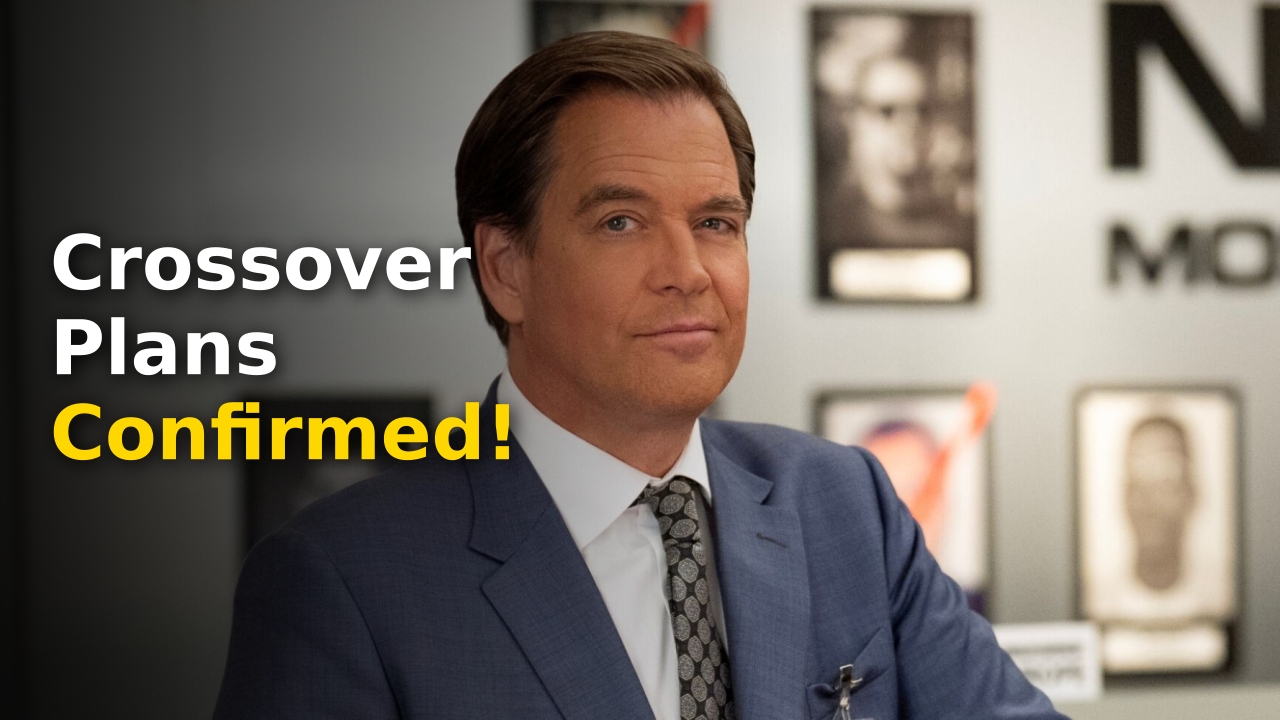
| Crossover Confirmed | Showrunner Steven D. Binder guarantees a franchise crossover event is eventually coming. |
| Logistical Hurdles | Coordinating actors across different state sets remains a major production challenge. |
| New Leadership | Tony DiNozzo officially takes over as the new permanent NCIS Director in Season 24. |
| The Spinoffs | NCIS: Origins focuses on young Gibbs, while NCIS: New York brings back LL Cool J as Sam Hanna. |
You might think the sprawling CBS television universe has reached its creative peak, but the upcoming NCIS Origins Crossover is poised to completely redefine procedural drama in 2025. As showrunner Steven D. Binder breaks his silence on connecting the retro-prequel with the newly minted New York spinoff, fans are clamoring to know how these timeline-bending narratives will align. The television landscape is shifting, and CBS is orchestrating a masterclass in long-term franchise expansion to keep viewers glued to their screens.
Satisfying the collective hunger of millions of viewers requires a delicate balance of nostalgia and fresh storytelling dynamics. The flagship series recently shocked audiences with its Season 24 premiere, setting up a massive paradigm shift in agency leadership that paves the way for unprecedented narrative integrations. The creative minds behind the curtain are actively designing a framework where past, present, and future iterations of the agency can coexist in a shared universe.
Understanding this massive television event requires looking at the technical, artistic, and administrative decisions shaping the franchise. This deep dive explores how the creative teams plan to bridge the gap between a 1991-era prequel and a gritty, modern-day metropolitan spinoff. From production logistics to character evolutions, the future of the franchise has never looked more ambitious or more complex.
The Future of the NCIS Origins Crossover in 2025
The potential for an official NCIS Origins Crossover has transitioned from mere fan theory into an active development discussion. Showrunner Steven D. Binder recently addressed the mounting speculation, acknowledging that while the logistics are incredibly complex, the crossover is an inevitable milestone for the franchise. The legacy of the brand has always been anchored by its interconnected storytelling, making this transition a natural next step for the creative team.
Historically, CBS has utilized major crossover events as highly effective ratings drivers and narrative tools to expand the fictional universe. The flagship series has previously linked arms with regional offices in New Orleans, Los Angeles, and Hawai'i, creating a cohesive national web of federal investigators. Introducing a historical prequel like NCIS: Origins alongside a contemporary series like NCIS: New York presents a unique chronological challenge that writers are eager to solve.
One proposed creative solution involves utilizing parallel cold case files that bridge the decades between 1991 and the present day. An investigation initiated by a young Leroy Jethro Gibbs at Camp Pendleton could find its ultimate resolution in modern-day Manhattan under the supervision of seasoned agents. This structural approach allows actors from different eras to contribute to the same overarching mystery without violating the established timeline constraints.
Expert Take: The Ratings Magic of Shared Universes
According to industry television analysts, crossover events yield an average 15% to 22% spike in live-plus-same-day viewership for broadcast networks. By connecting a highly anticipated prequel with a metropolitan spinoff, CBS is leveraging established character loyalty to guarantee the survival of its newest intellectual properties in an increasingly competitive streaming landscape.
While the writers room continues to brainstorm these narrative bridges, production executives are focusing heavily on the physical realities of executing such a massive television event. The collaboration between distinct creative teams requires absolute precision to ensure that visual styles, character voices, and historical continuities remain perfectly aligned. Fans can rest assured that when the crossover finally debuts, it will be a carefully crafted spectacle rather than a superficial ratings stunt.
Deciphering the Logistics of Multi-State TV Production
Executing a seamless television crossover requires overcoming massive logistical hurdles that extend far beyond simply writing a cohesive script. Steven D. Binder openly expressed his anxiety regarding the coordination of actors, equipment, and production crews operating across entirely different geographic regions. The physical separation of the primary filming locations introduces significant scheduling challenges that can easily disrupt tight network television production cycles.
Currently, the franchise operates distinct production hubs designed to capture the unique atmospheres of their respective settings. The retro-styled sets of NCIS: Origins require specialized mid-century locations and period-accurate props, largely managed on West Coast soundstages. Meanwhile, the fast-paced, urban environment of the New York branch demands a highly distinct visual aesthetic and local atmospheric shooting schedules. Sharing lead actors between these geographically isolated productions requires meticulous planning and significant financial investment.
To illustrate the sheer scale of the active television franchise, the following table outlines the current lineup of active series, their primary production locations, and their chronological settings:
| Series Title | Primary Lead Actor | Geographic Setting | Chronological Era |
|---|---|---|---|
| NCIS (Flagship) | Sean Murray | Washington, D.C. | Present Day |
| NCIS: Origins | Austin Stowell | Camp Pendleton, CA | 1991 (Prequel) |
| NCIS: New York | LL Cool J | New York City, NY | Present Day |
In addition to geographic challenges, union regulations, travel times, and actor availability present continuous obstacles for the production office. Introducing a guest star from one show into another requires navigating complex contract negotiations and ensuring that the actor's primary series does not suffer from scheduling delays. These administrative realities explain why showrunners are often hesitant to commit to immediate crossover dates despite strong fan demand.
Fortunately, the creative team has mastered the art of digital asset sharing and green-screen technology to mitigate some of these physical limitations. While on-location shooting is always preferred for authenticity, hybrid production techniques can be utilized to place actors in the same virtual environment. This technological adaptability ensures that a crossover remain physically and financially feasible without compromising the high visual standards of the franchise.
Breaking Down the New NCIS Universe Leadership
The landscape of the flagship series was forever altered during the dramatic events of the Season 23 finale and the subsequent Season 24 premiere. The tragic, heroic death of long-time Director Leon Vance, portrayed with exceptional gravitas by Rocky Carroll, left a massive institutional void within the agency. Vance sacrificed his life in a stunning confrontation to neutralize a deeply embedded corrupt agent, saving the entire organization from systemic ruin.
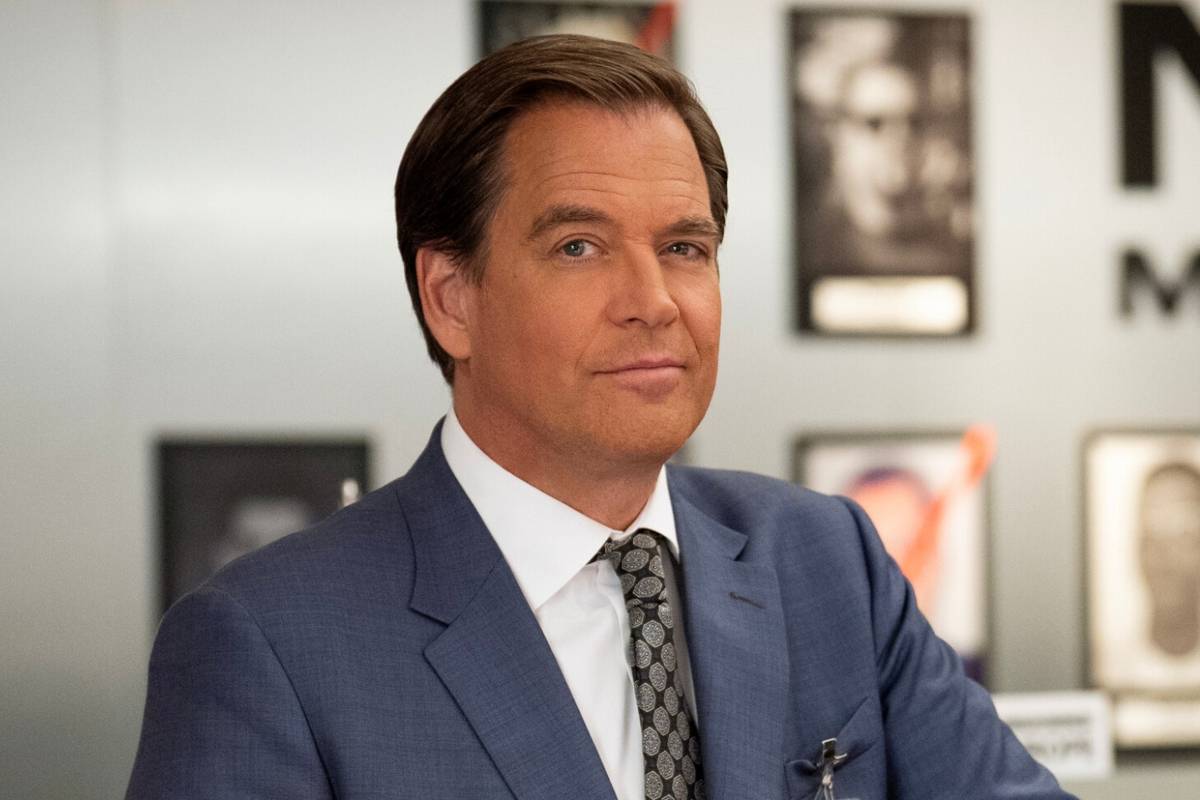
Following Vance's tragic demise, the agency entered a period of intense administrative instability. The controversial appointment of Gabriel LaRoche, played by guest star Seamus Dever, threatened to steer the agency into highly politicized territory. However, in a surprising turn of events during the premiere, the beloved Tony DiNozzo, played by returning fan-favorite Michael Weatherly, officially assumed the mantle of permanent NCIS Director, fundamentally altering the office dynamics.
The Nemesis Dynamic in Modern Procedurals
With DiNozzo stepping into the director's chair, the administrative and operational strategies of the agency are bound to undergo intense scrutiny. As a former field agent who understands the physical and psychological toll of active investigations, DiNozzo brings a highly pragmatic perspective to the office. This leadership transition occurs at a time when the agency faces increasingly sophisticated, highly analytical adversaries who operate with cold, calculated precision.
Modern criminal investigations within the franchise have shifted away from simple street-level crimes toward complex, international intelligence threats. The writers have conceptualized a new breed of antagonist who doesn't merely seek financial gain or territorial control, but rather aims to expose the systemic vulnerabilities of federal law enforcement. This thematic evolution ensures that DiNozzo's tactical experience will be tested to its absolute absolute limits in the upcoming episodes.
These complex adversaries are defined by their deep, almost intimate knowledge of the agency's operational history and structural weaknesses. They respect the intelligence of the investigators, making their calculated maneuvers incredibly dangerous and difficult to predict. Navigating these highly intellectual threats will require Director DiNozzo to utilize every resource at his disposal, including the specialized talents of regional offices.
Key Characters Shaping the Expanding CBS Franchise
The success of the expanding franchise rests squarely on the shoulders of the compelling characters who populate these distinct regional offices. In NCIS: Origins, audiences are treated to a deeply personal exploration of a young Leroy Jethro Gibbs, portrayed by the talented Austin Stowell. This series provides crucial context regarding the personal tragedies and professional trials that ultimately forged the legendary, stoic investigator fans came to love in the flagship series.
Adding a layer of rich, nostalgic authenticity, the iconic Mark Harmon returns to the franchise to provide reflective narration for the prequel series. Harmon's voiceover work serves as a powerful emotional anchor, bridging the gap between the character's raw, inexperienced youth and his seasoned, hardened future. This narrative framing device elevates the prequel beyond a simple historical exercise, turning it into a profound character study.
On the opposite side of the country, the metropolitan concrete jungle of New York serves as the playground for veteran special agent Sam Hanna, played by the charismatic LL Cool J. Transitioning from the sun-drenched beaches of Los Angeles to the gritty, fast-paced streets of Manhattan, Hanna brings a wealth of tactical experience to his new leadership role. Paired with his roguish, highly unpredictable partner Nick Schaeffer, played by Scott Caan, this dynamic duo offers a refreshing contrast to the traditional procedural formula.

By The Numbers: Franchise Longevity and Global Reach
The NCIS television franchise stands as one of the most financially successful intellectual properties in entertainment history, generating over 300 total episodes across multiple spinoffs. The flagship series consistently ranks among the top five most-watched broadcast dramas, with international syndication rights delivering the program to more than 200 territories worldwide.
As these diverse characters continue to develop their individual story arcs, the inevitability of their paths crossing becomes increasingly clear. Whether through shared historical adversaries or complex modern-day cases, the narrative pathways are already being laid by the creative teams. The intersection of these distinct personalities promises to deliver the kind of high-stakes, emotionally resonant television that has defined the brand for over two decades.
For those interested in exploring more about the actors behind these iconic roles, you can check out the comprehensive IMDb's official NCIS page to view full filmographies and cast details. Tracking the careers of these top-rated television stars reveals the incredible depth of talent that CBS has assembled to lead this massive, multi-generational franchise into the future.
People Also Ask
What happened with the NCIS leadership transition today?
Following the tragic death of Director Leon Vance in Season 23, the Season 24 premiere established Tony DiNozzo, played by Michael Weatherly, as the new permanent Director of NCIS, replacing the temporary appointment of Gabriel LaRoche.
Why is the NCIS Origins Crossover trending right now?
The crossover is trending because showrunner Steven D. Binder recently broke his silence on the logistical possibilities of connecting the prequel series NCIS: Origins with the modern-day NCIS: New York spinoff, confirming that while difficult, an event will eventually happen.
How does this affect the timeline of NCIS: Origins?
Because NCIS: Origins is set in 1991 and NCIS: New York is set in the present day, any crossover will likely utilize creative framing devices, such as cold case files or parallel investigations, rather than physical time travel, to keep the franchise timeline intact.
When is the next major NCIS franchise event airing?
The franchise continues its regular broadcasting schedule on Tuesdays on CBS, with special thematic episodes and potential crossover teases planned throughout the current television season.
The Evolving Strategy Behind the NCIS Origins Crossover
The strategic planning behind the NCIS Origins Crossover represents a bold new chapter for CBS and the television industry as a whole. Rather than relying on outdated broadcast formulas, the network is actively embracing complex, multi-layered narratives that reward dedicated, long-term viewers. This sophisticated approach to franchise management ensures that the brand remains highly competitive in an era dominated by high-budget streaming platforms.
As showrunner Steven D. Binder and his dedicated writing staff navigate the intricate creative challenges of this expanding universe, the fans remain the ultimate beneficiaries. The opportunity to witness a young, developing Leroy Jethro Gibbs connect with modern-day icons like Sam Hanna and Director Tony DiNozzo is a thrilling prospect for television enthusiasts. This deliberate, respect-driven approach to character history and lore is precisely what has preserved the franchise's entertainment legacy projects for so many years.
Ultimately, the strength of the brand lies in its profound ability to adapt, evolve, and surprise its audience without losing its core identity. Through tragic losses, surprising returns, and bold geographic expansions, the series continues to prove why it remains a titan of primetime network television drama. As production gears up for the eventual crossover event, the television community will be watching closely to see how this ambitious administrative vision translates onto the screen.
For further historical context on how these series have evolved over the past two decades, fans can explore Wikipedia's comprehensive guide to the NCIS franchise, which catalogs the extensive history of character spin-offs, ratings achievements, and creative milestones. The journey is far from over, and the upcoming crossover is set to be the next legendary milestone in this unmatched broadcast legacy.
More Like This
For more updates, check out our latest entertainment and sports news.