
The debut of the New Joker has sent shockwaves through the DC fandom as Prime Video unleashes a terrifyingly realistic adaptation of Gotham’s worst nightmare.
You might think you know the Clown Prince of Crime after decades of blockbuster cinematic reinventions. However, this freshly revealed iteration strips away the modern comic book glitter to expose a genuinely unsettling, cold-blooded killer. By discarding the loud neon aesthetics, the creative team has returned the character to his dark, silent-film-era roots.
Fans binge-watching the latest animated saga are discovering that the New Joker represents a terrifying shift in tone. This version prioritizes quiet, psychological torment over flamboyant theatricality, creating a deeply chilling experience. You are about to experience a villain who values cold, calculated malice above all else.
New Joker Evolution
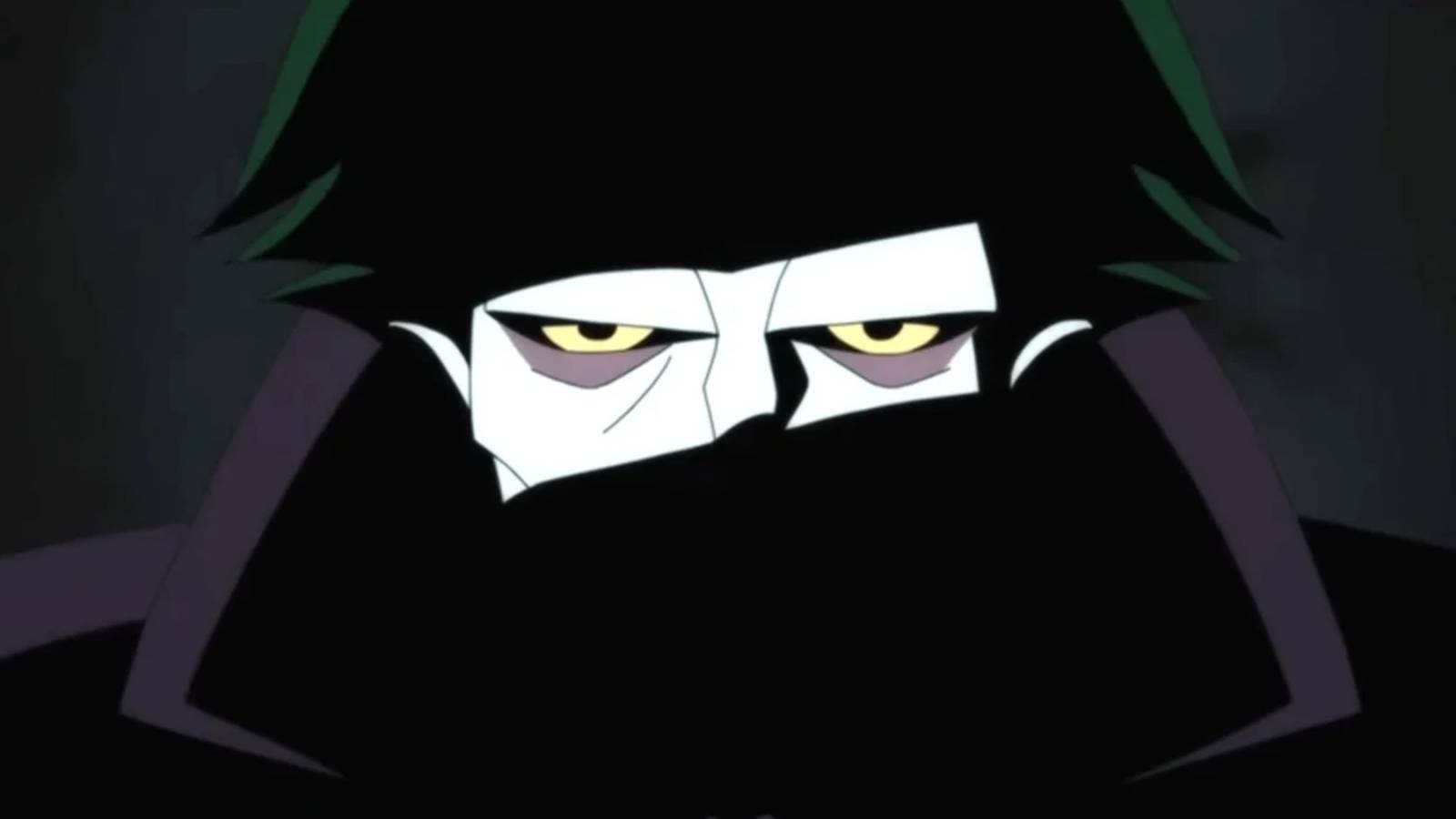
This spectacular New Joker design bridges the gap between classic animation and vintage gothic horror. The visual presentation of the character is a masterclass in understatement, relying on shadows rather than bright, saturated colors. By stripping away the modern excesses, the animators have created something truly timeless.
You will immediately notice how his physical presence dominates every scene, even when he remains completely silent. This design choices ensure that the character feels dangerous, unpredictable, and deeply grounded in reality. It is a stunning visual achievement that sets a new standard for animated adaptations.
To define this New Joker in the noir universe, the team embraced a minimalist philosophy that pays dividends in suspense. The absence of traditional clown-like elements makes his violent outbursts feel far more shocking. This evolutionary step honors the character’s long legacy while charting a bold new direction.
Vintage Horror Roots
The core visual design of the character traces directly to the legendary actor Conrad Veidt in the iconic 1928 silent film The Man Who Laughs. This film originally served as the foundational inspiration for the comic book creators back in 1940. By returning to this vintage source material, the creators have bypassed decades of campy interpretations.
Instead of the vibrant green hair and bloody red lipstick, this villain features slicked-back dark hair and pale, bloodless lips. The monochromatic color scheme enhances his cruel features, making him look less like a clown and more like a walking corpse. This design choice makes him the most historically accurate version of the character ever brought to the screen.
You can see the influence of early German Expressionism in every frame, with high-contrast shadows casting long, skeletal shapes. This artistic direction creates an oppressive atmosphere that perfectly complements the detective noir tone. It is a brilliant tribute to the origins of the entire Batman mythos.
Here is how this design compares to previous cinematic interpretations of the character:
- Classic Silent Cinema: Heavily inspired by the pale, tragic grin of Conrad Veidt in 1928.
- The 1989 Classic: Shares the sharp sartorial style of Jack Nicholson but rejects the bright, vibrant color palette.
- The Dark Knight: Lacks the messy, chaotic face paint of Heath Ledger, choosing a clean, chalk-white complexion instead.
- Gotham Series: Mirrors the cold, bleached-white look of Cameron Monaghan‘s terrifying character, Jeremiah Valeska.
- Modern Live-Action: Avoids the heavily mutated and scarred look of the Barry Keoghan incarnation from 2022.

Noir Aesthetics
The detective noir tone of this universe requires a completely different approach to villainy. Bright neon colors would ruin the shadowy, high-contrast atmosphere carefully crafted by executive producer Bruce Timm. Therefore, the creative team opted for deep shadows, chalk-white skin, and a chillingly quiet demeanor.
This physical transformation aligns perfectly with the dark alleyways and rain-slicked streets of Gotham City. You can feel the tension spike every time his pale face emerges from the deep, hand-drawn shadows. It is a masterclass in visual storytelling that honors classic early Hollywood cinema.
Unlike the chaotic, explosive nature of modern adaptations, this villain operates in the shadows with absolute precision. His movements are calculated, his posture is rigid, and his clothing looks sharp but deadly. This stylistic choice ensures that the series stands out in an era saturated with generic superhero content.
The Terrifying Plot
With the introduction of the New Joker in season two, the narrative stakes of the series have escalated dramatically. The storyline does not shy away from intense violence, framing the villain as a methodical biological terrorist. His actions throughout the season build a palpable sense of dread that keeps you on the edge of your seat.
This narrative arc highlights the absolute lack of empathy that defines this version of the character. He does not seek fame, wealth, or simple chaos; instead, he operates like a cold scientist of terror. His plans are executed with clinical precision, leaving a trail of horror in his wake.
The contrast between his elegant, quiet demeanor and the sheer brutality of his crimes creates a jarring psychological tension. You are forced to witness the devastating impact of his schemes on the ordinary citizens of the city. This dark storytelling elevates the animated series to the level of premium television drama.
The Gas Formula
Throughout the second season, viewers watch in horror as a silent threat slowly builds in the background. The villain meticulously tests a lethal laughing gas formula on innocent citizens of Gotham City. Each test run leaves the victims with a horrific, permanent grin etched onto their cold faces.
The sheer violence of this storyline marks a massive departure from standard animated fair. This series treats the laughing gas not as a theatrical trick, but as a biological weapon of mass destruction. The slow, painful deaths of the test subjects build a tension that culminates in a massive city-wide threat.
The climax of the season features a desperate race against time as the villain attempts to distribute the gas using specialized weaponry. Only the combined efforts of Batman and his loyal butler Alfred prevent total annihilation. By deploying an antidote via airplane, they manage to save the doomed populace just in time.
Needham Vocal Mastery
To bring this terrifying villain to life, the producers cast Matthew Needham, famous for his stellar performance in House of the Dragon. His vocal delivery adds an entirely new dimension to the character. Instead of the high-pitched, manic cackling popularized by Mark Hamill, his voice remains low, calculated, and deeply unsettling.
He speaks with a distinct European accent that adds an air of aristocratic menace to the role. This accent reinforces the connection to vintage European cinema and the classic roots of horror. You will find that his quiet, whisper-soft threats are far more terrifying than any loud, theatrical outburst.
This vocal performance anchors the character in a realistic, cold-blooded reality. It forces you to listen closely to every word, drawing you deeper into his twisted psychological games. It is a brilliant casting choice that perfectly complements the dark visual design, creating a New Joker that stands the test of time.
Comparing Batman Foes
Comparing this New Joker with other modern iterations reveals a deliberate rejection of contemporary trends. While recent films have favored psychological trauma or physical deformity, this series returns to the concept of pure, inexplicable evil. This philosophical shift makes the character feel incredibly fresh and deeply alarming.
The contrast between this elegant monster and the other villains of the series is stark. While characters like the Riddler are driven by clear, understandable grievances, this villain operates without a discernible motive. He is a force of nature, a dark shadow that exists solely to corrupt and destroy.
This approach to characterization respects the intelligence of the audience, refusing to offer easy answers or cheap redemptions. You are left to grapple with the horror of his actions on your own terms. It is a bold narrative strategy that pays massive dividends in atmospheric dread.
Comparing Villain Designs
The live-action version played by Barry Keoghan in 2022 featured heavy facial scarring and physical deformities. In contrast, this animated version remains physically intact but emotionally vacant, conveying horror through a cold, aristocratic mask. His pristine appearance somehow makes his monstrous actions feel even more deeply disturbing.
Meanwhile, Joaquin Phoenix portrayed a deeply sympathetic, mentally ill man pushed to the edge in his 2019 solo film. The animated version rejects this sympathetic angle entirely, presenting a calculating monster who enjoys the methodical slaughter of his victims. He has no tragic origin story here; he is simply pure, unadulterated evil.
For fans looking to explore more about the history of these legendary characters, check out the latest celebrity news and character breakdowns at Bright Celebrity entertainment updates. Understanding the evolution of these iconic villains helps explain why this latest version has resonated so deeply with audiences worldwide.

Joker Design Statistics
To better understand how this visual evolution fits into the long history of the character, we can look at the physical attributes and design inspirations across different eras of media. The following comparison highlights how the creators of the New Joker stripped away the modern, colorful excesses to return to the character’s terrifying roots.
| Version & Era | Primary Color Palette | Key Visual Inspiration | Vocal Style & Tone |
|---|---|---|---|
| Caped Crusader (2025) | Muted Purple, Chalk-White, Dark Hair | Conrad Veidt (1928) | Cold, European Accent (Needham) |
| The Batman (2022) | Flesh Tones, Severe Scarring, Green Tint | Congenital Deformity / Realism | Disturbed, Raspy Whisper (Keoghan) |
| Joker (2019) | Vibrant Red, Blue, Yellow Face Paint | 70s Street Clown Aesthetics | Manic, Emotionally Fractured (Phoenix) |
| The Dark Knight (2008) | Messy Green, Smudged White, Red Smear | Anarchist / Punk Aesthetics | Unpredictable, Gritty Pitch (Ledger) |
This structured breakdown reveals a deliberate trend toward historical reverence in the latest production. By focusing on gothic horror rather than theatrical comedy, the animated series has delivered a villain that feels genuinely dangerous. You can see how each design element serves the narrative tone of a hopeless, crime-ridden city.
This statistical comparison demonstrates that the physical attributes of the character have always reflected the cultural anxieties of the time. While the late 2000s favored chaotic anarchism, the current era is embracing a return to classic, elegant terror. This cyclical evolution ensures that the character remains relevant for generations to come.

New Joker Legacy
Ultimately, this dramatic reinvention of the New Joker cements his status as a timeless symbol of psychological terror. By discarding the modern gimmicks and returning to the quiet, chilling roots of the silent film era, the creators have given us a masterfully crafted villain. He is a dark, cold, and calculated force of nature that will haunt your nightmares long after the final credits roll.
The success of this adaptation proves that you do not need bright neon colors or massive explosions to create a compelling threat. Sometimes, a muted color palette, a soft European accent, and a simple, deadly smile are all it takes to redefine a legend. As fans await the next chapter in this animated saga, one thing is certain: this chilling version has left an indelible mark on DC history.
By honoring the past while embracing a bold, uncompromising narrative vision, the series has set a new benchmark for superhero storytelling. You can feel the passion and dedication of the creative team in every beautifully animated frame. The legacy of Gotham’s most terrifying villain is secure, and his shadow will continue to loom large over the Caped Crusader.
More Like This
For more updates, check out our latest entertainment and sports news.