Key Takeaways
| Original showrunner Seth Grahame-Smith departed project in October 2022. |
| Emerald Knights would have featured a dual-timeline narrative spanning 1941 and 1984. |
| Jeremy Irvine and Finn Wittrock were set to star as Alan Scott and Guy Gardner. |
| The project was completely retooled following the creation of DC Studios under James Gunn. |
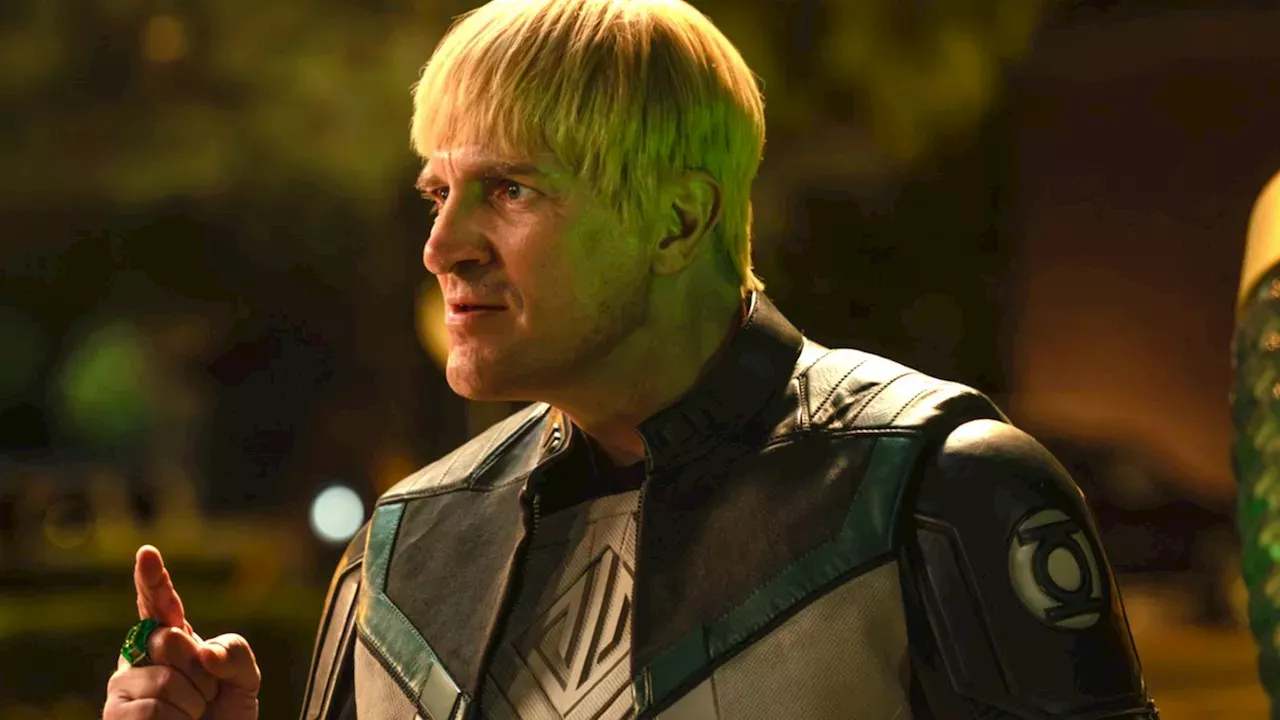
The Emerald Knights canceled series remains one of the most intriguing ‘what-if’ stories in the recent history of DC television, offering a glimpse into a cosmic vision that will never reach your screen. You might have expected a standard superhero procedural, but Marc Guggenheim’s ambitious pitch for HBO Max was designed as a sprawling, two-era historical drama that would have redefined the scope of the Green Lantern mythos.
Before the current regime led by James Gunn and Peter Safran shifted the DC Universe toward the upcoming Lanterns series, this project was poised to be a cornerstone of Warner Bros. streaming strategy. Guggenheim’s recent revelations on Substack provide the first concrete look at the concept art and narrative goals that were ultimately abandoned during the corporate restructuring of 2022.
The Lost Vision of Emerald Knights
The original plan for Emerald Knights was nothing short of revolutionary, aiming to ground the cosmic Green Lantern lore in distinct American history. The narrative was split between 1941, featuring a secret, gay Alan Scott working as an FBI agent, and 1984, which showcased a hyper-patriotic, masculine Guy Gardner. This creative choice would have provided a lens to explore the evolution of the Green Lantern Corps through the prism of changing social dynamics and international tensions.
The production sought a blend of grounded historical drama and classic comic book aesthetics. According to concept art shared by Guggenheim, the suit designs were meant to mirror the iconic look of the Justice League International, while maintaining a level of grit suitable for an HBO prestige drama. 
By selecting characters as diverse as Kilowog, Sinestro, and even an original creation named Bree Jarta, the writers hoped to build an expansive universe. This project was not merely a superhero show; it was a character-driven saga designed to compete with the most acclaimed dramas on streaming platforms today. You can find more industry insights on the evolution of superhero media through IMDb’s professional database, which tracks the long-term impacts of such developmental pivots.
Developmental Hurdles and Creative Shifts
The journey from concept to cancellation was fraught with internal challenges. Initially ordered for ten episodes, the project saw its scope tightened to eight as the writers’ room faced the realities of budgetary constraints and shifting corporate leadership. When Seth Grahame-Smith exited as showrunner in October 2022, the series lost its primary creative anchor, signaling a major turning point for the production.
This period of instability was exacerbated by the formation of DC Studios. As the new leadership sought to create a unified roadmap for their interconnected universe, the specific, divergent tone of Emerald Knights became increasingly difficult to reconcile with the new brand identity. Consequently, the focus shifted entirely toward a new iteration featuring John Stewart, effectively ending the life of the previous project.
Production Data and Creative Timeline
The history of this series serves as a case study in how quickly major studio projects can be sidelined by strategic pivots. The table below illustrates the key figures and phases of development for the ill-fated show.
| Role / Category | Detail / Personnel |
|---|---|
| Original Showrunner | Seth Grahame-Smith |
| Key Lead | Finn Wittrock (Guy Gardner) |
| Key Lead | Jeremy Irvine (Alan Scott) |
| Original Episode Order | 10 Episodes (Scaled to 8) |
| Primary Catalyst | DC Studios Formation |
Expert Take: The Legacy of Abandoned Lore
Industry analysts often highlight that the Emerald Knights cancellation was less about the quality of the scripts and more about the necessity of brand cohesion. By moving away from a project rooted in specific decades, Warner Bros. effectively removed the risk of having competing versions of the Green Lantern mythos confusing a modern audience. You can see how this strategy plays out by reading exclusive industry updates at Bright Celebrity to understand why franchises choose rebooting over expansion.

The inclusion of original characters like Bree Jarta suggests the team was ready to move beyond the source material, which is often a point of contention for purist fans. The pivot toward John Stewart indicates that the current DC management favors established, recognizable icons over experimental character explorations. Ultimately, the loss of this show marks a significant moment where corporate strategy permanently altered the trajectory of a major comic property.
People Also Ask
What happened with the Emerald Knights series?
The Emerald Knights series was canceled after a shift in management at Warner Bros. and the formation of DC Studios. The project underwent multiple development phases before leadership decided to move the Green Lantern lore in a completely new direction.
Why did Seth Grahame-Smith leave the project?
Seth Grahame-Smith departed the series in October 2022, which served as a primary catalyst for the network to enter a period of redevelopment and ultimately cancel the original vision of the show.
How does this affect the upcoming Lanterns series?
The cancellation of Emerald Knights allowed the studio to completely reimagine the Green Lantern mythology for the new DC Universe, specifically focusing on the upcoming Lanterns project and its role in the broader DCU roadmap.
Who was cast in the canceled Emerald Knights show?
Finn Wittrock was cast to play Guy Gardner, and Jeremy Irvine was attached to portray the Golden Age hero Alan Scott before the project was scrapped.
Final Thoughts
While fans may never see the finished product, the concept of Emerald Knights offers a fascinating look at the creative tension inherent in modern franchise management. The decision to discard years of development work underscores the immense power wielded by studio heads as they curate the future of the DC brand. For more analysis on how these changes affect your favorite shows, explore the deep archives available at Bright Celebrity news coverage or check out the latest entertainment trends. The story of what could have been will likely serve as a cautionary tale for writers and producers working within the high-stakes world of modern comic book television.
More Like This
For more updates, check out our latest entertainment and sports news.