Key Takeaways
| Current Production Status: Former Mattel CEO Ynon Kreiz, now co-CEO of Skydance, states it is too early to greenlight the project. |
| Financial Standoff: Prior to the corporate merger, Warner Bros. Discovery leadership hesitated over the massive salary packages demanded by the original creative team. |
| Ticking IP Clock: Mattel holds a tight window on the cinematic rights, which could revert back to the toy manufacturer if production does not begin promptly. |
| New Studio Management: The newly formed Skydance Motion Picture Group is currently auditing a massive slate of 36 inherited theatrical releases. |
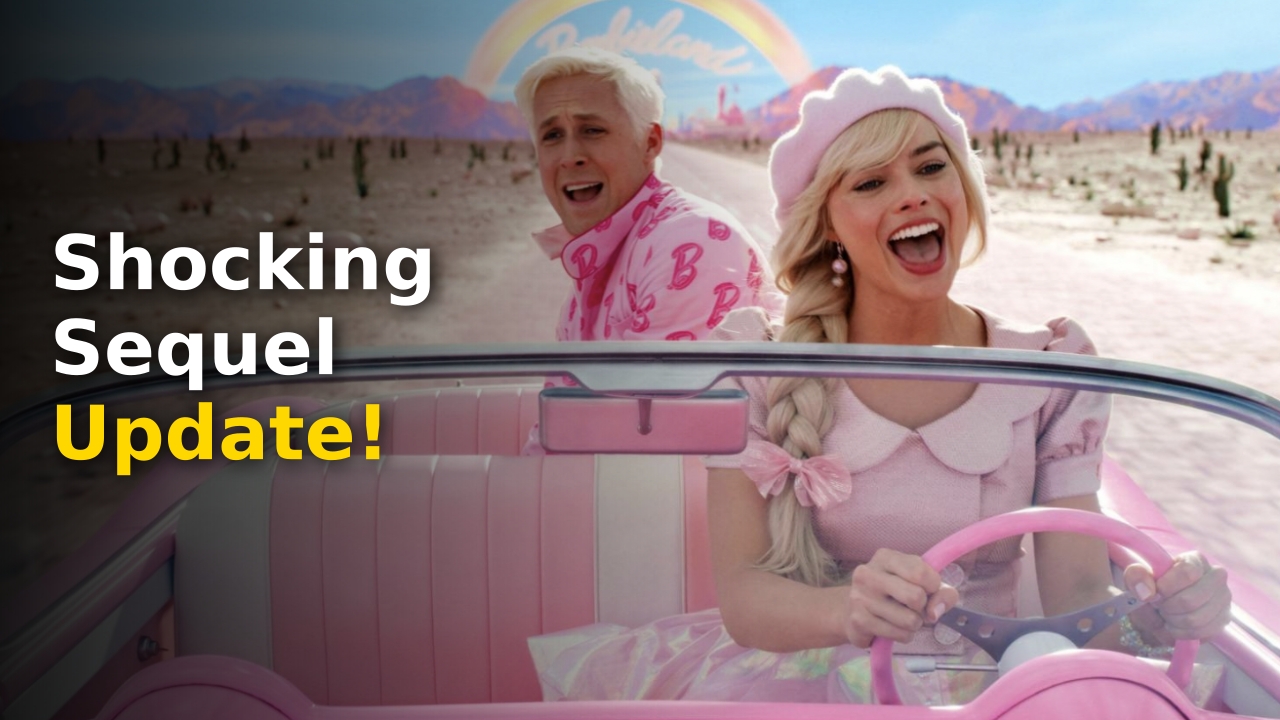
If you thought the pink-hued cinematic universe was ready to fold its dreamhouse, think again, as discussions surrounding the **Barbie 2 Movie** have reached a critical turning point following a massive Hollywood executive shakeup. Fans worldwide are eagerly parsing every bit of news regarding the potential return of the cultural phenomenon that took the global box office by storm. The theatrical landscape has shifted dramatically, placing the future of this multibillion-dollar intellectual property in the hands of newly consolidated studio leadership.
During a Tuesday afternoon press conference in Los Angeles, the freshly merged Skydance executive team faced pressing questions regarding when the highly anticipated sequel would finally receive an official green light. Former Mattel chief executive officer Ynon Kreiz, who was recently named co-CEO of Skydance, provided the official corporate position on the matter. His cautious yet optimistic words have ignited a flurry of speculation throughout the entertainment industry, leaving both fans and financial analysts wondering what happens next.
While the corporate elite navigate the complex legal and financial structures of modern studio mergers, millions of moviegoers are holding out hope for a return to Barbieland. The original 2023 cinematic release shattered records, proved the immense viability of female-led blockbusters, and redefined theatrical marketing strategies. However, translating that initial lightning-in-a-bottle success into a sustainable franchise requires navigating a minefield of talent negotiations, intellectual property rights, and shifting executive priorities.
Barbie 2 Movie Status Under Skydance
The restructuring of major Hollywood entities has placed the **Barbie 2 Movie** at the center of an intense corporate transition. Ynon Kreiz, who previously presided over the toy manufacturer Mattel during the development of the original blockbuster, now finds himself operating on the studio side of the negotiation table at Skydance. When asked point-blank about the production timeline for the sequel, Kreiz remarked that it is simply too early to talk about that specific milestone, though he signaled that hope remains very much alive.
This executive transition comes at a time of immense consolidation within the entertainment sector. The alliance between Skydance, Paramount, and Warner Bros. has created a powerhouse conglomerate tasked with managing some of the most valuable media properties in modern history. For the leadership team at Skydance, the immediate objective is to perform a comprehensive audit of their newly inherited theatrical properties and determine which massive projects deserve financial prioritization.

Industry insiders suggest that Kreiz’s dual perspective as both a toy executive and a film studio boss could ultimately pave the way for a favorable resolution. His intimate knowledge of the brand’s retail power, coupled with his new creative authority, makes him the ultimate power broker for the franchise’s future. However, balancing the creative integrity of the original filmmakers with the strict profit-margin demands of Wall Street remains a delicate tightrope walk.
The consolidation of Skydance and its partner studios represents a broader industry shift toward risk mitigation. When massive conglomerates merge, their first instinct is to secure and exploit proven, multi-quadrant intellectual properties. While executive caution is typical during the first hundred days of a new administration, the sheer financial scale of the toy-to-film pipeline makes a sequel almost mathematically inevitable, regardless of temporary corporate hesitation. This merger creates a centralized decision-making pipeline that could ultimately expedite complex negotiations that previously stalled under fragmented studio leadership.
As the new leadership team settles into their roles, the creative community is watching closely to see how the studio handles its premium relationships. Securing a project of this magnitude requires more than just corporate synergy; it demands a deep respect for the creative voices that built the original foundation. If Skydance hopes to replicate their past triumphs, they must align their financial structures with the artistic ambitions of their top-tier talent.
Behind the Warner Bros. Salary Disputes
Before the current corporate restructuring took hold, severe financial friction threatened to derail any plans for a follow-up feature. Reports from the inner circles of the entertainment industry revealed that former Warner Bros. Discovery chief executive officer David Zaslav balked at the astronomical price tags associated with securing the original creative team. The elite creative unit, represented largely by the powerhouse agency CAA, includes several of the most sought-after names in modern cinema.
To secure the return of Margot Robbie’s official IMDb profile alongside co-star Ryan Gosling, the studio would need to commit to record-breaking salary guarantees and highly lucrative backend profit-sharing models. Furthermore, securing the visionary director Greta Gerwig and her acclaimed co-writer and spouse Noah Baumbach presents another massive financial hurdle. The creative duo’s critical and commercial stock has soared to historic heights, giving them unprecedented leverage in contract negotiations.
The Clockwork Specialty Label Deal
Adding another layer of complexity to the creative lineup is the first-look deal that Noah Baumbach signed with Warner Bros. specialty division, Clockwork. While this exclusive pact keeps the brilliant writer-director within the corporate family, sources close to the studio confirm that this deal does not encompass any potential work on a toy-based sequel. This separation of creative deals indicates that any negotiations for the pink-hued franchise must be handled as entirely separate, highly complex legal entities.
This fragmented deal structure means that the studio cannot simply transition Baumbach from his specialty auteur projects over to blockbusters without executing entirely new, top-tier employment agreements. These separate contracts require fresh rounds of negotiations regarding creative control, theatrical window guarantees, and downstream merchandising royalties. For a studio trying to streamline its operational costs, these individual high-value contracts represent a massive upfront capital commitment.
Furthermore, the creative team has historically shown a preference for projects that offer substantial artistic freedom. Reconciling this desire for creative autonomy with the highly managed corporate interests of a global toy manufacturer is no simple task. Each member of the creative core has multiple lucrative opportunities on their horizon, meaning the studio must present an incredibly compelling package to bring the original team back together.
Barbie’s Box Office and Financial Legacy
To understand why the continuation of this franchise is such a highly debated topic among corporate executives, one must look closely at the historic financial footprint left by the original film. Released in the summer of 2023, the production went on to achieve historic milestones, ultimately securing its place as the highest-grossing release in the long history of Warner Bros. Pictures. The theatrical run generated an astonishing $1.44 billion at the global box office, solidifying its place in the annals of cinematic history.
This incredible performance proved that high-concept, highly stylized adaptations of familiar intellectual property could generate massive consumer demand across every demographic. The film did not merely succeed in domestic markets; it became an international cultural movement, sparking global discussions about gender roles, consumerism, and the nature of modern play. The associated consumer products division enjoyed an unprecedented surge in sales, demonstrating the profound cross-promotional power of a well-executed theatrical release.
| Warner Bros. Film Release | Global Box Office Gross | Year of Release | Academy Award Nominations |
|---|---|---|---|
| Barbie | $1.44 Billion | 2023 | 8 Nominations |
| Harry Potter and the Deathly Hallows – Part 2 | $1.34 Billion | 2011 | 3 Nominations |
| The Dark Knight Rises | $1.08 Billion | 2012 | 0 Nominations |
| Joker | $1.07 Billion | 2019 | 11 Nominations |
Despite these undeniable financial victories, the economics of producing a sequel are vastly different from the initial launch. The production budget for the first installment was tightly managed, but a follow-up feature would require astronomical upfront costs to satisfy the talent’s updated contract demands. According to premium financial analyses, such as those found in Forbes box office coverage, the net profit margins for a sequel can shrink significantly if the talent costs escalate beyond traditional industry thresholds.
Studio executives are forced to calculate whether a second film can match or exceed the historic performance of the first, or if the brand will experience the traditional sequel decay that plagues many high-concept comedies. Managing these financial projections is particularly critical during a period of corporate reorganization. The executive team must demonstrate immediate financial discipline to shareholders while simultaneously investing in high-risk, high-reward theatrical blockbusters.
Mattel Rights and the Ticking Clock
One of the most critical factors driving the urgency behind these closed-door discussions is the nature of the licensing agreement between the film studio and the toy manufacturer. According to deep industry intelligence, the licensing agreement grants the studio a specific, time-sensitive window to develop and produce cinematic projects based on the classic doll. If the studio fails to meet these contractual production milestones, the rights to the intellectual property are scheduled to revert entirely to Mattel.
This looming deadline places immense pressure on the newly installed Skydance leadership team to resolve their internal creative and financial standoffs. Should the rights revert to the toy giant, the studio would lose its exclusive grip on a multi-billion-dollar cinematic franchise. For Mattel, a rights reversion would mean starting completely from scratch, a scenario that would require building a new creative team, drafting fresh scripts, and re-establishing production pipelines with a brand-new studio partner.
The prospect of starting over with “frosh” talent and an unproven creative vision represents a massive financial risk for the corporate toy brand. The current marketplace is notoriously volatile, and replicating the specific cultural chemistry of the original film with an entirely different creative team is a highly uncertain endeavor. Therefore, both the toy company and the film studio have a powerful mutual interest in finding a compromise that keeps the original creative team on board.

To explore the deeper history of how toy brands have historically managed their entertainment licensing agreements, analysts often point to Mattel’s corporate history on Wikipedia as a key reference point for understanding their long-term media strategies. The brand has spent decades attempting to successfully transition its iconic toy lines into premium theatrical features, making the immense success of the 2023 release an achievement they are highly eager to protect and expand.
The global licensing market for major entertainment properties is estimated to exceed hundreds of billions of dollars annually. For a toy manufacturer, a hit film acts as a permanent, high-value commercial that drives physical toy sales, lifestyle brand collaborations, and digital gaming integrations across multiple fiscal quarters. The original theatrical release triggered an estimated triple-digit percentage increase in retail sales for the associated product lines during the initial quarters following its release. Consequently, the true value of the sequel cannot be measured solely by theatrical ticket sales; it must be calculated across the entire corporate ecosystem of physical retail, digital licensing, and global brand equity.
With the calendar advancing rapidly toward the contractual deadline, the window for negotiation is shrinking. Industry insiders report that the legal teams representing all major parties are working diligently to draft potential contract extensions that would provide the studio with additional development time. However, these extensions often come with their own steep financial penalties and performance guarantees, raising the stakes even further for the executive team.
The Skydance Motion Picture Group Priorities
As the new era begins, the task of sorting through these complex corporate challenges falls squarely on the shoulders of Skydance Motion Picture Group co-chairs Dana Goldberg and Josh Greenstein. The executive duo is currently diving deep into the creative weeds, attempting to map out a clear path forward for a massive, multi-studio slate. They are inheriting a highly complex theatrical release calendar that features 36 dated theatrical releases, each requiring individual attention, marketing strategies, and post-production management.
The sheer volume of the inherited slate means that resources must be allocated with extreme precision. In addition to managing the toy franchise negotiations, the chairs must oversee several other high-profile, auteur-driven projects that are in various stages of active development. The new administration’s guiding philosophy, however, appears to be focused on honoring the unique legacies of each merged studio rather than erasing their past creative achievements.
To keep up with these rapidly evolving entertainment industry developments, analysts are closely monitoring how the new leadership team structures their initial release calendar. The choices made during these first few months will set the tone for the studio’s relationships with top-tier talent and determine their competitive standing against rival entertainment giants. Balancing massive commercial blockbusters with prestigious, award-contending films is the ultimate test of modern studio leadership.
Among the many complex projects requiring immediate attention is an untitled, highly ambitious film from visionary director Baz Luhrmann, which is currently in pre-production. Furthermore, the studio is managing the production timeline for a highly anticipated prequel titled Gladys, which requires a director to stay on track for its scheduled September 2028 release date. Navigating these varied creative demands while simultaneously managing the financial negotiations for the toy sequel will require world-class executive maneuvering.
Those interested in tracking celebrity business moves and major talent contract developments will find that the outcome of these negotiations will likely establish new industry benchmarks for talent compensation in the streaming and post-merger era. The final resolution of the studio’s current slate challenges will serve as a definitive case study for how modern entertainment conglomerates balance high-cost creative packages with strict corporate fiscal discipline.
People Also Ask
What is the current release date for the Barbie 2 Movie?
As of late 2026, there is no official release date for the film, as the project has not yet received an official green light. Co-CEO Ynon Kreiz has stated that it is currently too early to discuss specific production or release timelines while the studio audits its overall release slate.
Why is the Barbie 2 Movie facing production delays?
The delays are primarily driven by complex financial negotiations regarding talent salaries and a major studio merger involving Skydance, Paramount, and Warner Bros. Former WBD leadership previously balked at the high salary and backend profit-sharing demands of the original creative team, which includes Margot Robbie, Ryan Gosling, Greta Gerwig, and Noah Baumbach.
Will Margot Robbie and Ryan Gosling return for the sequel?
While there is strong interest from both fans and studio executives to bring back the original stars, no official contracts have been signed. Their return depends entirely on the studio’s ability to reach a financial agreement that meets the high-value terms presented by their representatives at CAA.
What happens if the studio does not make the sequel soon?
If production does not begin within a specified contractual window, the cinematic rights to the intellectual property are scheduled to revert back to the toy manufacturer, Mattel. This would force the company to seek a new studio partner and potentially start the creative process from scratch with entirely new talent.
Future Outlook for the Barbie 2 Movie
While the road to Barbieland remains blocked by complex corporate negotiations and financial calculations, the sheer cultural and economic gravity of the franchise suggests that a resolution is highly likely. The newly established leadership team at Skydance understands that proven, multi-billion-dollar properties are the lifeblood of modern theatrical distribution. As cooler heads prevail and the dust settles from the historic studio merger, the strategic focus is shifting toward finding creative and financial compromises.
For the creative talent involved, the opportunity to return to a world they built from the ground up remains a highly compelling artistic prospect. Navigating the unique challenges of a sequel requires more than just repeating past successes; it demands an evolutionary leap that can surprise and delight audiences once again. If the studio can successfully align its financial structures with the high-concept vision of its creative core, the results could once again redefine the limits of global cinematic success.
As industry professionals continue to analyze the evolving Hollywood career paths of the creative team, the ultimate fate of the sequel will serve as a powerful indicator of where the industry is heading. The balance of power between creative auteurs, toy manufacturing giants, and massive media conglomerates is constantly shifting. In this dynamic environment, the development of the **Barbie 2 Movie** stands as one of the most fascinating and highly watched corporate dramas in modern entertainment history.
Ultimately, the pink heels that walked all over the global box office are not necessarily made for walking away. The legacy of the original film is too valuable, the consumer demand is too potent, and the corporate motivation is too high to let this iconic property sit on the shelf. As the new executive administration at Skydance takes the reins, fans and industry insiders alike will be watching closely, ready for the moment when the world’s most famous dreamhouse officially opens its doors once more.
More Like This
For more updates, check out our latest entertainment and sports news.