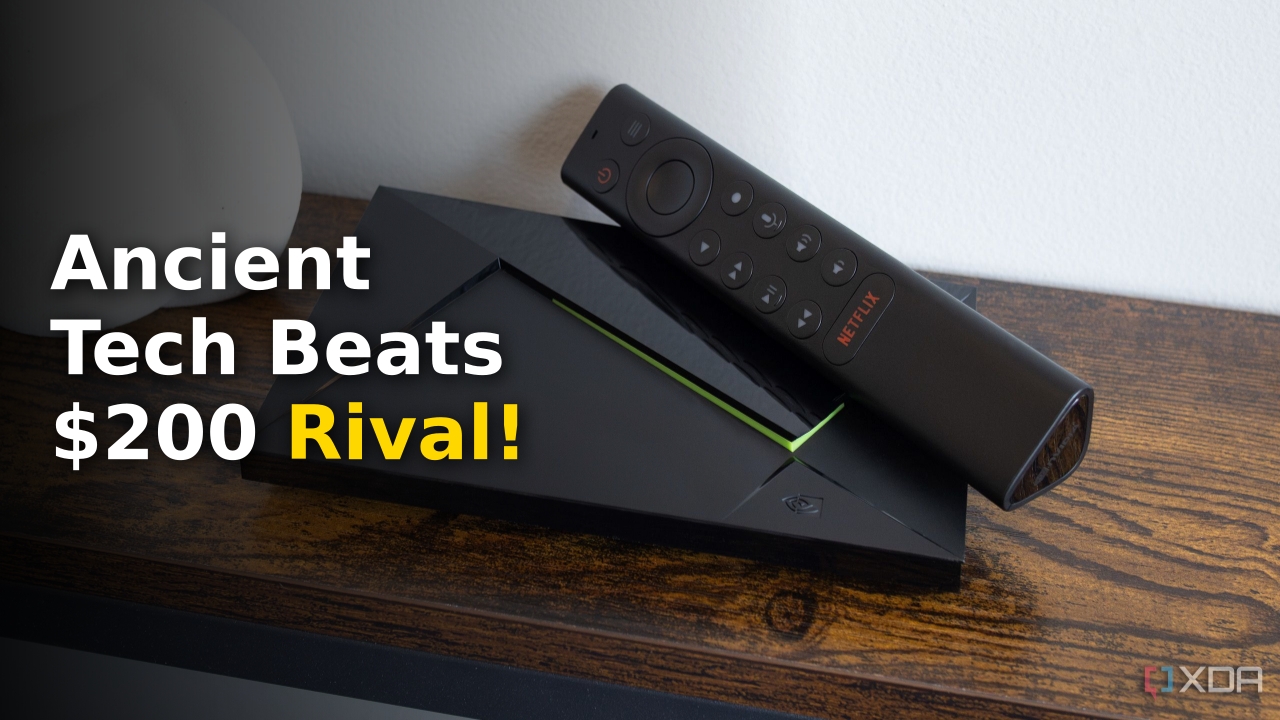
Key Takeaways
| Price Surge | Amazon quietly increased the Fire TV Cube price by $60, bringing it to a hefty $200. |
| Audio Superiority | The 2019 Nvidia Shield TV supports full lossless audio passthrough, while the Fire TV Cube struggles. |
| Server Capabilities | Shield TV Pro features a 64-bit architecture to run a Plex Media Server, unlike the Cube’s restrictive 32-bit system. |
| Gaming Prowess | GeForce NOW on Shield TV delivers flawless 4K/60FPS gaming, dwarfing Amazon Luna’s 1080p limits. |
| Connectivity Moat | Gigabit Ethernet and dual USB 3.0 ports ensure the Shield TV remains the ultimate local media hub. |
If you are looking to upgrade your home theater setup, the legendary Nvidia Shield TV remains the absolute benchmark of premium streaming hardware. When Amazon quietly raised the retail price of its flagship Fire TV Cube to a staggering $200, home theater enthusiasts braced for a paradigm shift. Yet, the shocking truth is that a streaming device released in 2019 still outperforms this brand-new, premium-priced streaming box in almost every metric that matters to power users. In an era where silicon shortages and memory inflation drive up consumer costs, the enduring legacy of NVIDIA‘s over-engineered hardware raises serious questions about modern device pricing.
You might think that spending top dollar on the latest tech guarantees a superior living room experience. However, the premium streaming landscape is currently experiencing a bizarre reality where older, carefully crafted hardware continues to run circles around brand-new releases. The Nvidia Shield TV has not only survived multiple console generations, but it also continues to define what a high-end media player should be. While Amazon relies on heavy software monetization and aggressive advertising to subsidize its hardware, NVIDIA’s focus on pure performance has built an impregnable technical moat.
Understanding why this five-year-old device remains dominant requires a deep dive into audio architecture, system processing, and connectivity standards. For physical media collectors, audiophiles, and cloud gamers, the technical compromises found on the newer, $200 Fire TV Cube are simply impossible to ignore. As we dissect the features of both platforms, it becomes incredibly clear that newer does not always mean better in the world of high-performance home entertainment.
Nvidia Shield TV vs Fire TV Cube: The Audio Battle
When you invest $200 into a media streaming device, you expect uncompromised audio fidelity across all your local and streaming applications. The Nvidia Shield TV delivers a masterclass in high-end sound support by offering full, unrestricted lossless audio passthrough directly to your home theater system. This specialized capability means you can pass pristine audio formats like Dolby TrueHD, Dolby Atmos, DTS:X, and DTS-HD Master Audio directly to a dedicated AV receiver. For audiophiles building a true cinematic environment, this single feature makes the vintage NVIDIA box an essential, non-negotiable component.
Conversely, the Amazon Fire TV Cube continues to stumble when handling advanced, lossless audio codecs from local media backups and personal servers. Despite its high price tag, the Cube often forces down-mixing or transcoding on formats that the older competitor handles effortlessly. This limitation ruins the audio experience for users who demand uncompressed, theater-quality sound in their custom-built media rooms. If you want to explore more about high-performance media setups, check out the latest premium entertainment tech reviews on modern entertainment trends.
This audio bottleneck becomes particularly frustrating when you realize you are paying a premium price for restricted hardware. While the Fire TV Cube excels at streaming standard compressed audio from commercial platforms like Netflix, it fails to serve the high-fidelity local media community. The older NVIDIA hardware, designed over half a decade ago, remains the undisputed king of audio pass-through. This stark contrast highlights a growing divide between mainstream streaming devices and hardware built specifically for dedicated AV enthusiasts.
The core of the issue lies in how these devices process high-bitrate data packages without degrading the source quality. The Nvidia Shield TV handles maximum-bitrate audio tracks without breaking a sweat, ensuring no detail is lost between your storage drive and your speakers. Amazon’s Fire OS ecosystem often prioritizes proprietary cloud-streaming protocols over raw, local playback standards, leaving physical media collectors in the dark.
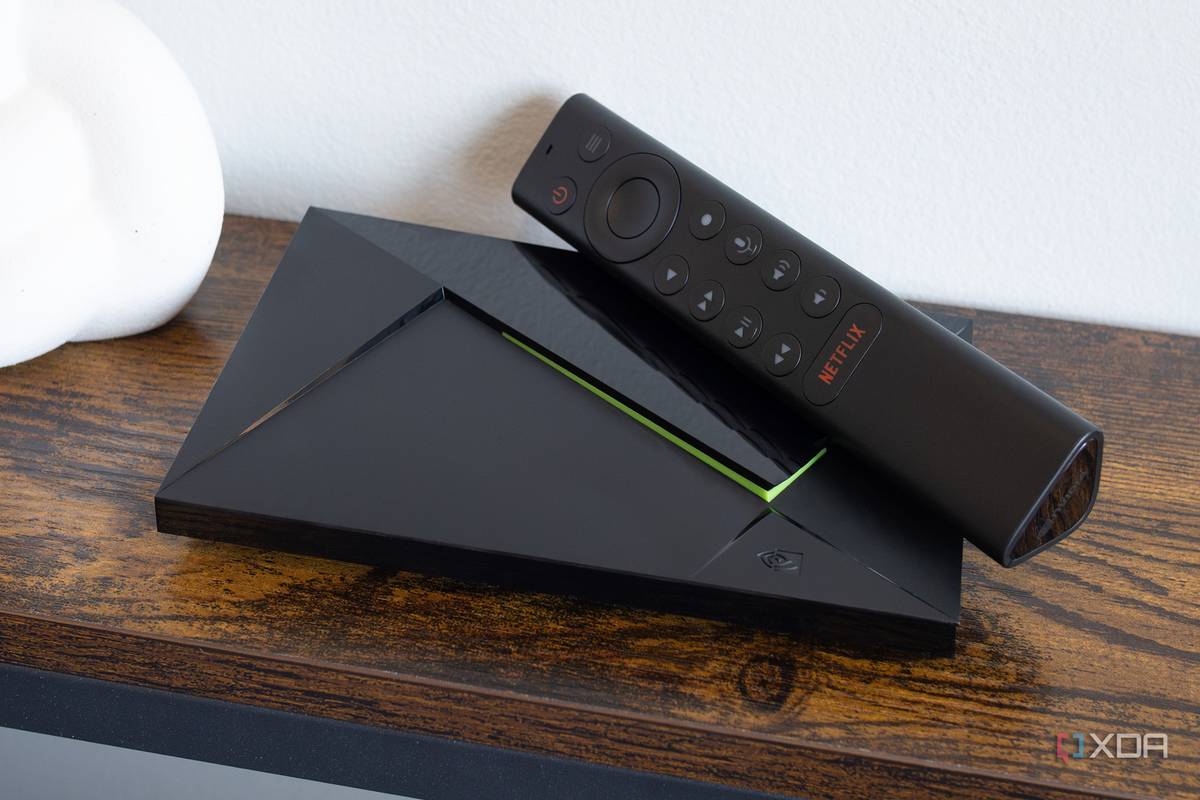
The Bitrate Dilemma in Modern Home Theaters
In high-end home cinema setups, the physical difference between lossy and lossless audio is immediately noticeable. Lossless formats contain up to ten times the data of compressed streaming audio, providing unparalleled spatial detail and dynamic range. When a streaming box fails to support passthrough, your receiver cannot unpack these spatial cues, rendering expensive speaker systems underutilized. The Nvidia Shield TV bypasses these system limitations completely, acting as a clean digital pipe for your audio data.
Furthermore, the software ecosystem of Android TV allows for advanced audio players like Kodi and Just Player to communicate directly with the hardware. Amazon’s heavily modified Fire OS frequently interferes with these deep-level system permissions, leading to sync issues and unexpected audio dropouts. For those prioritizing long-term stability in their media centers, the choice remains clear.
Under the Hood: The 64-Bit Architecture Gap
A major differentiator between these two flagship streamers is the underlying system architecture that governs application management and local hosting. The Nvidia Shield TV Pro runs on a robust 64-bit operating system architecture, enabling it to act as a fully functional, standalone Plex Media Server. This allows you to host your massive movie library directly on the device and stream content to other screens in your home. You do not need to leave an expensive, power-hungry desktop computer running all night just to watch a movie in your bedroom.
The modern Fire TV Cube is severely hobbled by a restrictive 32-bit architecture that completely prevents it from hosting local server applications. While it can act as a basic client to stream files from another server, it cannot manage, index, or distribute the media library itself. This limitation severely devalues the Cube for anyone trying to build a self-contained, cloud-free home entertainment ecosystem. Managing files on Amazon’s closed operating system is a continuous exercise in frustration due to these technical limitations.
To make matters worse, the Fire OS platform restricts user directory access, making it difficult to sideload essential utility applications. In contrast, the open-ended nature of the Android TV ecosystem on the Shield welcomes custom file structures and third-party media players. This software freedom is why the older device continues to command a premium price on the secondary market. If you are planning to upgrade your entertainment center, exploring modern home theater setups can help you make an informed decision.
By keeping the system architecture open, NVIDIA has allowed a vibrant developer community to optimize applications specifically for the Tegra X1+ platform. This level of support ensures that even as apps grow more demanding, the hardware handles them gracefully. The Fire TV Cube, despite its faster octa-core processor, often feels bogged down by heavy advertising banners and background data tracking.
Technical Breakdown: Side-by-Side Hardware Comparison
To truly understand how a device from 2019 can challenge a modern $200 streaming box, we must look at the physical specifications. While newer processors offer theoretical speed advantages, real-world performance is heavily dictated by memory bandwidth, thermal management, and port selections. The following table highlights the critical differences between these two premium media players.
| Hardware Feature | Nvidia Shield TV Pro (2019) | Amazon Fire TV Cube (3rd Gen) |
|---|---|---|
| System Architecture | 64-bit Architecture | 32-bit Architecture |
| Lossless Audio Passthrough | Full (TrueHD, Atmos, DTS:X, DTS-HD) | Highly Limited / No TrueHD Passthrough |
| Plex Server Capability | Yes (Full Server & Client) | No (Client Only) |
| Physical USB Ports | 2x USB 3.0 Type-A | 1x USB-A (Requires OTG Adapter for expansion) |
| Ethernet Speed | Gigabit Ethernet (1000 Mbps) | Fast Ethernet (100 Mbps) |
| Cloud Gaming Platform | GeForce NOW (Up to 4K/60FPS) | Amazon Luna (Up to 1080p/60FPS) |
While the Fire TV Cube boasts newer Wi-Fi 6E capabilities and HDMI 2.1 inputs, its internal bottlenecks severely restrict these modern advantages. A wireless connection can never truly replace the reliability of a physical gigabit line when streaming high-bitrate, local 4K files. By saving pennies on basic Ethernet hardware, Amazon has compromised the performance of its most expensive streaming device.
GeForce NOW vs Amazon Luna: The Cloud Gaming Divide
NVIDIA’s deep history in the PC graphics industry gives the Nvidia Shield TV an overwhelming advantage in cloud-based interactive entertainment. Through the integration of the GeForce NOW platform, this compact streaming device transforms into a high-end gaming console. You can easily stream graphically intensive PC games from your personal libraries on Steam, Epic Games Store, and Xbox Game Pass at stunning 4K resolutions. With a fast, low-latency internet connection, the gameplay feels incredibly close to running on local, expensive hardware.
Amazon attempts to compete in this space with its built-in Luna cloud gaming service, but the overall experience feels incredibly restricted. Luna caps its visual output at a modest 1080p resolution, which looks soft and compressed on modern, large-screen 4K television displays. Furthermore, the library is restricted to specific publisher channels and rotating selections, forcing you to pay additional monthly subscription fees to access games you may already own elsewhere.
Pairing gaming accessories is another area where the user experience on both devices diverges significantly. The Shield TV connects flawlessly with almost any Bluetooth controller, including the official PlayStation 5 DualSense and Xbox Series X controllers. It utilizes advanced driver integration to reduce input lag, ensuring fast-paced action games remain responsive and highly playable. For those tracking trending streaming media news, the Shield remains the premier choice for media center gaming.
The capability of the Tegra X1+ processor to handle demanding video decode streams is central to this cloud gaming performance. Even though it lacks hardware decoding for the newer AV1 codec, its optimization for H.264 and HEVC streams is legendary. This means you get a highly stable frame rate without the visual stuttering that often plagues cheaper, newer processors during intense gameplay sequences.
Physical Connectivity: Why USB Ports and Gigabit Ethernet Matter
When you look closely at the physical design of both streaming devices, their manufacturing philosophies could not be more different. The Nvidia Shield TV Pro provides two full-sized, high-speed USB 3.0 ports directly on the back of its chassis. These ports allow you to connect external solid-state drives, over-the-air tuners, and keyboard peripherals without needing messy, unstable USB hubs. This physical versatility is what makes the Shield an incredibly resilient centerpiece for any advanced home media ecosystem.
In contrast, the Fire TV Cube offers a highly compromised port selection, expecting users to rely almost entirely on wireless cloud storage. Expanding the local storage on the Cube requires purchasing separate OTG adapters, which can limit data transfer speeds and introduce connection instability. Even worse, the built-in Ethernet port on Amazon’s $200 device is limited to an archaic 10/100 Mbps standard. For high-bitrate 4K Blu-ray rips that regularly exceed 100 Mbps peaks, this hardware limitation causes constant, frustrating buffering cycles.
NVIDIA designed its streaming box like a miniature personal computer, incorporating a small, whisper-quiet internal fan to prevent thermal throttling. This active cooling system ensures the processor can run at maximum performance indefinitely, even when transcoding high-definition video files. The Fire TV Cube relies on passive cooling, which can cause the device to throttle its processing speeds during prolonged, heavy usage periods.

The Value of Over-Engineered Consumer Electronics
The enduring popularity of the Shield Pro proves that buying over-engineered technology is often much cheaper in the long run than purchasing cheap, frequent upgrades. While other manufacturers release minor, incremental updates every year, NVIDIA’s initial uncompromising vision has successfully stood the test of time. This dedication to hardware excellence has saved consumers hundreds of dollars in replacement costs over the last half-decade.
Furthermore, NVIDIA has consistently updated the software experience, keeping the user interface modern and highly responsive. This level of long-term manufacturer support is incredibly rare in the fast-moving world of Android-based streaming sticks and boxes. When you purchase a Shield, you are investing in a platform that has earned the trust of the global tech community through years of consistent performance.
People Also Ask
Why did Amazon raise the price of the Fire TV Cube to $200?
Amazon quietly increased the price of the Fire TV Cube due to rising global component costs, particularly memory and RAM pricing inflation. This change occurred in August without any hardware upgrades, leaving the internal specifications identical to the cheaper launch version.
Does the 2019 Nvidia Shield TV support 4K Dolby Vision?
Yes, the 2019 Nvidia Shield TV and Shield TV Pro fully support 4K Dolby Vision and HDR10 content. They also feature an advanced AI-powered 4K upscaling engine that enhances lower-resolution content in real-time.
Can the Amazon Fire TV Cube run a Plex Media Server?
No, the Amazon Fire TV Cube cannot run a Plex Media Server because of its restrictive 32-bit operating system architecture. It can only function as a Plex client to play media hosted on other devices like computers or NAS drives.
Why is the Nvidia Shield TV still so popular?
The Nvidia Shield TV remains popular because of its unmatched lossless audio passthrough, full Gigabit Ethernet, 64-bit architecture, and exceptional 4K cloud gaming performance through GeForce NOW. It continues to offer more flexibility than newer, more locked-down streaming boxes.
The Final Verdict on the Nvidia Shield TV Legacy
Ultimately, the recent price hike of the Amazon streaming box highlights a growing problem in the consumer electronics industry. When a brand-new $200 device cannot match the core local media functionality of a 2019 competitor, the market has clearly stalled. The Nvidia Shield TV remains the definitive choice for home theater purists, high-fidelity audio collectors, and cloud gamers alike.
While Amazon continues to lock down its Fire OS operating system with heavy advertisements and restricted file access, NVIDIA continues to support its classic hardware. This dedication to long-term software updates has created an incredibly loyal community of home entertainment enthusiasts. Before you spend $200 on Amazon’s latest streaming cube, consider investing in a platform that has already stood the test of time. You will get a more versatile, powerful, and liberating media experience that easily justifies its legendary reputation.
More Like This
For more updates, check out our latest entertainment and sports news.