Key Takeaways
| Creative Exodus: Neil Druckmann and Naughty Dog have officially stepped down from future television production roles. |
| Solo Showrunner: Craig Mazin will now manage the adaptation alone, elevating fears of thematic sanitization. |
| Studio Pivot: Naughty Dog is focusing all development power on their new IP, Intergalactic: The Heretic Prophet. |
| Fan Backlash: Divisive narrative adjustments in Season 2 heavily contributed to the sudden creative shakeup. |
You might think that the post-apocalyptic landscape of television adaptations is completely safe, but a major creative tremor has just shaken the foundation of television’s biggest gaming hit. The Last of Us Season 3 is officially moving forward without its original visionary, sending shockwaves through both the gaming and television industries. Neil Druckmann, the co-creator of the legendary gaming franchise and co-showrunner of the first two seasons, has formally exited the HBO production. This massive departure signals the absolute end of an era, leaving the future of Ellie and Abby’s tragic narrative entirely in the hands of Craig Mazin. According to verified industry reports, Naughty Dog is redirecting all of its internal talent toward its next major interactive project, leaving the prestige drama to navigate its most complex narrative chapters alone. Readers can monitor exclusive entertainment industry updates as this transition begins to unfold in production.
The Last of Us Season 3 Creative Shakes
The departure of Neil Druckmann marks a massive structural shift for the franchise’s television presence. For two seasons, the creative tension between Druckmann and Chernobyl creator Craig Mazin was the secret formula that broke the long-standing video game adaptation curse. Druckmann provided the ultimate lore safety net, ensuring that Mazin’s dramatic expansions remained aligned with the core themes of the franchise. This collaboration yielded historic Emmy nominations and record-shattering viewership numbers for HBO. Now, with Druckmann stepping away, that crucial system of checks and balances has vanished.
The Risk of Solo Showrunning
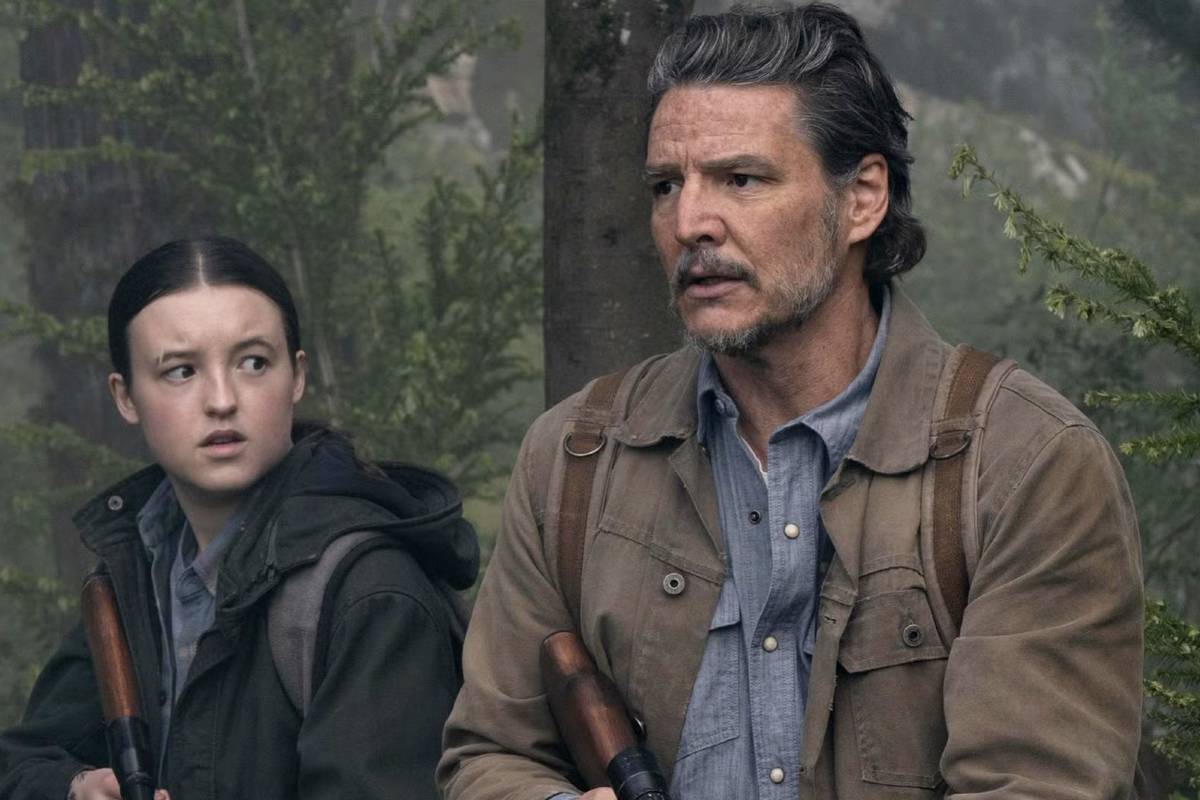
Without a creator at the helm, the series risks losing the delicate narrative subtext that made the original games so profoundly moving. Craig Mazin is a highly accomplished writer, but his tendency to over-explain character motivations has often clashed with Druckmann’s quieter, more subtle approach. In the original games, the bond between Joel and Ellie was forged through unspoken actions, shared trauma, and quiet moments of gameplay. In contrast, the television adaptation has frequently relied on explicit, heavy-handed dialogue to spell out emotional arcs for the audience.
This shift was already apparent in Season 2, where critical changes to Ellie’s journey polarized long-time fans. The decision to dramatically reduce Ellie’s body count during her descent into the Washington Liberation Front territory diluted her psychological transformation. In the game, the sheer weight of her violent actions makes her loss of humanity feel terrifyingly earned. By sanitizing her actions for television, the adaptation weakened the primary theme of the narrative cycle of violence. With Mazin operating without Druckmann’s creative restraint, The Last of Us Season 3 could double down on these heavy-handed adaptation choices.
Furthermore, the departure of co-writer Halley Gross ahead of production compound these narrative challenges. Gross was instrumental in shaping the complex, dual-protagonist structure of the second game, ensuring that Abby’s perspective mirrored Ellie’s descent. Her absence, combined with Druckmann’s exit, leaves Mazin as the singular voice guiding a story that originally required a highly collaborative brain trust. Fans are left wondering whether a single writer can capture the deeply nuanced grief that defines this post-apocalyptic masterpiece.
Historically, television dramas that lose their original creators suffer from rapid narrative drift and simplified character dynamics. HBO executives led by Casey Bloys have previously managed major creative transitions, but none with a property so deeply tied to a specific creator’s voice. Without Druckmann to advocate for the raw, uncompromised spirit of the game, the series could easily transform into a standard Hollywood melodrama. The upcoming production cycle will test whether Mazin can maintain the franchise’s unique identity without its founding architect.
Comparative Television Production Metrics
To understand the true scale of this transition, we must examine how the structural differences between the seasons are expected to impact the production quality and audience reception. The financial realities of HBO’s production budgets rely heavily on creative stability and proven intellectual property. According to IMDb’s production credits for the HBO series, the network invested over $15 million per episode during the initial season. This massive financial commitment demands a reliable creative framework that maintains viewer trust.
| Production Season | Key Creative Showrunners | Source Material Fidelity | Primary Narrative Style |
|---|---|---|---|
| Season 1 | Craig Mazin & Neil Druckmann | High (Direct Game Translation) | Subtle, Character-Driven, Immersive |
| Season 2 | Mazin & Druckmann (Partially) | Moderate (Major Chronological Changes) | Explicit Dialogue, Divisive Pacing |
| Season 3 | Craig Mazin (Solo) | Low to Moderate (Highly Original) | Expository, High Drama, Divergent Arcs |
This dramatic evolution shows a clear trajectory away from the meticulous pacing of the original games. While Season 1 enjoyed nearly universal acclaim, the shifting dynamics of Season 2 created an intense debate among viewers. The upcoming third season represents an entirely uncharted territory for the franchise, as the television show must now construct original dialogue and structural beats without the direct oversight of the mastermind behind the entire intellectual property.
Historically, maintaining audience engagement during massive creative turnovers is one of television’s hardest challenges. According to Wikipedia’s comprehensive history of The Last of Us adaptation, the first season pulled in over 30 million viewers across various platforms. This level of success is difficult to replicate when the core creative team is dismantled. The network is banking heavily on Craig Mazin’s proven track record, but the absence of the franchise’s original architect leaves a glaring void. Viewers can track breaking television news and analysis to see how these production metrics translate to ratings.
Logistical challenges also loom large over the upcoming episodes. Filming the massive, action-heavy sequences of Seattle and Santa Barbara requires immaculate timing and deep narrative integration. Druckmann’s expertise in directing performance capture was a vital asset when translating these complex environments to physical sets. Now, the burden of managing these gargantuan production demands falls squarely on Mazin, who must balance spectacle with character development without his creative partner.
The Naughty Dog Strategic Shift
The official explanation for Neil Druckmann’s departure centers on a massive realignment of corporate resources at Naughty Dog. Developing AAA video games has become an extraordinarily time-consuming and expensive endeavor, with modern development cycles lasting upwards of five to six years. For Druckmann, balancing the intense day-to-day demands of co-running an HBO prestige drama while managing a premier Sony PlayStation studio proved to be unsustainable. The studio’s primary focus has officially shifted to their highly anticipated new intellectual property, Intergalactic: The Heretic Prophet.
An Expert Take on Studio Prioritization
Industry analysts suggest that Naughty Dog simply could not afford to keep its top creative mind away from the studio during such a critical developmental phase. With the gaming industry facing massive consolidation and heightened pressure to deliver blockbuster sales, Druckmann’s hands-on leadership at Naughty Dog is essential. While the television series is a valuable brand extension, the core financial health of the studio depends on releasing ground-breaking interactive experiences. Stepping away from the TV show allows Druckmann to protect Naughty Dog’s primary business model while letting HBO handle the adaptation independently.
This strategic pivot also highlights the growing divide between game developers and Hollywood studios. While initial collaborations are often tightly controlled to ensure brand consistency, long-term television productions require a level of dedication that gaming executives cannot realistically maintain. By handing the keys of the TV show entirely to Craig Mazin, Naughty Dog is attempting to establish a clean boundary between the interactive medium and passive entertainment. However, this clean break leaves the television adaptation vulnerable to the typical pitfalls of television writers’ rooms operating without original source-material creators.
Furthermore, Sony’s broader multimedia strategy relies on keeping its developer talent focused on creating the software that drives console sales. While projects like the Twisted Metal series and the Uncharted film franchise expanded the audience, they did so under the guidance of dedicated television and film producers. Naughty Dog’s decision to pull Druckmann back into the game development fold shows a clear boundary. The priority will always be the games first, leaving the television adaptations as secondary, independent entities.
Druckmann’s personal career ambitions also play a significant role in this transition. Having spent years managing corporate demands and television production schedules, his return to pure game design is a passion-driven move. Intergalactic: The Heretic Prophet represents Naughty Dog’s first entirely new intellectual property in over a decade. Crafting a brand-new universe requires the undivided attention of its lead creator, making his exit from television an absolute necessity for the studio’s creative future.
How Season 2 Changes Impacted the Narrative
The cracks in the adaptation’s armor began showing during the highly controversial second season. Unlike the first season, which stayed remarkably close to the original 2013 game, Season 2 made structural changes that significantly altered the emotional weight of the story. One of the most glaring issues was the decision to reveal Abby’s true identity and background almost immediately. In the game, players are forced to spend hours tracking down an unknown monster, only to experience a jarring perspective shift that forces them to empathize with her. By revealing her cards too early, the television show robbed the audience of the story’s most shocking psychological twist.
Additionally, the sanitization of Ellie’s actions during her quest for vengeance undermined her character arc. The game depicts Ellie committing horrific acts of violence, leaving a trail of bodies that forces the player to question her morality. In the HBO adaptation, her body count was significantly reduced, which diluted her descent into darkness. The consequence of this choice is a version of Ellie that feels far more conventional and less tragic than her digital counterpart. These narrative adjustments represent a broader trend in television writing where challenging, morally grey characters are softened to appeal to a wider demographic.
With Mazin now writing solo, there is a legitimate fear that original television characters will continue to crowd out the source material. Season 1 and 2 introduced several original characters, such as Kathleen and Gail, who received mixed reactions from the core fanbase. While some additions helped flesh out the world, others felt like unnecessary filler that distracted from the central relationship. Without Druckmann’s influence to keep the focus strictly on the core themes, the story could see an influx of original television subplots that further dilute the intense, personal focus of the games.
The lack of thematic subtext remains a primary concern among the gaming community. Craig Mazin’s writing often favors explicit, verbalized emotion over the quiet, atmospheric storytelling that defined the game. In the original interactive format, players understood the deep bond between the characters through shared silent gameplay, whereas the show has characters repeatedly state their feelings out loud. This approach risks transforming a subtle masterpiece of psychological trauma into a conventional television drama. As production continues, fans can check the latest streaming performance reports to see how the public reacts to this massive shift.
Ultimately, the television adaptation must find a way to honor the extreme emotional stakes of the source material without making it feel formulaic. The second game’s narrative was intentionally designed to make players feel uncomfortable, challenged, and conflicted. If the show continues to smooth over these rough creative edges to please general television audiences, it risks losing the very soul of the franchise. Mazin’s ability to navigate these narrative landmines solo will determine the ultimate legacy of the adaptation.
People Also Ask
Why did Neil Druckmann leave the HBO series?
Neil Druckmann stepped away from the HBO adaptation to focus entirely on Naughty Dog’s upcoming game, Intergalactic: The Heretic Prophet. The massive scope of modern AAA game development required his full attention at the studio.
Is Craig Mazin writing the show alone now?
Yes, Craig Mazin is serving as the primary showrunner and writer for the upcoming season without Neil Druckmann. Co-writer Halley Gross has also departed from the creative team.
What are the main criticisms of Season 2?
Critics and fans pointed out that Season 2 revealed Abby’s identity too early, ruining a major twist. Additionally, reducing Ellie’s violent actions diluted her psychological descent into darkness.
When will Season 3 of the HBO series release?
While an official release date has not been locked in, production schedules and industry estimates indicate that Season 3 is targeted for a 2026 premiere on HBO.
The Future of The Last of Us Season 3
The departure of the original creators means that The Last of Us Season 3 will represent a massive gamble for HBO. Craig Mazin must now prove that he can capture the deep emotional complexity and gritty atmosphere of this universe without the guidance of Neil Druckmann. It is a challenge that will define the legacy of the television series. If Mazin succeeds, he will cement his reputation as one of the finest adaptation minds in television history. If he fails, the show will likely join a long list of promising adaptations that lost their way after departing too far from their source material.
As fans look toward the future, the anticipation is mixed with a healthy dose of skepticism. The incredible heights of the first season proved what was possible when game creators and television writers worked in perfect harmony. With that harmony now gone, the television adaptation must forge a new path in a dangerous, post-apocalyptic world of its own making. Keep tracking development updates to see how this dramatic creative shift unfolds on the small screen.
Casting choices will also play a critical role in how the solo-run series is received. With Kaitlyn Dever portraying Abby and Isabela Merced stepping into the role of Dina, the performances must carry immense emotional weight. Without Druckmann on set to guide these actors through the psychological nuances of their digital counterparts, the responsibility falls entirely on Mazin’s directing choices. The chemistry between these new cast members will be vital in keeping audiences invested in the complex, split narrative.
In the grander scheme of entertainment history, this transition serves as a cautionary tale about the difficulties of cross-media collaboration. While the partnership lasted, it produced some of the most memorable moments in modern television. Now, as the paths of game development and television production diverge, the industry will watch closely to see if a solo showrunner can sustain the magic of a shared vision. The ultimate fate of The Last of Us Season 3 remains one of the most compelling stories in modern television.
More Like This
For more updates, check out our latest entertainment and sports news.