{
“title”: “Apple TV: 7 Massive Secrets Behind This Tragic Project Collapse”,
“content”: “
Apple TV just proved that even the most powerful tech giant on the planet cannot always tame the savage beast of 1980s literary satire. You might think that a platform with bottomless pockets could buy its way into a masterpiece, but the recent cancellation of the Bonfire of the Vanities adaptation shows a different reality. This project was supposed to be the ultimate prestige drama for the streaming era, yet it ended up as another cautionary tale in the graveyard of failed adaptations.
\n\n
You have likely followed the rise of Apple TV as it collected Oscars and Emmys, making it the envy of Hollywood’s old guard. However, this specific failure hits harder because it involved industry titans David E. Kelley and Matt Reeves. Their departure from the project signals a massive shift in how the streamer handles high-stakes creative differences and expensive development cycles.
\n\n

\n\n
Apple TV and the Curse of Tom Wolfe
\n
Apple TV entered the ring hoping to succeed where legends like Brian De Palma failed three decades ago. The original 1987 novel by Tom Wolfe is a sprawling, cynical masterpiece that captured the soul of New York City during a time of extreme greed and racial tension. Many critics believe the book is fundamentally unfilmable because its brilliance lies in Wolfe’s internal monologues and biting narrative voice.
\n\n
You can see why the executives at Apple TV were originally attracted to the property despite its checkered past in Hollywood. It offers a rich tapestry of characters, from the arrogant bond trader Sherman McCoy to the alcoholic journalist Peter Fallow. The story’s exploration of class warfare and media manipulation feels incredibly relevant in today’s hyper-polarized social landscape, making it a tempting target for a reboot.
\n\n
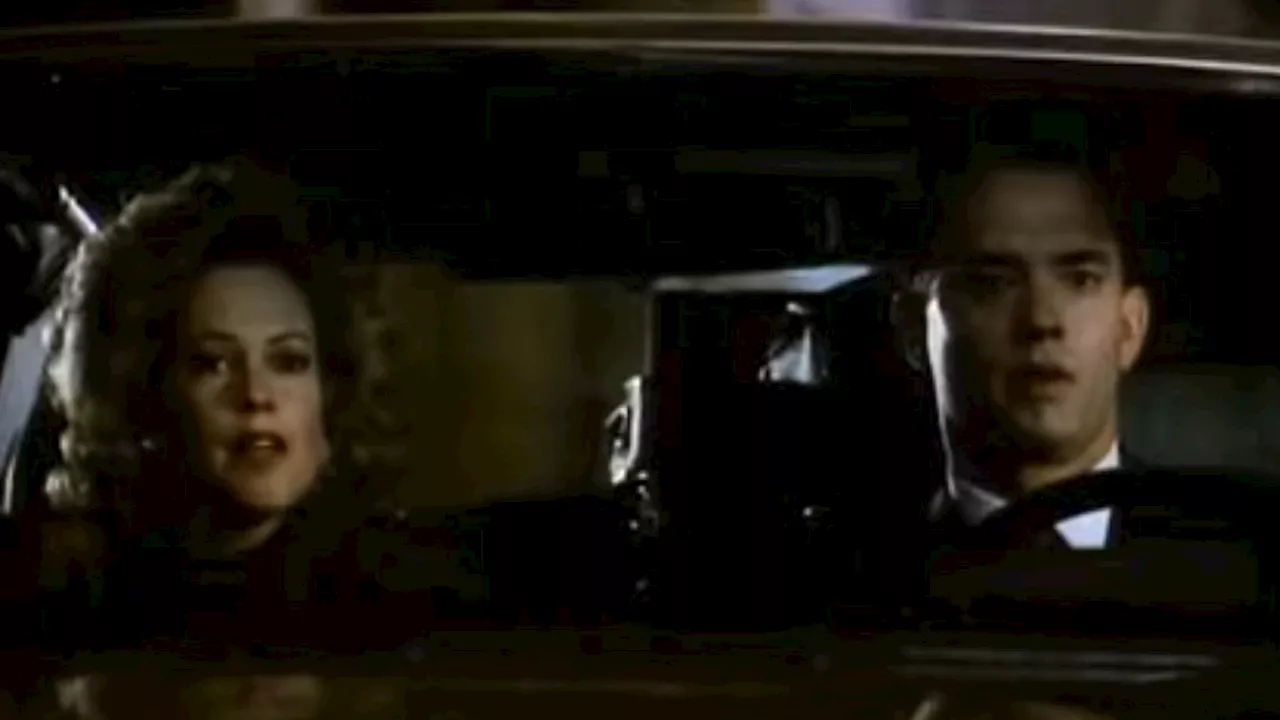
The 1990 film version was such a disaster that it inspired an entire book, The Devil’s Candy by Julie Salamon, which chronicled every mistake made during production. That movie featured massive stars like Tom Hanks, Bruce Willis, and Melanie Griffith, but it still managed to lose millions of dollars. By picking up this project, the leadership at Apple TV was effectively walking into a haunted house of cinema history.
\n\n
The decision to halt development after months of work suggests that Apple TV realized the internal mechanics of the story were too difficult to translate to the screen. Satire requires a very specific tone that balances comedy and tragedy without losing the audience’s empathy. Wolfe’s characters are intentionally unlikable, a trait that often clashes with the desire of modern streaming platforms to create relatable protagonists for global audiences.
\n\n
The Creative Divorce Between Apple TV and David E. Kelley
\n
Apple TV reportedly struggled to find common ground with David E. Kelley, the man behind hits like Big Little Lies and The Undoing. While Kelley is known for his ability to turn literary fiction into binge-worthy television, something went fundamentally wrong during the development of this Tom Wolfe classic. Reports suggest that the parties were not \”creatively aligned,\” which is often industry shorthand for a total breakdown in communication.
\n\n
Kelley is a veteran who expects a certain level of autonomy when he signs on to a project of this magnitude. When a platform like Apple TV starts micromanaging the scripts or the tone, friction is almost inevitable for a creator of his stature. Sources close to the production noted that Kelley was \”not happy\” with how things were progressing, leading to the eventual decision to shop the show elsewhere.
\n\n
You have to wonder if the streamer wanted a more modernized version of the story while Kelley wanted to stick to the 1980s setting. Moving Sherman McCoy into the world of high-frequency trading and TikTok scandals might have felt necessary for a tech-forward company. However, such a change would strip the story of its specific historical context, which is essential to the irony Wolfe intended to convey.
\n\n
The project is now being shopped to other buyers, with Warner Bros. Television leading the charge to find a new home. While Apple TV is officially out of the picture, the pedigree of the remaining team ensures that interest from other streamers will be high. Matt Reeves, fresh off the success of The Batman, remains attached to direct, providing the visual gravitas the project needs.
\n\n
Why Satire Is Dying on Streaming
\n
- \n
- Complexity: Satire requires viewers to understand nuance, which is often lost in the age of second-screen viewing.
- Likability: Modern executives often demand \”save the cat\” moments for characters who are meant to be irredeemable.
- Budget: Period-accurate 1980s sets in Manhattan are prohibitively expensive for a genre that doesn’t always draw massive numbers.
- Sensitivity: The racial and social tensions in the book are a minefield for corporate PR departments in 2024.
\n
\n
\n
\n
\n\n
Why Apple TV Feared the Devil’s Candy Legacy
\n
Apple TV likely looked at the history of this IP and saw a recurring pattern of expensive failure. In the entertainment business, some properties are considered \”radioactive\” because they have burned so many talented people in the past. Even with a massive budget, the risk of producing a high-profile flop can damage a streamer’s reputation among elite creators.
\n\n
The term \”The Devil’s Candy\” has become synonymous with the seductive trap of a big-budget project that looks great on paper but falls apart in execution. Executives at Apple TV are known for their curated approach, preferring a smaller library of high-quality shows over the shotgun approach used by competitors. This strategy makes them more likely to cut their losses early if they sense a project is heading toward disaster.
\n\n
You can check the IMDB page for the 1990 film to see just how poorly it was received by both critics and audiences. The fear of repeating those same mistakes probably loomed large in every production meeting. If David E. Kelley could not crack the code for the pilot script, the platform had every reason to be nervous about committing $100 million or more to a full season.
\n\n
The irony is that Apple TV is one of the few places that could actually afford to get it right. They have the resources to recreate Wall Street in its prime and the patience to let a slow-burn narrative develop. Unfortunately, the creative mismatch proved to be an obstacle that even Tim Cook’s billions could not overcome during the development phase.
\n\n
Matt Reeves and the Apple TV Strategic Shift
\n
Apple TV has been quietly shifting its content strategy over the last eighteen months, moving away from niche literary adaptations toward broader appeals. While Matt Reeves is a visionary director, his schedule is currently dominated by the expansion of his DC Universe and The Batman Part II. This likely created scheduling conflicts that made the development of a complex period piece even more difficult for the studio.
\n\n
When you look at the recent successes of Apple TV, they tend to be high-concept sci-fi or polished thrillers like Silo and Severance. A satirical look at 1980s racial politics might have felt like a relic from a different era of the streamer’s vision. The platform is increasingly focused on projects that have a clear path to multiple seasons and global merchandise or franchise potential.
\n\n
Matt Reeves brings a gritty, grounded realism to everything he touches, which would have been perfect for the streets of the Bronx in the 80s. However, that level of detail requires an immense amount of time and oversight. If Apple TV was not 100% committed to the vision Kelley and Reeves were pitching, it was better to part ways before cameras started rolling and costs spiraled out of control.
\n\n
This exit allows Apple TV to refocus its resources on projects that align better with its current brand identity. For Matt Reeves, it frees him up to focus on his massive Warner Bros. deal while still keeping a hand in the project as it moves to a new potential buyer. The relationship between the director and the streamer remains professional, but the creative spark for this specific story simply wasn’t there.
\n\n
Comparing Apple TV to Other Streaming Powerhouses
\n
Apple TV operates differently than Netflix or Disney+ because it does not rely on subscription revenue to survive. As a tiny part of a multi-trillion-dollar hardware company, the streamer is more of a branding exercise than a standalone business. This gives them the luxury of walking away from projects like Bonfire of the Vanities if they feel it doesn’t meet the \”Apple Standard\” of excellence.
\n\n
You might notice that Netflix often releases shows and cancels them after one season, but Apple TV prefers to kill them in the cradle. This prevents the public embarrassment of a high-budget flop and keeps their hit-to-miss ratio significantly higher than their rivals. However, this perfectionism can also lead to a sterile environment where difficult, challenging art struggle to get past the development committee.
\n\n
Other streamers like HBO or Hulu might have been more willing to lean into the ugliness of the Tom Wolfe characters. Apple TV tends to favor a certain aesthetic—clean, hopeful, or sleek—that doesn’t necessarily mesh with the grimy, cynical world of Sherman McCoy. The \”Master of the Universe\” is a character defined by his flaws, and the streamer may have found him too unpalatable for their global brand image.
\n\n
The [Internal Link: Streaming Wars 2024] reveal that the competition for prestige IP is fiercer than ever. Even though Apple TV passed on this, they are still aggressively bidding for other major properties. Their exit from this deal is less about a lack of ambition and more about a very specific disagreement on how to execute a story that has already defeated some of the best minds in Hollywood history.
\n\n
The Unbearable Cost of Prestige on Apple TV
\n
Apple TV is known for paying top dollar for talent, often outbidding legacy studios to secure names like David E. Kelley. This premium pricing model means that every show must be a massive hit to justify its existence on the platform. When a project starts to show signs of creative trouble, the financial stakes are so high that the pressure to course-correct or cancel becomes overwhelming for the executives.
\n\n
You see this reflected in the massive budgets of shows like The Morning Show or Masters of the Air. If Bonfire of the Vanities was tracking to cost upwards of $15 million per episode, the streamer needed to be certain it would reach Ted Lasso levels of engagement. Satirical period pieces rarely achieve those kinds of numbers, making the project a high-risk, low-reward proposition for a company focused on growth.
\n\n
The development process at Apple TV is notoriously rigorous, involving multiple layers of feedback from both the TV division and the corporate headquarters in Cupertino. This can lead to a \”death by a thousand cuts\” for a script that needs a strong, singular voice to succeed. David E. Kelley likely reached a point where he felt the soul of the story was being lost in the corporate machinery of the tech giant.
\n\n
By spewing out this project, Apple TV is signaling that it is no longer willing to bankroll \”vanity projects\” that don’t have a clear, marketable hook. The days of streamers writing blank checks for every prestige novel adaptation are coming to an end. We are entering an era of austerity where even the richest company in the world is looking for a guaranteed return on its content investment.
\n\n
Sherman McCoy’s Tragic Journey Beyond Apple TV
\n
Apple TV losing this project doesn’t mean the story of Sherman McCoy is dead; it just means it is looking for a new home. The character of Sherman is a Wall Street titan who loses everything after a wrong turn in the Bronx leads to a tragic accident. It is a story about the fragility of power and the ruthlessness of the legal system, themes that are as powerful today as they were in 1987.
\n\n
You can imagine a version of this show on HBO, where the dark humor and social commentary would be allowed to flourish without the constraints of a tech company’s brand guidelines. Now that Apple TV has cleared the way, other platforms can step in and potentially pick up the pieces. Warner Bros. Television already has the scripts, and with Kelley and Reeves still attached, it is an attractive package for any network.
\n\n
The tragedy of the situation is that the delay further pushes back a definitive adaptation of one of the 20th century’s most important novels. Every year that passes makes the 1980s setting feel more like ancient history to younger viewers. If a new home isn’t found soon, the momentum generated by the initial announcement at Apple TV will evaporate, leaving the project in development hell once again.
\n\n
Sherman McCoy’s downfall is a mirror to the excesses of his era, and any successful adaptation needs to capture that specific energy. Apple TV may have choked on the complexity of that task, but the \”Devil’s Candy\” remains a prize that many in Hollywood still want to win. It takes a certain kind of creative courage to tackle Tom Wolfe, and the next platform to take the leap will need plenty of it.
\n\n
Industry Data: Apple TV vs The Competition
\n
To understand why Apple TV made this move, we have to look at the numbers. The streaming landscape is undergoing a massive correction as investors demand profitability over subscriber growth. High-cost dramas with limited appeal are being cut across the board, not just at Apple TV, as companies tighten their belts for a difficult economic climate.
\n\n
| Streaming Platform | Canceled Project | Estimated Budget | Reason for Cancellation |
|---|---|---|---|
| Apple TV | Bonfire of the Vanities | $80M+ (Est.) | Creative Alignment |
| Netflix | The Mothership | $40M | Post-Production Issues |
| Disney+ | The Spiderwick Chronicles | $100M | Cost-Cutting Strategy |
| Amazon Prime | A League of Their Own | $50M | Strike Delays |
\n\n
The data shows that Apple TV is actually more patient than many of its peers, but even they have a limit. When the creative direction of a show becomes a liability, the financial math simply stops working. This table highlights a broader trend where \”Prestige\” no longer provides a shield against the accountant’s red pen in the streaming wars.
\n\n
Psychological Triggers in Apple TV Content Selection
\n
Apple TV uses specific psychological triggers to build its brand, focusing on exclusivity and \”social currency.\” They want you to feel smarter and more sophisticated for watching their shows. A successful Bonfire of the Vanities would have been the ultimate social currency, sparking debates about race, wealth, and justice in every high-end coffee shop and boardroom.
\n\n
However, when the development process becomes toxic, it triggers a different psychological response: the fear of brand dilution. Apple TV is obsessed with maintaining a \”clean\” and premium image. If a show becomes known more for its behind-the-scenes drama and creative infighting than its actual content, it becomes a net negative for the company’s brand equity.
\n\n
You might notice that the streamer rarely engages in public feuds or messy legal battles. They prefer to quietly \”spew out\” a project and move on to the next one before the narrative turns sour. This protective instinct is what likely led to the quick severance of the deal with David E. Kelley once it became clear that a consensus could not be reached on the vision for the series.
\n\n
By letting the project go, Apple TV avoids the risk of producing a mediocre version of a classic story. In the world of high-end tech, a \”good\” product that isn’t \”great\” is considered a failure. They would rather have no Bonfire of the Vanities than a version that critics would tear apart as a shallow imitation of Tom Wolfe’s genius. The psychological need for perfection often trumps the desire for volume.
\n\n
What Happens Next for the Apple TV Castoff
\n
Apple TV has officially closed the book on this chapter, but for Warner Bros. Television, the real work is just beginning. They are now tasked with finding a buyer who has the budget of Apple TV but a more flexible creative approach. It is a tall order in a market that is currently pulling back on spending, but the attachment of Matt Reeves makes it a formidable contender.
\n\n
You should keep an eye on HBO Max or Netflix as potential landing spots for the series. HBO in particular has a long history of successfully adapting difficult literary works, from Game of Thrones to Big Little Lies. They might be the only ones with the \”creative alignment\” necessary to let David E. Kelley fully explore the darker, more ironical aspects of Wolfe’s 1980s New York.
\n\n
The failure of the project at Apple TV will likely become a footnote in the larger history of the streaming wars. It serves as a reminder that even with the best talent and the most money, the “Devil’s Candy” remains one of the most difficult stories to bring to life. Whether it ever reaches our screens or remains a legendary failure is now up to the next brave studio willing to take the risk.
\n\n
Ultimately, Apple TV will continue to thrive by focusing on its core strengths and avoiding the pitfalls of radioactive properties. As for the Bonfire of the Vanities, it remains a searing satire that continues to wait for a filmmaker who can truly master its universe. For now, the bonfire has been extinguished, leaving fans of the novel to wonder what might have been if the tech giant had held on just a little longer.
“,
“parent_category”: “Entertainment”,
“sub_categories”: [
“Streaming News”,
“TV Adaptations”,
“Apple TV+”,
“Hollywood Business”
],
“focus_keyword”: “Apple TV”,
“slug”: “apple-tv-bonfire-vanities-cancelation”,
“tags”: [
“Apple TV+ Canceled Shows 2024”,
“David E. Kelley Net Worth 2026”,
“Matt Reeves The Batman Part II”,
“Tom Wolfe Bonfire of the Vanities Adaptation”,
“Warner Bros Television Deals”,
“Sherman McCoy Character Analysis”,
“The Devil’s Candy Julie Salamon”,
“Apple TV Creative Alignment”,
“Best Streaming Dramas 2025”,
“Hollywood Project Cancellations”,
“1980s New York Satire”,
“Brian De Palma Bonfire Movie Flop”,
“Streaming War Losses 2024”,
“Prestige TV Development Hell”,
“Apple TV vs HBO Max 2024”
],
“seo_description”: “Apple TV has officially axed its ambitious Bonfire of the Vanities adaptation, leaving David E. Kelley and Matt Reeves to find a new home for the 1980s satire.”,
“thumbnail_text”: “Tragic Project Collapse!”
}
More Like This
For more updates, check out our latest entertainment and sports news.