Key Takeaways
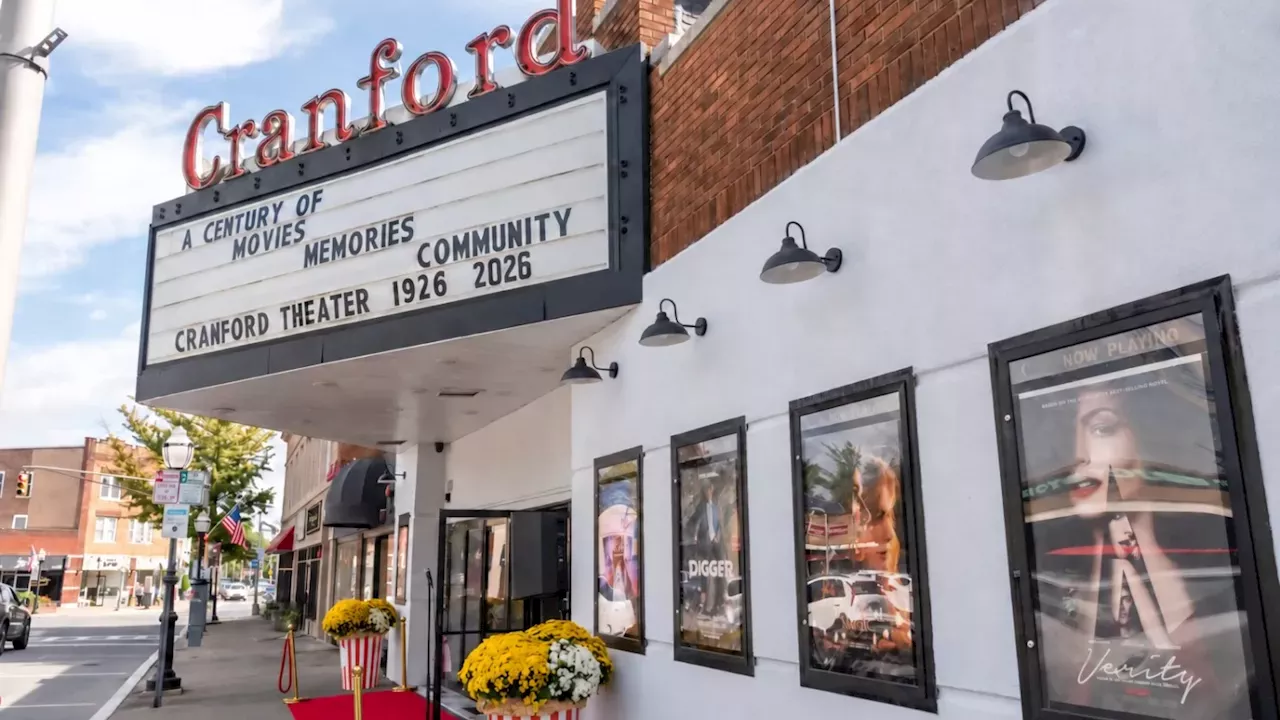
| Centennial Milestone: The Cranford Theater prepares to celebrate its 100th anniversary in 2026. |
| Adaptability Tactics: The theater survived the pandemic by launching a pop-up drive-in and selling concessions curbside. |
| Infrastructure Resilience: Despite a major ceiling collapse in 2025, the venue reopened within seven months. |
| Community Programming: Diversified events like comedy and local film screenings drive higher engagement than traditional exhibition. |
The Cranford Theater business model serves as a masterclass in modern exhibition survival, proving that an indie movie house can thrive even as the industry pivots toward streaming dominance. For nearly a century, this Union County, New Jersey landmark has weathered economic shifts, global health crises, and structural disasters, all while maintaining its status as a family-run pillar of the local community. Doreen Sayegh, the current operator, has transformed a relic of the past into a hyper-localized hub that prioritizes shared human experiences over passive consumption.
You might wonder how a small-town cinema remains relevant when blockbuster giants dominate the multiplex space. The answer lies in relentless reinvention. From selling popcorn through car windows during the pandemic to hosting advance screenings for high-profile New Jersey-based film productions, the venue thrives on the very concept of community connection. This article explores how legacy businesses bridge the gap between historic charm and modern revenue-generating strategies.

The Cranford Theater Business Model and Legacy
Founded in 1926, the Cranford Theater began as a venue for silent films. Today, the operation is run by Doreen Sayegh, who grew up within the walls of the theater. Her father, Jesse Y. Sayegh, purchased the venue in 1997, solidifying the family’s influence on the local cinema landscape. While the industry saw a trend toward corporate consolidation, the Sayegh family maintained an independent spirit, prioritizing audience demand over generic national programming.
The transition from a twin-screen venue to a five-screen destination in the late 90s marked a turning point for the business. However, the true test arrived when COVID-19 forced shuttered doors and empty lobbies. Sayegh’s decision to rent a nearby parking lot and launch an outdoor drive-in was more than a stop-gap; it was a brand-building exercise. By selling out in under 90 seconds, the theater proved that its audience craved social connection above all else.
Maintaining the Cranford Theater business model requires balancing fiscal responsibility with cultural programming. Unlike corporate chains, Sayegh relies on direct community feedback, booking films and events that align with what her neighbors want to see. This hands-on management style ensures that every ticket sold is an investment in the town’s social fabric. You can read more about local independent cinema trends and how small operators continue to challenge the status quo.
The Role of Community Engagement
Community outreach is not just a marketing tactic for this cinema; it is the core of their business strategy. By hiding golden tickets at local businesses and hosting diverse events like piano recitals and comedy nights, the theater ensures it is a multi-purpose destination. This diversification is essential to survive the volatile film release schedules often dictated by Hollywood strikes or shifts in production.
Adapting to Physical Setbacks
The resilience of the venue was tested in April 2025 when a ceiling collapse forced a seven-month closure. The quick, safe evacuation of patrons prevented a tragedy, and the community’s support during the rebuild proved the emotional value of the building. Reopening in November 2025 with glowing neon signage was not just a restoration of a building, but a reaffirmation of the theater’s promise to the future.

Financial Resilience and Performance Metrics
Data-driven decisions are often what distinguish surviving theaters from those that shutter. The ability of the Cranford Theater to pivot, whether through curbside popcorn sales or selling out a temporary drive-in, highlights a nimble operational structure. Below is a breakdown of how the theater has maintained its viability against external pressures.
| Era / Event | Survival Strategy | Outcome |
|---|---|---|
| 1997 Acquisition | Expanding screens from 2 to 5 | Increased capacity/revenue |
| 2020 Pandemic | Drive-in pop-up / curbside snacks | Sold out in 90 seconds |
| 2025 Ceiling Collapse | Total renovation and rebuild | Reopened in 7 months |
For those tracking cinematic industry trends at IMDb, the case of the Cranford Theater is a primary example of how local venues can host advance screenings for major Hollywood pictures. These events bring cast and crew into town, driving traffic to local restaurants and shops, which builds a symbiotic relationship between the business and the municipality.
The Multi-Generational Vision
Looking toward the next 100 years, the focus is on growth and succession. Doreen Sayegh emphasizes that she is currently stewarding the business for the next generation, including her five-year-old daughter. The lessons learned at the concession stand at age eight have created a lifelong commitment to the industry that is rare in the age of algorithm-driven entertainment.
This intergenerational transfer of knowledge is what keeps the business from becoming a museum piece. By treating every customer with personal attention and maintaining high standards for the theater environment, the Sayegh family ensures that the cinema remains a vibrant, living entity. For more insights into how independent venues maintain influence, keeping an eye on such legacy businesses is essential.
People Also Ask
What happened to the Cranford Theater in 2025?
In April 2025, a portion of the theater’s ceiling collapsed. Everyone inside was safely evacuated, and the theater reopened in November 2025 after a seven-month renovation period.
How does the Cranford Theater stay competitive against streaming?
The theater competes by offering unique community experiences, such as live piano recitals, comedy shows, and advance screenings of local film productions, which cannot be replicated on home screens.
When is the Cranford Theater celebrating its centennial?
The theater is preparing to mark its 100th anniversary in late 2026, honoring its legacy with special throwback screenings of the original silent films from 1926.
Is the Cranford Theater still family-run?
Yes, the theater remains a family-run business under the ownership and operation of Doreen Sayegh, following the legacy started by her father, Jesse Y. Sayegh.
Final Thoughts
The enduring success of this century-old institution is a testament to the power of community-focused management. The Cranford Theater business model succeeds not because it attempts to out-spend corporate chains, but because it out-connects them. By valuing local history and remaining agile in the face of disaster, the theater has secured its place in the heart of New Jersey. Whether you are a local resident or a fan of independent film, the story of this venue serves as a reminder that the big screen is, and will remain, an essential space for collective human experience.
More Like This
For more updates, check out our latest entertainment and sports news.