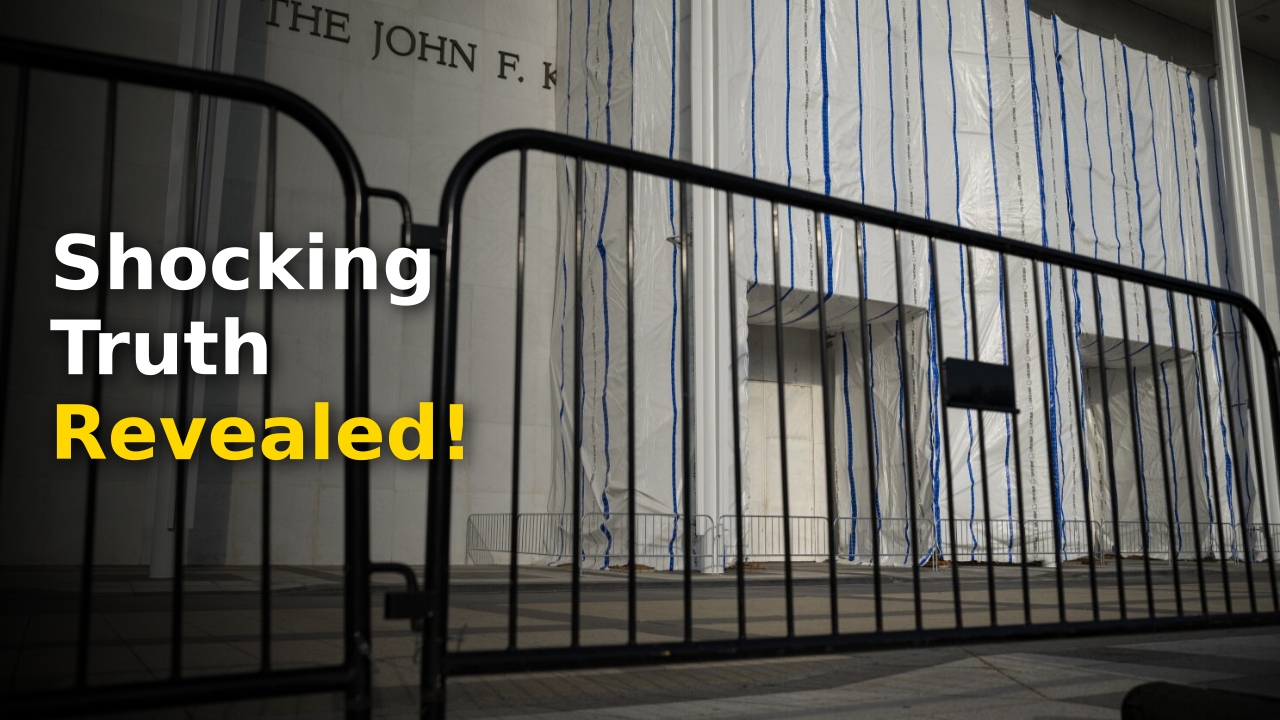
Key Takeaways
| The **Kennedy Center closure** has sparked a national debate over political influence in American cultural institutions. |
| Structural safety claims are being challenged by the Justice Department, which argues no emergency exists. |
| A $250 million renovation plan is moving forward without competitive bidding processes. |
| The administration’s focus on renaming the building has raised concerns regarding the preservation of arts infrastructure. |
The Kennedy Center closure currently serves as the epicenter of a widening rift between federal oversight and the preservation of American cultural identity. When a historic pillar of the nation’s arts scene shuts its doors, you are not just witnessing a building maintenance issue; you are seeing the potential erosion of the public imagination itself.
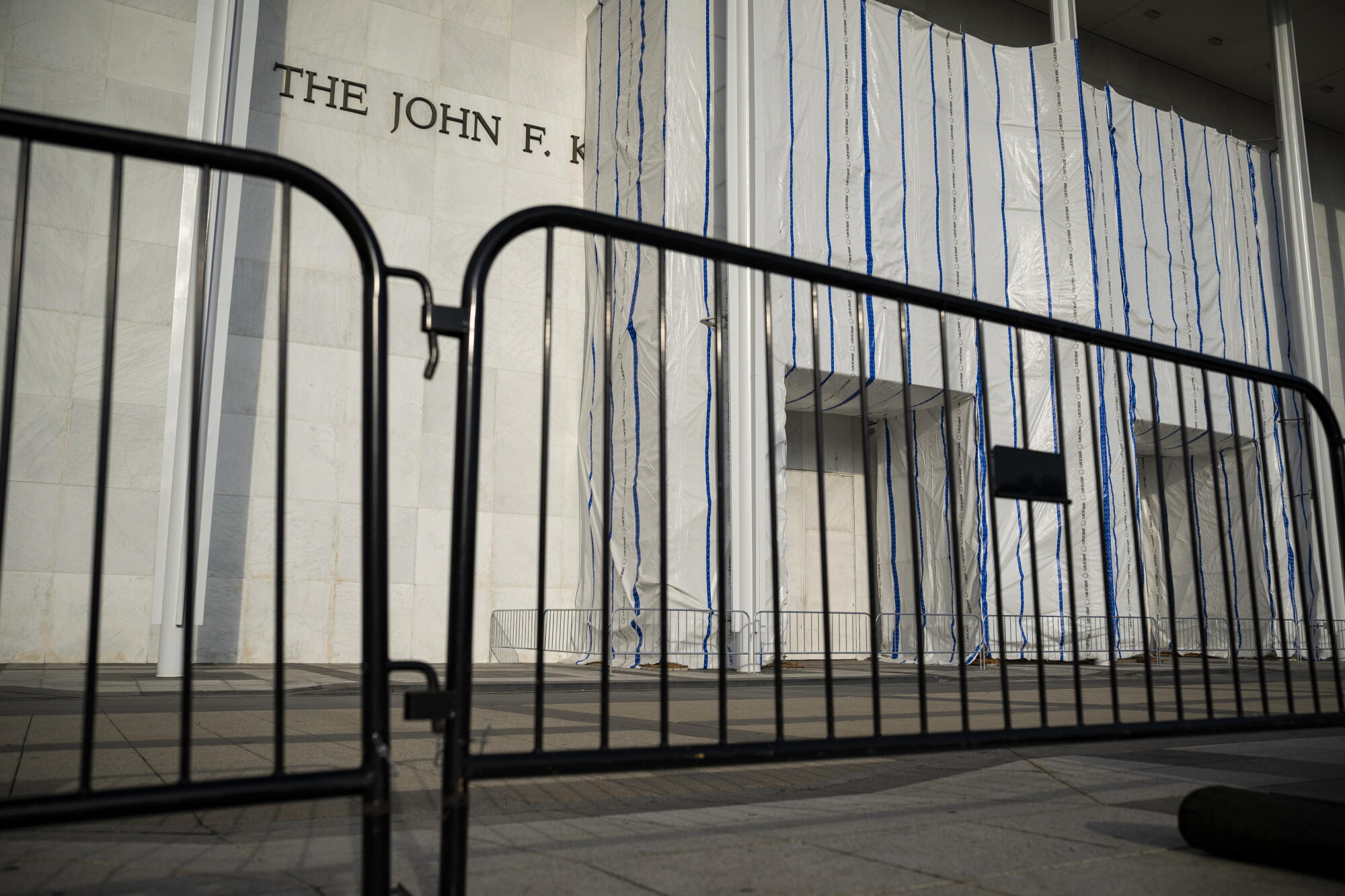
Reports from former insiders, including high-level staff members, suggest that the facility’s shuttering last month—nominally due to a ceiling collapse in the Grand Foyer—masks a more aggressive political maneuver. As the institution sits empty, questions regarding the $250 million renovation budget and the lack of transparent, competitive bidding have moved from the halls of the Department of Justice into the public consciousness.
The Anatomy of the Kennedy Center Closure
The official narrative surrounding the Kennedy Center closure remains contested by those who once managed its daily operations. While administrators cite safety concerns linked to the aging 1971 structure, legal filings from the Justice Department itself have cast doubt on the severity of these conditions. This discrepancy has fueled speculation that the closure is part of a broader, more cynical strategy to reshape the cultural landscape of Washington, D.C.
Beyond the physical structure, the human cost has been severe. The rapid termination of staff members dedicated to creative equity and social impact programming suggests a shift in institutional priorities away from community-driven art. When an organization that exists to foster civic aspiration suddenly abandons its mission of public engagement, the ripple effects are felt throughout the national arts economy.
The push to rename or rebrand the facility, fueled by executive musings, reflects an alarming trend of replacing historical legacy with transient political branding. By undermining the National Endowment for the Arts and intimidating philanthropic partners, the current administration has placed the center in a precarious position. The building, once intended as a beacon of democratic dreaming, now faces a future defined by partisan volatility.
The Role of Creative Infrastructure
At its peak, the Kennedy Center functioned as more than a performance space; it was a vital economic driver for local creativity. By treating the facility as a mere shell to be bulldozed rather than a living memorial, the administration ignores the long-term benefits of the arts. Inspiration, as noted by those familiar with the facility’s operations, is the fuel that powers civic empathy, a quality that is becoming increasingly scarce in the modern political climate.
Financial Analysis: By The Numbers
| Metric | Current Status |
|---|---|
| Proposed Renovation Cost | $250,000,000 |
| Building Completion Date | 1971 |
| Number of Theaters | 9 |
| Primary Conflict Source | Lack of Competitive Bidding |
The financial figures attached to the renovation plan are staggering, yet the lack of oversight is arguably more concerning. Without competitive bidding, taxpayers are effectively funding a blank check for an institution whose primary leadership remains in flux. This move is emblematic of a larger pattern where public funds are diverted toward projects that prioritize political messaging over institutional sustainability.
Background and Historic Legacy
Founded as a living memorial to John F. Kennedy, the center was built to embody the president’s vision of a country that embraces beauty and grace. The current crisis is a betrayal of that foundational promise. By gutting the arts infrastructure that supports the nation, the administration is effectively attacking the very mechanism that allows citizens to engage with their history and their future.
As recent political discourse often centers on economic metrics, the value of the arts remains sidelined. However, historical precedent shows that societies that invest in their cultural sanctuaries often experience higher levels of civic engagement and social cohesion. The Kennedy Center closure stands as a cautionary tale of what happens when a nation allows its citadels of curiosity to be transformed into tools for political leverage.
People Also Ask
What happened with the Kennedy Center closure?
The Kennedy Center closed last month following a ceiling collapse in the Grand Foyer, though court filings by the Justice Department suggest this was not an emergency situation necessitating a full shutdown.
Why is the Kennedy Center renovation controversial?
The $250 million renovation is controversial because it was approved without competitive bidding and follows the mass layoff of staff dedicated to social impact programming.
How does this affect American arts infrastructure?
The closure signals a decline in the support for national cultural institutions, potentially creating an environment where artistic inquiry is suppressed by political pressure.
Who was involved in the Kennedy Center’s social impact?
Marc Bamuthi Joseph, a spoken-word artist and actor, served as the vice president for social impact before being let go during the leadership transition.
Final Thoughts
The fight to restore the Kennedy Center is, at its core, a fight for the American imagination. As the nation watches the Kennedy Center closure continue without a clear reopening date, the importance of maintaining our cultural infrastructure has never been more apparent. To lose a pillar of creativity is to lose a piece of the national horizon, and it is incumbent upon the public to demand transparency and the preservation of the arts for future generations.
More Like This
For more updates, check out our latest entertainment and sports news.