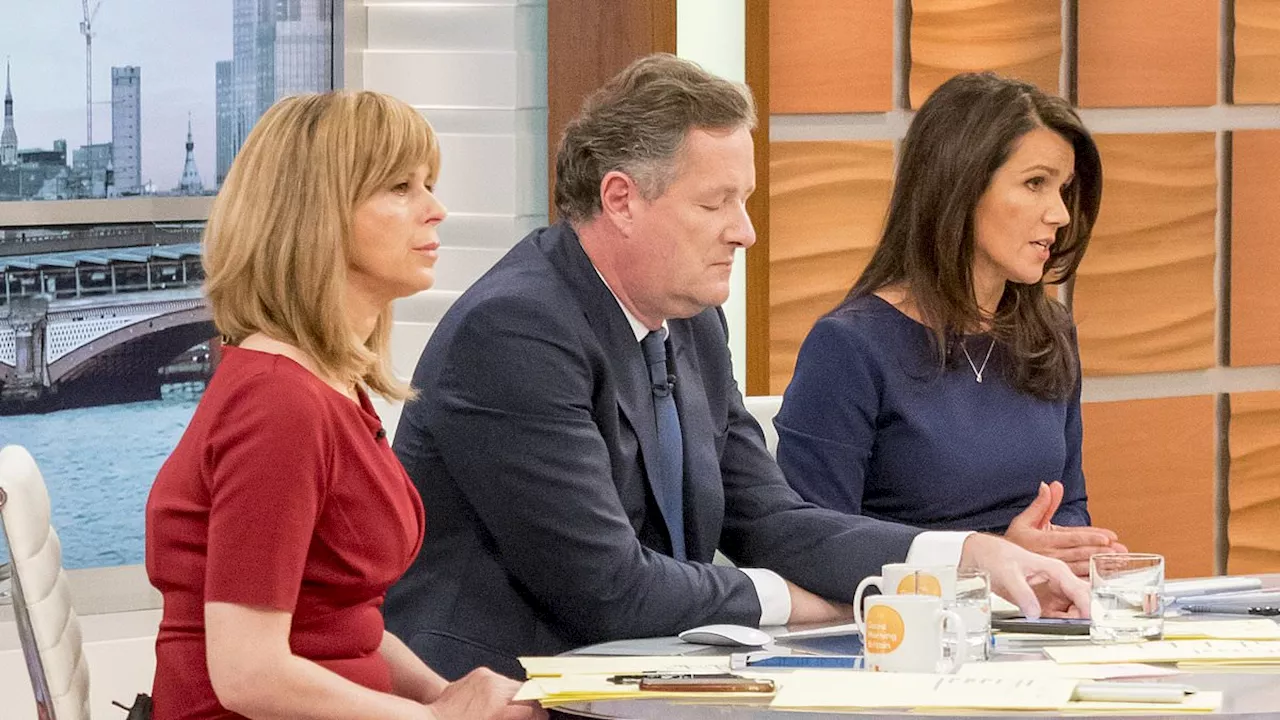
TV News is currently gasping for air in an age where your smartphone and a Netflix subscription have replaced the traditional living room hearth. You probably remember when Walter Cronkite commanded the attention of 53 million viewers every single night, acting as the ultimate arbiter of truth for a nation. That era is long gone, replaced by a fragmented digital landscape that puts the very concept of objective reality at risk.
You are witnessing a seismic shift where TV News has been dethroned by streaming giants who care more about algorithms than investigative integrity. This isn’t just a change in how you watch your favorite shows; it is a fundamental breakdown of the systems that keep democracy functioning. When the most trusted voices are silenced by corporate spreadsheets, you lose the ability to distinguish fact from fiction.
TV News: The Death of the Cronkite Era?
TV News used to be the bedrock of the American and British psyche, providing a shared experience that bonded millions of people together during moments of crisis. Walter Cronkite, the legendary anchor of CBS Evening News, was more than just a man behind a desk; he was a symbol of reliability. When he spoke about the assassination of JFK or the Moon landings, you believed him without a second thought.
His iconic sign-off, “And that’s the way it is,” captured an ideal that feels like a fantasy in today’s hyper-partisan world. He aimed to report the facts as he saw them, regardless of the controversy or the consequences that might follow his broadcast. This TV News model was vital to a healthy democracy because it provided a baseline of truth for every citizen.
Now, that noble ideal is under direct threat from the destabilizing rise of streaming giants like Netflix. According to Ofcom, the streaming giant recently overtook the BBC as the first port of call for viewers looking for content. This shift means that TV News is no longer the priority for a generation that prefers binge-watching dramas over staying informed about global events.
You have to wonder what happens to a society when the shared reality provided by TV News disappears entirely. Without a common source of information, we become atomized, retreating into our own digital echo chambers. The loss of a “most trusted man” in media isn’t just a nostalgic tragedy; it’s a structural failure of our modern information age.
The Massive Shift Toward Streaming Dominance
TV News providers are currently engaged in a losing battle against the sheer financial might of Netflix, Disney+, and Amazon Prime. These platforms have deeper pockets and global reach, allowing them to outspend traditional broadcasters on every level of production. While you might enjoy the convenience of streaming, the cost to the public interest is becoming increasingly clear.
The rise of these giants has forced traditional broadcasters into a corner, making them desperate for survival in a world that has moved on. Even ITV, the home of Coronation Street and massive sporting events like the World Cup, is feeling the heat. Chief Executive Dame Carolyn McCall recently had to agree to a takeover deal because the onslaught from streamers was simply too much to handle.
Traditional TV News departments are often the first to face the chopping block when budgets get tight. Unlike a high-octane drama or a reality competition, news gathering is expensive and doesn’t always yield high profit margins. This makes TV News a liability for corporations that are focused solely on shareholder returns and quarterly growth.
You can see this desperation in the launch of platforms like ITVX, which attempt to bridge the gap between old-school broadcasting and new-age streaming. While these efforts are valiant, they often fail to capture the same prestige and authority as the nightly TV News bulletins of the past. The focus has shifted from informing the public to retaining subscribers at any cost.
Key Differences in the Modern Media Landscape
- Traditional Media: Focused on localized reporting and standardized journalistic ethics.
- Streaming Giants: Driven by global algorithms and user engagement metrics.
- Social Media: A breeding ground for disinformation and AI-generated “slop.”
- Independent Providers: Struggling to maintain funding amid corporate mega-mergers.
Mega-Mergers: A Shocking Threat to Democracy
TV News is now being traded like a commodity in multi-billion-dollar transactions that feel more like a plot from the show Succession. These mega-mergers between media corporations are jeopardizing the existence of reliable information on both sides of the Atlantic. When massive conglomerates like Comcast buy up independent networks, the editorial independence of those networks is often the first thing to go.
The proposed deal between Comcast and Sky to buy ITV’s broadcasting arm is a perfect example of this dangerous trend. If the deal goes through, a single US conglomerate will control two of Britain’s largest news providers. This consolidation of TV News power in the hands of a few billionaires is a direct risk to public safety and diversity of thought.
In America, the situation is even more dire with Paramount and Warner Bros Discovery looking to merge into a sprawling media empire. David Ellison, a billionaire ally of Donald Trump, is leading the charge to reshape how you consume information. This kind of centralized control over TV News means that a tiny group of people can decide what stories are told and which ones are buried.
You should be concerned because these deals aren’t just about money; they are about influence and the power to set the national agenda. When TV News is owned by the same people who build theme parks and produce Hollywood blockbusters, the news becomes just another branch of the entertainment industry. The line between journalism and corporate promotion is becoming dangerously thin.
| Media Giant | Acquisition Target | Deal Value | Impact on News |
|---|---|---|---|
| Comcast / Sky | ITV Broadcasting | £1.6 Billion | Consolidation of UK News |
| Paramount / Ellison | Warner Bros Discovery | £83 Billion | Centralized US Narrative |
| Netflix | N/A (Organic Growth) | Market Dominance | Viewer Displaced from News |
Comcast and Sky: The Tragic Sale of British Gems
TV News in Britain is facing its most significant crisis as ITV prepares to go out of domestic hands for the first time in 70 years. This is a venerable broadcaster that has defined British culture through shows like Mr Bates vs The Post Office. The fact that it is being sold to a US conglomerate like Comcast should give every viewer pause.
Comcast CEO Brian L. Roberts inherited the company from his father and has shown a willingness to cut costs aggressively. Since buying Sky for £30 billion in 2018, the company has been hacking away at the broadcaster’s digital and social media arms. This raises serious questions about the long-term survival of high-quality TV News under their leadership.
You have to consider what happens when a foreign corporation controls the primary news sources for a sovereign nation. Will they prioritize British interests, or will they align the news with their global corporate agenda? The Sky News agreement for news provision expires in 2028, and many insiders are terrified of what happens after that date.
The UK government, led by Sir Keir Starmer, has already provided massive tax breaks and cash to Comcast for other projects. This includes a £5 billion theme park in Bedfordshire that is set to open in 2031. When the government is this cozy with media giants, their ability to regulate the TV News landscape fairly is compromised.
ITN and the Uncertainty of Old-School Journalism
TV News veteran ITN is perhaps the most prestigious victim of this ongoing corporate game of musical chairs. ITN has a legendary reputation for “old-school” news gathering and fearless reporting from the front lines. In 2021, they were the only non-US crew to breach the building during the January 6 riots at the US Capitol.

That kind of bravery is what TV News should be about—getting into the thick of the action to show the world the truth. However, the future of ITN remains alarmingly unclear as the Comcast-Sky takeover moves forward. If the new owners decide that ITN is “one provider too many,” we could lose a vital pillar of journalistic excellence.
You cannot simply replace a newsroom like ITN with a social media feed or an AI-generated summary. The institutional knowledge and the ethical standards held by these organizations take decades to build but only minutes to destroy. Without ITN, the landscape of TV News becomes significantly less diverse and much more vulnerable to bias.
The daily struggle of TV News workers at Sky and ITN is a reflection of the broader industry’s instability. They are tasked with reporting the truth while their own job security is constantly undermined by corporate restructuring. It is a heartbreaking situation for those who still believe in the “highest ideal” that Cronkite once championed.
The Impact of TV News Centralization on Global Audiences
TV News centralization doesn’t just affect the people in the newsroom; it affects you and how you understand the world. When a few companies control the narrative, the range of voices and perspectives you hear is drastically reduced. This lack of competition in TV News leads to a homogenization of information that serves the powerful rather than the public.
In a world where TV News is consolidated, dissent is often sidelined in favor of safe, advertiser-friendly content. You might find that the stories that truly matter—like corporate corruption or systemic inequality—are ignored because they conflict with the interests of the parent company. This isn’t just a theory; it is a reality that has played out in media markets across the globe.
The decline of independent TV News also creates a vacuum that is quickly filled by bad actors. When people stop trusting traditional broadcasters, they turn to alternative sources that may have hidden agendas. This shift away from TV News is a major driver of the polarization and social unrest we see in many countries today.
You have to realize that TV News acts as a social glue that holds communities together. By providing a shared set of facts, it allows for healthy debate and informed decision-making. Without a strong, independent TV News sector, that glue dissolves, leaving society fragmented and easily manipulated by those with the loudest voices.
Billionaire Influence and the New Media Landscape
TV News is increasingly becoming a playground for billionaires who use their vast wealth to buy influence and prestige. From Rupert Murdoch to David Ellison and Brian L. Roberts, the people at the top have their own personal and political goals. You must ask yourself if you want your TV News to be curated by individuals with such immense power.
These billionaires often view TV News as a tool for leverage rather than a public service. They can use their networks to support preferred political candidates or to lobby for favorable regulations that help their other business interests. This creates a massive conflict of interest that undermines the very foundation of independent journalism.
According to [Internal Link: Media Mergers], the trend of billionaire ownership is only accelerating as smaller outlets fail to remain profitable. For these wealthy individuals, owning a TV News station is about more than just profit; it’s about having a seat at the table of global power. They are the new gatekeepers of information in our atomized world.
You can see this influence in the way certain stories are framed and others are dismissed entirely. When the owner of a TV News network has a personal stake in a political outcome, it is almost impossible for that network to remain truly neutral. This is why the decline of independent, non-aligned news providers is such a tragic development for our era.
How Social Media Fills the TV News Vacuum
TV News is being replaced by social media platforms that are essentially havens for disinformation and AI-generated content. When you scroll through your feed, you are bombarded with “news” that is designed to trigger your emotions rather than inform your intellect. This is a dangerous replacement for the curated and verified information that TV News used to provide.
The rise of AI “slop” means that it is now easier than ever for our enemies to flood the digital space with lies. Without the gatekeeping role of traditional TV News, you are left to fend for yourself in a sea of manipulated images and fake stories. This isn’t just an inconvenience; it is a risk to public safety and national security.
Social media algorithms are designed to keep you engaged, which often means showing you the most extreme and divisive content possible. Unlike TV News, which at least tries to provide a balanced view, social media thrives on outrage. This environment makes it nearly impossible to have a rational conversation about the issues facing our world today.
You have probably noticed that the more time you spend on social media, the more polarized you feel. That is because you are no longer receiving the common baseline of truth that TV News once offered. We are trading the “highest ideal” of reporting facts for the shallow satisfaction of having our existing biases confirmed by an algorithm.
The Economics of Why TV News is Failing
TV News is failing because the economic model that supported it for decades has completely collapsed. Advertisers are moving their budgets away from traditional broadcasts and toward targeted digital ads on platforms like Google and Meta. This leaves TV News departments with shrinking budgets and a desperate need for new revenue streams.
The cost of maintaining a global news-gathering operation is astronomical. You need reporters on the ground, high-tech studios, and expensive satellite links to bring TV News to the screen. When the revenue isn’t there to support these costs, quality is the first thing to suffer, followed quickly by the closure of entire bureaus.
Streaming giants don’t have to worry about these costs because they mostly focus on evergreen content that can be sold globally for years. TV News, by its very nature, is a perishable product that loses its value almost immediately. This fundamental economic reality makes it very difficult for TV News to compete in a market driven by long-term asset value.
You can find more data on industry trends at Reuters, which tracks the financial health of media organizations worldwide. The data shows a clear trend of declining ad revenue and rising production costs for traditional outlets. Unless a new model is found, the TV News we know today may simply cease to exist within the next decade.
TV News: Can Independent Journalism Survive?
TV News is at a crossroads, and the direction it takes will determine the future of our informed society. While the situation looks bleak, there are still those who believe that independent, high-quality journalism is worth fighting for. The question is whether you, the viewer, are willing to support the TV News providers that still prioritize the truth over profits.
Survival will likely require a radical rethink of how news is funded and delivered to the public. Some have suggested that TV News should be treated like a public utility, protected from the whims of billionaires and corporate mergers. Others believe that a non-profit model, supported by viewers like you, is the only way to ensure editorial independence.
The final verdict on TV News hasn’t been written yet, but the clock is ticking loudly. If we allow our news rooms to be gutted and our anchors to be replaced by AI avatars, we will lose something that can never be replaced. You have the power to demand better, but only if you realize the stakes of the current media war.
TV News was once the heartbeat of our civilization, keeping us informed, connected, and grounded in reality. As we move further into the digital age, let’s not forget the importance of the “newsman’s highest ideal.” Whether it’s through traditional broadcasts or new digital platforms, the need for reliable TV News has never been more urgent than it is right now.
More Like This
For more updates, check out our latest entertainment and sports news.
2 thoughts on “TV News: 10 Shocking Secrets Behind the Tragic Collapse of Independent Media”