Key Takeaways
| The movement has exploded from 260 chapters to over 2,200 locations in 70 countries. |
| Only 16% of Americans read for pleasure daily, down from 28% in 2004. |
| The ‘Reading Class’ constitutes roughly 20-25% of the U.S. adult population. |
| New formats like ‘Manga and Matcha’ and ‘Audiobook Walks’ are modernizing the club experience. |
You might believe that the tactile experience of turning a page is a relic of the past in an era dominated by dopamine-heavy scrolling. However, the **Silent Book Club 2026** movement is proving that the desire for deep, uninterrupted focus is stronger than ever. In the heart of the tech-heavy Bay Area, hundreds of readers are gathering not to debate literature, but to simply exist in the same space and read in silence.
This phenomenon, often described as “introvert happy hour,” offers a radical solution to the modern epidemic of loneliness and the fragmentation of our attention spans. By removing the pressure of “homework” or assigned reading, these gatherings have transformed a solitary hobby into a low-stakes community event. From Campbell to San Francisco, the rapid growth of these chapters suggests that while literacy habits are changing, the human need for shared intellectual space is immutable.
Rise of Silent Book Club 2026
The **Silent Book Club 2026** landscape represents a significant evolution from its grassroots origins in a San Francisco wine bar in 2012. Founders Guinevere de la Mare and Laura Gluhanich initially sought a way to enjoy books without the administrative burden of traditional book clubs. What started as two friends reading together has scaled into a global infrastructure supporting over 2,200 chapters worldwide, even reaching as far as Antarctica’s McMurdo Station.

The organizational structure is intentionally decentralized, providing a free license to anyone wishing to start a chapter. The only core requirement is the preservation of the format: one hour of silent reading followed by optional social time. This flexibility has allowed chapters to flourish in diverse environments, including Banter Bookshop in Fremont and local pubs in San Jose. By lowering the barrier to entry, the organization has captured a demographic that feels alienated by the rigidity of academic-style discussion groups.
In the Bay Area specifically, the movement has become a vital tool for social integration. For residents like Cleo Brock, who moved to the region without a local network, these meetups served as a bridge to meaningful friendships. The shared identity of being a “reader” provides an immediate foundation for connection that transcends typical small talk. As the digital world becomes more polarized, these physical spaces offer a rare sanctuary of shared, quiet purpose.
The Evolution of Reading Formats
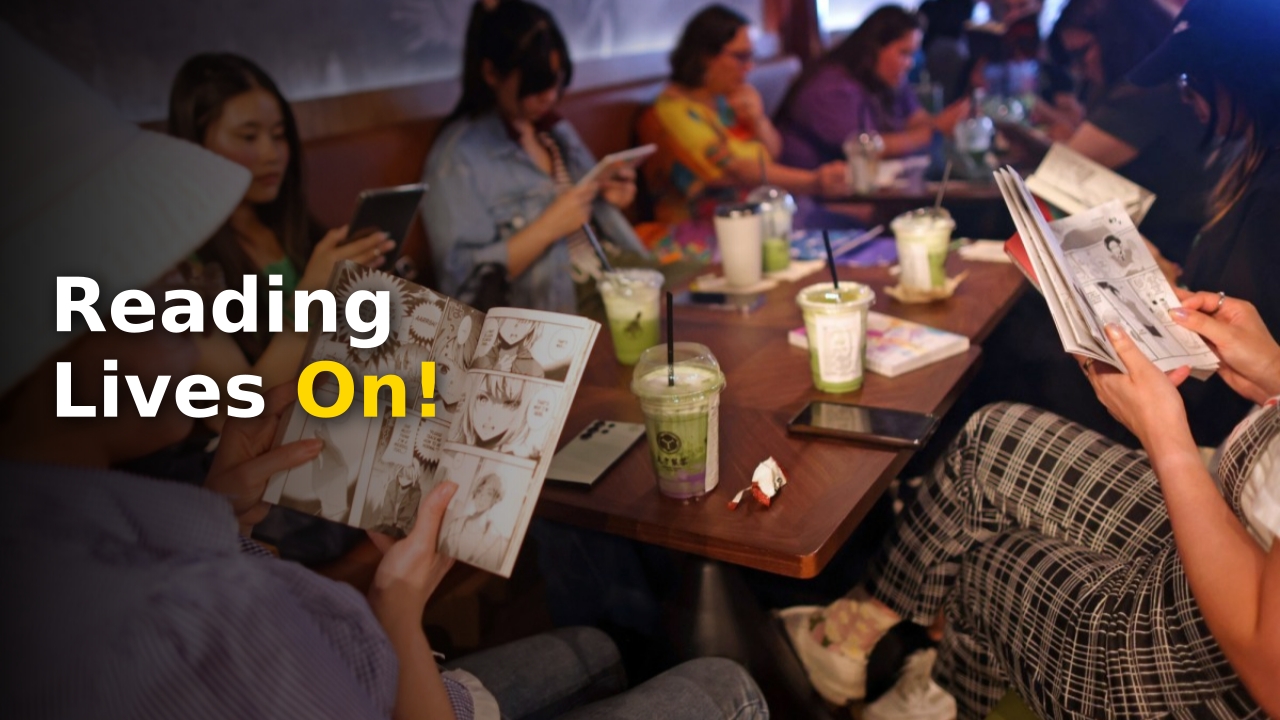
Modern chapters are not restricted to traditional novels; they reflect the diverse interests of Gen Z and Millennial participants. The “Manga and Matcha” meetups at Maruwu Seicha in Campbell highlight how specific niches are being integrated into the broader reading culture. Similarly, “Audiobook Walks” cater to those who prefer consuming literature while staying active, proving that the definition of reading is expanding to meet modern lifestyle demands.
Bay Area Reading Statistics 2026
To understand the necessity of these clubs, one must look at the diverging data regarding American literacy. While the National Endowment for the Arts reports a slump in traditional reading, the hyper-engaged “reading class” is actually intensifying their habits. The following data highlights the shift in how Americans spend their leisure time and how the **Silent Book Club 2026** serves as a vital counter-movement.
| Metric | 2004 Baseline | 2026 Projection/Data |
|---|---|---|
| Daily Pleasure Reading % | 28% | 16% |
| Silent Book Club Chapters | 0 | 2,200+ |
| Adults Reading 11+ Books/Year | ~20% | 24% |
| Global Countries Represented | 0 | 70 |
The paradox of 2026 is that while the total number of readers may be shrinking, the intensity and social connectivity of those who remain are reaching record highs. Pew Research Center data from late 2025 indicates that nearly a quarter of U.S. adults are “super-readers,” consuming at least 11 books annually. This group is the primary engine behind the success of independent bookstores like Word on the Street Books in Livermore and Banter Bookshop.
Expert analysis suggests that the “reading class” is becoming more distinct from the general population. According to sociology researchers, this cohort tends to be more educated and seeks out reading as a status symbol and a mental health tool. The rise of BookTok trends and the “Romantasy” boom have further solidified reading as a core pillar of modern identity for younger generations, despite the overall decline in national averages.
Fighting Loneliness with Focused Reading
The psychological benefits of the **Silent Book Club 2026** format are grounded in the concept of “parallel play.” This term, usually applied to toddlers, describes the act of playing near others without direct interaction. For adults, this translates to a low-pressure social environment where one can enjoy the presence of others without the exhaustion of constant verbal engagement. In an era where entertainment trends often emphasize loud, fast-paced interaction, silence is becoming a premium commodity.

Attendees like Joy Oh have noted that these sessions provide a necessary structure to combat digital distraction. The presence of a group creates a form of “body doubling,” a productivity technique where being around others who are focused helps an individual stay on task. This is particularly effective for those struggling with the fragmented attention spans caused by short-form video content and constant notifications.
Furthermore, the variety of literature discussed during the post-reading social hour—ranging from Daniel Kahneman’s Thinking, Fast and Slow to Matt Dinniman’s Dungeon Crawler Carl—demonstrates the eclectic nature of these communities. There is no snobbery; a self-help book on burnout is given the same respect as a high-concept sci-fi novel. This inclusive atmosphere is essential for fostering a sense of belonging in transient urban areas like the Silicon Valley.
Expert Take: The Sociology of the Silent Hour
Sociologists who study leisure habits point out that the “golden age” of reading was actually a very brief historical window created by industrialization and a lack of competing evening activities. By the mid-19th century, authors like Dickens and Tolstoy became household names because there simply wasn’t much else to do. Today, reading is a choice made against an infinite array of digital alternatives, making the commitment to a silent hour even more significant from a cultural standpoint.
The Global Reading Class Paradox
The term “reading class,” coined by Wendy Griswold of Northwestern University, perfectly encapsulates the attendees of the **Silent Book Club 2026**. This group, comprising roughly 20% of the population, views reading not just as a hobby but as a core component of their intellectual and social life. The paradox lies in the fact that as general literacy stats dip, the infrastructure for this specific class—via social media and in-person meetups—is booming.
This divide is largely driven by access to “deep work” capabilities. In a professional world that demands constant connectivity, the ability to sit still for 60 minutes is a skill that must be practiced. Chapters in Oakland, Palo Alto, and San Mateo report that their members often treat these sessions as a form of “digital detox.” By intentionally stepping away from their devices, they are reclaiming cognitive territory that has been surrendered to algorithms.
The economic impact of this class is also notable. Independent bookstores that host these events, such as those participating in Banned Book Week with libro.fm, see a direct correlation between community events and sustained sales. These readers are often the same individuals who lead the movement to support local economies against the dominance of major online retailers, seeing their book purchases as a political and social statement.
By The Numbers: The Post-Pandemic Surge
The growth trajectory of Silent Book Club skyrocketed after 2020. Before the lockdown, there were only 260 chapters. The sudden spike to over 2,200 by 2026 is a direct result of the “re-entry” anxiety many felt after years of isolation. People wanted to be back in the world, but they wanted to do so in a “safe, low-stakes way.” The silent format provided exactly that—a way to be around people without the immediate demand for social performance.
People Also Ask
What happened with the Silent Book Club 2026 movement today?
The movement has officially surpassed 2,200 chapters globally, with a significant concentration in the San Francisco Bay Area. Recent events have expanded to include ‘Manga and Matcha’ meetups and partnerships with libro.fm for Banned Book Week.
Why is the Bay Area reading scene trending right now?
The Bay Area is the birthplace of the Silent Book Club and remains its strongest hub. As residents seek ways to combat digital burnout and loneliness, these low-pressure social gatherings have become a primary way for ‘the reading class’ to connect in person.
How does digital distraction affect reading habits in 2026?
Studies show only 16% of Americans read for pleasure daily, a decline attributed to smartphone usage. Silent Book Clubs provide a structured environment that uses group accountability to help individuals regain their focus and finish books.
When is the next major Silent Book Club event?
Special read-ins are scheduled through October 10th in coordination with Banned Book Week. Local chapters in San Jose, Campbell, and Fremont host recurring monthly or weekly meetups in public cafes and libraries.
Future of Silent Book Club 2026
As we look toward the future, the **Silent Book Club 2026** model offers a blueprint for how other hobbies might evolve to survive the digital age. By focusing on the core experience—the joy of the activity itself—rather than the performative social aspects, these groups have created a sustainable and scalable community model. The expansion into niche interests like manga and audiobooks suggests that the movement will continue to adapt to new generations of readers.
For those in the Bay Area, the presence of these clubs provides a much-needed sense of permanence and peace in an ever-changing landscape. Whether it’s a Panera Bread in Campbell or a park in San Jose, these quiet gatherings are a testament to the fact that reading is far from dead. Instead, it is being reborn as a collective act of resistance against a distracted world. You can find your local chapter and join the “reading class” to rediscover the power of a single, focused hour.
Ultimately, the success of the **Silent Book Club 2026** serves as a reminder that technology cannot fully replace the human experience of shared silence. As long as there are people seeking a respite from the noise of the digital world, there will be a place for these silent sanctuaries. The movement is not just about books; it’s about reclaiming our time, our attention, and our community in a world that is increasingly trying to monetize all three. You can explore more social media impact stories and community trends to stay informed on how local movements are changing the global cultural fabric.
More Like This
For more updates, check out our latest entertainment and sports news.