Key Takeaways
| Match Outcome: Italy secured a resilient 1-1 draw against powerhouse France at the Stade de France. |
| Standout Performers: Alessandro Bastoni neutralized Michael Olise’s early goal with a powerful header. |
| Statistical Dominance: Italy registered an impressive 1.56 expected goals (xG) despite holding only 35 percent possession. |
| Patience Demanded: Striker Sebastiano Esposito urged fans and media to give the young, evolving squad time to develop. |
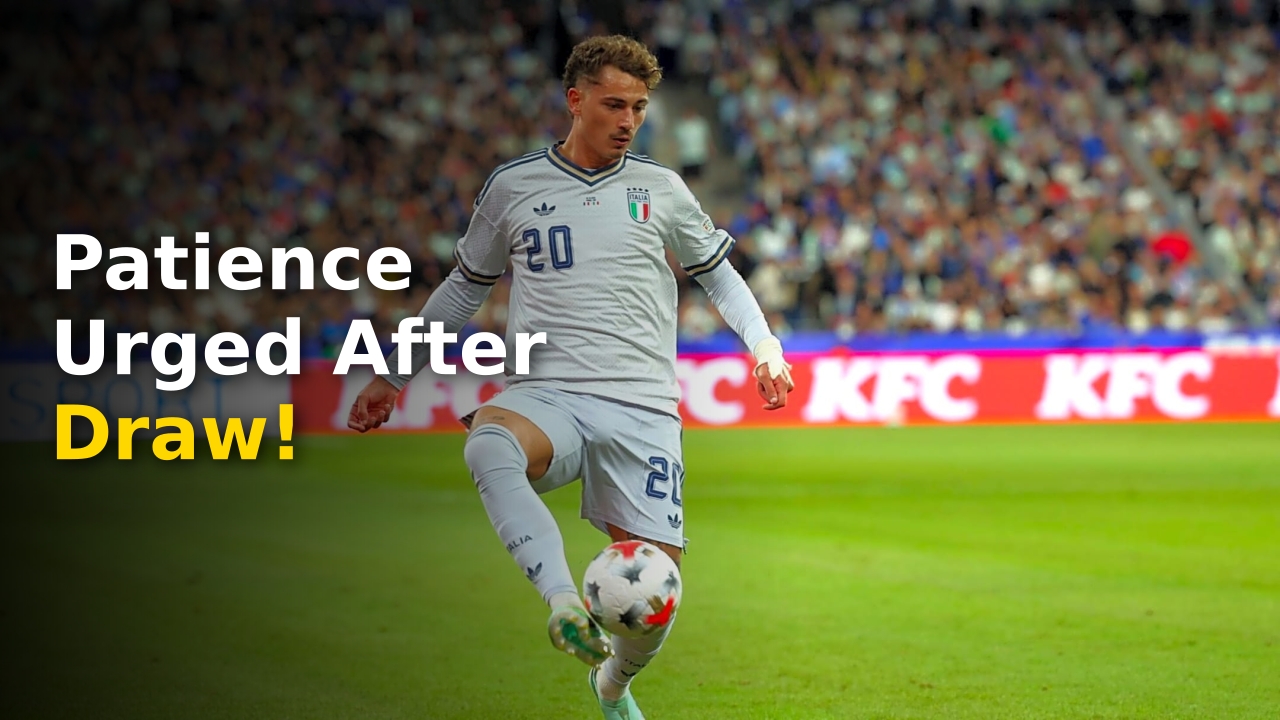
You probably did not expect the young Italian team to display such incredible grit against a star-studded French side in Paris. The rising star Sebastiano Esposito proved his immense potential on the international stage, leading the line with relentless energy during Italy’s hard-fought draw against France. This high-profile UEFA Nations League fixture highlighted both the tactical evolution and the mental resilience of a transitioning Azzurri team. By neutralizing one of the most formidable attacks in world football, the young squad sent a clear message to their critics.
The match at the packed Stade de France was a true test of character for a group undergoing a massive structural rebuild. After conceding an early opener, the Italian squad showed remarkable maturity to stay in the game and eventually seize control of the tactical narrative. While fans eagerly search for immediate answers, the squad is quietly building a foundation capable of competing with the elite. Keeping up with these updates is easy when you follow the latest sports entertainment updates.
This critical result in Group A serves as a turning point for several young players trying to cement their places in the national setup. The coaching staff used this high-intensity environment to test new partnerships and evaluate the squad’s tactical flexibility under pressure. The overall performance suggests that the defensive solidity historically associated with Italian football is being successfully merged with modern transition principles.
Sebastiano Esposito Leads Italy Rebuild
The tactical battle of the night centered around how the Italian forward line would cope with limited service. Sebastiano Esposito embraced this challenge by executing a demanding defensive press that disrupted French build-up play from the back. His continuous running off the ball created vital passing lanes, allowing the midfield to transition quickly during moments of recovery. This unselfish work rate earned praise from tactical analysts who noted his maturity in a highly hostile stadium environment.
Following the final whistle, the young forward spoke directly about the immense responsibility that comes with wearing the historic national jersey. He acknowledged that while the history of the Azzurri demands immediate victories, this specific group of players requires space to grow. By integrating several debutants into the senior setup, the coaching staff is prioritizing long-term stability over temporary quick fixes. To understand the trajectory of these young athletes, readers often consult rising soccer stars profiles.
The transition phase has not been without its obstacles, as evidenced by inconsistent results in previous qualification windows. However, the cohesive performance in Paris indicates that the players are beginning to internalize complex tactical instructions. The forward emphasized that continuous training sessions and high-stakes match experience are the only ways to build natural on-pitch chemistry. This patient approach is designed to peak during major tournament cycles rather than friendly windows.
The collective effort of the squad was highly visible in their coordinated pressing triggers and defensive recovery runs. Sebastiano Esposito acted as the first line of defense, forcing the French center-backs into rushed clearances and predictable long balls. This tactical discipline allowed the Italian midfield to win second balls and maintain structural integrity throughout the ninety minutes. The performance proved that defensive organization remains Italy’s greatest competitive equalizer.
Emerging Talents in Transition
The composition of the current roster represents a stark departure from previous tournament squads that relied heavily on veteran presence. By trusting younger options in key positions, the technical staff is building a dynamic, high-energy team capable of modern transition play. This shift requires supporters to adjust their immediate expectations as these prospects adapt to international demands.
The individual battle between the Italian defense and the French attackers showcased the raw potential of these new call-ups. Alessandro Bastoni delivered a masterclass in positional awareness, proving that he can lead a backline under immense pressure. His defensive contributions were perfectly complemented by his offensive instinct, which ultimately unlocked the French defense during a crucial set-piece opportunity.

Tactical Breakdown of France Draw
An objective analysis of the match reveals a fascinating tactical duel between two contrasting footballing philosophies. France dominated territorial control, enjoying 65 percent of the ball and attempting to break down Italy’s compact defensive block. Despite this overwhelming possession, the home side struggled to penetrate the central areas, often forced into low-probability crosses from wide positions. The Italian defensive structure remained incredibly narrow, forcing the French playmakers into congested zones.
Italy’s offensive strategy relied heavily on quick, vertical transitions immediately after winning possession in the middle third. This approach allowed them to exploit the space left behind by advancing French full-backs, creating several high-quality scoring chances. By prioritizing direct passing over slow horizontal build-up, Italy looked consistently dangerous whenever they bypassed the initial French press. The efficiency of these transitions was reflected in the final expected goals metric, which favored the visitors.
The performance of the midfield unit was instrumental in maintaining this tactical balance under sustained pressure. The defensive midfielders worked tirelessly to cover the half-spaces and support their full-backs against isolation play. This collective defensive effort minimized the influence of France’s elite individual talents, forcing them into speculative efforts from distance. The disciplined execution of these defensive roles highlighted the thorough pre-match preparation.
Italy’s set-piece execution also proved to be a decisive factor in neutralizing France’s athletic advantages. The equalizing goal stemmed from a meticulously planned routine that targeted specific weaknesses in the French zonal marking scheme. By attacking the near post with aggressive runs, Italy created the necessary confusion to allow Alessandro Bastoni to convert his opportunity. This tactical variation is becoming a signature strength of the new coaching staff.
By The Numbers: Match Statistics
Analyzing the underlying data provides a clearer picture of how this intense international match unfolded over ninety minutes. While traditional statistics might suggest French dominance, advanced metrics paint a much more balanced and encouraging story for the Italian side. The efficiency of the Italian counter-attack was the defining characteristic of the statistical profile.
| Stat Metric | France | Italy |
|---|---|---|
| Ball Possession | 65% | 35% |
| Expected Goals (xG) | 1.12 | 1.56 |
| Total Shots Taken | 14 | 9 |
| Shots on Target | 4 | 3 |
| Pass Accuracy | 89% | 78% |
The discrepancy between possession and expected goals highlights Italy’s highly effective attacking design during transition phases. While France struggled to generate high-value shooting opportunities from their possession, Italy created premium chances with fewer passes. This pragmatic approach is highly suited for international tournament play, where defensive organization often triumphs over aesthetic style. The numbers indicate that the team’s tactical execution continues to improve with each fixture.
Furthermore, the physical outputs of the Italian players were outstanding, with high-intensity running metrics exceeding their seasonal averages. This athletic commitment was essential to cover the large distances required by their defensive game plan. The coaching staff’s focus on physical preparation during training camps is clearly yielding positive results on the pitch. This physical foundation will be critical as the team enters the decisive phase of the Nations League group stage.
Historical Context of the Azzurri Rebuild
To truly appreciate the significance of this draw, one must examine the modern history of the Italian national team. Following their triumph at Euro 2020, the team experienced a challenging period marked by World Cup qualification failure and tactical stagnation. This decline prompted a necessary changing of the guard, with the technical staff committing to a complete overhaul of the playing squad. For more deep dives into international soccer legacies, check out the UEFA’s official tournament page.
The decision to phase out legendary veterans in favor of unproven prospects was met with skepticism by the Italian media. Historically, the national team has prioritized experienced players who understand the psychological demands of international competition. However, the current landscape of European football requires dynamic, high-intensity athletes who can sustain physical pressing for ninety minutes. This modern tactical shift made the inclusion of energetic prospects like Sebastiano Esposito an absolute necessity.
Comparing this performance to their earlier group matches against Belgium reveals a massive upward trajectory in tactical comprehension. Against Belgium, the squad struggled with spacing and defensive coordination, leading to periods of vulnerability. The rapid adjustments made in the subsequent training camps showcase the intelligence of the players and the effectiveness of the coaching staff. This continuous growth is precisely why team leaders are pleading with the public for patience.
The rivalry between Italy and France has always produced high-stakes drama, making this draw at the Stade de France even more meaningful. Securing a positive result in Paris has historically been one of the toughest challenges in international football. This young squad’s ability to handle the hostile atmosphere and physical intensity of the French team bodes incredibly well for future tournament qualifications. To track how these results impact global standings, consult ESPN’s international soccer coverage.

The reconstruction of the Azzurri’s tactical identity is a complex process that cannot be completed overnight. Every international window provides a fresh opportunity to refine the defensive mechanics and build attacking relationships. The willingness of the players to sacrifice individual glory for collective defensive success is the most encouraging sign of this new era. As these athletes continue to gain experience at the highest level, their decision-making and consistency will naturally improve.
The integration of youth also extends to the team’s off-pitch culture, with a renewed focus on humility and hard work. The coaching staff has made it clear that reputation alone will not guarantee a starting spot in this new cycle. This competitive environment has re-energized the entire setup, forcing every player to perform at their absolute limit. The positive atmosphere within the camp is directly translating into cohesive performances on the pitch.
Expert Take: Tactical Pragmatism over Aesthetic Appeal
“International football is increasingly decided by structural compactness rather than individual brilliance. Italy’s performance against France proved that a well-drilled low block combined with vertical transition speed can neutralize even the world’s most expensive attacks. Roberto Mancini’s tactical decision to concede possession while protecting central zones was a masterclass in modern pragmatism. This strategic blueprint will undoubtedly serve as the foundation for Italy’s future tournament campaigns.”
As the squad prepares for their remaining fixtures, the focus remains on consolidating their position in the Nations League standings. The coaching staff will continue to grant opportunities to young talents as the new cycle progresses. This deliberate path of development is designed to ensure that Italy returns to the summit of international football with a sustainable, modern identity. The journey is far from complete, but the performance in Paris proves they are on the right path.
Supporters must recognize that development is rarely linear, and setbacks will inevitably occur during this rebuilding phase. The key is to maintain belief in the technical project and support the players through their developmental growing pains. If this squad is given the time they desperately need, they have the quality to write a glorious new chapter in Italian football history. For lifestyle profiles of these dedicated athletes, visit exclusive athletic lifestyle features.
People Also Ask
What happened with Sebastiano Esposito today?
Sebastiano Esposito led the line for Italy in a grueling 1-1 draw against France at the Stade de France. After the match, he made a public plea for supporters to show patience as the young squad continues to integrate new players and develop its tactical identity.
Why is Italy vs France trending right now?
The match is trending because a highly transitioned Italian national team managed to secure a resilient 1-1 draw away in Paris. Italy’s tactical display and their ability to generate 1.56 xG despite having only 35 percent ball possession surprised many football analysts.
How does this draw affect Group A standings?
The hard-earned draw earned Italy a vital point in Group A of the UEFA Nations League. This result consolidates their competitive position in the standings and boosts the squad’s confidence heading into the final group stage fixtures.
When is the next Italy Nations League match?
Italy will continue their UEFA Nations League campaign during the upcoming international window. The coaching staff is expected to use these remaining fixtures to further integrate young talents and finalize their tactical preparations.
Future Outlook for Sebastiano Esposito
The individual trajectory of Sebastiano Esposito is highly indicative of the broader direction of the national team. His performance against world-class opposition demonstrated that he has the physical and technical attributes required to succeed at the international level. As he continues to play regular minutes for his club, his maturity and tactical understanding will only reach new heights. This development is crucial for an Italian team that has historically struggled to find consistent goalscoring options in recent years.
The technical staff will likely continue to build the attacking system around his unique skillset, using his hold-up play to release quicker wingers. This tactical synergy will be essential as Italy faces increasingly difficult defensive blocks in their upcoming qualification fixtures. The striker’s willingness to adapt his game for the benefit of the team makes him an invaluable asset for the coaching staff. His journey is just beginning, but his foundations are incredibly strong.
Ultimately, the successful integration of these young prospects will determine whether Italy can once again dominate international football. The draw against France was a highly encouraging step forward, but the players must remain focused on continuous improvement. If they can maintain their tactical discipline and work ethic, this transitional squad will soon transform into a formidable competitive force. The footballing world will be watching closely as Sebastiano Esposito and his teammates continue their exciting journey.
More Like This
For more updates, check out our latest entertainment and sports news.