Key Takeaways
| Kansas State agreed to a $12 million payout to Jerome Tang. |
| The settlement concludes a seven-month legal dispute following a ‘for cause’ firing. |
| Tang has officially returned to Baylor as an assistant under Scott Drew. |
| The university saved approximately $6.7 million compared to the original buyout. |
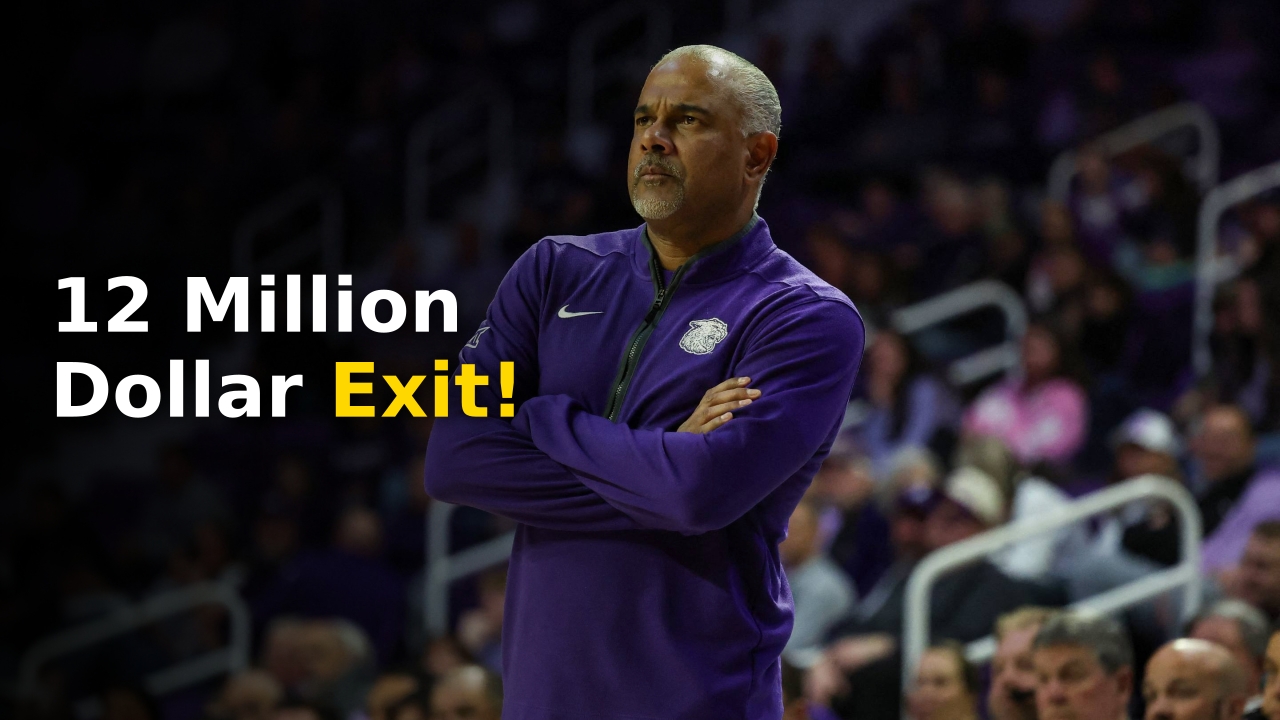
You probably never expected a single post-game press conference to cost a university eight figures, but the Jerome Tang Settlement has officially set a new precedent in the high-stakes world of Big 12 basketball. After months of legal posturing and public scrutiny, Kansas State University has finalized a agreement to pay its former head coach $12 million to walk away from the program for good. This resolution follows the dramatic firing of Tang in early 2025 after a humiliating home loss to the Cincinnati Bearcats at Bramlage Coliseum.
The Jerome Tang Settlement serves as a definitive end to one of the most contentious coaching departures in recent Manhattan history. By agreeing to this massive sum, which will be paid out through the end of 2027, the school has finally secured the “certainty” it lacked since the day they attempted to fire Tang for cause. For fans and boosters, the focus now shifts from the courtroom back to the hardwood, as the program attempts to rebuild under new leadership.
While $12 million is a staggering amount for any athletic department to shell out, the nuance of the deal reveals a strategic financial maneuver by K-State. The school originally sought to avoid paying any buyout by citing Tang’s post-game comments as a breach of contract that brought “public embarrassment” to the university. However, facing a prolonged legal battle and the risk of paying the full $18.7 million buyout, both parties found a middle ground that allows the Wildcats to move into a new era.
Jerome Tang Settlement Details and Financial Impact
The financial architecture of the Jerome Tang Settlement is designed to provide immediate relief for the K-State athletic department while ensuring Tang receives a significant portion of his guaranteed earnings. According to reports from Pete Thamel, the $12 million total will be distributed over the next two fiscal years. This structured payout allows the university to manage its cash flow as it navigates the evolving landscape of revenue sharing and NIL requirements in the Big 12.
By settling for $12 million, Kansas State successfully shaved $6.7 million off the original buyout figure that was triggered when Tang initially signed his extension following an Elite Eight run. In the modern economy of college sports, saving nearly $7 million is considered a massive victory for athletic directors. These funds are already being earmarked for facility upgrades and the recruitment of elite talent to support the new coaching regime at brightcelebrity.com’s basketball news updates.
The legal experts watching this case noted that the “for cause” firing was an aggressive play by the university. Proving that a coach’s rhetoric during a press conference constitutes legal cause for termination without pay is an uphill battle. By reaching this settlement, K-State avoided a discovery process that could have unearthed internal emails and communications, potentially damaging the school’s reputation further during the hiring of Casey Alexander.
Expert Take: The By-The-Numbers Reality
From a purely fiscal perspective, the university played a game of chicken and won a partial victory. Had they simply fired Tang without the “for cause” label, they would have been on the hook for nearly $19 million immediately. By challenging the firing, they created leverage. Even after paying $12 million, the university has preserved enough capital to remain competitive in the NIL market, which is essential for survival in the current Big 12 ecosystem. This $6.7 million savings represents roughly 15% of the total annual operating budget for many mid-tier power conference basketball programs.
The Legacy of the Cincinnati Loss
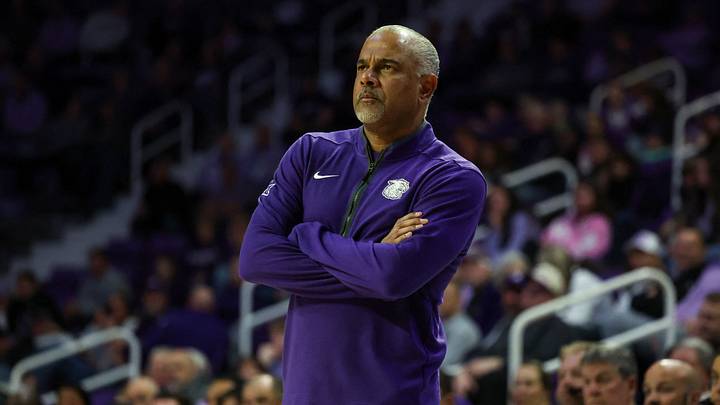
The catalyst for this entire financial saga was a 91-62 drubbing at the hands of the Cincinnati Bearcats. It wasn’t just the score that bothered the administration; it was Tang’s subsequent locker room critique. He stated that his players “didn’t deserve to wear the K-State uniform,” a comment that the university used as the primary evidence for his termination. This specific incident highlights the shrinking margin for error coaches face when speaking to the media in a 24/7 news cycle.
Comparative Analysis of College Basketball Buyouts
To understand the magnitude of the Jerome Tang Settlement, one must look at how it stacks up against other high-profile coaching departures. Buyouts have become the single largest barrier to program turnover in the NCAA. Schools are increasingly looking for “conduct detrimental” or “cause” clauses to escape these underwater contracts, but as the Tang case proves, those clauses are often difficult to enforce without a settlement.
| Coach Name | University | Settlement/Buyout | Firing Type |
|---|---|---|---|
| Jerome Tang | Kansas State | $12,000,000 | Settled (After Cause) |
| John Calipari | Kentucky | $0 (Resigned) | Mutual Parting |
| Chris Holtmann | Ohio State | $12,800,000 | Without Cause |
| Kenny Payne | Louisville | $8,000,000 | Without Cause |
As seen in the data above, Tang’s settlement sits right in the middle of the elite buyout tier. What makes this case unique is the transition from a “for cause” firing to a multi-million dollar settlement. Usually, when a school fires a coach for cause, they intend to pay $0. The fact that K-State still paid $12 million suggests their legal standing regarding the “public embarrassment” claim was perhaps not as airtight as they initially hoped. You can find more college sports financial breakdowns on our sister site to see how these numbers affect recruitment.
The Firing of Jerome Tang at Kansas State
To understand why the Jerome Tang Settlement happened, one must look at the meteoric rise and precipitous fall of his tenure in Manhattan. Tang arrived with fanfare from Baylor, where he served as a long-time assistant to Scott Drew. In his first year, he captured the hearts of the nation by leading the Wildcats to the Elite Eight, cementing himself as a rising star in the coaching ranks. However, the subsequent years failed to live up to that initial magic.
During his final three seasons, Tang’s record was a mediocre 47-52. The honeymoon phase ended abruptly as the program struggled with roster consistency and recruiting misses. The tension between Tang and the administration began to boil over as performance on the court dipped. By the time the Cincinnati loss occurred, the relationship had already frayed behind the scenes. The university was looking for a reason to move on, and Tang’s vocal frustration provided the necessary spark.
The argument that a coach’s words can be grounds for termination is a controversial one in the coaching community. Many felt that K-State was overreaching, using a single emotional moment to bypass a massive financial obligation. This settlement is essentially a compromise that acknowledges Tang’s contributions to the school’s historical 2023 run while allowing the administration to correct a long-term contract mistake. For a deeper look into coaching career trajectories, check out our recent feature on Big 12 leaders.

Jerome Tang’s Return to Baylor
Perhaps the most surprising twist in this saga is Jerome Tang’s immediate re-employment. Rather than sitting out a season to collect his settlement money in peace, Tang returned to Waco to rejoin Scott Drew at Baylor. This move highlights Tang’s desire to stay in the game and provides him with a stable environment while the K-State legalities were being finalized. His deep roots in the Baylor program, including his role in the 2021 National Championship, made this a natural fit.
The New Era: Casey Alexander and K-State Future
With the Jerome Tang Settlement finalized, the path is clear for Casey Alexander to put his stamp on the program. Alexander, who built a reputation as a tactical mastermind at Belmont, was brought in specifically to stabilize the ship. He inherits a fan base that is hungry for the consistency they saw during the early 2020s but weary of the drama that defined the end of the Tang era. Alexander’s first priority has been rebuilding the culture without the shadow of a pending lawsuit hanging over his head.
The university has gone to great lengths to ensure that Alexander has the resources he needs to succeed. By settling with Tang now, the athletic department can focus its fundraising efforts on the future rather than past legal fees. This transition is critical, as the Big 12 continues to expand and become the premier basketball conference in America. Staying relevant requires more than just good coaching; it requires a unified front from the boosters to the bench. You can keep up with all the latest NCAA basketball updates right here as the season approaches.
By The Numbers: The Post-Tang Landscape
The Wildcats have a significant hill to climb. In the year following Tang’s departure, the team’s defensive efficiency rating dropped into the bottom half of the Big 12. Casey Alexander’s historical teams at Belmont consistently ranked in the top 50 nationally for offensive efficiency, a trend K-State hope to replicate. Furthermore, the school’s NIL collective has seen a 20% increase in contributions since the settlement was announced, signaling that the donor base is ready to move past the litigation phase and support the current roster.
People Also Ask
How much is the Jerome Tang Settlement with K-State?
The settlement is for $12 million, which will be paid to Jerome Tang through the end of 2027. This amount is roughly $6.7 million less than his original buyout clause would have required.
Why was Jerome Tang fired from Kansas State?
Tang was officially fired for cause following a loss to Cincinnati. The school cited his post-game comments, where he claimed players did not deserve to wear the uniform, as bringing public embarrassment to the university.
Where is Jerome Tang coaching now?
Following his departure from Kansas State, Jerome Tang joined the coaching staff at Baylor University as an assistant under Scott Drew, returning to the program where he previously won a national title.
Who replaced Jerome Tang at Kansas State?
Kansas State hired former Belmont head coach Casey Alexander to replace Tang. Alexander is tasked with returning the Wildcats to the NCAA Tournament after a three-year drought.
Final Impact of the Jerome Tang Settlement
In the end, the Jerome Tang Settlement represents a clean break for everyone involved. For Jerome Tang, it is a $12 million payout and a chance to rebuild his reputation at a familiar home in Baylor. For Kansas State, it is a $6.7 million savings and the elimination of a massive distraction that threatened to derail the Casey Alexander era before it even truly began. Both sides can now focus on the game they love without the weighing presence of lawyers and contract disputes.
According to ESPN’s coverage of the Pete Thamel report, this resolution was inevitable once both sides realized that a court case would only damage the reputations of the individuals and the institution alike. The world of college sports moves fast, and in a few years, this settlement will be a mere footnote in the history of K-State basketball. However, its impact on how contracts are written and how coaches conduct themselves in the public eye will be felt for much longer.
As you look at the future of the Wildcats, remember that this moment of financial clarity was necessary for progress. With the Jerome Tang Settlement in the rearview mirror, the focus returns to the recruiting trail and the pursuit of a Big 12 championship. The stakes remain high, the money remains massive, and the passion of the Manhattan faithful remains undiminished. It is a new day in the Little Apple, and the court is finally clear for the next chapter.
More Like This
For more updates, check out our latest entertainment and sports news.