Key Takeaways
| Character Accuracy | Cathy Ames remains a true villain, debunking fan fears of a “girlboss” sanitization. |
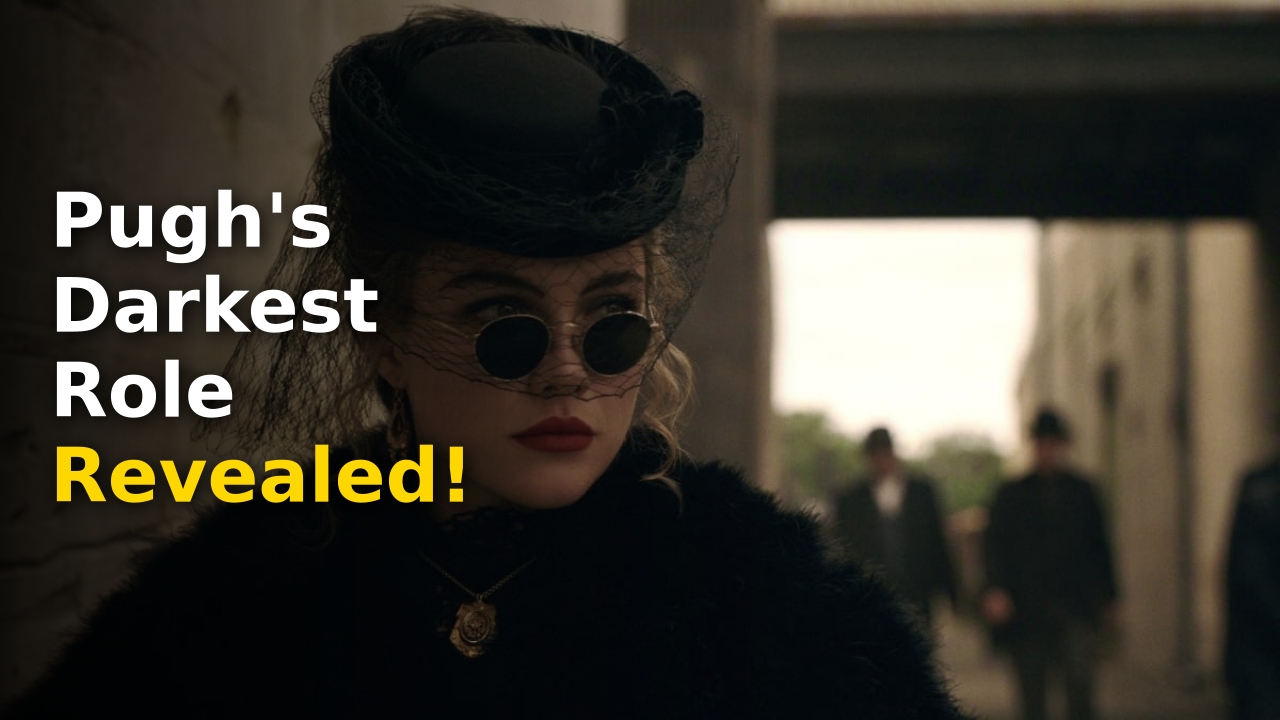
| Florence Pugh’s Impact | Pugh delivers a sinister, masked performance that captures Steinbeck’s “malformed soul” concept. |
| Directorial Legacy | Zoe Kazan, granddaughter of Elia Kazan, maintains the dark core of the original 1952 novel. |
| Thematic Depth | The series centers on ‘Timshel,’ the choice between good and evil, through a harrowing new lens. |
You might have thought the internet was right to panic when the first marketing materials for the **Netflix East of Eden** adaptation suggested a softening of literature’s most terrifying female antagonist. For decades, John Steinbeck’s 1952 masterpiece has stood as a towering achievement in American letters, anchored by the chilling, sociopathic presence of Cathy Ames. When Netflix initially described her as an “antihero,” the literary world braced for a revisionist “girlboss” narrative that would strip away the character’s essential darkness. However, as the 2025 series unfolds, it becomes clear that these fears were not only premature but fundamentally misunderstood the creative vision behind this high-stakes production.
The **Netflix East of Eden** series represents a bold, multi-generational retelling of the Cain and Abel allegory, set against the sun-drenched yet psychologically claustrophobic backdrop of California’s Salinas Valley. At the center of this storm is Florence Pugh, whose portrayal of Cathy Ames is anything but a sanitized redemption arc. Instead, Pugh and executive producer Zoe Kazan have crafted a character study that leans into the “monstrous” nature Steinbeck first penned, while providing the traumatic context that makes her malevolence feel tragically human rather than just caricatured. This balance preserves the terrifying core of the novel while expanding the narrative to satisfy modern television audiences hungry for depth.
Critics and fans who once flooded Reddit threads with vitriol are now finding themselves captivated by a show that refuses to blink in the face of absolute evil. By prioritizing the internal logic of Cathy’s sociopathy, the series manages to be both a faithful adaptation and a groundbreaking piece of prestige drama. You can see the shift in discourse as viewers realize that “complexity” does not equal “forgiveness.” In this 2025 reimagining, the stakes of the Salinas Valley are higher than ever, proving that some stories are so powerful they can survive even the most skeptical internet commentary.
Netflix East of Eden 2025: Debunking the Cathy Ames Antihero Myth
The controversy surrounding the **Netflix East of Eden** adaptation began the moment the word “antihero” was used to describe Cathy Ames. In the literary canon, an antihero is typically a protagonist who lacks conventional heroic qualities but still maintains a moral compass or a sympathetic goal—think Tony Soprano or Walter White. Cathy Ames, as written by Steinbeck, is a different breed entirely. She is introduced as a “monster” born to human parents, a woman who murders her family, manipulates her lovers, and eventually abandons her children to run a sadistic brothel. To call her an antihero seemed like a fundamental misreading of the text, prompting a massive backlash from purists who feared Florence Pugh would be directed to play a misunderstood victim.
However, the series proves that the label was likely a marketing misstep rather than a creative failure. From the opening sequences, it is evident that Zoe Kazan understands the darkness inherent in her grandfather’s cinematic legacy and Steinbeck’s prose. The show does not shy away from Cathy’s most reprehensible acts, including the cold-blooded poisoning of Faye and the physical destruction of the Trask family’s peace. Pugh’s performance is a masterclass in the “mask of nicety,” showing a woman who uses her beauty and perceived vulnerability as a weapon. When that mask slips, the result is a snarling, beastly presence that confirms the internet’s fears of a “soft” Cathy were entirely unfounded.

The series actually enriches the character by exploring the concept of Timshel—the Hebrew word meaning “thou mayest.” This concept is the philosophical heartbeat of the novel, suggesting that humanity always has a choice between good and evil. By showing the horrors inflicted upon Cathy—including sexual trauma and physical abuse at the hands of Mr. Edwards—the show doesn’t excuse her actions; it highlights her choices. Cathy sees the world as a cruel, ugly place and chooses to be the cruelest person in it. This makes her more than a simple monster; it makes her a tragic figure who actively rejects the light, making her eventual downfall all the more impactful for the 2025 audience.
The Psychological Depth of Florence Pugh’s Performance
Florence Pugh has often excelled at playing women on the edge, but her turn in this **Netflix East of Eden** adaptation reaches new heights of calculated malice. Her ability to transition from a weeping, battered girl to a cold, calculating predator in a single scene is what makes this version of Cathy Ames so disturbing. She captures the “dark emptiness” that Steinbeck described, a vacuum where a soul should be. Expert analysis of the performance suggests that Pugh utilized a technique of physical dissociation to represent Cathy’s internal state, particularly in scenes where she feels she is “shrinking” to escape harm. This adds a layer of Alice in Wonderland-style surrealism to the gritty realism of the Salinas Valley.
In contrast to previous adaptations, such as the 1955 film which focused heavily on the brothers, this 2025 series gives Cathy the screen time she needs to breathe as a fully realized antagonist. The show utilizes long, quiet takes to let the audience sit with her discomforting presence. This isn’t a “girlboss” narrative because Cathy doesn’t want to break the glass ceiling—she wants to burn the building down with everyone inside it. Fans of the Netflix East of Eden IMDb profile have noted that the chemistry between Pugh and Christopher Abbott (playing Adam Trask) is fraught with a tension that perfectly mirrors the doomed marriage of the novel.
Comparing the Salinas Valley: Book vs Netflix Adaptation
The setting of the Salinas Valley is as much a character in **Netflix East of Eden** as the Trask family itself. Steinbeck’s prose was famous for its evocative, almost spiritual descriptions of the California landscape—the way the sun hit the Gabilan Mountains and the dark shadows of the Santa Lucias. The 2025 series captures this visual splendor through high-contrast cinematography that emphasizes the divide between light and dark. It’s a literal representation of the moral struggle at the heart of the story. While the novel takes its time introducing the landscape and the Hamilton family, the show opts for a more propulsive start, dropping us directly into the trauma that defines Cathy’s early life.
One of the most significant shifts in the **Netflix East of Eden** narrative is the repositioning of Samuel Hamilton, played by the formidable Ciarán Hinds. In the book, Samuel is the moral anchor and the voice of wisdom. In the series, his role is streamlined, but his initial reaction to Cathy remains a chilling highlight. When Samuel first meets her and feels that “goose walking over his grave,” it serves as a supernatural confirmation of her evil. This interaction is crucial for maintaining the “monster” narrative, as it provides an external perspective that validates the audience’s growing dread. The show’s commitment to these small but vital moments from the book is what keeps it anchored in Steinbeck’s original intent.
Furthermore, the 2025 adaptation explores the racial and social dynamics of the Salinas Valley in more detail than the 1955 film ever could. By expanding the roles of the laborers and the residents of the local brothels, the series paints a more comprehensive picture of the world Cathy seeks to dominate. This broader scope helps to ground the Cain and Abel allegory in a tangible, historical reality. You see the ripples of Cathy’s actions affecting not just the Trasks, but the entire community. This systemic view of evil is a modern touch that aligns with current prestige TV trends, such as those discussed on BrightCelebrity’s look at upcoming Netflix hits.
| Category | 1952 Novel Details | 2025 Netflix Series Details |
|---|---|---|
| Protagonist Focus | Adam Trask and his sons | Cathy Ames (Florence Pugh) |
| Key Narrative Device | Omniscient Narrator | First-person trauma perspective |
| Core Theme | Biblical Allegory / Timshel | Cycles of Abuse / Timshel |
| Villain Portrayal | Born Monster (Psychopath) | Molded by Trauma (Sociopath) |
The Kazan Legacy: From 1955 Cinema to 2025 Streaming
The involvement of Zoe Kazan in the **Netflix East of Eden** production adds a profound layer of Hollywood history to the project. Her grandfather, Elia Kazan, directed the legendary 1955 film starring James Dean. While that version was a masterpiece of its time, it famously only covered the second half of the novel, focusing on the rivalry between the brothers Cal and Aron. Zoe’s version, however, seeks to encompass the entire scope of the book, particularly the first half that establishes Cathy’s origins. This generational baton-pass allows the 2025 series to act as both an homage to the past and a correction of previous omissions.
By putting Cathy front and center, Zoe Kazan is essentially finishing the story her grandfather started. The 1955 film largely marginalized Cathy (played by Jo Van Fleet), treating her as a distant, shadowy figure of shame. In the **Netflix East of Eden** iteration, the character is given her full literary weight. This shift is reflective of modern storytelling sensibilities, which prefer to look directly at the monster rather than just its shadow. Experts suggest that Zoe Kazan’s intimate knowledge of the material, combined with her perspective as a contemporary screenwriter, has allowed for a more nuanced exploration of Steinbeck’s themes than any previous adaptation could offer.

By The Numbers: The production of the 2025 series reportedly cost upwards of $100 million, a staggering figure for a period literary adaptation. This investment is visible in the meticulous recreation of early 20th-century Salinas and the lush, cinematic quality of every frame. The high production value serves a specific narrative purpose: it makes the world feel solid and real, which in turn makes Cathy’s disruption of that world feel more visceral. The series has already broken records for “dwell time” on Netflix for a literary drama, indicating that audiences are deeply engaged with the slow-burn psychological horror of the Trask family saga. For more on the fiscal impact of such series, you can explore Florence Pugh’s rising star power and net worth.
The “Timshel” Philosophy in Modern Context
At the heart of the **Netflix East of Eden** story is the debate over predestination versus free will. Steinbeck’s use of the word Timshel—a mistranslation from the Book of Genesis that he turned into a powerful philosophical tool—remains the series’ guiding light. In the 2025 show, this is explored through Cathy’s refusal to change. Despite multiple opportunities to choose a path of less destruction, she consistently opts for power and control. This makes her the ultimate foil to the concept of “Thou mayest.” She is the person who *could* choose good but *chooses* evil every single time. It’s a sobering look at human nature that resonates strongly in an era of moral ambiguity.
The show’s focus on the cyclical nature of trauma also adds a modern psychological layer to the Timshel theme. It asks the question: does trauma take away your choice? By showing the abuse Cathy suffered, the series invites us to wonder if she was always destined to be a monster or if she was made into one. Yet, true to the novel, the show ultimately lands on the side of choice. Cathy’s victims, like Adam Trask, also suffer immensely, yet they do not turn into monsters. This distinction is what makes the 2025 adaptation a profound piece of philosophical television, far removed from the simple “antihero” tropes the internet initially feared.
People Also Ask
What happened with the Netflix East of Eden trailer controversy today?
The controversy stemmed from Netflix’s initial description of Cathy Ames as an “antihero,” which many fans felt misrepresented her sociopathic nature in the book. However, early reviews and the series release have confirmed that Florence Pugh plays her as a true villain, staying faithful to John Steinbeck’s original intent.
Why is Florence Pugh’s Cathy Ames trending right now?
Florence Pugh is trending due to her sinister and highly praised performance in the Netflix adaptation. Audiences are captivated by her ability to portray a “malformed soul” who uses a mask of innocence to manipulate and destroy those around her in the Salinas Valley.
How does the Netflix East of Eden series differ from the 1955 movie?
The 2025 series covers the entire novel, including Cathy’s early life and murders, whereas the 1955 film only focused on the second half of the book involving the brothers Cal and Aron. The new series also places Cathy Ames at the center of the narrative as its primary antagonist.
When is the next season of East of Eden coming out?
Currently, East of Eden is billed as a limited series covering the entirety of John Steinbeck’s novel. There have been no official announcements regarding a second season, as the story reaches its natural conclusion by the end of the first installment.
Why Netflix East of Eden Redefines Modern Literary Adaptations
The success of the **Netflix East of Eden** adaptation marks a turning point for how streaming platforms handle classic literature. For too long, the trend was to sanitize complex characters to make them more “relatable” to modern audiences. By allowing Cathy Ames to remain a villain—and an unapologetic one at that—Netflix has shown that there is a massive audience for challenging, dark, and faithful adaptations. This series doesn’t treat its viewers like they need a “hero” to root for; it treats them like they want to understand the darkest corners of the human condition. It’s a brave approach that has paid off in both critical acclaim and high viewership numbers.
Ultimately, the internet’s initial skepticism about the **Netflix East of Eden** series served as a testament to how much people still care about Steinbeck’s work. The fear that Cathy Ames would be turned into a “girlboss” was a fear that a foundational piece of American literature would be lost to modern trends. Instead, Zoe Kazan and Florence Pugh have used those very modern trends—prestige production values, deep psychological exploration, and a focus on female agency—to make the original story feel more relevant than ever. They have proven that you can add “humanity” to a character without taking away their “monstrosity.”
As you finish the final episode, the haunting message of Timshel remains. The 2025 series ends not with a neat resolution, but with the heavy realization that the choice between good and evil is a continuous, daily struggle. The **Netflix East of Eden** adaptation is a masterclass in tension, philosophy, and performance, standing as a definitive version for a new generation. It reminds us that while the internet can be wrong about many things, a great story, told with conviction and respect for its source material, will always find its way to the light—even if it’s telling a story about the darkest shadows of the Salinas Valley. For more deep dives into your favorite shows, check out our rankings of the best book-to-screen adaptations.
More Like This
For more updates, check out our latest entertainment and sports news.