Key Takeaways
| Admission Policy | Entirely free on a first-come, first-served basis at the Billy Wilder Theater. |
| Headlining Retrospectives | Focuses on Oscar-winner Ryusuke Hamaguchi’s early works and iconic actress Dorothy Dandridge. |
| Archival Preservations | Includes rare pre-Code restorations and silent masterpieces accompanied by live Benshi narration. |
| Star-Studded Q&As | Appearances by Sharon Gless, Rich Little, Jo Anne Worley, and award-winning directors. |
Securing access to **free ucla film screenings** is officially the ultimate calendar highlight for Los Angeles cinephiles, historians, and culture seekers this autumn. From October 7 through December 20, the legendary UCLA Film & Television Archive is converting the Billy Wilder Theater inside the official Hammer Museum portal into a sanctuary of cinematic preservation, global artistry, and thought-provoking dialogue. This meticulously curated season offers an unmatched, entirely cost-free opportunity to witness rare masterpieces, major restorations, and intimate conversations with industry giants.
By removing the financial barrier to entry, this initiative serves as a democratic beacon for the arts in Southern California. The fall programming acts as both a time machine and a global looking glass, bridging the gap between historical Hollywood lore and contemporary international struggles. Whether you are seeking the silent film traditions of Japan or the sharp political critiques of mid-century Algeria, these **free ucla film screenings** deliver a deep-dive educational experience that surpasses any traditional theatrical run.
Comprehensive Guide to Free UCLA Film Screenings
The programmatic breadth of the archive's upcoming schedule is staggering, capturing over a century of motion picture history. For decades, the UCLA Film & Television Archive has stood at the vanguard of cultural preservation, and this season demonstrates why their physical vault is one of the most vital resource centers in the world. From the early silent era of 1919 to contemporary 2026 documentary releases, each program is designed to spark intense academic and creative debate.
A major draw this season is the celebration of Japanese director Ryusuke Hamaguchi's early works, presented in collaboration with the Yanai Initiative. Long before his masterpiece Drive My Car captured the Academy Award for Best International Feature Film, Hamaguchi was quietly refining his trademark focus on human vulnerability, long-form conversation, and temporal duration. This retrospective offers an unparalleled look at his evolutionary arc through six curated programs, shedding light on how his low-budget independent roots blossomed into international acclaim.
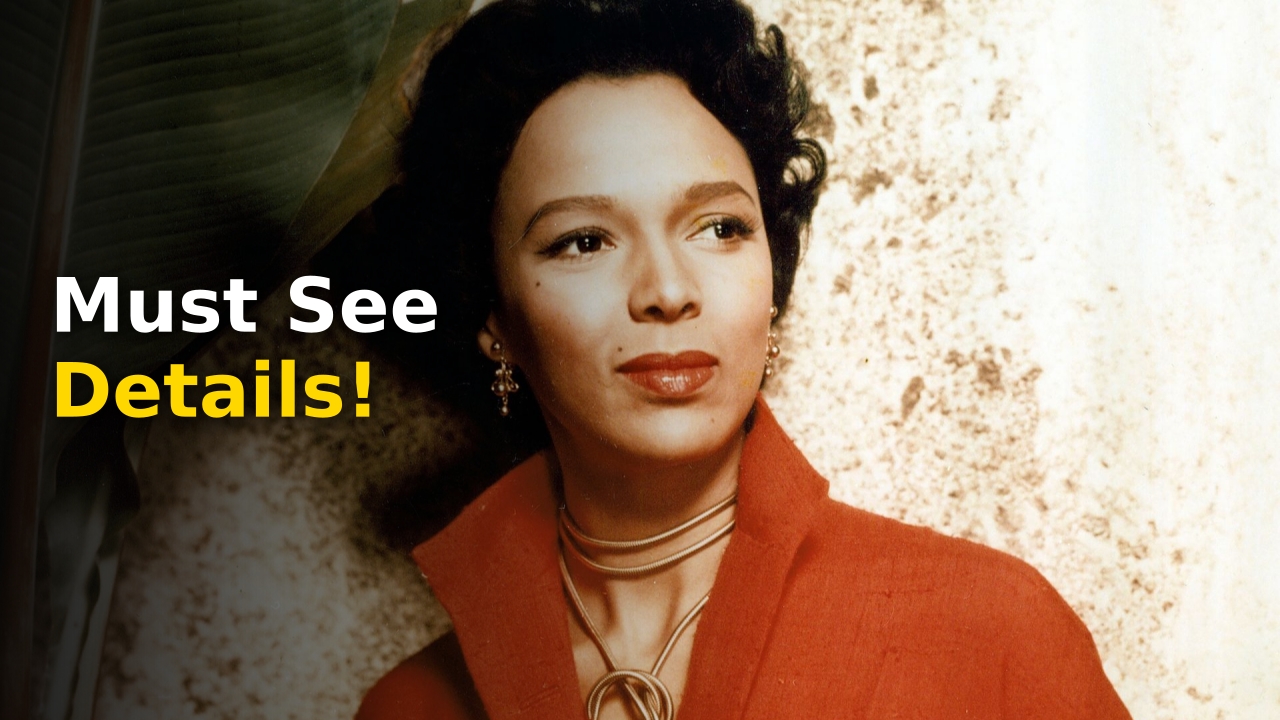
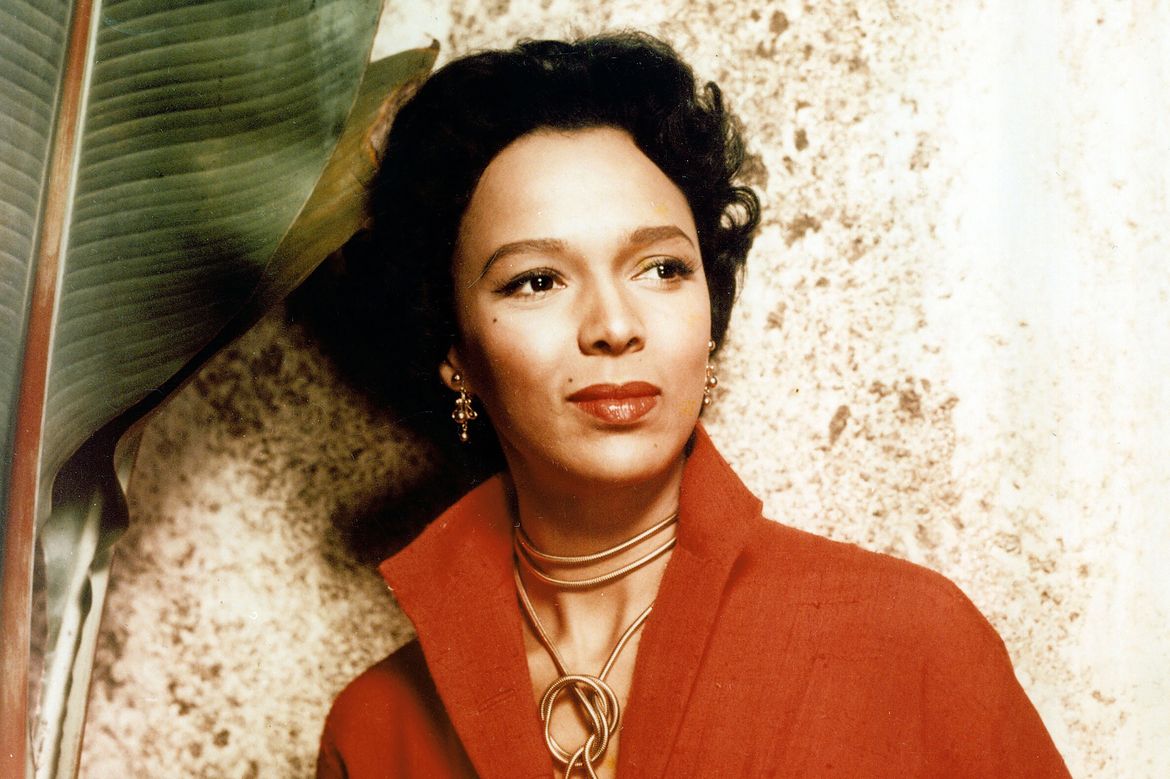
Additionally, the archive pays a deeply deserved tribute to the transcendent legacy of Dorothy Dandridge. Through five specially selected programs, viewers will experience the sheer range of a Hollywood powerhouse who broke racial barriers despite the severe systematic prejudices of her era. Highlighting her historic, Academy Award-nominated performance in Otto Preminger's Carmen Jones (1954), this series serves as a vital reminder of Dandridge's gravity, magnetism, and enduring contribution to the screen. Our collective appreciation of Hollywood legacy stars is profoundly enriched by such critical retrospectives.
Global Masterpieces and Rarities
The global focus of this season extends far beyond standard arthouse programming. A primary crown jewel of the autumn slate is the return of "The Art of the Benshi," a stunning showcase of traditional Japanese silent film narration. This unique performance style features a live narrator, or benshi, who provides poetic translation, dramatic dialogue, and philosophical commentary alongside silent images. Accompanied by live music from composer Makia Matsumura and performances by world-renowned benshi Ichirō Kataoka, this event offers a transformative portal into early 20th-century Asian spectator culture.
Among the specific silent films scheduled is the highly anticipated centennial restoration of Teinosuke Kinugasa’s avant-garde masterpiece, A Page of Madness (1926). Sourced from the National Film Archive of Japan, this screening provides a rare look at a film that was lost for decades before being rediscovered by its creator. The program also bravely spotlights Richard Oswald's Different From Others (1919), recognized globally as the first sympathetic cinematic depiction of LGBTQ+ identities, reinforcing the archive's commitment to intersectional and progressive preservation efforts.
Legacy Television and Hollywood Icons
Beyond celluloid films, television history receives equal reverence in the fall lineup. The "Archive Television Treasures" series honors the creators, performers, and technical innovators who shaped the medium. Opening on October 7, the television segment kicks off with an in-person appearance by Emmy-winner Sharon Gless and executive producer Barney Rosenzweig to celebrate the trailblazing feminist cop drama Cagney & Lacey.
Nostalgia enthusiasts will also flock to the 60th-anniversary celebration of Hollywood Squares on November 21. Featuring live panel commentary from comedy legends Rich Little, Ruta Lee, and Jo Anne Worley, this evening will project preserved episodes and archival clip reels that document the golden era of American television variety. Furthermore, on December 12, the archive highlights Black television storytelling with a rare screening of Stan Lathan’s 1985 adaptation of James Baldwin’s seminal novel, Go Tell It on the Mountain, complete with an in-person panel featuring Lathan and filmmaker Reginald Hudlin. These sessions allow audiences to interact directly with entertainment industry veterans who paved the way for modern broadcasting.
Fall Event Schedule and Key Programming Highlights
To help you plan your autumn calendar, we have compiled an exhaustive breakdown of the highly anticipated screenings, live panels, and restored masterpieces arriving at the Billy Wilder Theater. Due to the high demand for these historic programs, prospective attendees are strongly encouraged to arrive early, as seating is strictly non-ticketed and allocated on a first-come, first-served basis.
The following schedule reflects the diverse themes curated by the archive, pairing classic Hollywood pre-Code comedy with haunting international horror and political documentaries.
| Program Title | Dates | Notable Works & Guests | Key Themes |
|---|---|---|---|
| Archive Television Treasures | Oct. 7 – Dec. 12 | Sharon Gless, Rich Little, Stan Lathan | Luminaries of classic TV, feminist dramas, and cultural history. |
| Ryusuke Hamaguchi: Early Works | Oct. 17 – Nov. 22 | "Happy Hour" (2015), Tōhoku Documentary Trilogy | Duration, minimalist dialogue, and the evolution of a contemporary master. |
| The Trouble With Ghosts | Oct. 31 – Nov. 1 | "La Llorona" (2019), "Pulse" (2001), "A Ghost Story" (2017) | Technological horror, grief, memory, and political hauntings. |
| Dorothy Dandridge Retrospective | Dec. 2 – Dec. 20 | "Carmen Jones" (1954), "Bright Road" (1953) | Pioneering Black stardom, cinematic agency, and Hollywood musicals. |
| The Art of the Benshi 2026 | Dec. 5 – Dec. 6 | Benshi Ichirō Kataoka, "A Page of Madness" (1926) | Live performance traditions, silent film interpretation, and archival restoration. |
Historical Restorations and Cultural Preservation
To understand the magnitude of these public screenings, one must look closely at the painstaking preservation efforts that happen behind the scenes. Physical film is an incredibly fragile medium, highly susceptible to chemical decay, vinegar syndrome, and tragic loss through industrial neglect. The UCLA Film & Television Archive stands as a global champion of cinematic rescue, restoring lost footprints of history that would otherwise vanish from our collective memory.
This season showcases several landmark preservation triumphs, notably two silent-era films starring the charismatic Dorothy Mackaill: Berthold Viertel’s Man Trouble (1930) and Emmett Flynn’s The Man Who Came Back (1924). The latter represents an extraordinarily rare artifact as one of the few surviving Fox Film Corporation silent-era features, which were largely lost in the infamous 1937 Fox vault fire. By pairing these restorations with live musical accompaniment, the archive does not just screen a movie; it resurrects a defunct, multisensory performance medium.
Another highlight of historical scholarship occurs on November 18 with a gorgeous 35mm restoration of Ernst Lubitsch's comedy masterpiece Trouble in Paradise (1932). The screening shifts the critical spotlight onto legendary costume designer Travis Banton, the creative genius who defined the glamour of Paramount Pictures during Hollywood's golden era. This special presentation is hosted by costume history authorities Howard Gutner and Deborah Nadoolman Landis, bringing academic depth to the visual mastery on screen.

By The Numbers: The Archival Impact
- Over 100 Years of Cinema: The fall programming bridges generations, spanning from 1919's Different From Others to contemporary 2026 documentaries like Raha Shirazi's A War on Women.
- Six Decades of Political Echoes: The 60th anniversary of Gillo Pontecorvo’s The Battle of Algiers (1966) offers a stark look at anticolonial resistance, analyzed by premier regional scholars.
- Preserving the Silent Era: Less than 25% of silent-era American films survive today, making the North American premiere of Flynn’s The Man Who Came Back an event of global significance.
Expert Take: The Preservation Philosophy
"Film preservation is not merely about digitizing old celluloid; it is an act of historical justice," notes Dr. Loubna Qutami, a researcher of cultural memory and global displacement. "When an archive restores a film, they are restoring the voices, struggles, and artistic triumphs of communities that major studio systems frequently attempted to marginalize or erase altogether." This philosophy is starkly apparent in the upcoming "Borders That Flower" program on November 14, which utilizes moving images to explore the complex histories of Palestine and Lebanon through contemporary visual art.
Exploring Social Impact and Political Cinema
The fall slate does not shy away from challenging political landscapes, using cinema as a canvas for revolutionary ideas and social justice movements. On October 24, the archive honors the 60th anniversary of The Battle of Algiers, a film so politically potent that it was once banned in several Western nations. Directed by Gillo Pontecorvo, the movie utilizes a gritty, documentary-like aesthetic to capture the Algerian struggle for independence from French colonial rule. A post-screening discussion with UCLA professors Kriss Ravetto-Biagioli and Nouri Gana will connect the film's revolutionary tactics to contemporary global movements. To read more about the historical impact of this film, you can check IMDb's page for Gillo Pontecorvo's masterpiece.
In addition to historical struggles, modern fights for basic human rights take center stage. On December 16, the archive partnering with the Farhang Foundation presents the 2026 documentary A War on Women by director Raha Shirazi. The film provides an intimate, gut-wrenching look at the multi-generational struggle of Iranian women fighting for physical sovereignty and institutional equality under the banner of the Woman, Life, Freedom movement. Shirazi’s in-person attendance guarantees a deeply moving discourse on the dangerous frontlines of visual activism.
Furthermore, the "Trans Cinema: Making Communities, Identities, and Worlds" program on November 15 showcases the archive’s dedication to LGBTQ+ historic preservation. Spearheaded by media scholar Laura Horak, this evening explores how transgender artists have historically used the camera to craft spaces of survival, resistance, and joy. Part of the Archive's ongoing Legacy Project Screening Series, this event bridges theoretical academic scholarship with raw, community-centric artistic expressions. Recognizing the work of these iconic cultural figures is a core tenet of the archive's mission.
To explore the life and historical impact of the actress featured in the December lineup, you can read Dorothy Dandridge's Wikipedia biography. Her legacy continues to influence generations of modern performers and filmmakers.
People Also Ask
Are the UCLA Film & Television Archive screenings completely free to the public?
Yes, all screenings in the fall program are completely free of charge. No tickets or paid reservations are required, and seats are allocated strictly on a first-come, first-served basis.
Where do the free UCLA film screenings take place?
All screenings are hosted at the Billy Wilder Theater, which is located inside the Hammer Museum at UCLA in Los Angeles, California.
Who are the notable guests appearing in person for the 2026 fall season?
Featured guests include Sharon Gless, Barney Rosenzweig, Rich Little, Ruta Lee, Jo Anne Worley, Stan Lathan, Reginald Hudlin, David Stenn, and documentary filmmaker Raha Shirazi.
What is "The Art of the Benshi" showcase at UCLA?
It is a special performance program featuring live Japanese silent film narration (benshi) by Ichirō Kataoka, accompanied by live musical compositions, celebrating classic avant-garde and queer silent masterpieces.
How can I view the full schedule for the UCLA Film Archive fall events?
The complete calendar, start times, and screening updates are available directly on the official UCLA Film & Television Archive website.
Cultural Impact of Free UCLA Film Screenings
Ultimately, the return of the **free ucla film screenings** represents more than just a seasonal entertainment guide; it is a profound testament to the power of shared theatrical spaces. In an era dominated by isolated algorithmic streaming platforms, gathering in a dark theater to collectively experience preserved history is a revolutionary act. The Billy Wilder Theater remains one of the few physical spaces where generations of audiences can connect with our shared artistic past.
By spotlighting marginalized voices, celebrating film preservation, and providing free access to world-class cinema, UCLA continues to set the benchmark for global arts education. As you prepare to attend these landmark programs, you are participating in a living history that extends far beyond the screen. Make sure to arrive early at the Hammer Museum this autumn to secure your seat for a truly unparalleled journey through the history of the moving image.
More Like This
For more updates, check out our latest entertainment and sports news.