
Key Takeaways
| Album Milestone | Justin Vernon’s transformative third album celebrates its tenth anniversary today. |
| Creative Shift | The record marked a pivot from indie-folk to experimental electronic soundscapes. |
| The Messina | Vernon developed custom vocal processors to create the album’s unique sonic texture. |
| Thematic Core | The project explores themes of duality, numerology, and existential anxiety. |
22 A Million turns 10 today, marking a decade since Justin Vernon and Bon Iver shattered the expectations of the indie-folk industrial complex. You might remember the release as the moment the band traded their iconic, acoustic cabin-wood aesthetic for a fractured, digital, and deeply experimental landscape that changed modern music production forever.
Released on September 30, 2016, the album emerged from a period of profound personal struggle for Vernon. Following the massive success of their 2011 self-titled effort, the band’s frontman found himself in a cycle of anxiety and public scrutiny, ultimately finding salvation in the Greek isles. It was here, armed with a Teenage Engineering OP-1, that the seeds for this career-defining sonic metamorphosis were sown.
The Evolution of 22 A Million Turns 10
When 22 A Million arrived, it was less a collection of songs and more a digital monument to existential confusion. By the mid-2010s, many artists were moving toward electronic music, but few did so with the specific intent of subverting their own established tropes. Much like Radiohead’s pivot to Kid A, Vernon recognized that his previous sound had been commodified, leading him to dismantle his identity as the ‘Skinny Love’ songwriter.
The album’s production remains a masterclass in ‘audio world-building,’ blending the rustic with the mechanical. Collaborating with studio engineer Chris Messina, the team engineered a hardware/software vocal processor affectionately titled ‘The Messina.’ This tool allowed Vernon to push his signature falsetto into registers that sounded simultaneously angelic and demonic, creating a texture that feels just as fresh and alien today as it did upon its debut.
This period represented a significant shift in Bon Iver’s creative trajectory. Where previous records relied on the warmth of organic instruments, this project embraced the ‘glitch’ aesthetic. Tracks like ’10 d E A T h b R E a s T ⚄ ⚄’ utilized distorted drums and digital bass lines that felt heavily indebted to the production style found on Kanye West’s Yeezus, a project Vernon also influenced significantly.
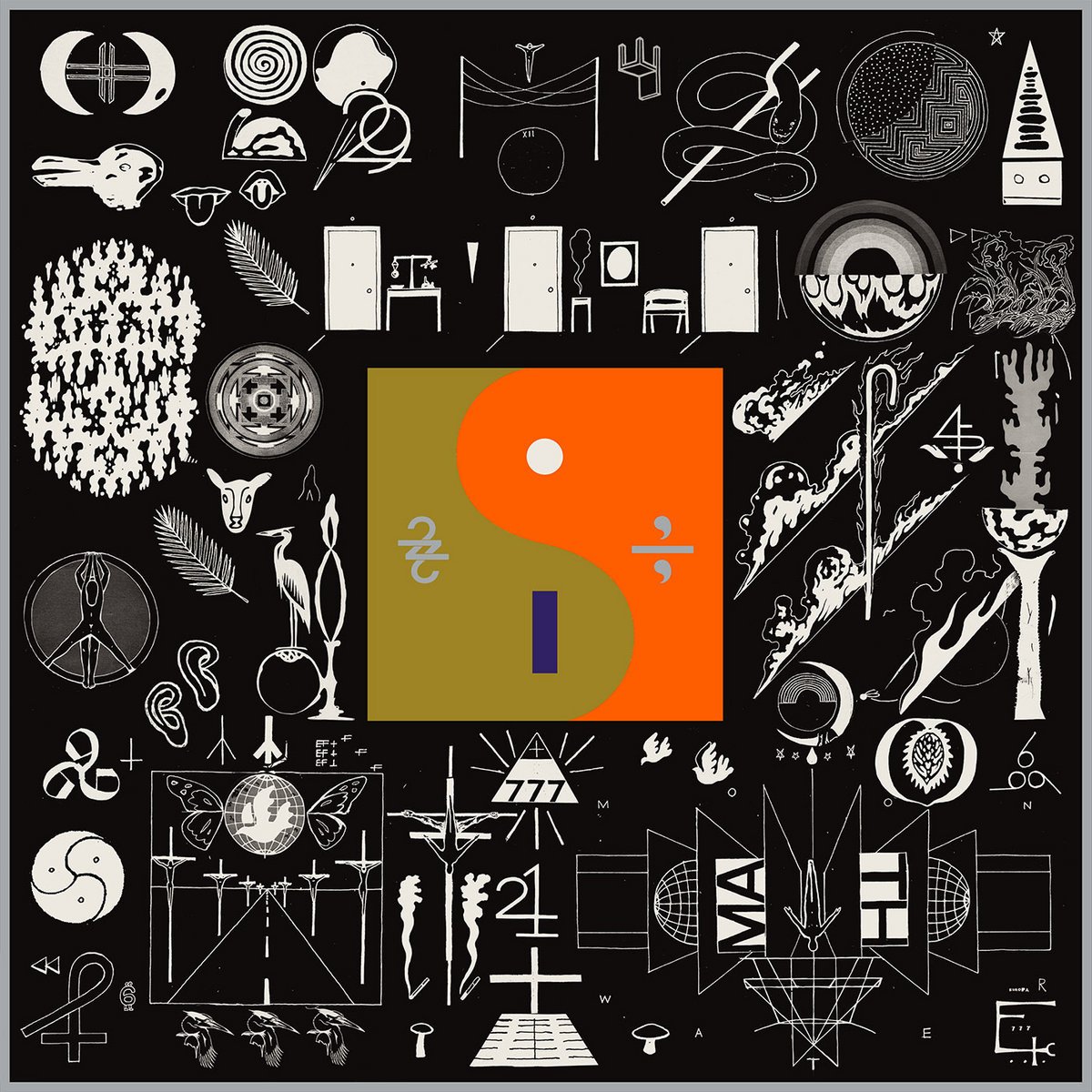
The thematic depth of the record is equally compelling. Vernon merged his interests in Taoism and Christianity with the cold reality of modern isolation. The recurring numerology and abstract symbols were not just aesthetic choices; they were an attempt to translate the experience of being a human in an increasingly digital, impersonal world. It is this marriage of high-concept philosophy and raw, bleeding-edge production that continues to define his career.
The Legacy of Innovation
- Development of the custom Messina vocal processor altered standard recording techniques.
- The album challenged the ‘indie-folk’ label, proving genre boundaries are fluid.
- Eric Timothy Carlson’s graphic design work created an inseparable visual language.
- Subversion of the ‘sad-man-with-a-guitar’ trope influenced a generation of bedroom producers.
Comparative Sonic Analysis
| Era/Album | Core Instrumentation | Emotional Tone |
|---|---|---|
| For Emma (2007) | Acoustic guitar/Falsetto | Raw, isolated, rustic |
| Bon Iver (2011) | Full band/Orchestral | Expansive, cinematic |
| 22 A Million (2016) | OP-1/Vocoder/Samples | Anxious, experimental, modern |
The Contextual Impact of Vernon’s Exile
The story behind 22 A Million turns 10 cannot be told without addressing the burnout that preceded it. During the four years following the Grammy-winning success of their second album, Vernon found himself feeling like an ‘institution’ rather than an artist. His retreat to Greece and the subsequent panic attacks he suffered highlight the hidden toll of sudden, global musical fame.
According to Forbes’ analysis of the music industry’s shifts in the mid-2010s, this period was crucial for experimental indie rock. Artists were no longer satisfied with standard studio recordings. Vernon’s approach to subverting his own brand mirrors the actions of icons like David Bowie or Thom Yorke. He walked away from the ‘faucet’ of success specifically to keep his passion from drying up.
This ‘by the numbers’ breakdown shows that the album was a high-risk, high-reward move. While some fans initially pushed back against the heavy electronic processing, the critical reception eventually reached a fever pitch. The album remains one of the most cited works in 21st-century independent music because it dared to fail in such a spectacular, beautiful way.
Even now, Justin Vernon’s impact on production is visible in the work of younger artists who mimic his ‘glitch-folk’ style. By refusing to rest on the laurels of his earlier, more palatable folk successes, he carved out a space where he could be both a commercial success and a consistent, avant-garde outlier.
People Also Ask
What happened with the release of 22 A Million?
The album was famously debuted in full at Vernon’s Eaux Claires festival in August 2016, a month before its official release. This surprise reveal set the stage for one of the most anticipated indie rock releases of the decade.
Why is 22 A Million trending right now?
The album is trending because September 30, 2026, marks the official ten-year anniversary of its release. Fans and music critics are reflecting on its lasting influence on electronic and folk music production.
How does this affect Bon Iver’s current career?
It highlights Vernon’s recurring struggle to reconcile his identity as a musician with the expectations of his audience. This theme of resisting categorization has remained a central part of Bon Iver’s artistic narrative to this day.
When did Justin Vernon start the 22 A Million project?
The project began during his time alone in Greece around 2014-2015, where he began experimenting with a Teenage Engineering OP-1 sampler. He returned home with only 11 seconds of audio that eventually became the album’s foundation.
Final Thoughts
As 22 A Million turns 10, the album continues to function as a bridge between the analog past and a hyper-digital future. It is a testament to the fact that when an artist chooses vulnerability over security, the resulting work resonates across decades. You can listen to the tracks today and still find fresh sonic layers, proof of a masterpiece that refuses to age.
More Like This
For more updates, check out our latest entertainment and sports news.