Key Takeaways
| Work stoppages of 60 games or more trigger a mandatory 2029 contract extension. |
| Broadcasters gain an extra year of rights, delaying MLB’s push for a $2B+ market reset. |
| Owners risk losing significant leverage in national media negotiations by extending current deals. |
| The 2027 season’s early March start date creates a razor-thin margin for labor peace. |
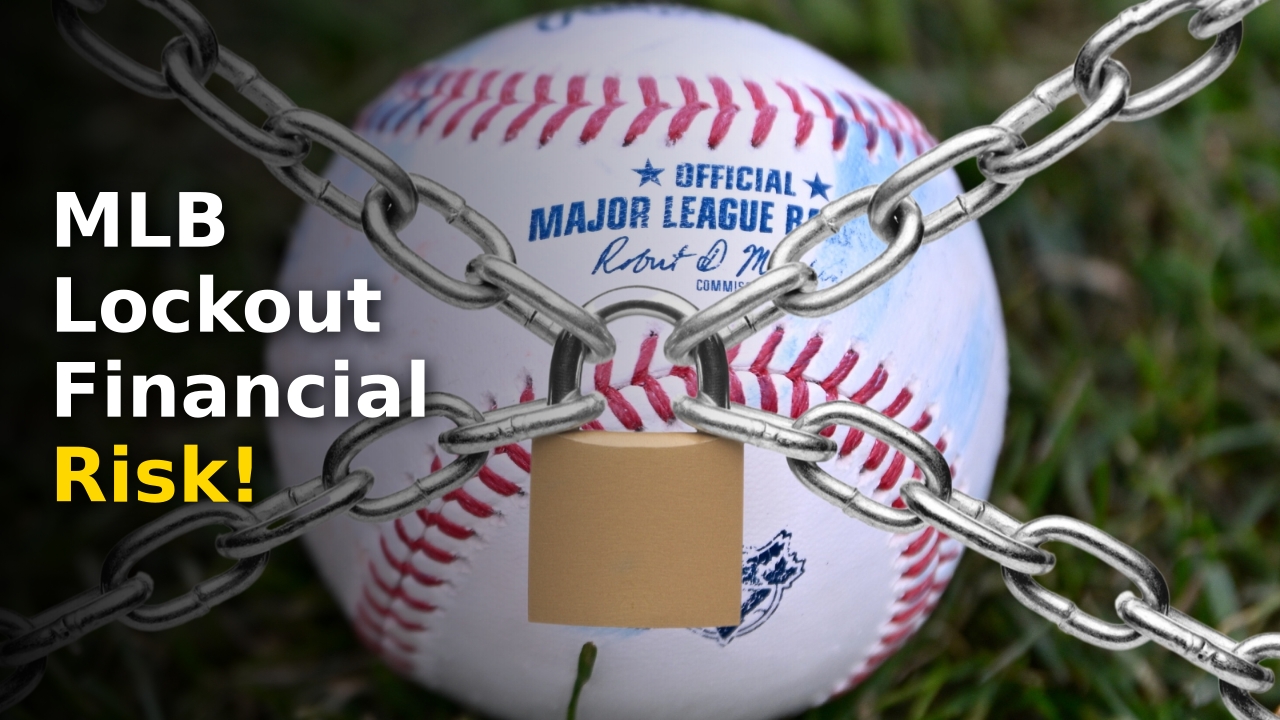
An MLB lockout clause could inadvertently become the most significant leverage point in the next round of professional baseball labor negotiations. You might be surprised to learn that team owners, often seen as the aggressors in work stoppages, are now facing an expensive financial penalty if the 2027 season is delayed by just 60 games. This obscure provision acts as a ticking time bomb for the league’s media strategy.
As the December 1 deadline for the current Collective Bargaining Agreement looms, the threat of a shutdown is real. If the league forces a pause that wipes out 60 games per club, existing national television contracts with heavyweights like Fox, ESPN, and NBC automatically extend through 2029. This potential forced extension threatens to derail MLB’s ambitious plans for a massive 2028 media rights reset.
The MLB Lockout Clause Financial Impact
The league currently generates approximately $2 billion annually from its national media partnerships. By timing these agreements to expire concurrently in 2028, MLB executives have positioned themselves to test the open market in a consolidated fashion. The goal is to chase the astronomical valuations seen in ESPN’s analysis of the NBA media rights deal, which brings in roughly $7 billion annually. 
However, the MLB lockout clause creates a structural conflict. If the season is truncated, broadcasters receive an extra year of inventory as a form of compensation. In some scenarios, these networks could theoretically hold the rights to the 2029 season without paying any additional rights fees. This would effectively trap MLB in its old revenue model, preventing them from capitalizing on newer, more lucrative streaming paradigms.
Owners must navigate this with surgical precision. While they may prioritize a salary cap or other labor concessions, the cost of crossing the 60-game threshold could outweigh the benefits of a prolonged fight. This makes the 2027 calendar year an essential focus for anyone tracking the future of sports business updates and league economics.
Expert Take: The Valuation Gap
Financial analysts view this specific contract language as a major oversight in long-term planning. By tying media rights extensions to work stoppages, the league essentially handed broadcasters an insurance policy against labor volatility. This gives the television networks a vested interest in the length of a strike, potentially changing the tone of negotiations behind closed doors.
By The Numbers: The Media Rights Landscape
| League | Approx. Annual Media Revenue |
|---|---|
| NFL | $11 Billion+ |
| NBA | $7 Billion |
| MLB | $2 Billion |
As indicated in the table above, MLB operates in a significantly different financial tier than the NFL or NBA. The league’s desire to close this gap is why the 2028 expiration of current rights is so critical. If the MLB lockout clause is triggered, the league loses the ability to reset their base price in 2029, keeping them locked into current rates for another season of massive revenue growth opportunity lost.
Background and Strategic Risks
The history of labor strife in professional baseball, such as the 1994-95 strike, demonstrates how quickly public perception and revenue can deteriorate. Modern owners are acutely aware that they cannot afford another long-term shutdown. The 60-game mark, which roughly aligns with late May, serves as a soft “drop dead” date for the 2027 season if the parties want to avoid triggering the automatic extensions.
Reports suggest that broadcasters have already agreed to continue paying rights fees even if the season is shortened, provided they eventually receive that free year of content in 2029. This means television revenue could actually fund the owners’ ability to survive a labor dispute.  It is a strange cycle: the money meant for the season could be the very thing that incentivizes a stalemate, at least until the 60-game threshold looms.
Ultimately, this situation creates a unique scenario where the networks might technically benefit from a medium-length stoppage. This is a far cry from the usual dynamic where sponsors and media partners pressure leagues to reach deals quickly. You can read more about how these shifts impact fan access on our industry analysis page.
People Also Ask
What is the 60-game MLB lockout clause?
This is a contractual provision in national television agreements that grants broadcasters an extra year of rights (through 2029) if a labor stoppage cancels at least 60 games of the 2027 season.
How does this impact MLB’s 2028 media rights?
If the clause is triggered, the league cannot put its entire rights package back on the open market in 2028, delaying their opportunity to seek significant financial growth.
Why would networks want a lockout?
Broadcasters receive a full season of programming in 2029 without having to pay additional rights fees if the 60-game threshold is crossed, effectively getting a free year of premium content.
When does the current MLB CBA expire?
The current Collective Bargaining Agreement between MLB and the MLBPA expires at 11:59 p.m. ET on December 1, 2026.
Final Thoughts
The interplay between labor negotiations and broadcast contracts has never been more delicate. Owners are no longer just battling the players’ union; they are fighting against the rigid constraints of their own television agreements. As the 2027 season approaches, all eyes will be on the MLB lockout clause as a primary driver of how long a potential labor standoff might last. For more updates on the financial health of the league, keep checking in with our comprehensive sports news portal.
More Like This
For more updates, check out our latest entertainment and sports news.