Key Takeaways
| Critics argue Ryan Day should have intentionally allowed a Texas touchdown to reclaim possession time. |
| Defense-first coaching mentalities often conflict with aggressive time-management analytics. |
| The aftermath of a major loss often triggers intense fan engagement in the Columbus sports media ecosystem. |
| Historical data suggests Ryan Day maintains a high winning percentage compared to legendary coaches. |
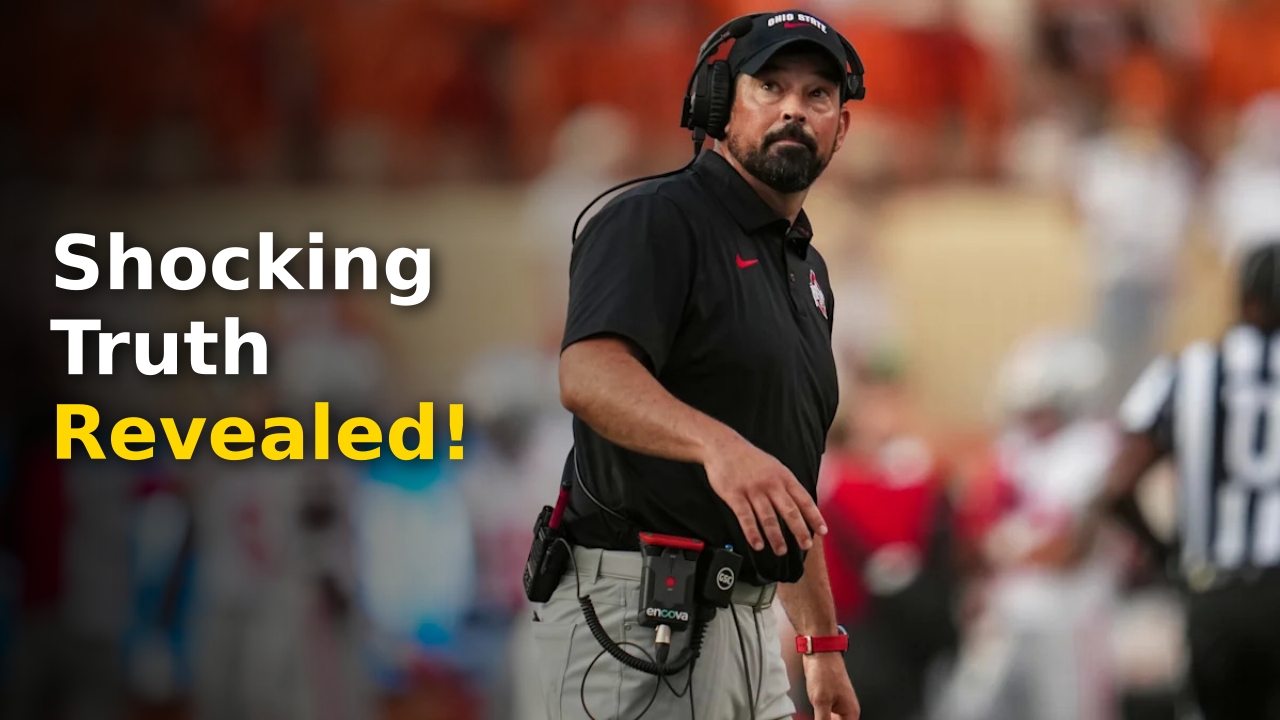
The Ohio State football controversy sparked by head coach Ryan Day’s late-game decision against Texas has ignited a fierce debate among college football analysts and the Buckeye faithful. You have likely seen the headlines, but the question remains: should Day have surrendered a touchdown to force a final offensive drive, or does that signal a fundamental lack of faith in his own defensive unit?
In high-stakes environments, the margin between coaching genius and public outcry is razor-thin. While hindsight provides 20-20 vision, the reality of the sideline involves split-second decisions that define legacies. For Ryan Day, this specific game moment represents the pressure cooker of modern Big Ten football, where every choice is scrutinized by millions.
Ohio State football controversy and the analytics of losing
The primary point of contention in this Ohio State football controversy centers on time management versus defensive integrity. Proponents of the ‘let them score’ theory argue that conceding a touchdown with one minute left, coupled with a saved timeout, offers a statistically superior path to a comeback compared to a stalled defensive stand. However, this strategy assumes the offense can reliably navigate the field under immense pressure.
Coaching an elite program requires more than just board-certified analytics; it requires maintaining locker room culture. Asking a defense to step aside is an admission of failure that can erode trust between the staff and the athletes. If the gamble fails—which it often does—the coach faces a dual threat: losing the game and losing the confidence of his defensive squad, who are essentially being told they are liabilities on the field.

The psychological toll of such a decision is often overlooked in favor of cold, hard data. When a coach like Day leads a program of this magnitude, he is paid not just to call plays, but to manage the collective ego and morale of a massive roster. Critics often forget that even with an intentional score, there is no guarantee of a successful touchdown drive on the return. It is a high-variance gamble that ignores the volatility of special teams and turnovers.
The cultural impact of fan reactions
Beyond the Xs and Os, the loss has transformed the local media landscape into a theater of the absurd. The aftermath of a defeat in Columbus is almost as significant as the game itself, with fans flooding the mailbox with passionate, often vitriolic, demands for structural change. This cycle of panic is a staple of big-time collegiate programs, proving that for many supporters, the emotional rollercoaster is the true product they consume.
By the numbers: coaching legacy and pressure
When analyzing the career of a coach in such a hot-seat environment, context is essential. According to ESPN’s analysis of collegiate football records, few modern coaches possess the winning percentage that Day has maintained since taking over the program. His tenure has been marked by a transition in the postseason format that forces more frequent, high-difficulty matchups than in previous eras of the sport.
| Metric | Value/Status |
|---|---|
| Career Win Percentage | Elite-tier (Top 5% active) |
| Postseason Difficulty | Increased complexity/frequency |
| Fan Engagement Index | Maximum (Post-loss spike) |
| Strategic Gamble | High risk/Undetermined reward |
As noted by long-time observers, citing Theodore Roosevelt’s ‘man in the arena’ philosophy remains a common defense for coaches facing unreasonable criticism. While the fans are often convinced they know which personnel should be rotated or which blitzes should be called, the reality of the game is significantly more complex. You can read more about the impact of coaching scrutiny on modern media to understand how public perception diverges from internal reality.

The broader landscape of collegiate athletics
The frustration surrounding the football program has bled into other local sports discussions, as fans grapple with wider disappointments in the Columbus sports scene. From the performance of franchises like the Blue Jackets to the architectural debate over luxury seating at Ohio Stadium, the city is in a constant state of self-reflection. This atmosphere ensures that every minor controversy is amplified, creating a feedback loop where dissatisfaction becomes the default setting for the community.
Critics point to the fact that major programs are held to an impossible standard, where any result short of an undefeated season is viewed as a systemic failure. This environment, while great for engagement and ad revenue, makes the role of a head coach arguably one of the most difficult jobs in professional and amateur sports combined. You can explore the recruiting dynamics of major university programs to see how this visibility shapes the future of the sport.
People Also Ask
What happened with the Ohio State football controversy today?
The controversy stems from head coach Ryan Day’s decision not to allow Texas to score in the final minute of a recent game, which some analysts believe prevented a potential comeback opportunity.
Why is Ryan Day trending right now?
He is trending due to widespread fan criticism regarding his in-game clock management decisions during the loss to Texas and the subsequent public debate regarding his job performance.
How does this affect the Buckeye fan culture?
The loss has triggered a significant spike in fan engagement, with local sports mailboxes seeing a surge in letters calling for coaching changes and debating strategic play-calling.
When is the next major game for Ohio State?
The next high-stakes matchup is currently being anticipated as the team seeks to rebound from their recent loss and solidify their standing for the postseason.
Final thoughts on the coaching debate
Ultimately, the Ohio State football controversy serves as a reminder of the immense emotional stakes involved in college sports. While analysts debate the merits of intentional scoring versus defensive trust, the fans remain the heartbeat of the narrative, providing both the energy and the vitriol that sustain the program’s cultural relevance. Whether or not Ryan Day made the correct choice, the conversation proves that in the modern era, the game is never truly over until the last letter is written.
More Like This
For more updates, check out our latest entertainment and sports news.