Key Takeaways
| The A-Team rejected traditional character arcs to focus on a high-octane, cartoon-like live-action dynamic. |
| Creator Stephen J. Cannell was explicitly ordered by NBC president Brandon Tartikoff to break every convention of TV. |
| The show pioneered bloodless violence, allowing for massive explosions without a single on-screen fatality. |
| By 2026, the series is recognized as a precursor to the subversive storytelling found in modern prestige television. |
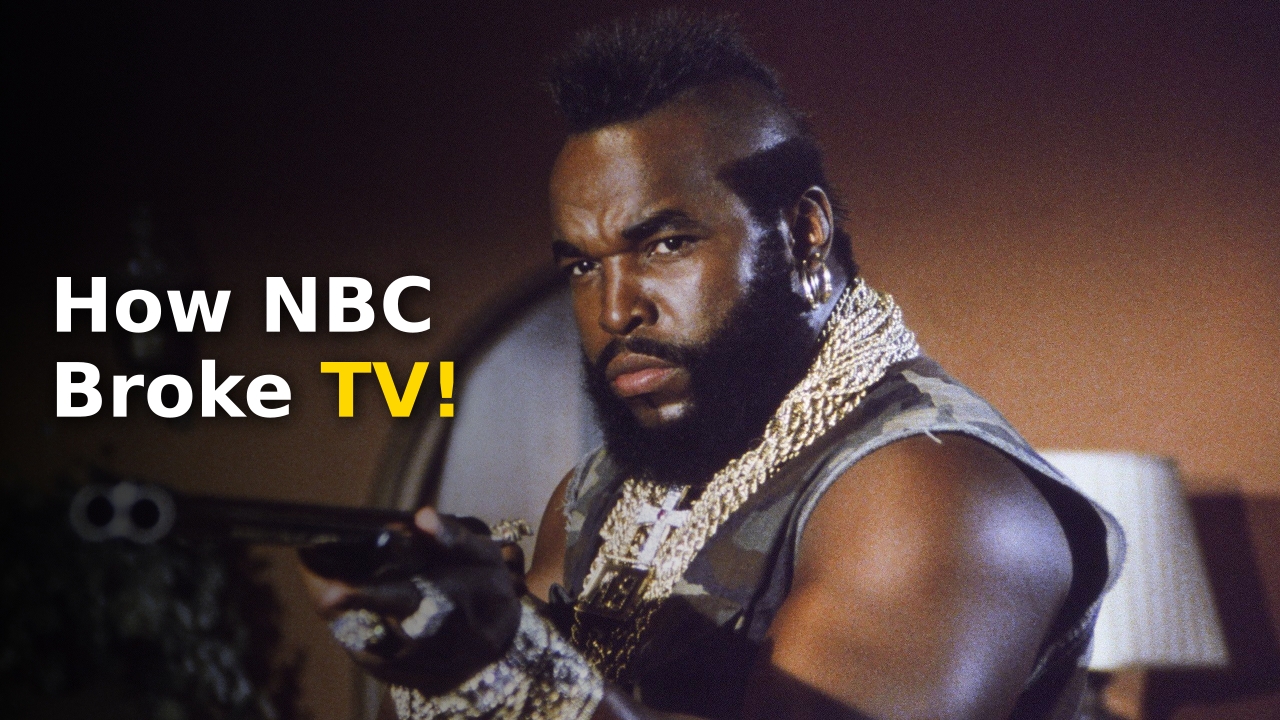
You likely recall the smell of cigar smoke and the roar of a modified 1983 GMC Vandura before you ever realized the The A-Team Storytelling Rules were actually dismantling the foundations of network television. While modern audiences often associate narrative subversion with the dark, gritty realism of the 21st-century Golden Age, this NBC powerhouse was breaking the mold decades earlier. By prioritizing explosive spectacle over nuanced character growth, it created a blueprint that modern showrunners are still attempting to decode in 2026.
The series did not just entertain; it fundamentally challenged what a primetime audience would accept from a procedural drama. Instead of the “case-of-the-week” formula seen in traditional police procedurals, it offered a chaotic blend of military precision and slapstick absurdity. This approach ensured that the stakes were always high, yet the emotional toll remained curiously low, a paradox that defined an entire generation of viewers. Understanding how these veterans of a “crime they didn’t commit” functioned requires a deep dive into the mechanical heart of 1980s media production.
The A-Team Storytelling Rules: NBC’s Radical Shift
In the early 1980s, television was a medium of strict guidelines, but the The A-Team Storytelling Rules emerged from a desperate need for innovation at NBC. Network president Brandon Tartikoff was facing a ratings slump and needed a hit that could be produced with lightning speed. He approached legendary creator Stephen J. Cannell with a prompt that sounded more like a fever dream than a series pitch: combine the gritty aesthetic of The Road Warrior with the eccentric energy of Mr. T.
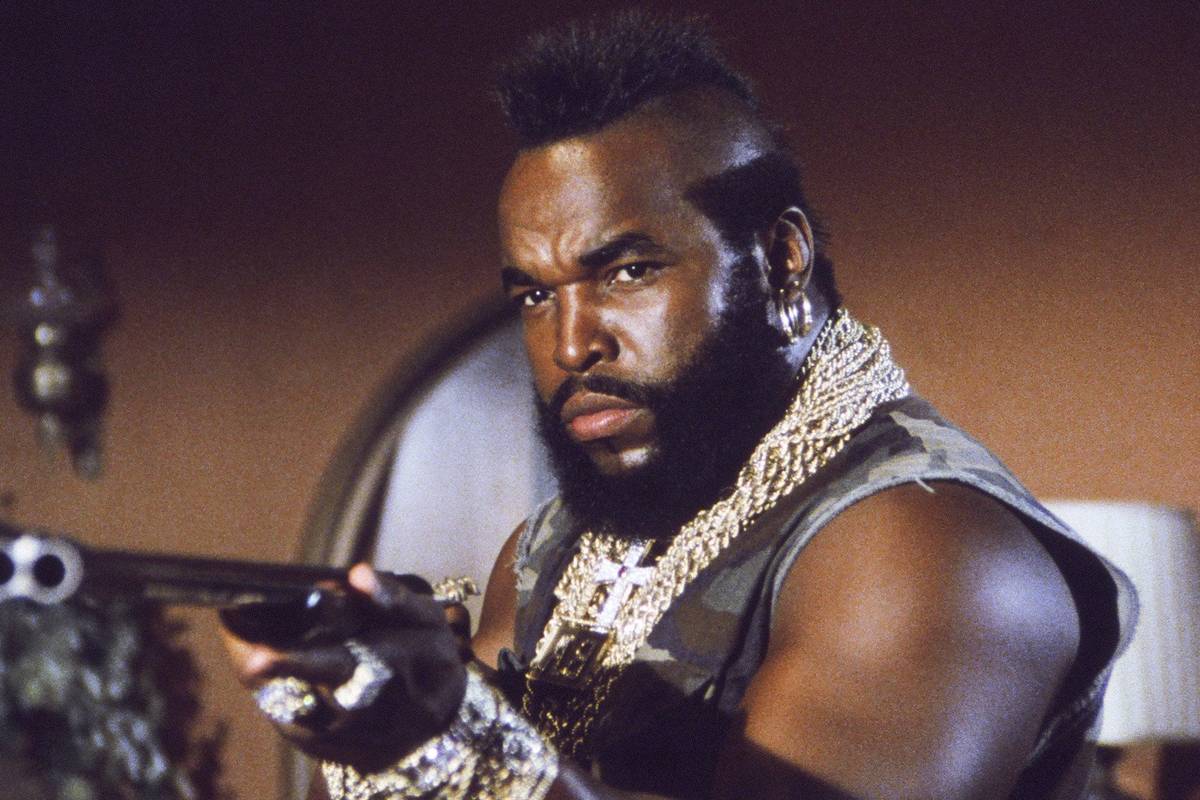
Cannell, a master of the genre who had already seen success with hits like The Rockford Files, saw an opportunity to create something truly subversive. He famously stated that his only mandate was to “break all the rules” of traditional narrative. This meant abandoning the slow-burn character development that was beginning to take root in shows like Hill Street Blues. Instead, the A-Team members—Hannibal, Face, Murdock, and B.A. Baracus—were static archetypes that never needed to change because they were already perfect for their roles.
The subversion extended to the show’s relationship with violence, which became its most controversial and celebrated feature. While the characters were soldiers of fortune, they operated under a strict, self-imposed “no-kill” policy that satisfied network censors while allowing for maximum property damage. This “inconsequential violence” meant that even as cars somersaulted through the air and buildings were leveled, every antagonist would eventually crawl out of the wreckage unharmed, brushing dust off their suits. It was a live-action cartoon that commanded millions of viewers every Tuesday night.
The Power of the Static Archetype
Unlike modern protagonists who must undergo transformative journeys, the A-Team was built on the strength of consistency. John “Hannibal” Smith, played by the legendary George Peppard, was the strategist whose plans always came together. Templeton “Face” Peck (Dirk Benedict) was the smooth-talking scrounger, “Howling Mad” Murdock (Dwight Schultz) provided the wild-card insanity, and B.A. Baracus (Mr. T) was the muscle with a heart of gold and a fear of flying.
By keeping these characters static, Cannell allowed the audience to focus entirely on the ingenuity of the mission at hand. This predictability was not a weakness; it was a comfort that turned the show into a global phenomenon. Fans didn’t tune in to see how Hannibal would change; they tuned in to see how he would smoke a cigar while a tank made of scrap metal cleared a path through a corrupt local militia. This reliability is a core tenet of the vintage action icons that dominated the era.
The A-Team Legacy: By the Numbers Breakdown
To truly grasp the scale of the show’s impact, one must look at the metrics that defined its five-season run on NBC. The production was a massive undertaking that involved heavy stunt coordination and a budget that was astronomical for the time. Despite the chaos behind the scenes—including the well-documented friction between George Peppard and Mr. T—the show remained a top-ten hit for much of its life. The following data highlights the comparative landscape of 1980s television disruption.
| Series Title | Network | Primary Subversion | Stunt Intensity |
|---|---|---|---|
| The A-Team | NBC | Bloodless Violence | High (Explosive) |
| Miami Vice | NBC | Visual Aesthetic | Moderate (Stylized) |
| Knight Rider | NBC | Tech Centrality | High (Automotive) |
| Magnum P.I. | CBS | Character Interiority | Low (Investigative) |
The The A-Team Storytelling Rules dictated that every episode must feature at least one major vehicular stunt and a climactic shootout. According to historical production logs, the show utilized more pyrotechnics per episode than almost any other scripted drama of the decade. This high-intensity approach helped NBC secure the younger demographic, which was increasingly drawn to the blockbuster cinematic style popularized by films like Star Wars and Raiders of the Lost Ark.
By the numbers, the show’s peak viewership reached over 20 million households in the United States alone. Its international reach was even more impressive, as the visual nature of the storytelling made it easily exportable. Because the dialogue often took a backseat to the physical comedy and action set-pieces, it resonated in markets where English was not the primary language, cementing its status as a global icon of NBC TV history.
Subverting the Golden Age: A-Team vs. Modern Thrillers
When we look at the “prestige” era of the early 2000s, we often credit The Sopranos or The Wire for breaking television’s rules. However, the The A-Team Storytelling Rules were arguably more daring because they operated within the confines of a strict 8:00 PM family timeslot. While Tony Soprano was an anti-hero who killed his enemies, Hannibal Smith and his crew were anti-heroes who saved the day using ingenuity and non-lethal force, all while being hunted by their own government.

This dynamic created a unique tension that modern shows like The Boys or Reacher have inverted. Today, viewers expect visceral, gruesome consequences for violence. In contrast, The A-Team offered a world where the good guys could win every fight without ever truly hurting anyone. This was a deliberate choice by Stephen J. Cannell to keep the show “lightweight and harmless,” focusing on the camaraderie and the “joy of the hunt” rather than the grim reality of combat.
The show’s use of the “build montage”—where the team would weld together a weapon out of junk—is a storytelling device that has been parodied and paid homage to for decades. It represented the triumph of the common man and the power of American ingenuity, themes that were central to the Reagan-era cultural zeitgeist. Even as it broke the rules of drama, it reinforced the myths of the era, making it both a rebel and a traditionalist in one package.
The Expert Take on Bloodless Action
Media analysts often point to the A-Team as a masterclass in navigating FCC regulations. By ensuring no one died, the production team could push the limits of what was physically possible on screen. As noted in Stephen J. Cannell’s GQ interview, the network was constantly monitoring the show for violence, but the absence of blood acted as a loophole. This allowed for more explosions, more car flips, and more gunfire than a realistic show could ever get away with. It was, in essence, a strategic manipulation of censorship that favored spectacle over realism.
This legacy of bloodless action can be seen in today’s PG-13 cinematic blockbusters. The The A-Team Storytelling Rules proved that audiences didn’t need to see the “gristle” of combat to feel the thrill of the fight. This realization paved the way for the massive financial success of superhero franchises that rely on similar “cartoon logic” to appeal to a broad, global audience while maintaining high stakes. The financial impact of this decision is detailed in reports regarding 1980s celebrity net worth and production values.
People Also Ask
How did The A-Team Storytelling Rules change television in the 1980s?
The series introduced a ‘cartoon’ logic to live-action television, prioritizing explosive set-pieces and static character archetypes over traditional dramatic growth. This allowed the show to feature massive amounts of action while bypassing network censorship through its famous ‘no-kill’ policy.
Why is the show trending in 2026?
The show is trending due to a renewed interest in subversive 1980s media and its contrast with modern, ultra-violent action series like The Boys. Critics are rediscovering Stephen J. Cannell’s unique ability to blend high-stakes military thrills with bloodless, family-friendly outcomes.
What was the real-life conflict between George Peppard and Mr. T?
George Peppard, a classically trained film actor, reportedly struggled with the fact that Mr. T was the breakout star of the series and earned a higher salary. This friction led to a tense set environment, though both actors remained professional enough to complete five successful seasons.
Where can I watch the original A-Team series today?
The original series is widely available on various streaming platforms, including NBC’s Peacock and Amazon Prime Video. It remains a staple of syndication on networks like MeTV, continuing to find new audiences decades after its initial broadcast.
The Permanent Impact of the A-Team Storytelling Rules
In 2026, the legacy of The A-Team is no longer viewed as just a relic of “cheesy” TV, but as a sophisticated exercise in genre disruption. The The A-Team Storytelling Rules were a precursor to the self-aware, meta-textual storytelling we see today. By acknowledging its own absurdity, the show invited the audience into a shared joke, creating a level of engagement that few other procedurals could match. It was a show that knew exactly what it was: a high-octane escape from reality.
The influence of Stephen J. Cannell’s creation can be traced through the history of action cinema. From the quippy dialogue of Marvel movies to the intricate, non-lethal gadgetry of modern spy thrillers, the fingerprints of Hannibal and his crew are everywhere. The series proved that you didn’t need a complicated arc to win the hearts of viewers; you just needed a van, a plan, and the courage to break every rule in the book. As we look back on the history of The A-Team on IMDb, it’s clear that their plan truly did come together.
Ultimately, the The A-Team Storytelling Rules remind us that television is at its best when it refuses to be “stuffiest” or “most formulaic.” By embracing the absurd and the inconsequential, NBC created a timeless classic that continues to defy expectations. Whether you are a fan of the original run or a newcomer discovering it in 2026, the thrill of the chase remains as potent as ever. The A-Team didn’t just break the rules; they rewrote them for a new generation of dreamers and disruptors.
More Like This
For more updates, check out our latest entertainment and sports news.