Key Takeaways
| Identity Crisis: The 2015 series and 2024 Apple series share a name but are entirely different stories. |
| Comic Roots: The original show was based on a 2012 Dark Horse graphic novel by Joseph Mallozzi. |
| Financial Exit: Syfy canceled the show due to ownership rights rather than poor viewership numbers. |
| Survival Status: Much of the show is currently at risk of becoming lost media on major streamers. |
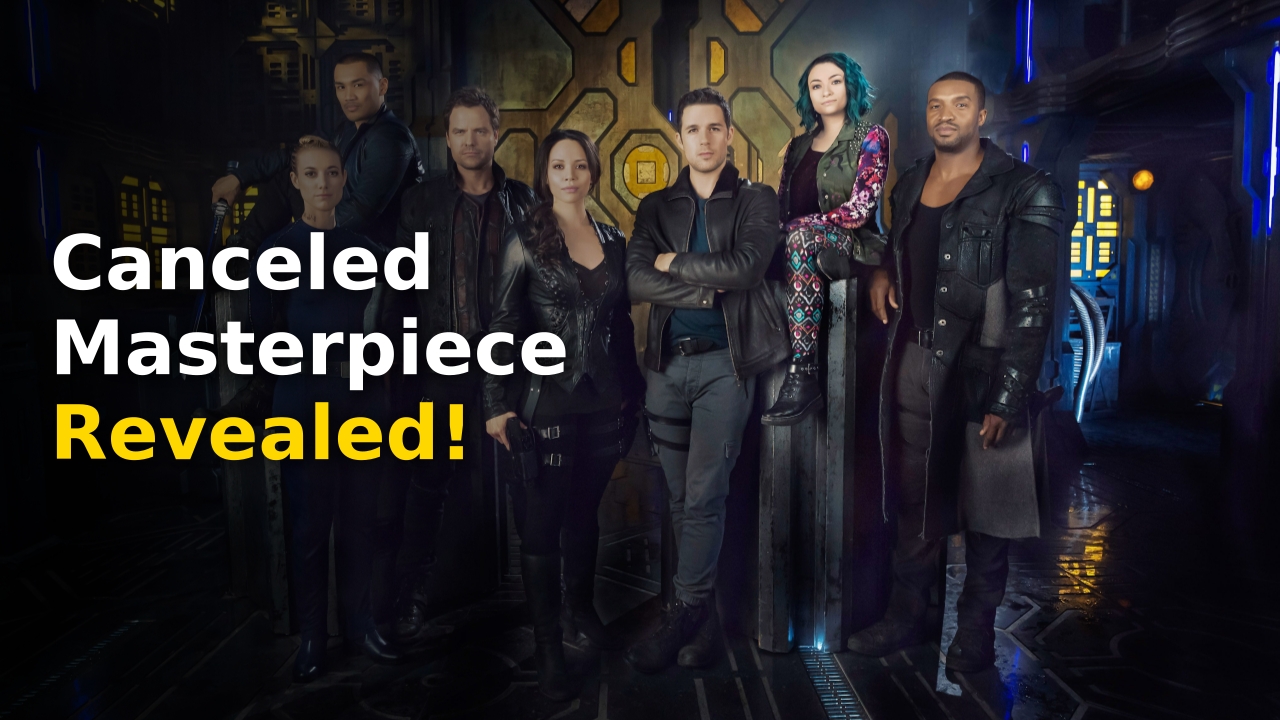
Dark Matter 2015 remains one of the most compelling examples of high-concept space opera ever to grace the small screen, despite its untimely cancellation. You might be hearing the name more often lately because of the high-budget Apple TV+ adaptation of Blake Crouch’s novel, but for hardcore sci-fi enthusiasts, the original crew of the Raza holds a special place that no multiverse thriller can replace. While the newer series focuses on quantum physics and suburban angst, the 2015 cult classic is a gritty, character-driven masterclass in amnesiac storytelling and moral redemption.
The brilliance of the original series lies in its simplicity: six strangers wake up on a starship with no memory of who they are, why they are there, or how they learned to fight like elite mercenaries. By stripping away their pasts, the show forces you to evaluate these characters based on their current actions rather than their previous crimes. It is a profound exploration of nature versus nurture set against a backdrop of corporate warfare and intergalactic conspiracies that still feels fresh nearly a decade later.
Dark Matter 2015 vs. Apple TV+ Version
When comparing Dark Matter 2015 to the 2024 Apple TV+ hit, the most striking difference is the scope of the world-building. The Syfy era show was a traditional space opera, reminiscent of Firefly but with a significantly darker, more cynical edge. It focused on a small group of outcasts navigating a universe controlled by greedy megacorporations, whereas the newer show is a psychological thriller confined largely to Earth and its many dimensions.
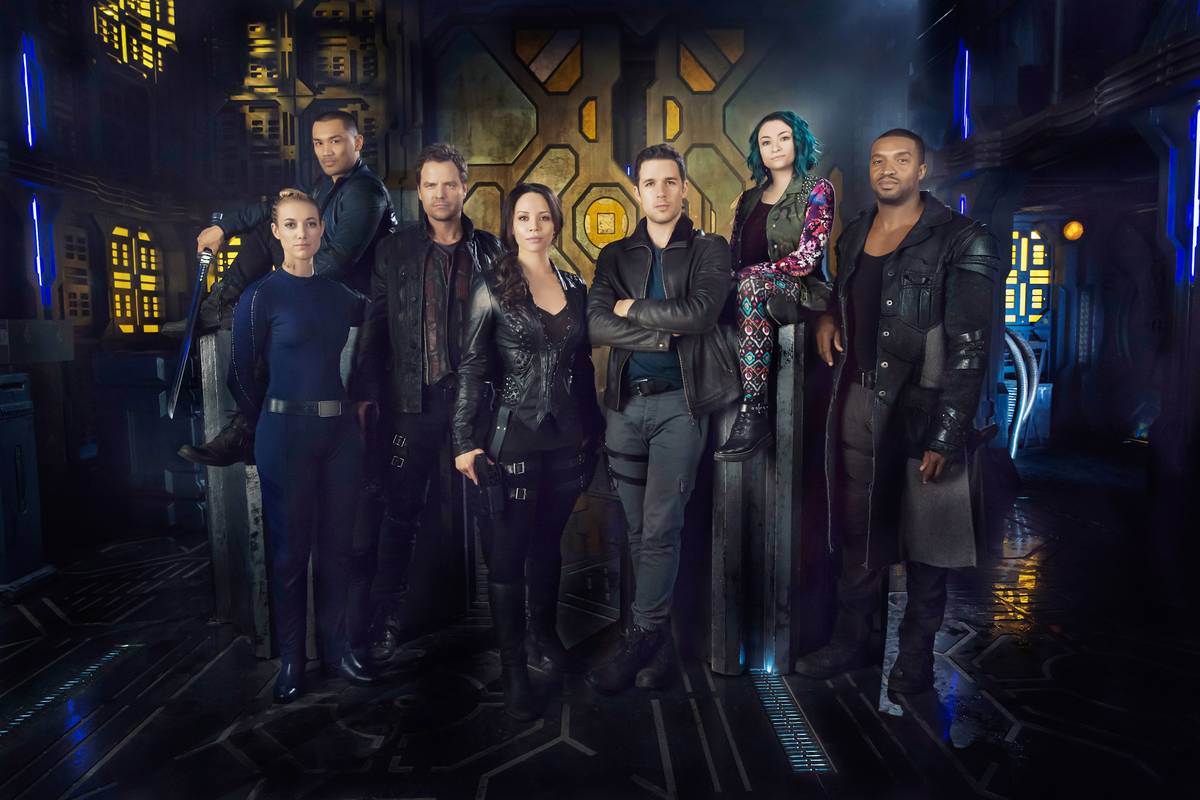
For many viewers, the 2015 series represents the pinnacle of the “scumbag mercenary” subgenre. The characters, named One through Six in the order they woke up, provide a perfect ensemble dynamic. **Melissa O’Neil**, who now stars in The Rookie, gave a breakout performance as Two, the de facto leader of the group. Her character’s evolution from a confused survivor to a formidable commander is a central pillar of the show’s success, offering a depth that is often missing from modern, faster-paced streaming offerings.
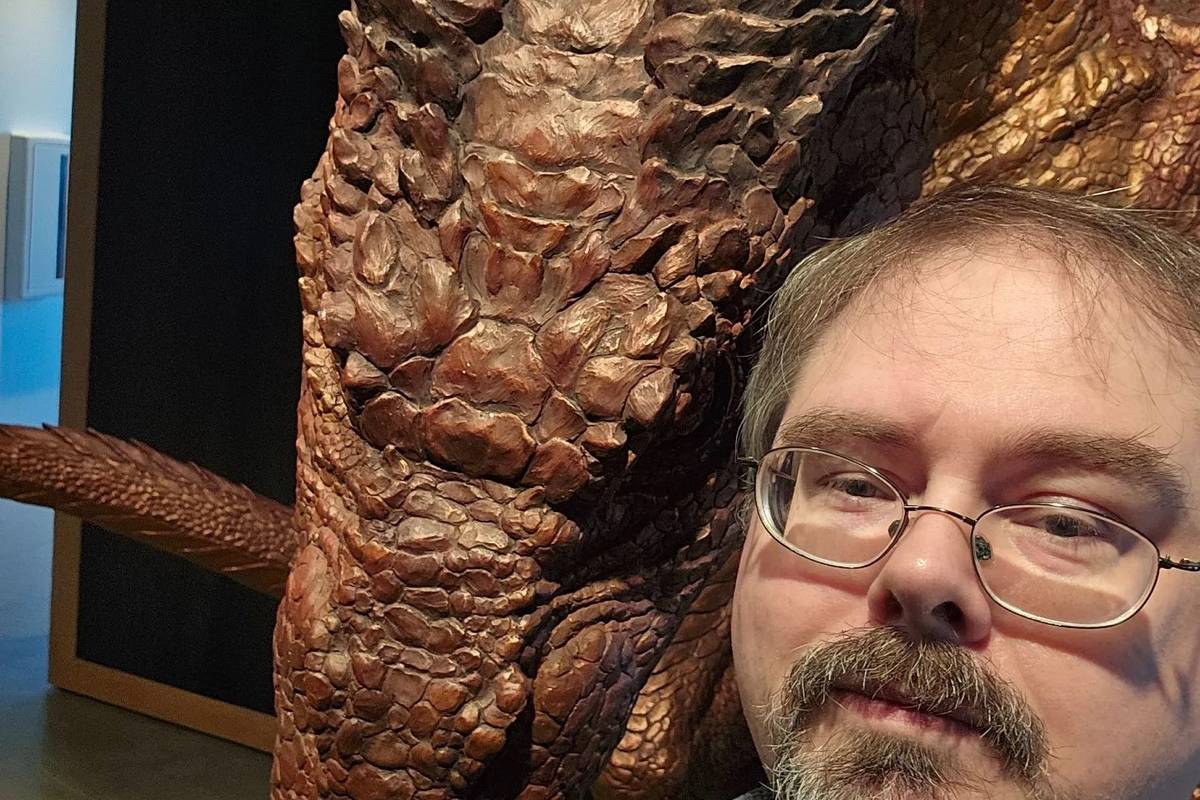
The writing in the original series, led by **Joseph Mallozzi** and **Paul Mullie**, prioritized long-form mystery. Each episode peeled back a layer of the characters’ previous lives, often revealing uncomfortable truths that threatened the fragile trust within the crew. Unlike the Apple series, which uses the multiverse as its primary engine, the 2015 version used the amnesia trope to build a unique sense of paranoia and camaraderie that defined its three-season run.
The Harder Edge of Space Westerns
While often compared to **Joss Whedon’s** Firefly, this show had a much sharper bite. There was less whimsical banter and more visceral tension. The crew of the Raza were not just lovable rogues; they were legitimately dangerous criminals who had to decide if they wanted to continue their path of destruction or find a new way to live. This internal conflict provided the show with a moral weight that many contemporary sci-fi series struggle to replicate.
The Gritty Lore of the Raza Crew
To understand the enduring appeal of Dark Matter 2015, one must look at the meticulously crafted lore. The show didn’t just dump information on the audience; it used the characters’ amnesia as a narrative tool to explore the setting. We learned about the Galactic Authority and the competing corporations alongside the characters, making the world-building feel organic and earned rather than forced. This approach ensured that fans stayed invested in the minutiae of the show’s political landscape.
The inclusion of **The Android**, played with incredible nuance by **Zoie Palmer**, added a layer of philosophical inquiry to the series. Her quest to understand human emotions and her evolving relationship with the crew mirrored the crew’s own search for identity. In many ways, she was the soul of the ship, providing a constant baseline of logic against the volatile emotions of her human counterparts. Fans often cite her development as one of the highlights of the series’ three-year journey.
By the time the second season introduced multiversal elements, the stakes had escalated significantly. While some critics felt this made the plot overly complex, it allowed for fascinating “what if” scenarios that tested the characters’ growth. Seeing alternate versions of the crew highlighted just how much the amnesia and their time together on the Raza had changed them for the better. It was a bold narrative move that pre-dated the current multiverse obsession in mainstream cinema by several years.
By The Numbers: The Syfy Era
During its peak, the show was a top performer for its network. It consistently ranked as one of the most-watched scripted programs on Friday nights, a traditionally difficult slot for television. The cancellation was not a result of a dwindling audience, but rather a complex financial situation involving international rights and production costs. This makes its premature end even more frustrating for the dedicated fanbase that remains active today on social media platforms.
Syfy Financials and Cancellation Data
The cancellation of Dark Matter 2015 remains one of the most controversial decisions in the history of the Syfy network. Unlike many shows that are cut due to low ratings, this series was a victim of its own success and a lack of ownership by the broadcaster. Because Syfy did not own the series—it was an acquisition from Canada’s **Space channel**—the network couldn’t monetize the show through secondary windows like streaming or DVD sales as effectively as its original productions.
| Metric Category | Dark Matter (2015) Details | Impact on Series |
|---|---|---|
| Network Status | Acquisition (not Syfy Original) | Lower profit margins for Syfy |
| Season 3 Viewership | Avg. 600,000+ live viewers | Top 3 scripted show on network |
| Cliffhanger Status | Season 3 Finale: Black Ships | Unresolved plot for 7+ years |
| Production Origin | Prodigy Pictures (Canada) | Complex international licensing |
This financial reality meant that even with strong linear ratings, the show was on thin ice. When Syfy needed to make budget cuts to focus on shows they fully owned, like The Magicians or Krypton, the Raza crew was the first to be sacrificed. It is a cautionary tale of how the “business” of television can often override the “art,” leaving millions of viewers without a conclusion to a story they had invested years in following.
Expert Take: The Economics of Sci-Fi
From an industry perspective, the death of this series marked the end of an era for cable sci-fi. In the mid-2010s, networks like Syfy were transitioning away from being a “home for all sci-fi” to becoming a content-ownership machine. Shows like Continuum and Dark Matter 2015 were caught in this transition. If the show had premiered just three years later on a platform like Netflix or Amazon, it likely would have been granted the five-season arc that Joseph Mallozzi had originally planned. Today, the show serves as a benchmark for how quality alone cannot save a series from the realities of corporate licensing agreements.
Why Joseph Mallozzi’s Vision Endures
Despite the show being off the air for years, the creator’s commitment to his fans has kept the flame alive. **Joseph Mallozzi**, a veteran of the Stargate franchise, has been incredibly transparent about what was supposed to happen in the final two seasons. He has shared script snippets, concept art, and detailed plot breakdowns on his personal blog, providing a level of closure that is rare in the world of canceled television.
Mallozzi’s vision was one of redemption and consequence. He intended for the characters to face the full weight of their past selves’ actions, culminating in a massive intergalactic war that would have redefined the power structure of the universe. This dedication to the narrative has fostered a loyal community that continues to lobby for a revival or a comic book conclusion. You can find many of these discussions on the IMDb page for Dark Matter, where fans still debate the show’s intricate plot twists.
The show’s influence can also be seen in how newer series approach the “crew-on-a-ship” dynamic. While the Apple TV+ Dark Matter explores different themes, the 2015 version’s focus on diverse character backgrounds and moral ambiguity has become a blueprint for modern genre television. If you enjoy the character-centric storytelling of trending entertainment news today, you likely owe a debt to the ground broken by the Raza crew. The series proved that you don’t need a massive budget to tell a story that resonates on a deeply human level.
People Also Ask
Is the 2015 Dark Matter related to the Apple TV show?
No, they are completely separate entities. The 2015 series is based on a comic book by Joseph Mallozzi, while the 2024 Apple TV series is based on a novel by Blake Crouch.
Why was Dark Matter 2015 canceled?
The show was canceled primarily due to financial reasons. Syfy did not own the rights to the show and could not monetize it through streaming or international sales as effectively as their original productions.
Where can I watch Dark Matter 2015 today?
The show has become difficult to find on major streaming platforms. It is occasionally available for purchase on VOD services or DVD, though many fans rely on bootlegs to view the later seasons.
How did Dark Matter 2015 end?
The series ended on a massive cliffhanger with the arrival of the ‘Black Ships’ from another dimension. Creator Joseph Mallozzi has since revealed what would have happened in the final two seasons on his blog.
Conclusion: The Legacy of a Canceled Giant
In the grand landscape of science fiction, Dark Matter 2015 stands as a testament to what a dedicated creative team can achieve even with limited resources. It survived three seasons of intense competition and network instability, building a world that was as grimy as it was fascinating. While the new Apple TV+ series offers a high-gloss look at the multiverse, it lacks the raw, emotional core of six people trying to become better versions of themselves in a universe that wants them dead.
If you haven’t seen the original series, it is well worth the effort to track it down. From the intense performance of **Melissa O’Neil** to the brilliant writing of **Joseph Mallozzi**, every element of the show was crafted with love and respect for the genre. For more insights into your favorite shows and stars, be sure to check out Bright Celebrity for the latest updates. The story of the Raza may be unfinished on screen, but its impact on the hearts of sci-fi fans is permanent. Whether it’s through a potential comic book revival or continued entertainment industry news, the legacy of Dark Matter 2015 continues to shine in the dark void of space.
More Like This
For more updates, check out our latest entertainment and sports news.