Key Takeaways
| Shailene Woodley interprets Joanne’s final breakdown as the crushing weight of emptiness after a multi-year obsession. |
| Director Janus Metz confirms the final shot represents the collective tragedy of the victims, the family, and the lost innocence of Ted Kaczynski. |
| The film highlights the controversial 1950s Harvard experiments led by Henry Murray as a pivotal catalyst for Kaczynski’s radicalization. |
| The dual-timeline structure contrasts the FBI’s high-stakes 1996 capture with the psychological destruction of a young genius. |
You might find yourself reeling from the emotional fallout of the Unabomber Ending Explained in the latest Janus Metz thriller, especially after Shailene Woodley delivers such a haunting performance as Agent Joanne Miller. As the credits roll on this 2026 Netflix powerhouse, the primary question lingering in the minds of viewers isn’t just how the FBI caught Ted Kaczynski, but why the victory felt so profoundly hollow. The film, which stars Jacob Tremblay as a young Ted and Woodley as the relentless profiler, navigates the murky waters of psychological trauma and the cost of obsession.
The Unabomber Ending Explained reveals a narrative that is less about the mechanics of a manhunt and more about the spiritual erosion of those involved. While the world celebrates the capture of a domestic terrorist, the woman responsible for finding him finds herself weeping in a solitary office. This juxtaposition of public triumph and private grief serves as the thematic backbone of the film, forcing the audience to confront the messy reality of justice. It is a cinematic experience that demands a deeper look into the psyche of both the hunter and the hunted.
Unabomber Ending Explained: The Meaning of Joanne’s Tears
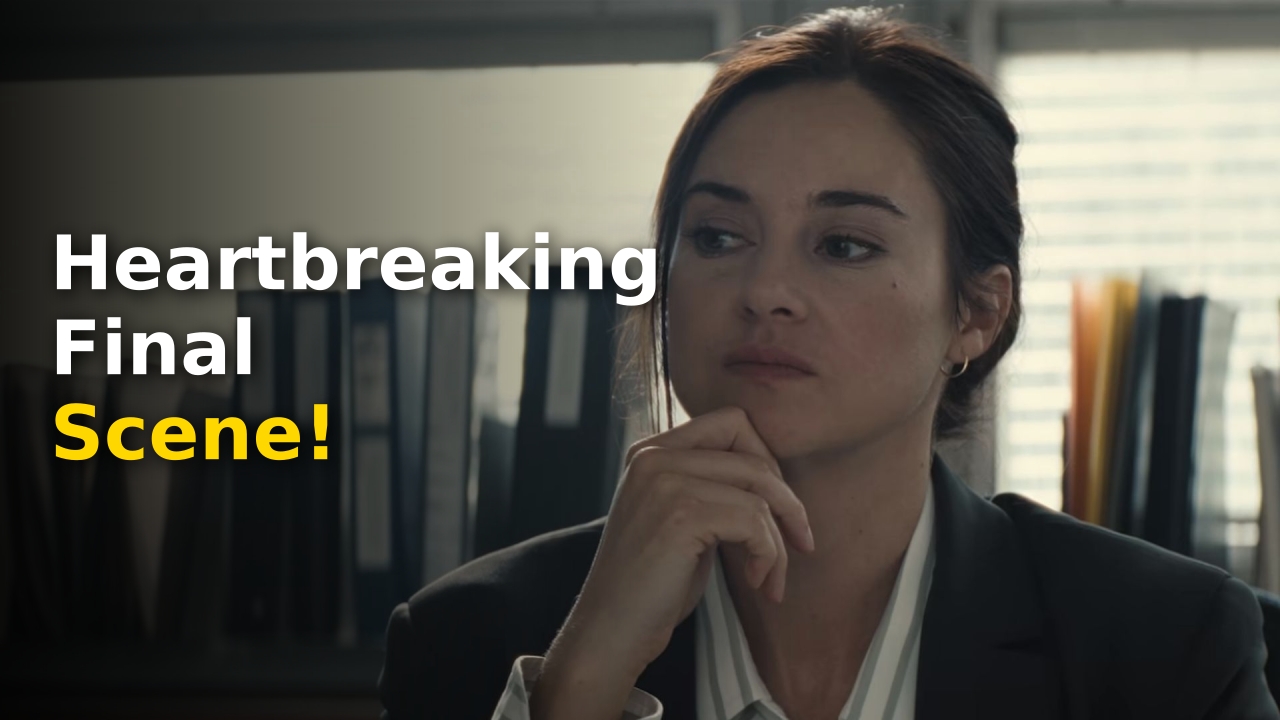
The final moments of the film focus on Shailene Woodley as Joanne Miller, an FBI agent who has sacrificed her personal life, her mental health, and her sense of self to track down the most elusive bomber in American history. When the capture finally happens in 1996, the expected catharsis is replaced by a visceral breakdown. Woodley herself has noted that this moment reflects the terrifying question of “what now?” after a person has allowed a singular goal to consume their entire existence. For Joanne, the end of the case isn’t just the end of a job; it’s the sudden disappearance of the only thing that gave her life structure.
In analyzing the Unabomber Ending Explained, we must consider the toll of the profile. Joanne didn’t just study Kaczynski; she lived inside his head, trying to anticipate his next move by empathizing with his radicalized worldview. This level of immersion creates a dangerous proximity to the subject. When he is finally behind bars, that connection is severed, leaving an emotional vacuum that Woodley portrays with devastating precision. She isn’t just crying for the victims; she is crying for the version of herself that she lost during the pursuit.

The Psychology of the Manhunt Aftermath
Psychological experts often point to a phenomenon known as “post-attainment depression,” which frequently affects high-stakes investigators. After years of adrenaline and hyper-focus, the sudden cessation of the chase can lead to a profound sense of loss. In the context of the 2026 film, Joanne’s tears are a physiological release of years of repressed stress. She couldn’t afford to feel while the bombs were still being mailed, but in the silence of her office, the dam finally breaks.
Furthermore, the Unabomber Ending Explained through Joanne’s perspective highlights the lack of closure that often accompanies major criminal cases. While the legal system considers the case closed, the psychological scars remain. For more insights on her career-defining roles, you can check out the latest entertainment news surrounding her recent projects. The film suggests that while the “monster” is captured, the trauma he inflicted continues to ripple through those who chased him, proving that there are no clean endings in true crime.
Director Janus Metz on the Narrative Tragedies
Director Janus Metz, known for his ability to handle complex psychological tension, intentionally framed the ending as a “tear for everything.” He resisted the urge to create a traditional Hollywood ending where the hero walks off into the sunset. Instead, he wanted the Unabomber Ending Explained to land with a sense of tragedy. According to Metz, the film is a story of a family that fell apart and a society that failed a young man, leading to the creation of a killer. This empathetic lens is what sets the 2026 version apart from previous iterations of the story.
Metz emphasizes that the tragedy extends beyond the victims to include the Kaczynski family themselves. David Kaczynski, played with quiet intensity in the film, was the one who eventually turned his brother in. This act of betrayal—done out of a sense of moral duty—is another layer of the tragedy that the ending encapsulates. The director’s choice to linger on Joanne’s face at the end is a way of acknowledging the collective pain of everyone touched by the case. It is a bold directorial choice that prioritizes emotional truth over narrative convenience.
By the Numbers: The Unabomber Investigation and Film Impact
| Category | Statistical Detail | Significance in 2026 Film |
|---|---|---|
| Years at Large | 17 Years (1978-1995) | Highlights the FBI’s long-term failure and Joanne’s obsession. |
| Netflix Dwell Time | 100-Minute Runtime | Concise pacing that builds to the Act Three climax. |
| Historical Victims | 3 Killed, 23 Injured | The opening scene depicts the gravity of the crimes immediately. |
| Dual Timelines | 1950s vs 1990s | Juxtaposes the creation of the monster with his final capture. |
The 1950s Harvard Experiment: Origin of a Monster
One of the most disturbing aspects of the Unabomber Ending Explained is the deep dive into the Harvard experiments conducted on a young Ted Kaczynski. The film portrays the 1950s timeline with a cold, clinical aesthetic, showing how a brilliant 16-year-old was subjected to psychological torture under the guise of scientific research. These segments, featuring Jacob Tremblay, are essential for understanding the film’s conclusion. They suggest that the “Unabomber” wasn’t just born; he was partially manufactured by an institutional system that disregarded human dignity.
These experiments, led by Henry Murray (played by Russell Crowe), were designed to break down a person’s ego and belief systems. For many viewers, this historical context provides a bridge of empathy that makes the ending even more complex. When we see Joanne crying at the end, she isn’t just crying for the victims of the bombs; she is also crying for the child who was destroyed in those labs. The film posits that the tragedy of the Unabomber began decades before the first bomb was ever mailed. For more details on the cast’s preparation, see the celebrity interviews archive.

The Role of Henry Murray
The character of Henry Murray serves as the secondary antagonist of the film, representing the cold intellectualism that Kaczynski would eventually come to despise. Murray’s belief that he could manipulate the human mind for the “greater good” mirrors Kaczynski’s own later justifications for his violence. This parallel is a crucial part of the Unabomber Ending Explained, as it highlights the cyclical nature of abuse and radicalization. The film cleverly uses these historical facts to add layers of nuance that a standard police procedural would lack.
Expert Take: Historians have long debated the exact impact of the Murray experiments on Kaczynski’s psyche. While most agree it was a traumatic period, the film takes a definitive stance by linking his disillusionment with society directly to his time at Harvard. This “origin story” approach allows the audience to see the Unabomber not as an inexplicable force of nature, but as a deeply damaged individual whose path was influenced by those in positions of power. You can read more about the historical accuracy on History.com’s profile on Ted Kaczynski.
Cast and Performance Deep Dive: Woodley and Tremblay
The success of the Unabomber Ending Explained hinges on the performances of its lead actors. Shailene Woodley delivers what many critics are calling her best work since Big Little Lies. She avoids the clichés of the “tough female fed” and instead plays Joanne with a fragile tenacity. Her performance makes the final scene feel earned rather than forced. On the other end of the timeline, Jacob Tremblay continues to prove why he is one of the most talented actors of his generation. His portrayal of young Ted is heartbreaking, capturing the vulnerability of a boy who is being systematically dismantled.
The chemistry—or lack thereof—between the characters across time is what drives the movie’s tension. Even though Joanne and young Ted never share a scene, their lives are inextricably linked. The editing of the film frequently cuts between Joanne’s frantic 1990s investigation and Ted’s quiet 1950s suffering, creating a sense of inevitable collision. This structural choice makes the Unabomber Ending Explained feel like the closing of a circle that was decades in the making. For fans looking for more content, the streaming guide for 2026 features similar high-stakes dramas.
The Impact of Russell Crowe’s Performance
Russell Crowe brings a menacing authority to the role of Henry Murray. His performance provides the necessary weight to the 1950s segments, ensuring that the psychological experiments feel as dangerous as the bombings themselves. Crowe’s Murray isn’t a cartoon villain; he is a man who truly believes in his mission, which makes him all the more terrifying. His interactions with Tremblay are among the most uncomfortable scenes in the film, providing the essential “why” behind the Unabomber’s eventual manifesto and the dark themes of the Unabomber Ending Explained.
People Also Ask
Why does Shailene Woodley cry at the end of the Unabomber movie?
Shailene Woodley’s character, Joanne Miller, cries because she is overwhelmed by a sense of emptiness and the realization of the massive tragedy that spans generations. Her tears represent the emotional toll of the manhunt and the tragic loss of innocence for everyone involved, including the victims and the Kaczynski family.
Is the Netflix Unabomber movie based on a true story?
Yes, the movie is based on the real-life manhunt for Ted Kaczynski, known as the Unabomber, who was captured in 1996. It also dramatizes the documented psychological experiments Kaczynski underwent while at Harvard in the 1950s under Henry Murray.
What were the Harvard experiments shown in the film?
The film depicts the Henry Murray experiments, a series of unethical psychological tests conducted at Harvard University. These experiments involved intense verbal abuse and psychological pressure intended to break down the subjects’ ego and resilience, which many believe contributed to Kaczynski’s radicalization.
Who plays the young Ted Kaczynski in the 2026 Unabomber film?
Jacob Tremblay plays the young Ted Kaczynski during the 1950s timeline. His performance focuses on the character’s intellectual brilliance and the psychological trauma he experienced during his time at Harvard.
Final Legacy of the 2026 Unabomber Film
Ultimately, the Unabomber Ending Explained leaves us with more questions than answers, which is exactly what a great piece of cinema should do. By refusing to offer a simple sense of closure, Janus Metz forces the audience to carry the weight of the story long after the film has ended. It is a powerful reminder of the complexity of human nature and the lasting impact of trauma. Whether you view Ted Kaczynski as a monster, a victim, or a combination of both, the film ensures that you cannot look away from the tragedy of his existence.
As we look back at the most significant releases of 2026, this film will undoubtedly stand out for its refusal to compromise on its dark, empathetic vision. The Unabomber Ending Explained serves as a final, haunting note in a story about the destruction of the human spirit. For those who want to dive deeper into the production, you can visit the official Unabomber IMDb page for full cast and crew details. The film remains a must-watch for anyone interested in the intersection of history, psychology, and the high-stakes world of federal investigations.
More Like This
For more updates, check out our latest entertainment and sports news.