Key Takeaways
| Netflix provides a frictionless global distribution model for professional wrestling. |
| Traditional international television licensing was a clunky, fragmented, and often inefficient process. |
| Wrestling’s visual nature allows for seamless cross-cultural appeal without language barriers. |
| TKO Group Holdings view the Netflix deal as a massive catalyst for exponential global expansion. |
The WWE Netflix deal is officially reshaping how professional wrestling dominates the global media landscape in 2025. You might think international expansion is just about adding new territories, but industry veterans see it as a strategic masterclass in digital distribution. By shifting away from fragmented local television syndication, the WWE has unlocked a seamless pathway to millions of international households, effectively bypassing the restrictive regional programming laws that previously throttled their growth.
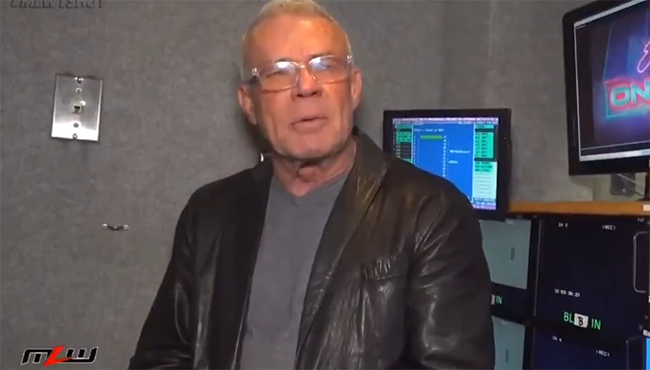
Former WCW executive Eric Bischoff recently highlighted on the 83 Weeks podcast why this move is arguably the most significant business maneuver in modern wrestling history. For decades, companies like the defunct WCW struggled to find prime-time slots in major markets like France or Germany due to conflicting regulations on televised violence and content targeting younger demographics. Now, the Netflix platform allows for a centralized, worldwide reach that makes those legacy challenges obsolete.
Understanding the WWE Netflix Deal Logic
The transition from traditional television to a global streamer like Netflix represents more than just a distribution shift; it is an evolution in business strategy. For years, wrestling organizations relied on a syndication model where television was essentially a loss leader, designed to promote live events in specific local markets. By leveraging TKO Group Holdings‘ massive corporate scale, the company has successfully pivoted to a high-revenue, high-efficiency model that prioritizes digital visibility over antiquated broadcasting agreements.
Think of this transition in the context of the early cable revolution, where wrestling consistently outperformed other genres. Vince McMahon famously utilized the rise of cable to turn a regional product into a national powerhouse, and now, the industry is repeating that cycle on a digital scale. The current WWE Netflix deal offers a level of distribution that was impossible even ten years ago, allowing the brand to bypass the friction of individual program directors and regional general managers. You can read more about how this impacts the broader entertainment landscape on Bright Celebrity industry reports.
This shift also eliminates the need to customize content for specific geographic regions, as Netflix serves as a unified pipe. In the past, companies spent millions managing individual international broadcast partners, each with their own unique sets of rules and inventory requirements. Now, the content is delivered directly to the subscriber, regardless of where they are located. This removes the “clunky” business of international licensing and replaces it with a streamlined, direct-to-consumer experience.
Why Wrestling Translates Globally
Unlike scripted drama or talk-based television, professional wrestling thrives on physical storytelling. The narrative arc—the hero, the villain, the physical conflict—is universal. Even if a viewer does not speak English, the body language, the cheers, and the high-stakes action communicate the story clearly. This innate cross-cultural appeal is a primary reason why analysts believe growth will be explosive rather than incremental. As long as Netflix continues its expansion into emerging markets, WWE is essentially riding a wave of massive, pre-existing digital infrastructure.
The Economics of Global Expansion
To fully grasp the magnitude of this strategy, we must look at the numbers. The following table illustrates the strategic shift from legacy television syndication to the modern streaming model adopted by major entities like Forbes-listed TKO Group Holdings.
| Metric | Legacy TV Model | Netflix Streaming Model |
|---|---|---|
| Distribution | Fragmented/Regional | Centralized/Global |
| Profitability | Loss Leader Strategy | Direct Licensing Fees |
| Scalability | Slow/Incremental | Rapid/Exponential |
| Control | Low (Broadcaster Dependent) | High (Digital Native) |
These metrics prove why TKO investors are bullish on the current roadmap. By eliminating the middleman, the company captures a larger share of the value chain. This is not just about reach; it is about owning the customer relationship in a way that was never possible when tethered to third-party television networks. The digital footprint for WWE is already among the top tier worldwide, and this deal effectively supercharges that asset, turning passive viewers into loyal subscribers.
Background and Expert Perspective
When you look back at the history of the sport, you realize that it has always been at the cutting edge of media technology. From the early days of barter-based syndication where Verne Gagne and others essentially paid to put their product on air, to the rise of pay-per-view, wrestling has consistently pushed the boundaries. Eric Bischoff notes that he witnessed this struggle firsthand during his tenure with ESPN-covered events and legacy promotions. The frustration of trying to convince media executives to invest in digital platforms in the late 1990s was a recurring theme for many industry leaders.

However, today’s landscape is vastly different because the audience is already there. According to industry insiders, the WWE Netflix deal was not a gamble but a logical conclusion to years of building a massive online traffic engine. The infrastructure was ready; it simply needed the right home to maximize its ROI. While analysts at major firms continue to track the specific quarterly earnings of TKO Group Holdings, the long-term play is clearly centered on this global digital integration. You can find more analysis on Bright Celebrity business spotlights.
The Power of Early Digital Investment
One detail often overlooked is how early the promotion invested in its own digital ecosystem. While competitors were skeptical of the internet in the late 90s, the company was building the foundation for what would become a global digital behemoth. This history of technological adoption is what gives them the edge today. When Netflix launched, the content library was already digitized, tagged, and ready to be consumed by a global audience at the click of a button. This readiness allowed for the current partnership to be implemented with almost zero friction, providing an immediate boost to WWE international growth.
People Also Ask
Why is the WWE Netflix deal considered a brilliant move?
It is considered brilliant because it bypasses fragmented, restrictive local broadcasting laws and provides an instant global distribution network. This allows for exponential growth without the overhead of negotiating with hundreds of individual regional television stations.
How does Netflix help WWE expand internationally?
Netflix leverages its existing worldwide subscriber base to put the product in front of international audiences automatically. It removes the need for local marketing to drive viewership, as people simply discover the content while browsing the app.
What was the main problem with international TV deals?
The primary issue was the clunky, inconsistent nature of regional licensing. Each country had different standards for violence, timing, and content, which often forced wrestling programs into unfavorable late-night time slots or required expensive re-edits.
When did WWE start focusing on their digital footprint?
WWE began aggressively investing in its digital infrastructure in the late 1990s. This early foresight created a massive archive of content and a traffic engine that serves as the foundation for its current digital-first strategy.
Strategic Future Outlook
The path forward for TKO Group Holdings appears focused on leveraging this newfound reach to drive live event attendance in foreign markets. Just as television was once a loss leader to drive ticket sales, the WWE Netflix deal is now the primary engine of international awareness. By building a consistent and massive audience on the streamer, the company makes it much easier to tour globally, as every show is now promoted to a captive audience of subscribers. The growth cycle here is circular, with streaming driving interest, and interest driving live event revenue.
Ultimately, the marriage of professional wrestling and a global streaming leader like Netflix is a natural fit. Both products rely on high-engagement, visually driven, and episodic content. As the platform matures and its penetration in emerging markets deepens, you can expect the WWE international growth trajectory to maintain its momentum. This is a clear case of a legacy brand successfully leveraging a modern digital platform to redefine its business model for the next generation. Keep an eye on how these figures shift as the first full year of the deal concludes.
More Like This
For more updates, check out our latest entertainment and sports news.