Key Takeaways
| Total Economic Inflow | The tournament generated an unprecedented $889 million regional economic footprint across Seattle and King County. |
| Public Revenue Lift | State and local tax coffers secured $109 million in direct receipts, funding vital civic and municipal programs. |
| Employment Windfall | The summer showcase supported nearly 20,000 regional jobs across hospitality, transit, security, and stadium logistics. |
| International Base Camps | Seven premier international squads set up camp in Washington, drawing tens of thousands of global supporters. |
| Civic Infrastructure Legacy | More than 35 permanent public legacy developments remain operational to sustain long-term civic prosperity. |
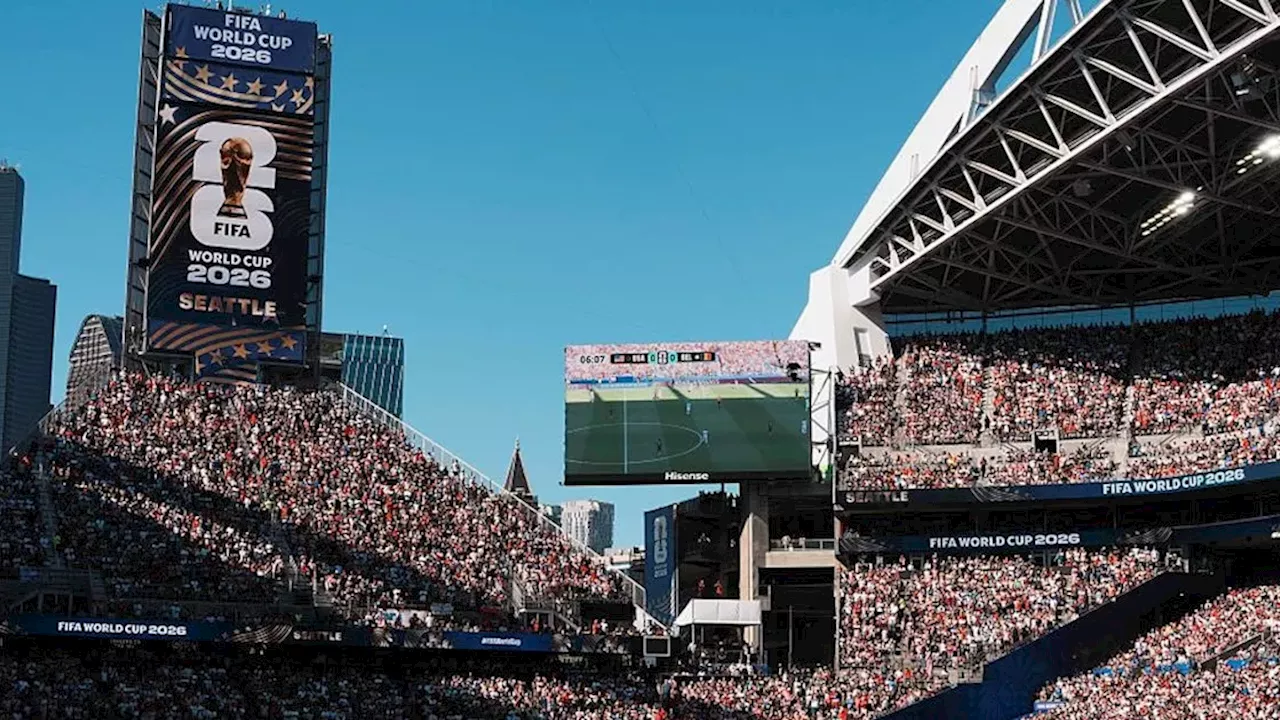
The Seattle World Cup 2026 spectacle has officially cemented its legacy as one of the most financially transformative sports events in Pacific Northwest history. You might have witnessed the electric street scenes across Pioneer Square or watched the sea of rave green and red-white-and-blue wash over Lumen Field, but the balance sheets are now telling an even more staggering story. Seattle and King County captured an extraordinary $889 million in total economic impact, producing $109 million in direct state and local tax revenue while supporting nearly 20,000 regional jobs.
As NFL kickoff season arrives in the Emerald City, local merchants and municipal officials are reflecting on a summer that fundamentally reshaped global perceptions of Puget Sound. When municipal leaders initially crunched the numbers alongside tourism bureaus, early speculative forecasts hinted at a potential $929 million windfall. While conservative revisions adjusted expectations lower amid global travel shifts, the finalized total of $889 million shattered revised forecasts, bolstered by unprecedented international traveler engagement and deep knockout-round runs on home soil.
Explore comprehensive cultural guides and sports updates across our entertainment news coverage to examine how marquee events reshape major urban economies. From waterfront fan activations to corporate hospitalities spanning downtown corridors, the quadrennial tournament demonstrated the sheer commercial power of elite athletic spectacles. When top-flight soccer captures global attention, metropolitan centers reap astronomical operational and reputational dividends.
Seattle World Cup 2026 Commercial Windfall
The sheer magnitude of the financial figures delivered by the Seattle World Cup 2026 operations represents a masterclass in regional coordination between civic bodies, private enterprises, and international sports federations. The $889 million overall financial output permeated far beyond stadium turnstiles, energizing neighborhood commercial nodes, boutique transit networks, independent dining establishments, and tier-one hospitality chains across King County. Downtown lodging properties maintained peak occupancy rates for weeks, while secondary corridors like Bellevue, Renton, and Tukwila housed thousands of international visitors who commuted directly into the urban core.
Small business owners in Pioneer Square experienced historic revenues throughout the competition, enjoying a continuous, month-long rush of foot traffic that rivaled decades of back-to-back stadium events. Merchants who had navigated retail slowdowns in recent years celebrated overflowing patios and record retail transactions. As international supporters congregated around historic Occidental Square, the surrounding taverns, artisan coffee shops, and cultural boutiques operated at maximum capacity, revitalizing the historic neighborhood into a multicultural melting pot.
Public revenue streams also reflected this commercial surge, delivering $109 million in tax collections split between Washington State and King County municipal accounts. This immediate tax infusion provides local policymakers with rare fiscal flexibility, buffering municipal budgets and reinforcing transit, civic maintenance, and community development pipelines. For regional planners who faced logistical questions regarding public safety, crowd flow, and municipal expenditures, the resulting financial surplus validated years of aggressive multi-agency preparation.
Industry analysts point out that the strategic collaboration between local organizers and regional businesses established a template for future mega-events across North America. Rather than isolating corporate sponsors within sterile stadium zones, organizers pushed fan traffic directly toward native retail hubs. This deliberate integration preserved local character while guaranteeing that independent neighborhood vendors collected direct profits from the influx of international soccer fandom.

Pioneer Square and Downtown Foot Traffic Growth
The historic core of Seattle transformed into a bustling international carnival for thirty continuous days, delivering sustained foot traffic that surpassed typical holiday retail peaks. The synergy between soccer supporters and urban storefronts proved remarkably resilient, demonstrating that vibrant public plazas remain the heartbeat of metropolitan economies.
- Retail Revenue Surges: Independent brick-and-mortar storefronts within a half-mile radius of the stadium documented an average gross revenue hike exceeding 42% compared to typical summer baselines.
- Extended Operating Hours: Local cafes, brewpubs, and culinary bistros coordinated late-night licenses to accommodate overseas match schedules and international fan festivities.
- Pedestrian Density Records: Sidewalk sensors across Pioneer Square registered consecutive daily pedestrian counts unseen since championship celebrations in the mid-2010s.
- Direct Small-Business Grants: Local organizers distributed targeted promotional visibility packages, driving foot traffic directly away from chain retailers toward legacy neighborhood businesses.
Economic Metrics and Tournament Performance Breakdown
Analyzing the balance sheet of the summer games requires examining where capital entered the local ecosystem and how it rippled through the labor market. The $889 million impact stems not only from primary ticket sales and broadcast productions, but from sustained consumer expenditures in ground transportation, culinary tourism, corporate hospitality, and extended travel excursions throughout Washington State.
| Economic Dimension | Reported Total | Primary Beneficiaries | Strategic Impact |
|---|---|---|---|
| Regional Output | $889 Million | Seattle & King County | Exceeded revised forecasts; elevated regional GDP. |
| Tax Collections | $109 Million | State & Municipal Coffers | Funded civic transit, sanitation, and municipal budgets. |
| Employment Impact | ~20,000 Positions | Hospitality & Operations | Created seasonal wages and career-advancement pathways. |
| Legacy Initiatives | 35+ Civic Projects | Community Parks & Youth | Upgraded grass-roots sports pitches and urban parks. |
| Visiting Squads | 7 National Delegations | Seattle & Spokane Hubs | Drove extended team encampments and training center usage. |
Employment figures represent another cornerstone of this historic milestone. The tournament supported nearly 20,000 positions across King County, infusing vital payroll capital directly into working-class households. While a segment of these roles represented short-term event operations, thousands of hospitality professionals, culinary artisans, private security specialists, and multilingual tour guides collected premium seasonal earnings that continued to circulate through local shopping markets.
Furthermore, consumer spending patterns verified through payment network aggregators revealed that international travelers stayed longer and spent substantially more per diem than traditional domestic tourists. Fans traveling from Europe, South America, Africa, and the Middle East treated the tournament as a once-in-a-lifetime vacation, pairing their matchday tickets with regional excursions across Puget Sound, Mount Rainier National Park, and the Washington wine regions.
International Traveler Per Diem Spending Trends
According to analytical reporting published in Forbes SportsMoney economic analysis, international tournament attendees consistently outspent conventional domestic sports fans by a multiple of three to one. While standard weekend travelers average modest daily spending on concessions and lodging, overseas matchgoers invested heavily in luxury accommodations, cultural institutions, fine dining, and specialized outdoor tourism.
This prolonged length of stay generated an unexpected secondary economic wave that benefited communities outside Seattle's immediate municipal limits. Ferry routes between downtown Seattle, Bainbridge Island, and the Olympic Peninsula experienced record summer ridership, as foreign visitors explored the Pacific Northwest's iconic geographic landscapes between tournament matches.
Global Media Visibility and City Branding Legacy
Beyond direct economic receipts, the international media coverage generated by the competition served as a multi-million-dollar worldwide branding campaign. Editorial praise flowed from prestigious global outlets including The New York Times, TIME, and Sports Illustrated, showcasing Seattle not merely as a tech capital or rainy transit center, but as a breathtaking summer paradise defined by stunning waterfront vistas, lush greenery, and sophisticated urban life.
Peter Tomozawa, Chief Executive Officer of the SeattleFWC26 Local Organizing Committee, characterized the tournament as the transformative moment the world fell in love with Washington State. By presenting an integrated, welcoming environment, local organizers ensured that international coverage focused on community enthusiasm, vibrant public gathering spaces, and cutting-edge stadium atmospheres.
Key fan activations like the Seattle Soccer Celebration Barge captured global imagination and set social media feeds ablaze. Anchored along the glittering downtown waterfront against the backdrop of Elliott Bay and the snow-capped Olympic Mountains, this floating spectacle provided fans with interactive mini-pitches, live entertainment stages, and culinary showcases from local chefs. Digital broadcasts and viral video streams highlighted Seattle Stadium as a cathedral of modern soccer culture.
Visit Seattle Chief Business Officer Kelly Saling stressed that this heightened international standing will yield tourism windfalls for the next decade. As international leisure and corporate business travel planners look for premier convention and vacation destinations, the tournament validated Seattle’s capability to execute elite global events seamlessly. You can examine how major metropolitan initiatives intersect with national entertainment trends by exploring our curated pop culture stories.

Regional Legacy Projects and Community Infrastructure
Unlike past host cities burdened by white-elephant stadiums that fall into disrepair, Seattle prioritized permanent grassroots infrastructure from day one. Organizers established more than 35 lasting legacy initiatives aimed at expanding recreational equity and environmental sustainability across the state.
- Youth Soccer Mini-Pitches: Creation of twenty accessible, all-weather soccer pitches in underserved neighborhoods throughout South Seattle, Tukwila, and the Eastside.
- Municipal Transit Upgrades: Permanent digital signage and bilingual transit wayfinding enhancements integrated across King County Metro and Sound Transit lines.
- Waterfront Public Spaces: Completed urban greening projects along the central waterfront trail, establishing connected pedestrian walkways linking Pioneer Square with Olympic Sculpture Park.
- Sports Mentorship Programs: Endowed athletic coaching and educational leadership programs funding scholarships for underprivileged youth soccer academies across Washington.
On-Pitch Drama and Historic USMNT Knockout Run
The electric atmosphere throughout the region was fundamentally fueled by the sporting drama unfolding inside Seattle Stadium. As one of 16 North American host cities detailed in FIFA’s official tournament schedule and host city roster, Seattle staged some of the competition's most consequential encounters, highlighted by the United States Men’s National Team’s stirring summer journey.
The Emerald City erupted into unbridled euphoria when the Americans secured a historic 2-0 group-stage victory over Australia on home turf. That critical win propelled the USMNT directly into the Round of 16, setting the stage for a blockbuster clash against European powerhouse Belgium on July 6, 2026. The atmosphere surrounding that knockout showdown pushed sports fandom in the Pacific Northwest to unprecedented decibels.
Global audiences tuned in by the tens of millions to witness the spectacle. Matchday operational coverage showcased elite tactical battles that captured headlines on ESPN’s global soccer coverage. The physical presence of seven visiting national squads—Australia, Belgium, Bosnia and Herzegovina, Egypt, Iran, Qatar, and Senegal—established Washington as a vibrant crossroads of world cultures. Training facilities across both Seattle and Spokane served as team base camps, driving regional enthusiasm across both sides of the Cascade Mountains.
When US and Belgian captains led their squads onto the pristine turf of Seattle Stadium on that crisp July evening, the sight of a completely packed stadium underscored the Pacific Northwest's deep soccer heritage. Decades of passionate Sounders FC attendance paved the way for this crowning global moment, validating the Pacific Northwest as America’s spiritual soccer heartland.
The Inland Northwest Spokane Base Camp Connection
A crucial and often overlooked element of Washington's hosting success was the strategic dispersal of team base camps across Eastern Washington. By selecting elite collegiate and municipal athletic complexes in Spokane, organizers shared the tournament's commercial benefits far beyond the Puget Sound basin.
Spokane hospitality providers welcomed visiting delegations, coaching staffs, international media crews, and passionate travelling supporter clubs. This inland connection generated millions in unexpected hotel and restaurant receipts for Spokane County, unifying the entire state behind the unified hosting mission.
Long-Term Tourism and Municipal Prosperity Ahead
As the electric crowds of the summer transition back to roaring Seahawks fans for the start of the NFL calendar, Seattle's business leaders are confident that the momentum gained will not dissipate. The infrastructure enhancements, international brand prestige, and operational confidence earned during the tournament have positioned the city to compete aggressively for major international conventions, trade forums, and sporting events over the coming decade.
The successful handling of international transit logistics, crowd management, and private-public partnerships provided a modern blueprint for urban governance. Metropolitan leaders proved that when civic pride aligns with focused commercial execution, an American city can stage a world-class spectacle that delivers authentic, bottom-line financial prosperity to its working residents.
Local retail chambers and neighborhood alliances are already leveraging the digital assets, relationships, and global media clips created during the tournament to market Seattle as an elite leisure and business destination. The international business contacts established between local commercial entities and foreign trade delegations have opened new trade avenues that will yield benefits across the technology, aerospace, and maritime sectors.
To explore how major global events, celebrity appearances, and high-profile spectacles continue to transform entertainment capitals, check out our comprehensive sports and entertainment features. The summer of 2026 will be remembered not only for dramatic soccer goals, but as the turning point when Seattle demonstrated its capacity to welcome the planet, capture significant capital, and build an enduring civic legacy.
People Also Ask
How much economic impact did the Seattle World Cup 2026 create?
The tournament generated a verified $889 million in total regional economic output across Seattle and King County, exceeding revised local expectations.
How many jobs were supported by the tournament in King County?
Local organizing officials and Visit Seattle confirmed that the summer event supported nearly 20,000 jobs across hospitality, transit, security, and venue management.
How much state and local tax revenue was generated?
The competition delivered $109 million in direct state and local tax receipts, providing critical funds to support civic services and municipal budgets.
Which national soccer teams were based in Washington State?
Seven international squads stayed and trained in Seattle and Spokane during the tournament: Australia, Belgium, Bosnia and Herzegovina, Egypt, Iran, Qatar, and Senegal.
What matches did the US Men's National Team play in Seattle?
The United States defeated Australia 2-0 at Seattle Stadium during group play before facing Belgium on July 6, 2026, in a dramatic Round of 16 encounter.
Legacy of the Seattle World Cup 2026
Reflecting on an unforgettable summer of global athletics, the final verdict on the Seattle World Cup 2026 stands as an indisputable triumph of community spirit, commercial acumen, and athletic excellence. The city welcomed hundreds of thousands of international guests, celebrated historic on-field moments, and produced an unprecedented $889 million financial uplift that will resonate across King County for years to come.
From the bustling streets of Pioneer Square to the state-of-the-art training pitches in Spokane, Washington State demonstrated what is possible when a community unites with clear vision and flawless execution. The lasting legacy projects, enhanced international stature, and revitalized neighborhood commercial districts remain as permanent monuments to the summer Seattle hosted the world.
More Like This
For more updates, check out our latest entertainment and sports news.