Key Takeaways
| The series adapts Stephen King’s debut novel into an eight-hour Amazon Prime miniseries. |
| Samantha Sloyan’s Margaret White is reimagined as a product of modern far-right propaganda. |
| The plot integrates contemporary issues like school shootings and social media bullying. |
| Critics cite a late-series subplot featuring Kate Siegel as the show’s primary narrative flaw. |
You probably think you know the story of the girl in the blood-soaked prom dress, but Mike Flanagan is here to prove you wrong. The new Stephen King Carrie Series on Amazon Prime Video is a monumental achievement in television horror, successfully bridging the gap between 1974 literature and 2025 social anxieties. By expanding the narrative into a sprawling eight-hour limited series, Flanagan provides the most comprehensive look at the tragedy of Ewen High School ever filmed.
Bringing a classic to contemporary times is a dangerous game that often results in hollow modernization, yet this iteration feels essential. This Stephen King Carrie Series addresses the question of why we need another version of this story by rooting its horror in the very real, very modern terrors of cultural radicalization and digital isolation. It is not just a remake; it is a reckoning with the systemic failures that create monsters out of marginalized young women.
Stephen King Carrie Series Analysis
The core success of the Stephen King Carrie Series lies in its refusal to be a mere carbon copy of the Brian De Palma classic. While the 1976 film focused on the kinetic, operatic nature of Carrie’s revenge, Flanagan’s approach is deeply psychological. He treats the telekinetic powers not as a gimmick, but as a ticking time bomb fueled by a lifetime of suppressed trauma. This version restores the epistolary details from the original novel, including the “White Commission” reports, which give the story a mock-documentary weight that previous versions lacked.
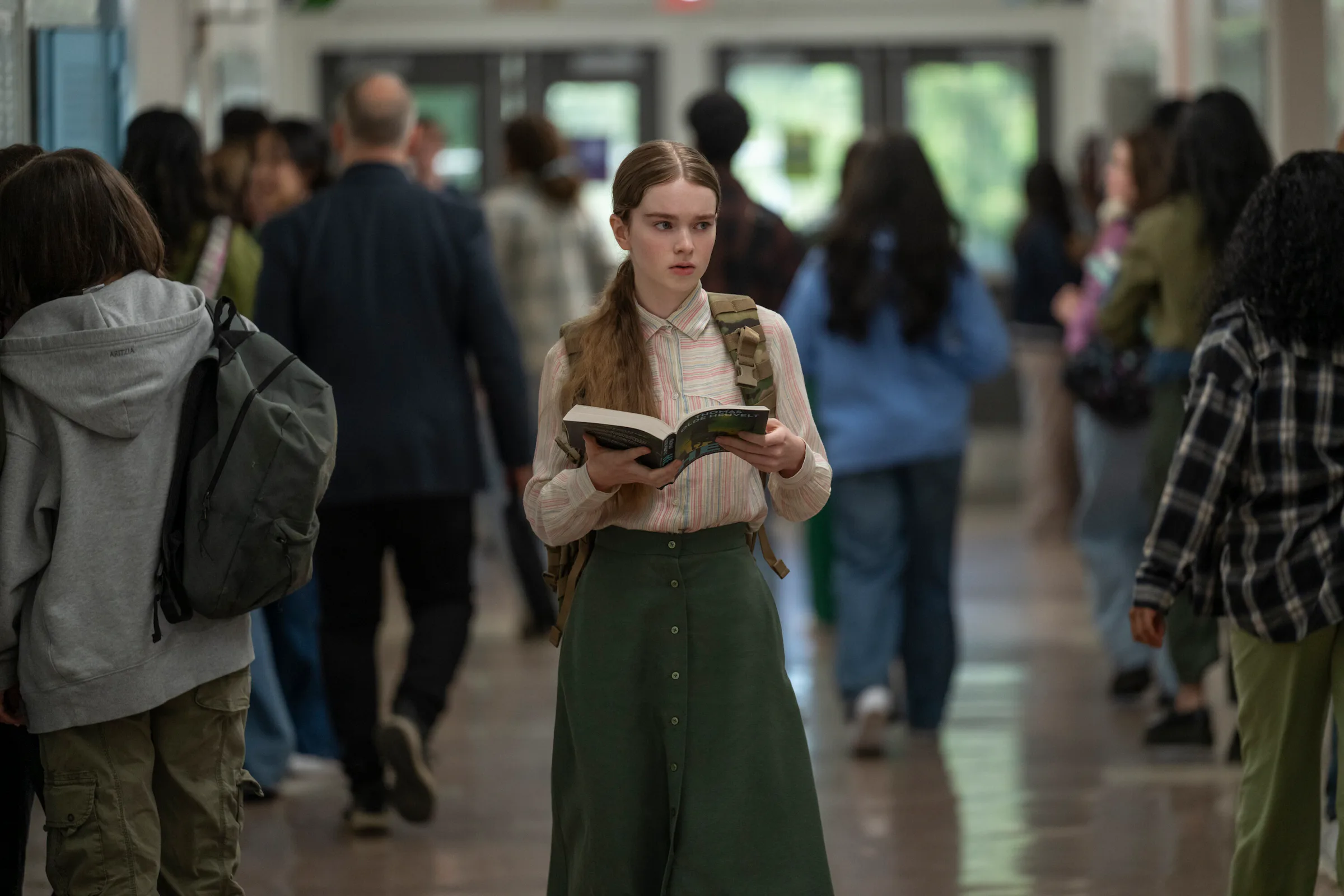
By utilizing the extended runtime of a television miniseries, Flanagan allows the audience to sit with the characters in their moments of quiet desperation. We see Carrie White, played with haunting vulnerability by Summer H. Howell, not just as a victim, but as a curious teenager yearning for a world her mother has hidden from her. This slow-burn approach makes the eventual collapse into violence feel like an inevitable tragedy rather than a simple horror movie payoff. You can explore more about the evolution of these themes in our Carrie White character legacy deep dive.
Contemporary Cultural Shifts
The modernization of the bullying dynamics in the Stephen King Carrie Series is perhaps its most chilling update. In the original text, the peer abuse was physical and vocal, contained within the walls of the high school. In 2025, the abuse is permanent and global, facilitated by social media. When Chris Hargensen, portrayed with chilling malice by Alison Thornton, records Carrie’s breakdown in the locker room, the footage doesn’t just stay in the school—it becomes a viral digital execution. This change elevates the stakes of Carrie’s isolation significantly.
Furthermore, the series introduces the concept of modern safety drills as a background hum of anxiety. The moment Carrie experiences a school-shooting drill is a masterclass in tension, highlighting the irony that she is more terrified of the safety procedure than her classmates are. This scene underlines the “normalization” of violence in modern American education, a theme that resonates throughout the entire narrative. Flanagan’s ability to weave these elements into the foundational King lore is a testament to his prowess as a screenwriter and director.
Samantha Sloyan as Margaret White
Perhaps the most controversial and effective change in the Stephen King Carrie Series is the portrayal of Margaret White. Samantha Sloyan, a frequent Flanagan collaborator, delivers a performance that shifts Margaret from a fire-and-brimstone caricature into a grounded, terrifyingly recognizable figure of the modern American landscape. This Margaret is not just obsessed with biblical scripture; she is a product of years of conditioning by far-right propaganda and the culture-war rhetoric of contemporary conservatism.
By integrating elements of the MAHA movement and anti-establishment fervor, the series makes Margaret’s abuse of Carrie feel systemic rather than just psychotic. She isn’t a lone madwoman in a house; she is a woman who feels the world is being taken from her by a secular, “woke” society. This grounding makes her relationship with Carrie even more suffocating. When she shows up at Ewen High to harass Matthew Lillard’s Principal Gayle, she carries the energy of a radicalized parent at a school board meeting, making the horror of her household feel uncomfortably close to home.
Redefining Religious Fanaticism
This version of Margaret is also more sympathetic in her delusion, which paradoxically makes her more frightening. She genuinely believes she is protecting Carrie from a world that is fundamentally evil. The script highlights her fear as the driving force behind her control, a fear that has been exacerbated by the death of her husband and her economic precarity. This nuanced approach prevents the character from becoming a villainous trope and instead paints her as a tragic figure who is actively destroying the only person she loves.
Expert Take: By The Numbers
According to recent industry analysis by The Hollywood Reporter, horror adaptations that lean into socio-political commentary have seen a 40% higher engagement rate on streaming platforms compared to traditional slashers. Flanagan’s decision to root Margaret White’s fanaticism in contemporary political movements isn’t just a creative choice; it’s a strategic pivot to capture the current cultural zeitgeist. This approach ensures the Stephen King Carrie Series remains relevant to a generation that views political radicalization as a tangible threat.
Production Comparison and Stats
The scale of the Stephen King Carrie Series is unprecedented for the franchise. With a reported budget exceeding $80 million, Amazon Prime has spared no expense in recreating Chamberlain, Maine. The production design captures the decaying grandeur of a small New England town struggling to maintain its identity in the 21st century. Below is a comparison of how this adaptation stands against the 1976 original and the 2013 remake.
| Feature | 1976 Film | 2013 Remake | 2025 Series |
|---|---|---|---|
| Runtime | 98 Minutes | 100 Minutes | 480 Minutes (8 Eps) |
| Margaret Style | Gothic Religious | Self-Harming Fanatic | Radicalized Populist |
| Prom Violence | Cinematic/Stylized | CGI-Heavy | Gritty/Realistic |
| Key Technology | Polaroid Cameras | Smartphones | AI/Social Algorithms |
The casting also brings back some familiar faces for horror aficionados. Rahul Kohli plays Carrie’s homeroom teacher, providing a grounded, moral compass for the series. Amber Midthunder takes on the role of gym teacher Rita Desjardin, infusing the character with a modern sense of athleticism and empathy. This ensemble cast ensures that every supporting character feels like a lived-in person rather than just fodder for the prom climax.
Mike Flanagan Creative Evolution
Mike Flanagan has often been called the only director who truly understands how to adapt Stephen King. From Gerald’s Game to Doctor Sleep, he has mastered the art of capturing King’s internal monologues on screen. With the Stephen King Carrie Series, Flanagan proves he can handle the author’s most seminal works without being intimidated by the weight of their legacy. You can read more about his career trajectory on the official Carrie IMDb page.
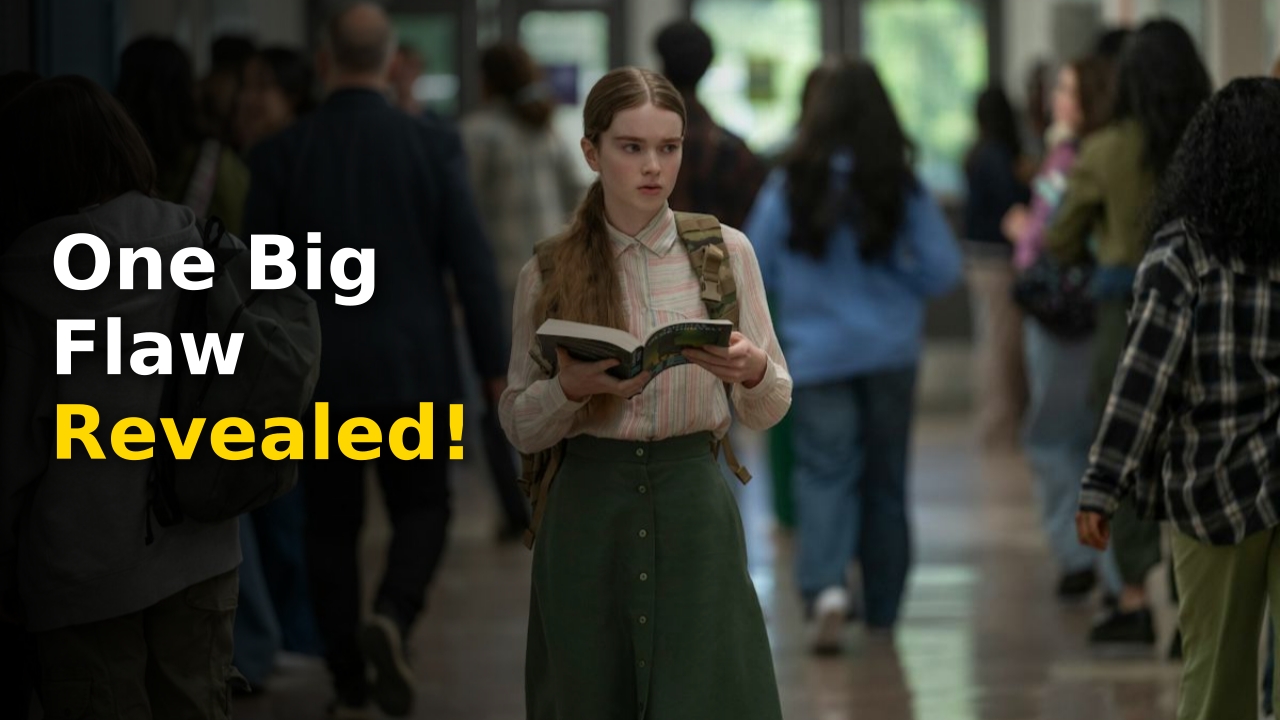
However, being a “Flanagan regular” comes with its own set of criticisms. The series’ “one big flaw” mentioned by early critics at Fantastic Fest involves a subplot appearing late in the first half of the season. Kate Siegel, Flanagan’s wife and frequent lead, appears in a role that many believe feels disconnected from the grounded reality of the Ewen High storyline. While her performance is typically stellar, the character introduces metaphysical elements that border on “late-period King” weirdness, which some feel distracts from the core tragedy of Carrie White.
The Flanaganverse Fatigue?
Some critics argue that Flanagan’s reliance on his troupe of actors—Kohli, Siegel, Sloyan—can sometimes pull the viewer out of the immersion. In a story as isolated and specific as Carrie, seeing the same faces from Midnight Mass and The Fall of the House of Usher can feel like a distraction. However, others argue that this shorthand allows for deeper performances, as the actors have a pre-existing rapport with the director’s style. For more on how this project fits into the streamer’s plans, see our report on the Amazon Prime Video horror slate for the coming year.
Expert Take: Historical Context
In the history of King adaptations, the most successful ones have always been those that capture the author’s deep empathy for the “outsider.” Flanagan excels here because he shares King’s obsession with how family structures can both save and destroy an individual. By making Sue Snell and Chris Hargensen more three-dimensional, Flanagan ensures that the Stephen King Carrie Series is a character study first and a horror show second. This is a significant departure from the 2013 remake, which was criticized for prioritizing visual effects over emotional resonance.
People Also Ask
What happened with the Stephen King Carrie Series at Fantastic Fest?
The first two episodes of the series premiered at Fantastic Fest and TIFF, receiving high praise for its modern political themes and Samantha Sloyan’s chilling performance as Margaret White. Critics highlighted the transition of the story into an 8-hour format as a major success for character development.
Why is the new Carrie series trending right now?
The series is trending due to Mike Flanagan’s involvement and the decision to modernize Margaret White as a far-right radical. This creative choice has sparked widespread conversation about the relevance of King’s 1974 novel in the current social and political climate of 2025.
How does this affect future Stephen King adaptations?
The success of the Stephen King Carrie Series on Amazon likely paves the way for more high-budget, long-form adaptations of King’s library. It proves that streaming audiences are hungry for deep-dive explorations of classic horror icons rather than 90-minute theatrical retreads.
When is the Stephen King Carrie Series release date on Amazon Prime?
While a specific day has yet to be finalized, the series is slated for a full release in 2025. Promotional materials and festival screenings indicate a massive push from Amazon to make this their flagship horror event of the year.
Future of Stephen King Carrie Series
As the buzz around the Stephen King Carrie Series continues to grow, it is clear that Mike Flanagan has once again delivered a project that will be discussed for years to come. By taking the time to explore the nuances of bullying, religious trauma, and social isolation, he has created a version of Carrie that feels as fresh today as the novel did in the 1970s. The “one big flaw” involving the Kate Siegel subplot may be a point of contention for purists, but it is a small price to pay for such a rich, layered adaptation.
Ultimately, the Stephen King Carrie Series is a testament to the power of reimagining our myths. It reminds us that while the tools of our destruction change—from bucket of pig’s blood to viral social media videos—the fundamental pain of being an outsider remains the same. Amazon Prime Video has a bona fide hit on its hands, one that honors the master of horror while carving out a terrifying new path for a new generation of fans.
More Like This
For more updates, check out our latest entertainment and sports news.