Key Takeaways
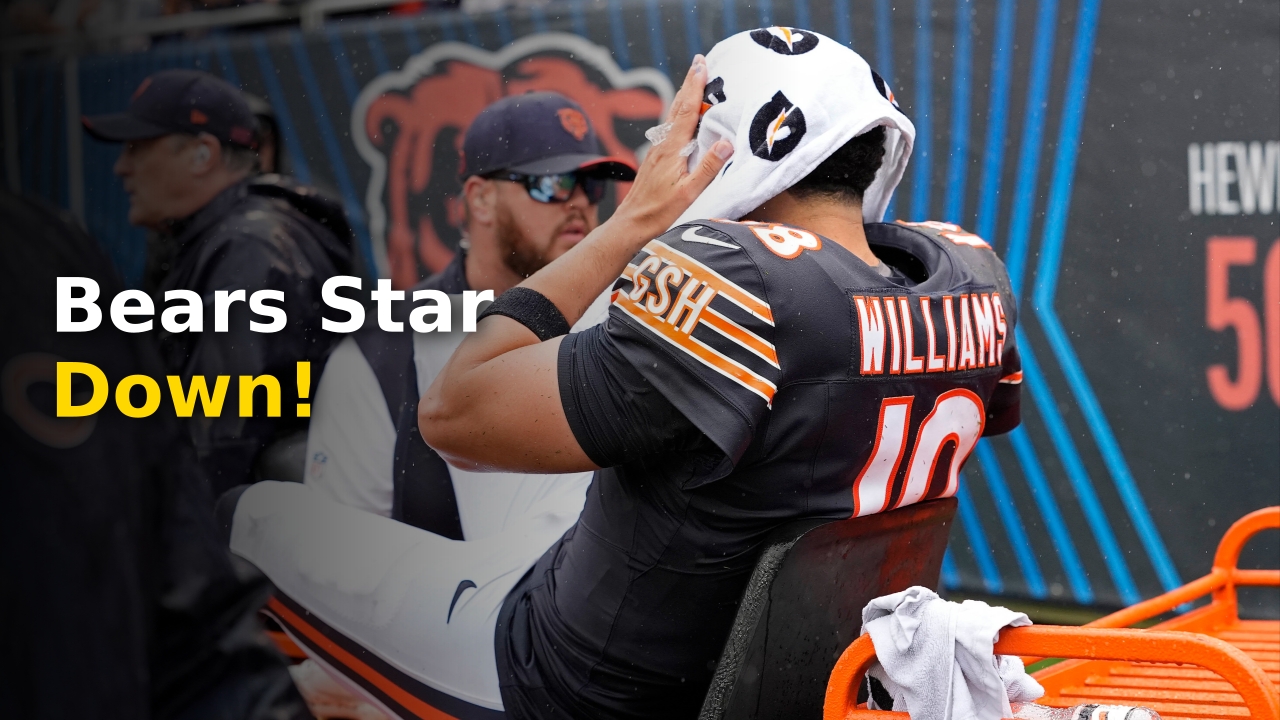
| Chicago Bears QB Caleb Williams suffered a non-contact hamstring injury during the fourth quarter against the Vikings. |
| The Heisman Trophy winner was carted off Soldier Field after collapsing in the red zone during a crucial rollout. |
| Head coach Ben Johnson confirmed the medical staff will evaluate the severity of the injury on Monday morning. |
| Backup Tyson Bagent finished the game, which resulted in a 9-3 loss for Chicago following a blocked field goal. |
You never want to see a franchise cornerstone clutching their leg in a non-contact situation, but that is exactly the nightmare scenario that unfolded today. The Caleb Williams injury has sent shockwaves through the NFL landscape after the No. 1 overall pick exited Sunday’s defensive slugfest against the Minnesota Vikings. As the Chicago Bears were driving deep into the red zone, looking to erase a late-game deficit, Williams pulled up lame on a rollout to his left, immediately signaling for trainers as he collapsed to the turf in visible agony.
This Caleb Williams injury comes at a devastating time for a Chicago organization that has seen its rookie sensation shatter franchise passing records and lead the team into meaningful postseason contention. The atmosphere at Soldier Field turned from electric to somber in a matter of seconds as the medical cart was summoned to transport the face of the franchise to the locker room. With the Bears’ offense already struggling to find rhythm in a 9-3 loss, the loss of their star signal-caller raises urgent questions about the team’s trajectory and the long-term health of their most valuable asset.
According to the latest reports from the team’s medical staff, the Caleb Williams injury is officially being classified as a hamstring ailment. While the severity—ranging from a minor strain to a significant tear—remains unknown, the non-contact nature of the incident often points toward a multi-week recovery timeline. Head coach Ben Johnson addressed the media shortly after the final whistle, attempting to strike a balance between concern and optimism regarding his young leader’s status.
Caleb Williams Injury Impact on Bears Strategy
The strategic ripple effects of the Caleb Williams injury cannot be overstated for a team that has built its entire identity around his play-extending capabilities. Williams has been the engine of the Bears’ offense, utilizing his unique ability to throw off-platform and navigate collapsing pockets to keep drives alive. Without his mobility, the Chicago playbook under Ben Johnson will likely require a significant overhaul to accommodate the different skill set of backup Tyson Bagent.

Analyzing the play itself, Williams was attempting to create magic on a third-and-goal situation. As he broke the pocket to the left, his plant leg appeared to give way without any interference from the Vikings’ pass rush. This type of soft-tissue injury is often a result of accumulated fatigue or sudden explosive movement on a surface that lacks give. Medical experts often look at the ‘mechanism of injury’ to determine the grade of the strain, and the fact that Williams was screaming in pain suggests a Grade 2 or Grade 3 hamstring tear.
The Chicago Bears must now navigate a brutal stretch of their schedule with a massive question mark at the most important position on the field. The organization has invested heavily in Williams, not just in draft capital but in the emotional capital of the city. To see him carted off after such a promising start to his career is a gut-punch to a fan base that finally felt they had found their long-sought franchise savior. You can read more about the team’s recent roster moves at BrightCelebrity as they attempt to bolster the depth chart.
From a locker room perspective, Ben Johnson noted that Williams remains in “good spirits” despite the setback. This mental fortitude will be crucial in the coming days as he undergoes MRI scans and begins the grueling process of rehabilitation. Hamstring injuries are notoriously fickle; returning too early often leads to re-injury, which could jeopardize Williams’ development and the team’s investment for years to come. The medical staff will likely prioritize a conservative approach, even if it means missing significant game time.
The Role of Tyson Bagent
With Williams sidelined, the spotlight turns to Tyson Bagent. The former Division II standout has shown flashes of competence in relief roles, but he lacks the vertical threat and elite processing speed that Williams provides. In the closing minutes of the loss to Minnesota, Bagent struggled to move the chains, ultimately seeing the comeback bid thwarted by a blocked field goal and a turnover on downs. The contrast between the two quarterbacks was stark, highlighting just how much the Bears rely on Williams’ individual brilliance to mask offensive line deficiencies.
Bagent’s limited arm strength compared to Williams means the Bears will likely lean more on the running game and short, horizontal passing concepts. This shift could make the offense more predictable for opposing defensive coordinators who previously had to account for Williams’ ability to launch 60-yard bombs or scramble for first downs. The team may also look to the free-agent market for a veteran backup to provide stability if the Caleb Williams injury is determined to be a season-ending event.
Caleb Williams 2024 Season Performance Metrics
Before the Caleb Williams injury, the rookie was on a historic pace for the Chicago Bears. His statistical profile showcased a player who was maturing rapidly under the tutelage of Ben Johnson. Below is a breakdown of how Williams compared to the league average for rookie starters prior to the Vikings game.
| Stat Category | Caleb Williams (2024) | NFL Rookie Average |
|---|---|---|
| Passing Yards per Game | 268.4 | 212.1 |
| Touchdown-to-Interception Ratio | 3:1 | 1.2:1 |
| Completion Percentage | 64.2% | 59.8% |
| Rushing Yards per Game | 34.2 | 18.5 |
As the data suggests, Williams wasn’t just playing well for a rookie; he was performing like a seasoned veteran. His ability to limit turnovers while maintaining a high explosive-play rate made the Bears one of the most dangerous offenses in the NFC. The loss of 268.4 passing yards per game is a chasm that the Chicago coaching staff will find nearly impossible to fill through scheme alone.
Moreover, the advanced metrics provided by Caleb Williams’ official NFL profile show that his QBR in the red zone was among the top five in the league. Ironically, it was in this very high-leverage area where the injury occurred. The loss of his red-zone efficiency was immediately felt as the Bears failed to score a touchdown in the subsequent drives following his departure. This efficiency is a hallmark of Williams’ game, often cited by scouts as his most NFL-ready trait during his time at USC.
Background and Historical Context of QB Injuries
The history of non-contact injuries for young quarterbacks is a cautionary tale of both physical demand and the rigorous nature of the NFL schedule. Soft-tissue injuries, like the one sustained in this Caleb Williams injury, have previously sidelined stars like Joe Burrow and Justin Herbert during their developmental years. The transition from the college game to the pros involves a significant increase in game speed and physical toll, which can lead to the body breaking down if recovery protocols are not strictly followed.
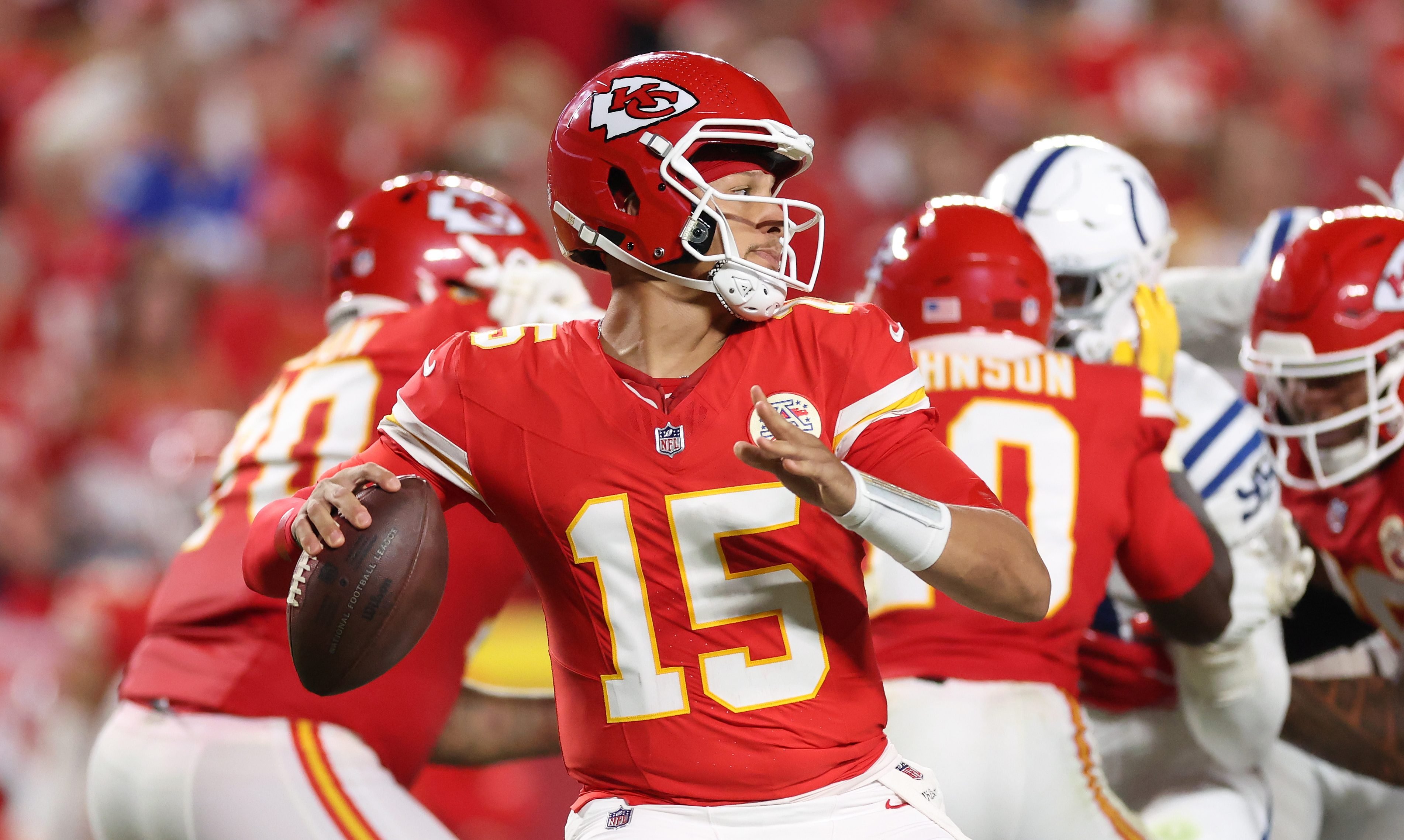
In Williams’ case, his style of play—often referred to as ‘creative chaos’—puts immense strain on his lower body. He frequently stops and starts, changes direction at high speeds, and uses his legs to generate torque on off-platform throws. While this makes him a generational talent, it also increases the risk of the exact type of hamstring injury we witnessed at Soldier Field. Historical data suggests that Grade 2 hamstring strains typically require a 4-to-6 week recovery period, while Grade 3 tears can necessitate surgery and months of rehabilitation.
By the numbers, the Bears have a 78% lower win probability in games where their starting quarterback misses time over the last decade. This highlights a systemic issue in Chicago regarding roster depth and the lack of a veteran presence behind their young stars. While Tyson Bagent is a fan favorite for his underdog story, the reality is that the Bears’ offensive line is built to be a ‘pass-blocking’ unit that relies on the QB to evade pressure. Without Williams’ mobility, the line’s flaws will be magnified, potentially leading to more injuries for the backup unit.
Expert Take: Dr. James Andrews, a renowned orthopedic surgeon who has consulted for various NFL teams, has previously noted that “non-contact injuries are often the result of micro-trauma that builds up over weeks.” For a player like Williams, who has been under the microscope since his Heisman win, the pressure to perform every single snap may have led him to play through minor discomfort that eventually culminated in this significant hamstring failure. The Bears’ medical team will now have to answer for their management of the star’s workload leading up to this contest.
For those interested in the financial ramifications, Williams’ status as a top draft pick means his contract is fully guaranteed, but the loss of marketing revenue and playoff bonuses for the team could reach into the tens of millions. The Chicago Bears news on ESPN continues to monitor the financial and locker room fallout of this developing story. The city of Chicago is currently holding its collective breath, hoping for a ‘best-case scenario’ in tomorrow’s medical update.
People Also Ask
What happened with Caleb Williams today?
Caleb Williams exited the game against the Minnesota Vikings in the fourth quarter after suffering a non-contact hamstring injury while scrambling in the red zone. He was visibly in pain and had to be carted off the field for further evaluation.
Why is Caleb Williams trending right now?
The Chicago Bears quarterback is trending because of the potentially season-altering nature of his non-contact injury. As the No. 1 overall pick and a Heisman winner, his health is a major talking point for NFL fans and analysts across the country.
How does this affect the Chicago Bears’ playoff chances?
The injury significantly hampers the Bears’ postseason hopes, as the team relies heavily on Williams’ record-breaking passing ability. Without him, the offense must transition to backup Tyson Bagent, who has a much different play style.
When will we know the severity of the Caleb Williams injury?
Head coach Ben Johnson stated that the team will have more details following an MRI and further medical testing on Monday. A formal update on his recovery timeline is expected within the next 48 hours.
Final Thoughts on the Chicago Bears Quarterback Crisis
As the sun sets on Soldier Field, the primary focus remains on the health and well-being of the young star. The Caleb Williams injury is more than just a setback for a single game; it is a pivotal moment in the history of the 2024 Chicago Bears. Whether Williams can make a swift return or if the team will have to navigate a long-term absence will define the legacy of Ben Johnson’s coaching tenure and the immediate future of the franchise.
The resilient nature of NFL athletes often leads to surprising recovery stories, but the non-contact element of this incident suggests a cautious road ahead. Fans can find more in-depth coverage of NFL player lifestyles and recoveries at BrightCelebrity, where we track how the league’s biggest names bounce back from adversity. For now, the Bears must prepare for life without their leader, hoping that the foundation Williams built in the first half of the season is strong enough to keep the team’s dreams alive. The Caleb Williams injury update tomorrow will be the most anticipated news in the city of Chicago this year.
More Like This
For more updates, check out our latest entertainment and sports news.