Key Takeaways
| Cause of Death | Organ failure following a period of critical medical care. |
| Major Achievement | Winner of eight Tony Awards and a Grammy for the musical Spring Awakening. |
| Pop Success | Known for the 1996 hit Barely Breathing which spent 55 weeks on the Billboard Hot 100. |
| Lasting Legacy | Credited with modernizing the Broadway sound for a new generation of theatergoers. |
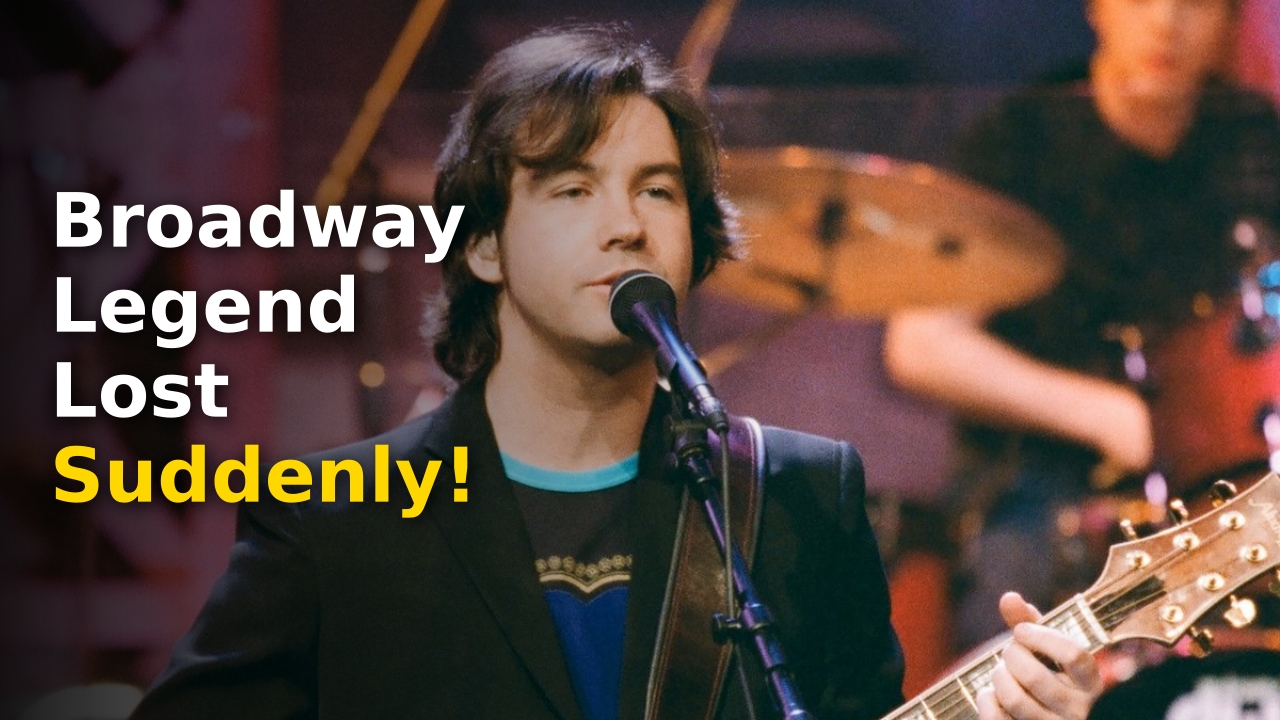
You never expect a voice that defined an entire generation of teenage angst and Broadway innovation to fall silent so suddenly. News that Duncan Sheik dead at the age of 56 has sent shockwaves through both the recording industry and the theatrical community, marking the end of a career that bridged the gap between alternative pop and the Great White Way. The Grammy and Tony-winning artist passed away Thursday following a battle with organ failure, a loss confirmed by his mother, Suzanne Sheik.
His transition from a mid-90s radio staple to a theatrical powerhouse remains one of the most successful pivots in entertainment history. While many know him for his chart-topping melodies, his colleagues remember him as a relentless innovator who sought to make the theater reflect the sounds of the modern world. He is survived by his longtime partner, Nora Ariffin, and their daughter, Inez, leaving behind a massive cultural footprint that spans decades of creative evolution.
Duncan Sheik Dead at 56: A Loss for Broadway
The announcement that Duncan Sheik dead after a period of declining health has left the global arts community in mourning. His family had previously disclosed that he was in critical but stable condition just days before his passing, though they requested privacy regarding the specific medical details. The confirmation of organ failure as the cause of death highlights the sudden and tragic nature of his departure at such a productive stage of his life.
Sheik was never one to follow the traditional path of a Broadway composer, often identifying as an outsider who wanted to “shake things up.” This perspective allowed him to bring a fresh, rock-infused energy to a medium that often leaned on classical tropes. His work on Spring Awakening remains a benchmark for how contemporary music can be used to explore historical narratives with visceral, modern urgency.

The Final Days and Medical Care
Reports indicate that Sheik had been receiving intensive medical attention in the weeks leading up to his death. While the family remained private about the underlying conditions, the sudden shift from “critical but stable” to his passing on Thursday suggests a rapid decline. His mother’s statement to the media emphasized the singular nature of his talent and the deep influence he wielded across multiple genres.
The Impact on the Fall Theater Season
The timing of his death is particularly poignant as an off-Broadway revival of Spring Awakening was slated to open this fall. Producers and cast members have expressed their devastation, noting that his presence during rehearsals was a source of constant inspiration. The theater world is expected to hold various tributes, including the traditional dimming of marquee lights, to honor his revolutionary contributions.
The Legacy of Spring Awakening and Musical Innovation
When Duncan Sheik dead news broke, many immediately looked back at 2006, the year he changed musical theater forever. Collaborating with lyricist Steven Sater, Sheik transformed Frank Wedekind’s controversial 19th-century play into a rock masterpiece. The show tackled taboo subjects like suicide, abortion, and sexual identity with a raw honesty that had rarely been seen on a commercial stage.
The production famously launched the careers of several major stars, including Jonathan Groff and Lea Michele. Sheik’s score was praised for its ability to capture the internal monologues of repressed teenagers through explosive pop-contemporary numbers. By blending 1890s costumes with handheld microphones and alternative rock, he created a bridge between the past and the present that resonated deeply with younger audiences.
Breaking Ground with Deaf West
In 2015, Sheik’s masterpiece returned to Broadway in a groundbreaking production by Deaf West Theatre. This version incorporated American Sign Language (ASL) into the choreography and staging, further cementing the show’s status as a versatile piece of art. Sheik was a vocal supporter of this inclusive approach, often attending performances and praising the new layers of meaning the Deaf community brought to his music.
Expert Take: The Sonic Shift
By The Numbers: Before Sheik, only a handful of rock musicals like Rent had achieved massive commercial and critical success on Broadway. Spring Awakening went on to win eight Tony Awards out of eleven nominations, a feat that signaled a permanent shift in what the American Theatre Wing considered “prestige” music. Industry analysts note that Sheik’s success paved the way for future hits like Next to Normal and even Hamilton by proving that non-traditional theatrical scores could dominate the box office.
Duncan Sheik Career Milestones and Awards
To understand why the world feels the weight of Duncan Sheik dead so heavily, one must look at the sheer breadth of his discography and accolades. He was a rare artist who could navigate the Billboard charts and the Tony stage with equal ease. From his 1996 self-titled debut to his more experimental later works like Claptrap, his commitment to sonic excellence never wavered.
| Project Name | Release Year | Major Award/Achievement |
|---|---|---|
| Barely Breathing (Single) | 1996 | Grammy Nomination, 55 weeks on Hot 100 |
| Spring Awakening | 2006 | Tony Award for Best Original Score |
| American Psycho | 2013/2016 | London Premiere, Broadway Run |
| Phantom Moon | 2001 | Critical acclaim for lyrical depth |
| Whisper House | 2010 | Innovative concept album and play |
The data shows that Sheik was not a one-hit wonder but a consistent force in the industry. While Barely Breathing remains his most recognizable radio hit, his work in the 2010s showed a maturation into complex, electronic-infused soundscapes. He often explored themes of isolation and consumerism, most notably in his adaptation of Bret Easton Ellis’s American Psycho.
From Barely Breathing to American Psycho
Long before the news of Duncan Sheik dead surfaced, he was a staple of 1990s adult alternative radio. His breakthrough single “Barely Breathing” was ubiquitous, earning him a Grammy nomination for Best Male Pop Vocal Performance. However, Sheik famously grew restless with the pop star machinery, seeking more intellectual and challenging ways to present his music to the public.
His interest in theater was sparked by his collaboration with Steven Sater on the album Phantom Moon. This partnership eventually led them to the world of Broadway, where Sheik could apply his melodic sensibilities to long-form storytelling. He once mentioned that his mission was to ensure that the theater was paying attention to what the rest of the world was actually listening to, rather than staying stuck in a vacuum of traditional show tunes.

The Challenge of American Psycho
In 2013, Sheik took on the daunting task of musicalizing American Psycho. He channeled the synth-heavy sounds of the late 1980s, creating a score that was both a parody and a tribute to the era’s excess. Songs like “You Are What You Wear” demonstrated his ability to weave high-fashion brand names into compelling lyrical narratives, showcasing his biting wit and intellectual depth.
Experimental Works and Claptrap
His later career was marked by a series of experimental projects that defied easy categorization. Albums like Legerdemain and his final release, Claptrap, saw him moving away from mainstream pop toward more atmospheric and avant-garde textures. These works cemented his reputation as an artist’s artist, someone more concerned with creative integrity than chart positions or commercial viability.
Personal Life and the Buddhism Connection
Beyond the professional headlines of Duncan Sheik dead at 56, his personal journey was deeply influenced by his spiritual practice. Sheik was a dedicated practitioner of SGI Buddhism, a path he shared with his frequent collaborator Steven Sater. The two actually met while chanting, a foundation that informed their creative process and their outlook on the transformative power of art.
Sheik often spoke about how his Buddhist practice helped him navigate the ups and downs of the entertainment industry. Whether he was dealing with the massive success of a Tony win or the commercial failure of a Broadway show, his spiritual grounding provided a sense of perspective. This inner peace was reflected in the often ethereal and benevolent spirit of his music, which frequently touched on themes of enlightenment and human connection.
Family and Private Life
Despite his fame, Sheik remained a relatively private figure. He shared a long and stable partnership with Nora Ariffin, and together they raised their daughter, Inez. Those close to the family describe him as a devoted father who balanced the demands of a high-profile career with a grounded home life. His mother, Suzanne Sheik, was also a constant presence and supporter throughout his journey from a child guitar player to a world-renowned composer.
By The Numbers: A Career in Context
Expert Take: When examining Sheik’s impact on Playbill’s official record of Duncan Sheik’s Broadway productions, it becomes clear that his influence extended far beyond just the notes on a page. He was part of a rare group of composers who successfully transitioned from the Billboard Hot 100 to the Tony podium. Statistics from his peak years show that Spring Awakening alone ran for over 860 performances, a testament to the enduring power of his collaboration with Sater and the cultural resonance of their shared Buddhist philosophy.
People Also Ask
What happened with Duncan Sheik today?
Duncan Sheik passed away at the age of 56 on Thursday due to organ failure. His family confirmed the news after a brief period of he being in critical medical condition.
Why is Duncan Sheik trending right now?
Duncan Sheik is trending following the announcement of his death. Fans and colleagues are sharing tributes to his work on Spring Awakening and his 1996 hit single Barely Breathing.
How does this affect the Spring Awakening revival?
The upcoming off-Broadway revival of Spring Awakening is expected to proceed as a tribute to Sheik’s legacy. The production will likely become a focal point for the theater community to honor his contributions.
When is the memorial for Duncan Sheik?
Formal memorial plans have not yet been announced by the Sheik family. However, Broadway theaters are expected to dim their lights in his honor in the coming days.
Reflecting on the Global Impact of Duncan Sheik
In the wake of Duncan Sheik dead reports, the primary sentiment is one of gratitude for a musician who refused to be pigeonholed. He managed to maintain a career that felt both prestigious and accessible, earning the respect of hardcore theater buffs and casual pop listeners alike. His ability to modernize the Broadway sound changed the trajectory of musical theater, ensuring it remained relevant in a rapidly evolving cultural landscape.
For more updates on the latest entertainment news archives and tributes to musical theater legends, stay tuned as we follow the community’s response to this tragic loss. You can find more celebrity health updates and career retrospectives on our main site. Duncan Sheik may be gone, but his melodies will continue to echo through the halls of Broadway and the playlists of millions for years to come.
The legacy he leaves behind—from the angst-ridden halls of 19th-century Germany to the neon-lit clubs of 1980s Manhattan—is a testament to his versatility. He was an artist who understood that music, at its best, is a reflection of the human soul’s deepest longings. As the lights dim on Broadway this week, the industry says goodbye to a man who truly helped it find its voice in the 21st century. Rest in peace, Duncan Sheik.
More Like This
For more updates, check out our latest entertainment and sports news.