
Key Takeaways
| Big Brother just surpassed its 1,000th episode milestone, a first for US primetime entertainment. |
| Jeff Probst reveals Survivor 51: The Open Era will feature permanent unpredictability and historical twists. |
| The Traitors is recognized as the ultimate ‘farm system’ for established reality TV personalities. |
| Phil Keoghan emphasizes that ‘Heartland Americans’ remain the most relatable cast members for viewers. |
The State of Reality TV in 2024 is defined by an unprecedented era of longevity and cultural dominance that few critics predicted at the turn of the millennium. You might remember the early 2000s as a time when Hollywood feared unscripted programming would be the ‘apocalypse’ for scripted dramas, but today, titans like Jeff Probst, Julie Chen Moonves, and Phil Keoghan prove the genre has matured into a sophisticated pillar of global media. While streaming platforms pivot and network budgets tighten, the bedrock of CBS—Survivor, Big Brother, and The Amazing Race—continues to set benchmarks for audience engagement and production innovation.
As these legendary hosts reflect on twenty-five years of television history, the focus remains on how human nature serves as the ultimate engine for content. The State of Reality TV is no longer just about survival or social experiments; it is a billion-dollar industry that balances authentic human emotion with complex game theory. According to the IMDb’s record of Big Brother, the show has officially crossed the 1,000-episode mark, solidifying its place as a historic primetime juggernaut. This resilience highlights a fundamental shift: reality TV didn’t kill scripted television; it expanded the medium to include the unpredictable spontaneity of real people facing extraordinary pressure.
State of Reality TV Evolution and Growth
Reflecting on the State of Reality TV requires looking back at the skepticism that greeted the genre in 2000. When Survivor first premiered, it was viewed as a radical experiment in social Darwinism. Today, Jeff Probst views the show as a vehicle for self-discovery. He notes that Survivor doesn’t just tell contestants who they are; it creates an environment where they find out for themselves. This psychological depth is a primary reason why the show has reached Season 50 and is preparing for the highly anticipated Survivor 51: The Open Era, which launches on September 23.
Julie Chen Moonves, who has guided Big Brother through 28 seasons, points out that the show’s power lies in its vulnerability. Unlike The Amazing Race, which uses the world as its stage, Big Brother is an intensive look at domestic relationships under a microscope. The show recently hit its 1,000th episode, becoming the first US primetime entertainment series to reach that milestone. This achievement is a testament to the show’s ability to adapt its twists and powers to a modern, digitally-savvy audience that understands game strategy as much as the producers do.

The Format vs. The Fame Factor
In the current State of Reality TV, a divide has emerged between ‘format-driven’ shows and ‘personality-driven’ shows. Phil Keoghan argues that the format is the single most important element of a lasting hit. While many modern shows focus on social media influencers seeking 15 minutes of fame, The Amazing Race relies on the unpredictability of the world. From political unrest to elephant parades, the external environment dictates the narrative. Keoghan notes that the show is gearing up for its 40th milestone season, focusing on ‘Heartland Americans’ rather than professional reality contestants to maintain authenticity.
The transition from ordinary people to ‘professional’ contestants is a contentious topic among the trio. While shows like The Traitors thrive on casting established legends, Survivor has intentionally avoided this. Probst reveals that out of roughly 800 people who have played Survivor, only a handful had prior television experience. This commitment to ‘fresh faces’ ensures that the audience’s relationship with the cast unfolds naturally, without the baggage of a pre-existing celebrity persona. This strategic choice keeps the stakes feeling grounded and real, even as the game design becomes increasingly complex.
Reality TV Performance and Milestones 2024
To understand the current dominance of the unscripted genre, one must look at the sheer volume of content produced. The following table illustrates the historic scale of the three foundational CBS reality hits as they enter the 2024-2025 broadcast season.
| Series Name | Current/Upcoming Season | Milestone Achievement | Premiere/Finale Date |
|---|---|---|---|
| Big Brother | Season 28 | 1,000th Primetime Episode | October 1 (Finale) |
| Survivor | Season 51 | The Open Era Expansion | September 23 (Premiere) |
| The Amazing Race | Season 39 | Heading to Season 40 | September 30 (Premiere) |
The financial viability of these shows is another key pillar of the State of Reality TV. As noted in a Forbes analysis of the unscripted TV industry, these programs often provide a much higher return on investment (ROI) compared to scripted dramas. They are cheaper to produce, faster to turn around, and command massive ‘appointment viewing’ audiences that advertisers crave in a fragmented streaming world. For instance, the multi-night schedule of Big Brother provides network stability throughout the summer and fall, filling hours of primetime that would otherwise cost millions more in scripted licensing fees.
The Traitors and the New Reality Paradigm
One of the most significant shifts in the State of Reality TV recently has been the meteoric rise of The Traitors. Hosted by Alan Cumming, the show has successfully bridged the gap between different reality fandoms. Julie Chen Moonves describes the show as being ‘on steroids,’ praising its performative nature. It has created a niche where ‘professional’ reality players can use their reputations as strategic assets. This is a departure from the traditional civilian-focused model, but it proves the genre has enough history to support a ‘legends’ ecosystem.
Jeff Probst acknowledges that The Traitors benefits from an ‘endless farm system’ of talent. Because viewers already have existing perceptions of these players, the game starts before the cameras even roll. Their reputations enter the castle with them, creating a collision of histories that adds a meta-layer to the viewing experience. However, the Survivor host cautions that the challenge for such formats is maintaining the right chemistry. You can put famous people together, but they must genuinely want to play the game for the narrative to feel authentic rather than manufactured.
Expert Take: The Socio-Economic Resilience of Reality TV
According to media industry analysts at brightcelebrity.com, the State of Reality TV serves as a bellwether for the broader entertainment economy. During periods of labor unrest or economic downturns, reality television provides the necessary filler for network schedules. Julie Chen Moonves recalls the ‘snobbiness’ of the early 2000s, where scripted actors and writers looked down on the genre. However, she notes that ‘a high tide lifts all boats.’ By creating thousands of jobs for lighting technicians, sound grips, and producers, reality TV has become an essential economic engine for Hollywood. It is no longer a threat; it is a savior that ensures families are fed when scripted production stalls.
Cultural Impacts and the Phil Keoghan Accent Story
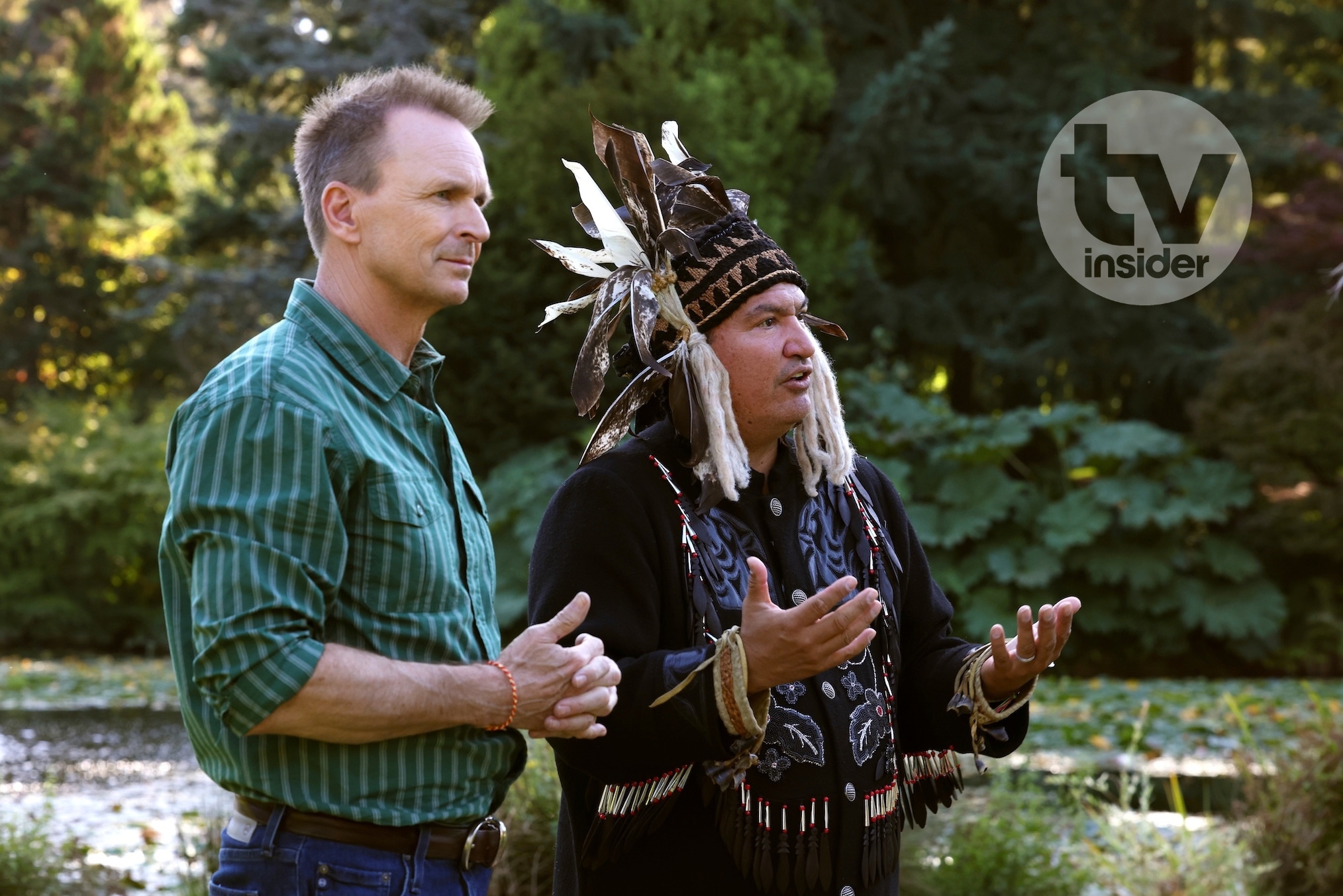
The State of Reality TV has also mirrored broader societal changes, specifically regarding diversity and international representation. Phil Keoghan shares a poignant story about his early days in America. In the 1990s, he was repeatedly told to change his New Zealand accent to an American one to get hosting jobs. He was even passed over for a major role because of his voice. Ironically, he was the runner-up for the Survivor hosting job that went to Probst, leading him to The Amazing Race.
Today, the landscape is entirely different. The success of hosts like Simon Cowell, Gordon Ramsay, and Keoghan himself has normalized international voices on US television. This shift reflects a more globalized State of Reality TV, where audiences are more sophisticated and welcoming of different backgrounds. The genre has moved away from a narrow American-centric view to one that celebrates the ‘world as a character,’ as Keoghan puts it. This cultural broadening has allowed shows to travel to more remote locations and tell more diverse stories than ever before.
People Also Ask
What is the current State of Reality TV according to Jeff Probst?
Jeff Probst describes the current state of reality TV as healthy and broad, noting that success depends on a show’s ability to execute complex formats while maintaining authentic human behavior. He believes the genre has evolved into a sophisticated form of storytelling that the audience deeply understands.
How many episodes of Big Brother have aired as of 2024?
Big Brother officially surpassed its 1,000th episode during its 28th season in 2024. This makes it the first primetime entertainment series in the United States to reach such a historic benchmark.
When does Survivor 51: The Open Era premiere?
Survivor 51: The Open Era is scheduled to premiere on September 23, 2024, on CBS. This season introduces a new structure where twists from any point in the show’s history can return at any time.
Why does Phil Keoghan prefer casting Heartland Americans?
Phil Keoghan believes that everyday people are more relatable to the core audience of The Amazing Race. He argues that casting professional reality contestants can sometimes dilute the authenticity of the experience, as their focus shifts toward maintaining their celebrity status.
Is reality TV still considered a threat to scripted television?
No, the hosts agree that the two forms now coexist. While reality TV changed the business by offering lower-cost production options, it has ultimately expanded the television landscape rather than eliminating scripted content.
Final Outlook on the State of Reality TV
As we look toward the future, the State of Reality TV appears more robust than ever. With Survivor hitting 51 seasons and The Amazing Race approaching its 40th, these shows have outlasted hundreds of scripted dramas. The upcoming ‘Open Era’ of Survivor signals a move toward permanent unpredictability, ensuring that even the most seasoned fans are kept off-balance. Meanwhile, the expansion of Big Brother into its third decade proves that the fascination with social dynamics and human vulnerability is timeless.
The era of ‘hating’ reality TV has largely passed, replaced by a deep appreciation for the craft of unscripted storytelling. Whether it’s the high-stakes travel of Keoghan’s world, the psychological warfare of Probst’s island, or the social chess of Chen Moonves’ house, the State of Reality TV remains the most authentic reflection of the human heart on screen. For more updates on your favorite reality TV stars and the latest exclusive TV trends, stay tuned to our dedicated entertainment coverage.
More Like This
For more updates, check out our latest entertainment and sports news.