Key Takeaways
| Season Opener: Bahrain returns as the season-opening host for the 2027 calendar. |
| Sprint Expansion: The number of Sprint weekends will increase from six to 10 events. |
| Returning Venues: Portimao, Portugal, and Istanbul Park, Turkey, make their official return. |
| Rotation Policy: Spa-Francorchamps and Barcelona will alternate events starting in 2028. |
The F1 2027 calendar has officially been unveiled, signaling a massive shift in how the sport balances tradition with its aggressive global expansion strategy. You are witnessing a sport at the absolute peak of its popularity, as organizers confirmed a grueling 24-race schedule that includes a substantial increase in high-intensity Sprint weekends. While fans were eagerly awaiting word on the future of iconic European circuits, the announcement provides long-awaited clarity on the sport’s direction for the coming season.
Formula 1 continues to prioritize high-growth markets while managing complex logistics, ultimately landing on a 24-race slate that maintains the heavy workload seen in previous years. With 10 Sprint rounds now locked in, the pressure on drivers, teams, and manufacturers will reach unprecedented levels. This decision arrives after months of speculation regarding global conflicts and regional uncertainty that previously delayed the finalization of next year’s logistics.
Understanding the F1 2027 Calendar Changes
The F1 2027 calendar is structured to satisfy the demands of a diverse, international fanbase while modernizing the racing format. By increasing Sprint weekends to 10, F1 is leaning heavily into the demand for more competitive action, providing fans with two qualifying sessions per Sprint event. This change, while controversial among traditionalists, aligns with Liberty Media’s broader strategy to maximize commercial engagement at every Grand Prix stop.
The return of the Portuguese Grand Prix at Portimao and the Turkish Grand Prix at Istanbul Park brings significant prestige back to the schedule. These circuits have long been favorites for drivers and fans alike, offering technical challenges that current, high-downforce cars exploit perfectly.  Their re-addition serves as a counterweight to the loss of Zandvoort, which exits the cycle entirely, reflecting the fluid nature of track availability and municipal support.
A critical component of this announcement is the new rotation policy for European races. Starting in 2028, the Circuit de Barcelona-Catalunya and Spa-Francorchamps will trade years, a move designed to preserve the history of European racing while making room for emerging global markets. This creates a balanced, sustainable future that recognizes the logistical reality of maintaining a 24-race world championship.
For those looking for the deep dive on the sport’s trajectory, ESPN’s coverage of the global F1 landscape highlights how these calendar shifts directly impact constructor development cycles. Understanding the technical requirements of these circuits is essential, as Bright Celebrity news continues to track the impact of these changes on team budgets and driver performance metrics. You should prepare for an intense season where adaptability proves just as important as pure mechanical speed.
The Impact of Sprint Expansion
The jump to 10 Sprints is a deliberate move to heighten the drama. Each Sprint event offers added intensity, drama, and the side-by-side racing that is central to the modern F1 entertainment experience. Teams will need to rethink their Friday and Saturday preparations, as the risk of damage during a Sprint race becomes a constant threat to the championship fight. This format change directly challenges mid-field teams that often struggle to maintain car parity throughout a high-octane weekend.
Key Metrics and Schedule Statistics
| Category | 2027 Schedule Data |
|---|---|
| Total Races | 24 Rounds |
| Sprint Weekends | 10 Events |
| Season Opener | Bahrain (March 12-14) |
| New/Returning Tracks | Portimao and Istanbul Park |
Background and Competitive Context
The road to the 2027 season has been anything but smooth. F1 leadership, led by Stefano Domenicali, faced intense pressure to balance the need for revenue with the realities of global instability. The delayed announcement was a direct consequence of security assessments in the Middle East, a region that remains critical to the sport’s financial health. By confirming the 2027 schedule, the FIA has provided a sense of stability that sponsors and investors require to commit to long-term partnerships.
Expert analysts note that the 24-race limit appears to be the current ceiling for the sport. Beyond this count, travel fatigue for staff and the logistical burden on teams threaten to compromise performance. The addition of triple-headers, such as the one in Azerbaijan, Turkey, and Singapore, shows the lengths to which organizers will go to group events geographically. 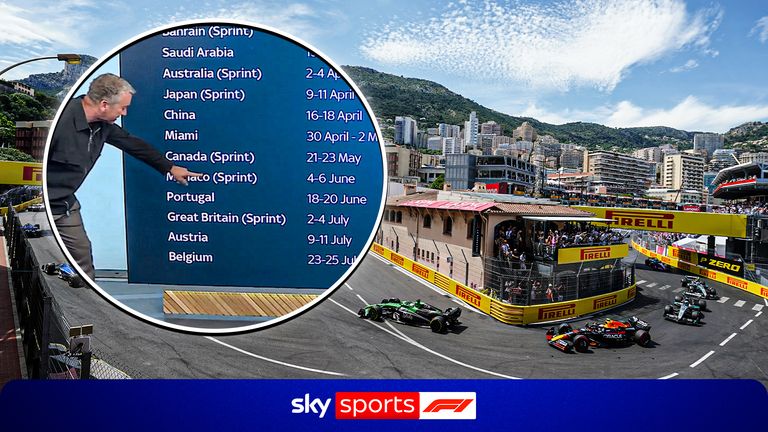 This efficiency is necessary, yet it places immense pressure on the Formula 1 support teams who work tirelessly behind the scenes.
By the numbers, the growth of the sport is staggering. The move to incorporate more Sprint races is a response to fan demand for shorter, punchier content that performs well across social media platforms. This data-driven approach highlights the transition from a traditional motorsport event to a digital-first global entertainment brand. You are effectively watching a transformation where legacy heritage is being packaged into a modern, high-intensity product that competes for global attention with major leagues like the NFL and Premier League.
People Also Ask
Why is the F1 2027 calendar change significant?
The change is significant because it introduces a high number of Sprint weekends—up to 10—and solidifies the rotation policy for historic European circuits. This represents a strategic push by Formula 1 to modernize the format while maintaining global reach.
Which tracks are returning to the F1 schedule?
Portugal’s Portimao circuit and Turkey’s Istanbul Park are both returning to the official F1 calendar. These circuits are widely regarded by fans for their challenging layouts and history within the sport.
How many total races are there in 2027?
The 2027 season will feature 24 rounds, maintaining the record-high volume of racing seen in previous seasons. This consistency allows teams to forecast their development and travel budgets more accurately.
What happens to the Belgian Grand Prix?
Starting in 2027, the Belgian Grand Prix at Spa-Francorchamps will enter a rotational deal. It will host the race in odd-numbered years, alternating with the Spanish Grand Prix in even-numbered years.
Final Thoughts on the 2027 Schedule
The unveiling of the F1 2027 calendar sets a clear course for the future of the sport. By blending the return of fan-favorite circuits with an aggressive expansion of the Sprint format, the FIA and Liberty Media are betting that the appetite for high-octane racing will only continue to grow. For fans, this means a year packed with more action than ever before, while for teams, it represents the ultimate test of endurance and logistical precision in a demanding, fast-paced championship.
More Like This
For more updates, check out our latest entertainment and sports news.