Key Takeaways
| The Metropolitan Opera opening at Lincoln Center occurred on September 16, 1966. |
| Samuel Barber’s Antony and Cleopatra served as the inaugural world premiere performance. |
| September 16 marks major historical milestones, from the Mexican War of Independence to the 1908 founding of General Motors. |
| Historical land runs and geopolitical conflicts have defined this specific calendar date throughout the centuries. |
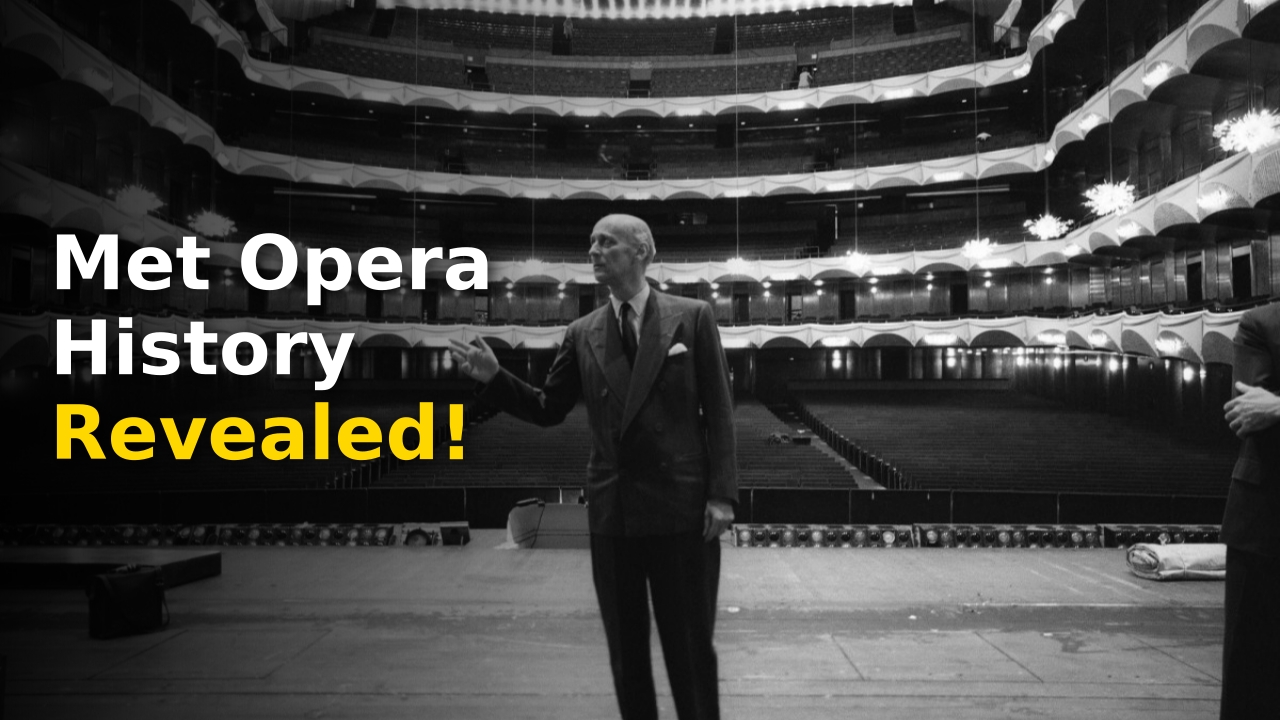
The Metropolitan Opera opening on September 16, 1966, stands as a defining cultural milestone that permanently reshaped the artistic landscape of New York City. You might recognize Lincoln Center today as a global epicenter for the performing arts, but its debut era was marked by high-stakes creative gambles and architectural ambition. This article explores how that singular evening at the opera house paved the way for decades of prestige, while also contextualizing the wider history that unfolded on this significant September day.
Understanding the weight of this date requires looking back at the cultural atmosphere of 1960s Manhattan. The move from the original 39th Street opera house to the sprawling, modern campus at Lincoln Center was not merely a change of address; it was a bold statement of intent for the future of American opera. As we examine the history of grand stage productions, the opening of this venue remains a pivotal chapter in the evolution of performance art and urban development.
Reflecting on the Metropolitan Opera opening
The night of the Metropolitan Opera opening was more than a red-carpet event; it was a high-pressure environment for composer Samuel Barber. His work, Antony and Cleopatra, faced intense scrutiny from critics and the elite social circles of the era. The production utilized the state-of-the-art stage technology that the new Lincoln Center facility promised, setting a new benchmark for theatrical scale in the United States.
While the architectural beauty of the center is widely celebrated, the inaugural performance remains a subject of intense debate among musicologists. Some critics at the time felt the production was over-scaled, yet it undeniably captured the zeitgeist of the mid-1960s. The transition to this new home provided the company with the infrastructure needed to maintain its position as a world-class institution. 
The cultural shift at Lincoln Center
The move to Lincoln Center allowed for technological advancements that were impossible in the older, cramped theaters of the past. Lighting rigs, automated stage machinery, and refined acoustics allowed for more complex storytelling. This shift proved that opera in the United States could compete with the historic houses of Europe in both technical prowess and artistic ambition. By standardizing these high production values, the Metropolitan Opera solidified its status as an international powerhouse.
Historical Milestones of September 16
| Year | Historical Event |
|---|---|
| 1810 | Miguel Hidalgo y Costilla initiates Mexican War of Independence. |
| 1893 | The largest land run in U.S. history occurs in Oklahoma. |
| 1908 | General Motors is founded in Flint, Michigan. |
| 1966 | Metropolitan Opera opens at Lincoln Center. |
| 1982 | Sabra and Shatila massacre begins in Beirut. |
Context and Historical Impact
Beyond the performing arts, September 16 remains a date etched in global history through various lenses, from revolutionary war to industrial expansion. The Mexican War of Independence, ignited by Miguel Hidalgo y Costilla in 1810, serves as a cornerstone of Latin American sovereignty. This grassroots movement against Spanish rule changed the geopolitical map of North America forever, a stark contrast to the cultural developments in New York over a century later.
Furthermore, the 1893 Oklahoma Land Run highlights the complexities of U.S. expansionism, specifically concerning the forced displacement of the Cherokee Nation. By analyzing these events alongside the Metropolitan Opera opening, we see a day defined by both creative expression and political upheaval. These events demonstrate how humanity moves forward through acts of rebellion, industrial innovation, and cultural preservation.
Expert Take: History as a collection of simultaneous developments suggests that progress is rarely linear. While one corner of the world focused on the birth of a new nation, another focused on the birth of an automotive giant like General Motors. Understanding the interconnectedness of these dates allows for a more robust analysis of how societies prioritize their resources—whether for conflict, commerce, or the arts. 
People Also Ask
What happened during the Metropolitan Opera opening in 1966?
On September 16, 1966, the Met opened its new home at Lincoln Center with the world premiere of Samuel Barber’s opera Antony and Cleopatra.
Why is September 16 significant in Mexican history?
September 16, 1810, is celebrated as the start of the Mexican War of Independence, when priest Miguel Hidalgo y Costilla called for a rebellion against Spanish rule.
How many people participated in the 1893 Oklahoma land run?
More than 100,000 settlers rushed to claim over 6 million acres of land in what is now northern Oklahoma.
Who founded General Motors on September 16, 1908?
William C. Durant founded General Motors in Flint, Michigan, on September 16, 1908.
Final Thoughts
Looking back at the timeline of September 16, we find a tapestry of human achievement and struggle. From the 1966 Metropolitan Opera opening to the political shifts of the 20th century, this date serves as a reminder of how quickly the world evolves. As you reflect on these historical intersections, consider the legacy of these institutions and how they continue to influence our modern cultural and political landscape today.
More Like This
For more updates, check out our latest entertainment and sports news.