Key Takeaways
| Deathlok debuted in 1974 as a cynical, cybernetic soldier representing the future of the Marvel Universe. |
| The character remains a versatile narrative tool for dystopian time-travel stories. |
| Integrating Deathlok could help revitalize the currently stagnant Marvel Multiverse dynamics. |
| Corporate entities like Roxxon frequently utilize Deathlok tech as a recurring multiversal antagonist. |
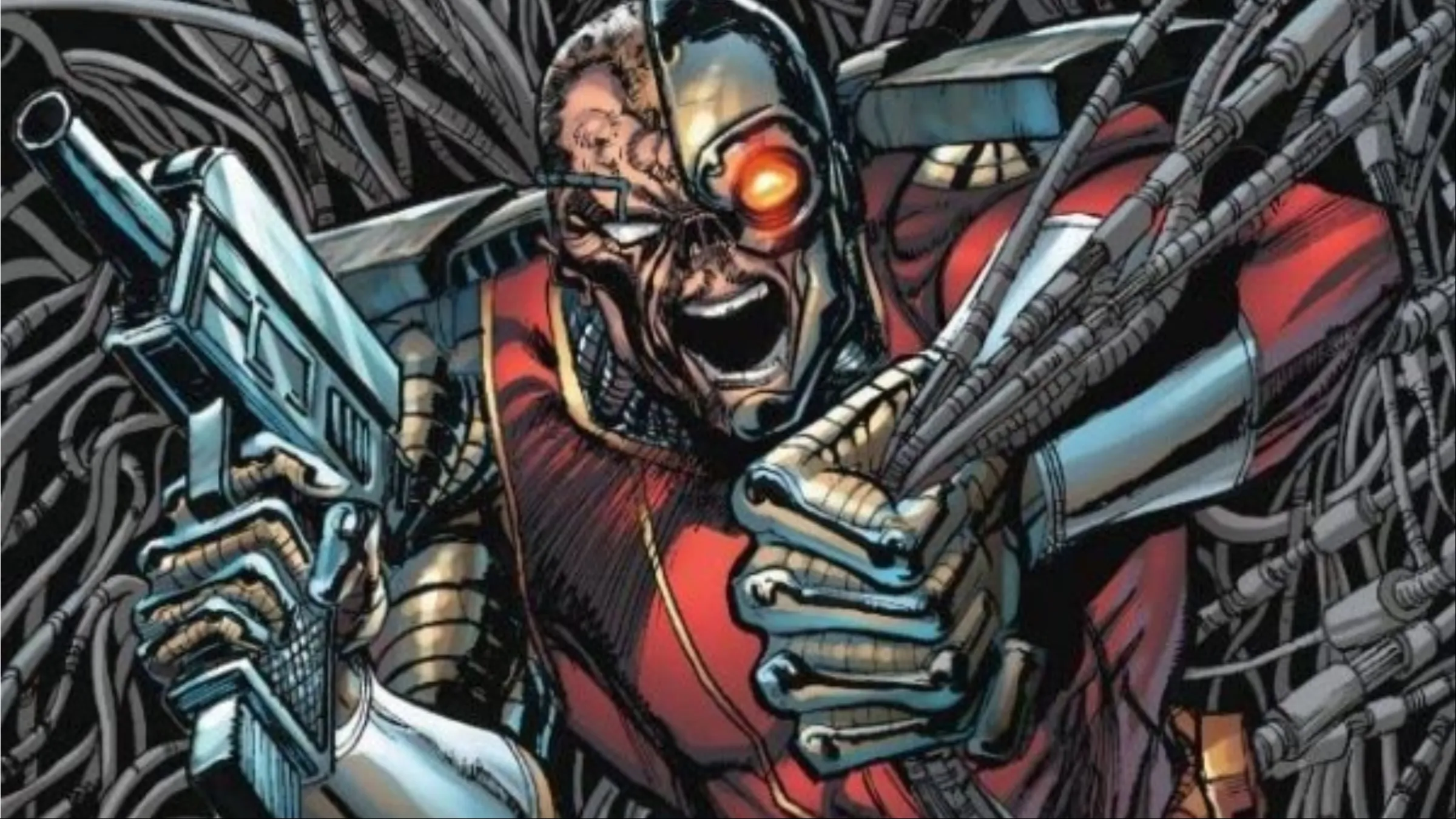
Marvel needs to bring back Marvel Deathlok to breathe fresh life into its struggling, often predictable multiverse. While the publisher has spent decades introducing complex cosmic threats, this gritty, 1970s-era cyborg remains a powerful, underutilized asset that could redefine how readers perceive alternate timelines. By shifting the focus away from tired Sentinel narratives, Marvel has a prime opportunity to reinvent its storytelling architecture using this forgotten mechanical anti-hero.
You might wonder why a character who first appeared in 1974 is essential for the modern era. The truth is that the Marvel Deathlok concept is modular, allowing writers to adapt the cyborg mantle for any story, villain, or dystopian scenario they can dream up. Unlike more rigid superhero legacies, this tech-based identity serves as a flexible anchor for stories involving time travel, corporate corruption, and the tragic loss of humanity, making him the perfect candidate for a major 2026 revitalization.
The Legacy of Marvel Deathlok
When the original Deathlok, Luther Manning, hit the pages of Astonishing Tales in 1974, he was a harbinger of the grim, sci-fi-heavy aesthetic that would define the industry for decades. Created by Rick Buckler, the character functioned as a fusion of the Six Million Dollar Man and a post-apocalyptic survivor. This hard-edged mentality perfectly paralleled the arrival of iconic characters like Wolverine and the Punisher, yet for reasons of timing and shifting editorial trends, he never truly reached their A-list status.
Despite his status as a perennial C-list hero, the character is functionally a load-bearing structure for the House of Ideas. You have seen the mantle pass from Manning to Michael Collins and beyond, appearing in gritty team-ups like Savage Avengers. The character represents the ultimate cautionary tale of science gone wrong—a weaponized soldier who often fights for his soul against an onboard computer programmed for slaughter. 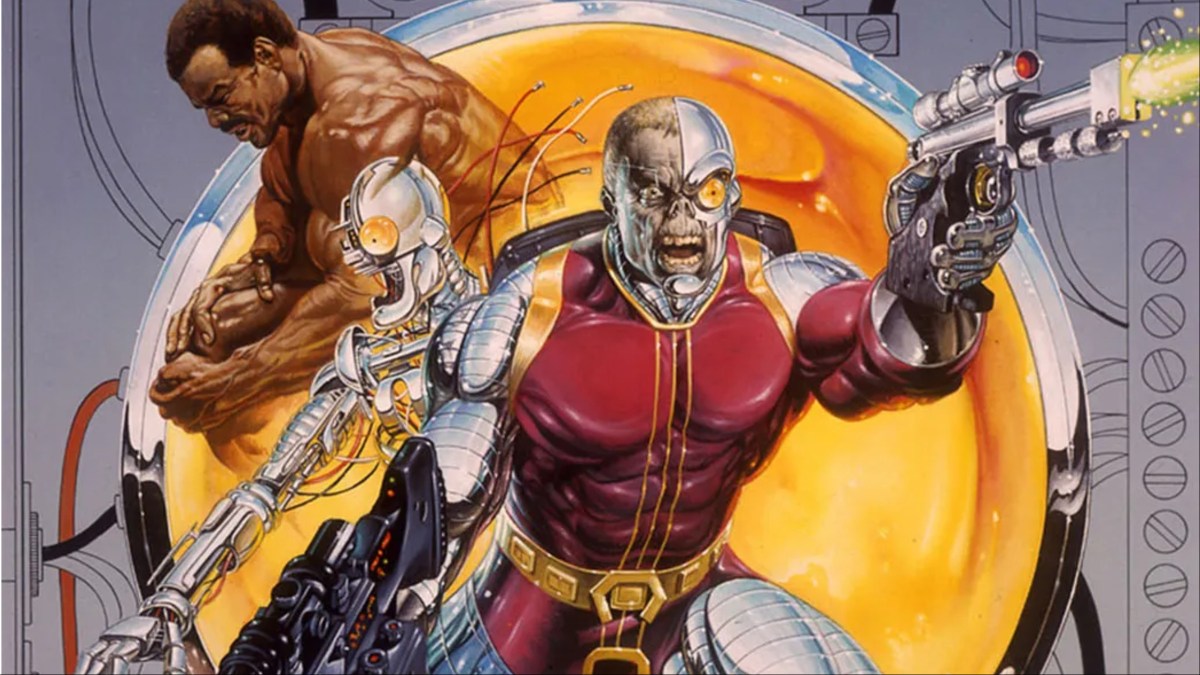 This struggle is exactly what current readers crave: grounded, human drama set against a sprawling, high-stakes sci-fi backdrop.
The versatility of the character allows for endless reimaginings. Whether he is a tragic hero trying to return to his timeline or a terrifying, corporate-sponsored enforcer for an entity like Roxxon, the framework remains rock solid. By focusing on Marvel Deathlok, editors can cut through the clutter of overly complex multiverse events and provide audiences with the sharp, high-intensity storytelling that defined Marvel’s golden age of experimentation.
The Mechanical Evolution
Historically, the evolution of the character has moved from individual soldier to a ubiquitous background element of the Marvel Universe. Writers have used the tech to create entire alternate Earths where cybernetic control serves as a stand-in for dystopian order. This provides a fresh, scalable threat level that does not require the heavy lifting of full-scale reality warps or cosmic collapses.
Multiverse Trends and Data
The current state of the multiverse is often criticized for being overly reliant on repetitive tropes and recycled concepts. Comparing the potential of Deathlok against common recurring plot devices illustrates why a pivot is necessary for creative growth in 2026. Read more about multiverse trends at Bright Celebrity.
| Concept | Usage Rate | Narrative Potential |
|---|---|---|
| Sentinels | High | Stagnant |
| Alternate Earths | Very High | Variable |
| Deathlok Tech | Low | High |
Expert Take on Narrative Decay
Industry analysts often point out that long-running franchises suffer from a lack of stakes when the same tools are reused. By reintroducing Marvel Deathlok as a centerpiece, the creative team can return to a core fundamental: a man versus a machine, or a man versus his own fate. This contrast is what historically drew fans to Marvel and can be found in IMDb’s extensive catalog of comic-inspired media, which highlights how grounded characters consistently outperform high-concept ones in audience engagement metrics.
By the numbers, the most successful arcs in the modern era tend to focus on individual character agency rather than global multiverse resets. Deathlok, by design, is a localized character who happens to occupy a massive, systemic role in the background. If you are looking for an Expert Take on how to revitalize this, it is simple: focus on the “man inside the machine” narrative. When the character was used in Savage Avengers (Vol. 2), the focus remained on the tension and the specific mission goals, which resonated with long-time readers and critics alike.
People Also Ask
What happened with Deathlok in recent comics?
Deathlok recently featured as a critical component in the Savage Avengers (Vol. 2) series by David Pepose and Carlo Magno. In this story, the team traveled to a future controlled by Ultron to prevent an apocalyptic outcome.
Why is Marvel Deathlok considered a versatile storytelling tool?
The character is a modular concept, meaning the cybernetic identity can be applied to different heroes or villains. This allows writers to craft dystopian or time-travel stories without needing to adhere to one static character history.
How does Roxxon relate to Deathlok technology?
In various multiversal arcs, the corporation Roxxon is frequently depicted as using Deathlok technology to control populations and ensure their own dominance over future timelines.
When did the character first appear at Marvel?
The original version, Luther Manning, debuted in 1974 within the pages of the comic title Astonishing Tales. This introduction coincided with a period of massive creative expansion at the publisher.
Final Thoughts
The time has come for Marvel to fully commit to the Marvel Deathlok legacy. By leaning into the simplicity of the concept—a reluctant cyborg fighting for his humanity—the publisher can provide a welcome reprieve from the convoluted mess that the multiverse has become. Whether as a villain or a new hero, the character offers the exact type of escape that fans are currently missing in the modern comic landscape. Stay updated with the latest industry shifts at Bright Celebrity. It is time to let the machine rise once more.
More Like This
For more updates, check out our latest entertainment and sports news.