Key Takeaways
| Secret Transition | Newcastle started planning for Eddie Howe’s departure eight to nine months before it occurred. |
| The New Boss | Matthias Jaissle was identified via data modeling and secured from Al-Ahli for a £10 million fee. |
| Transfer Realities | Financial rules forced £170 million in player sales, including the disappointing £75 million departure of Bruno Guimarães. |
| Key Retention | England left-back Lewis Hall snubbed Manchester United to sign a bumper new five-year contract. |
You probably thought the sudden Eddie Howe Newcastle Exit in July 2026 was a chaotic, last-minute panic that left St James’ Park in absolute disarray. Yet behind the closed doors of the club’s Tyne and Wear headquarters, a meticulously designed blueprint had been waiting for this exact moment for nearly a year. Newcastle United sporting director Ross Wilson has shattered the illusion of a sudden crisis, revealing that the club commenced its succession planning at the very start of the year.
The transition was executed with clinical precision, shifting the managerial hot seat from a beloved domestic hero to German tactician Matthias Jaissle. For fans who feared that the departure of the man who secured the 2025 Carabao Cup would derail the club’s progression, Wilson’s disclosures offer a masterclass in modern sports executive strategy. This was not a reactive panic, but rather a cold, calculated move designed to protect the club’s long-term trajectory.
By exploring the deep administrative maneuvers on Tyneside, we can see how Newcastle successfully navigated the complex waters of UEFA compliance, massive squad trading, and manager retention. This transition marks the dawn of a highly sophisticated, data-driven era for the Magpies. Let us break down the internal mechanics of how this historic managerial shift was engineered.
Behind the Eddie Howe Newcastle Exit Plan
When sporting director Ross Wilson arrived on Tyneside from Nottingham Forest, he immediately initiated a silent review of the club’s sporting infrastructure. The threat of losing an elite English coach to rival clubs or the national team setup meant contingency planning had to begin immediately. Wilson spent eight of his first ten months at the club preparing for a potential managerial change, ensuring that the shortlist was active and constantly updated.
The Eddie Howe Newcastle Exit was accelerated by a difficult twelfth-place finish in the Premier League, combined with the administrative pressure of financial regulations. While Howe remained a highly respected figure who delivered silverware, the modern game demands constant readiness for structural change. When the final whistle blew on the previous campaign, both Howe and the Newcastle board recognized that a parting of ways would suit their respective futures.
To understand the club’s recent trajectory, it is helpful to look at The Guardian’s coverage of Newcastle United, which highlight the immense organizational shifts occurring behind the scenes. Wilson made sure that when Howe decided to step down in late July, the recruitment apparatus did not skip a beat. The club operated in complete secrecy for two weeks, finalizing the transition before any media leaks could jeopardize the negotiations.
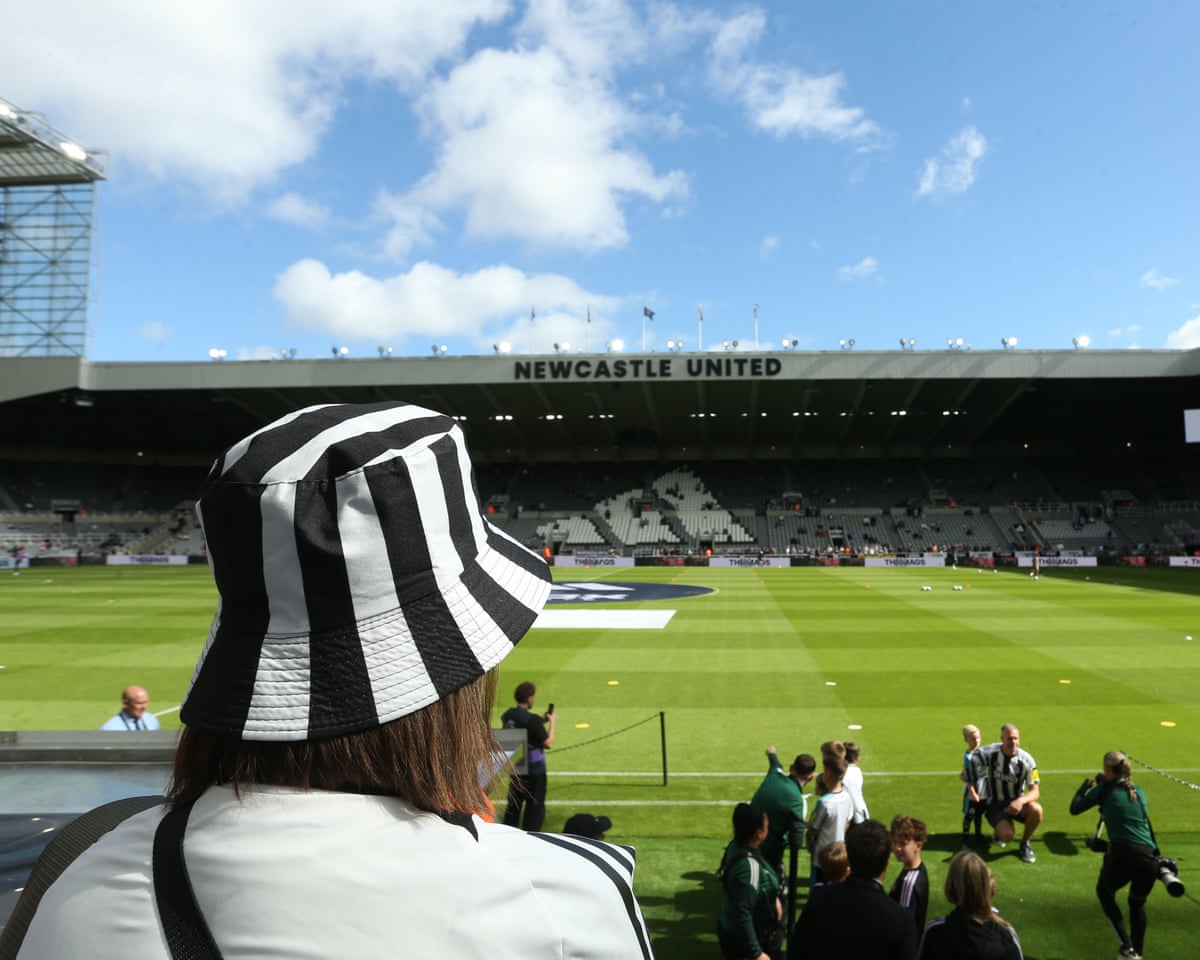
This level of discretion is exceptionally rare in the modern Premier League, where transfer sagas and boardroom disputes often play out in the public eye. Newcastle’s ability to maintain absolute confidentiality kept rival clubs in the dark and preserved their leverage. On Tyneside, the transition was viewed not as a painful ending, but as the planned activation of a well-researched contingency protocol.
The Executive Philosophy of Ross Wilson
Ross Wilson has built a reputation as a sporting director who refuses to be left empty-handed when key assets depart. His tenure at Rangers and Nottingham Forest taught him that waiting for a crisis to occur before looking for solutions is a recipe for competitive disaster. By implementing advanced data modeling early, he ensured that Newcastle’s scouting network was aligned with a specific tactical identity long before a coaching vacancy arose.
This philosophy of constant readiness has redefined how the club approaches both staff and player recruitment. Instead of focusing on individual names, the club prioritizes tactical compatibility, pressing metrics, and behavioral profiles. It is a system designed to survive the departure of any single individual, including a manager as influential as Eddie Howe.
Why Matthias Jaissle Was the Chosen Successor
Replacing a tactical figure like Eddie Howe required a coach who could build upon his foundation of high-intensity, vertical, and aggressive football. Newcastle’s board made it clear that they would never accept a passive or defensive style of play at St James’ Park. Using sophisticated statistical models, the recruitment team evaluated dozens of candidates before determining that Matthias Jaissle was the absolute priority.
Jaissle, who was secured from Saudi Pro League side Al-Ahli for a compensation fee of £10 million, represents the cutting edge of modern tactical systems. His background in the Red Bull coaching system makes him an ideal fit for Newcastle’s high-pressing squad. The club wanted a head coach who could implement a proactive, vertical style of play that would excite the passionate Tyneside crowd.
The sporting department wanted to avoid any drop in physical output or defensive intensity after the Eddie Howe Newcastle Exit. Jaissle’s tactical history shows an obsession with counter-pressing and rapid transitions, which perfectly matches the characteristics of the club’s current players. The transition felt seamless because the incoming manager’s ideas matched the tactical identity already established within the squad.
For a broader view of tactical trends across the continent, you can consult ESPN’s Premier League analytical hub to see how high-pressing systems continue to dominate English football. Newcastle’s decision to hire Jaissle is part of a larger trend of clubs prioritizing tactical identity over superstar coaching names. Under his guidance, the team is expected to maintain its status as one of the most physically demanding opponents in Europe.
Expert Take: Comparing the Tactical Blueprints
Tactical analysts point out that while Eddie Howe favored a hybrid pressing system that adapted to the opposition’s weaknesses, Matthias Jaissle brings a more rigid, highly structured vertical pressing philosophy. Under Howe, Newcastle focused heavily on overlapping fullbacks and creating overloads on the wings to break down low blocks. Jaissle, conversely, prioritizes central compaction, forcing turnovers in the middle third and launching immediate, vertical attacks toward the opposition box.
This shift requires midfielders who can process information instantly and cover massive distances. The physical demands of Jaissle’s system are incredibly high, which explains why Newcastle targeted young, high-endurance players during the summer window. While Howe’s style was highly effective, Jaissle’s approach is designed to match the tactical systems utilized by Europe’s elite Champions League clubs.
Financial Realities and the Bruno Guimaraes Blow
The summer of 2026 was defined by Newcastle’s need to comply with stringent European financial regulations. Having entered into a settlement agreement with UEFA after exceeding spending limits, the board had to make difficult financial decisions to avoid severe sporting penalties. This reality forced the club to trade major assets, generating nearly £170 million through the sales of fan favorites Anthony Gordon and Sandro Tonali.
However, the most painful departure of the window was the £75 million sale of Brazilian midfielder Bruno Guimarães to Arsenal. Ross Wilson openly admitted his disappointment over losing Guimarães, stating that this was the one deal the club desperately wanted to avoid. The midfield maestro had been the heartbeat of the team, and his departure left a massive void in both leadership and technical quality.
To replace Guimarães, Newcastle invested £52 million to sign Manchester City’s highly-rated 24-year-old midfielder, Nico González. González was identified by the club’s data models as an ideal fit for the aggressive, vertical style of football favored by Jaissle. His arrival is part of a broader strategy that saw the club acquire eight players aged 24 and under during the summer transfer window.
This strategic pivot is part of the ongoing financial evolution at Newcastle United, which requires balancing sporting ambition with strict financial sustainability. While losing a player of Guimarães’s caliber is a significant blow, the club’s ability to reinvest those funds into younger, high-intensity talent ensures they remain competitive. The table below details the significant financial activity that took place during this pivotal transfer window.
| Player Name | Action Type | Involved Club | Fee / Status |
|---|---|---|---|
| Anthony Gordon | Sold | Multiple Suitors | Combined £170m (with Tonali) |
| Sandro Tonali | Sold | Multiple Suitors | Combined £170m (with Gordon) |
| Bruno Guimarães | Sold | Arsenal | £75 million |
| Nico González | Signed | Manchester City | £52 million |
| Lewis Hall | Contract Extension | Newcastle United | 5-Year Deal (Top Earner) |
The Battle for Lewis Hall and Roster Overhaul
While the club had to let several star players leave, Newcastle drew a firm line when it came to their bright young defensive talents. Left-back Lewis Hall was the subject of intense interest from Manchester United throughout the summer transfer window. Manchester United viewed the 22-year-old England international as the perfect long-term solution to their defensive issues and pushed hard to secure his signature.
However, Newcastle refused to entertain any bids for Hall, who had joined the club from Chelsea for £35 million in 2023. Recognizing his immense potential and impressive performances, Ross Wilson successfully negotiated a new five-year contract extension with the defender. This deal makes Hall one of the best-paid players at the club, securing his future on Tyneside and sending a strong message to rivals.
The successful retention of Hall, alongside contract extensions for promising talents like Lewis Miley and Harvey Barnes, highlights Newcastle’s commitment to building around a young English core. This long-term approach is discussed further in these Premier League transfer insights, which track how top-tier clubs manage young talent. By securing their core players, Newcastle have ensured that Matthias Jaissle has the necessary foundation to build a highly competitive squad.
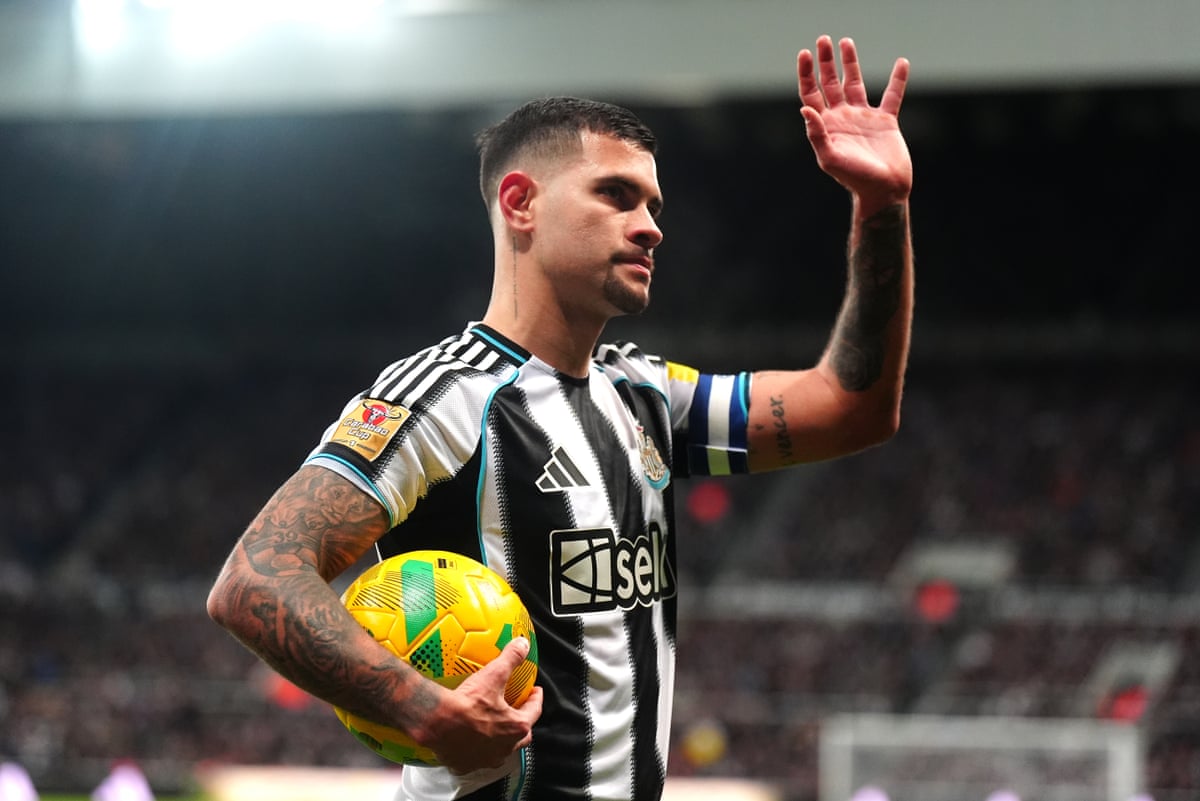
This strategy of locking down young players while remaining open to trading established assets represents a clear evolution in the club’s sporting policy. Newcastle’s leadership understands that survival and success in the modern Premier League require a flexible approach to player trading. By investing in young talent, the club is protecting its financial future while remaining highly competitive on the pitch.
By The Numbers: The Youth Investment Strategy
The signing of eight players aged 24 and under during a single transfer window represents a significant shift in Newcastle’s recruitment model. Under previous transfer policies, the club focused on signing established mid-career players to immediately stabilize their Premier League status. Now, the emphasis has shifted entirely toward high-growth prospects whose market value is likely to increase significantly over the next three to four years.
This youth-first approach helps the club manage its overall wage bill while building high-value squad depth. It also ensures that the first-team squad has the physical capacity to meet the demanding tactical requirements of Matthias Jaissle’s vertical pressing system. Securing young English football prodigies like Lewis Hall is central to this strategy, providing the club with elite domestic talent that can grow alongside their ambitious long-term plans.
People Also Ask
What happened with the Eddie Howe Newcastle Exit today?
Sporting director Ross Wilson revealed that the club began planning for Eddie Howe’s departure at the start of the year. This proactive planning allowed Newcastle to quickly secure Matthias Jaissle as his replacement in late July without experiencing competitive chaos.
Why did Newcastle sell Bruno Guimarães to Arsenal?
Newcastle had to sell Bruno Guimarães for £75 million to comply with UEFA spending rules after entering into a settlement agreement. While the club’s sporting department did not want to lose him, the transfer was necessary to balance the books and fund squad rebuilding.
How does this managerial change affect Lewis Hall’s future?
Lewis Hall has committed his long-term future to Newcastle by signing a new five-year contract, despite strong interest from Manchester United. The extension makes the 22-year-old England international one of Newcastle’s highest-paid players and a key part of Matthias Jaissle’s plans.
Who is the new Newcastle United manager replacing Eddie Howe?
Matthias Jaissle is the new manager of Newcastle United, after the club paid a £10 million compensation fee to secure him from Al-Ahli. Jaissle was identified using advanced data models that matched his tactical style with Newcastle’s preferred vertical, high-pressing approach.
The Future of Newcastle United Under Matthias Jaissle
As the dust settles on a transformational summer transfer window, the scale of the transition at St James’ Park is becoming clear. The Eddie Howe Newcastle Exit was not the start of a decline, but rather the beginning of a highly structured new chapter. Under the guidance of Matthias Jaissle, Newcastle are building a high-intensity squad designed to challenge the elite of European football.
Chief executive David Hopkinson remains highly confident that Newcastle can disrupt the dominance of the traditional “big six” by 2030. By focusing on smart player trading, youth development, and strict regulatory compliance, the club is building a sustainable model for long-term success. While the loss of key players like Bruno Guimarães was disappointing, the arrival of exciting young talents like Nico González offers plenty of reasons for optimism.
The era of sudden boardroom panic on Tyneside has been replaced by structured planning, advanced data modeling, and executive patience. By preparing for managerial changes months in advance, Ross Wilson has ensured that Newcastle United remains built for long-term success. Under the bright lights of St James’ Park, the journey toward the top of the European game continues with renewed clarity and determination.
More Like This
For more updates, check out our latest entertainment and sports news.