Key Takeaways
| Toyotarou is integrating unfinished concepts from his fan-made Dragon Ball AF manga into the official DBS canon. |
| Vegeta utilizes a secret, unnamed form-switching technique that allows for instant transformation bursts. |
| This technique potentially surpasses Ultra Ego by bypassing the stamina limitations inherent to high-tier forms. |
| The Prince of all Saiyans could eventually achieve a fusion of form-switching and Ultra Ego to reach god-like power. |
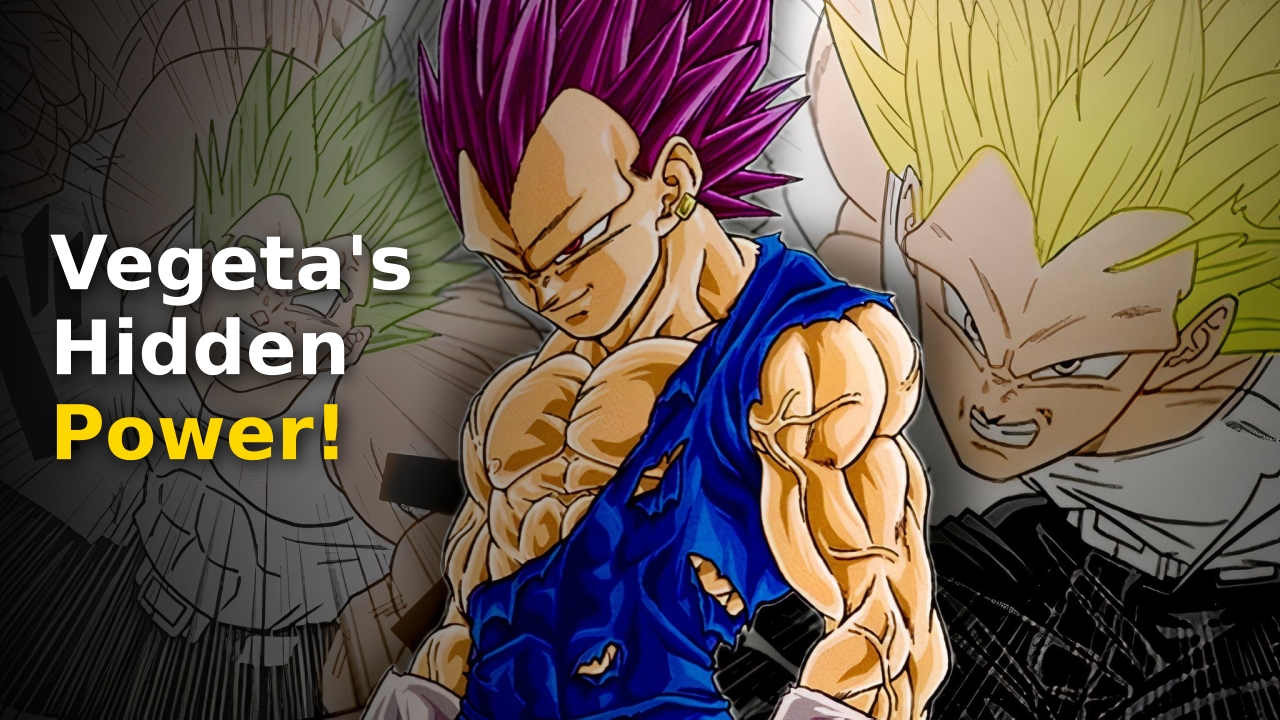
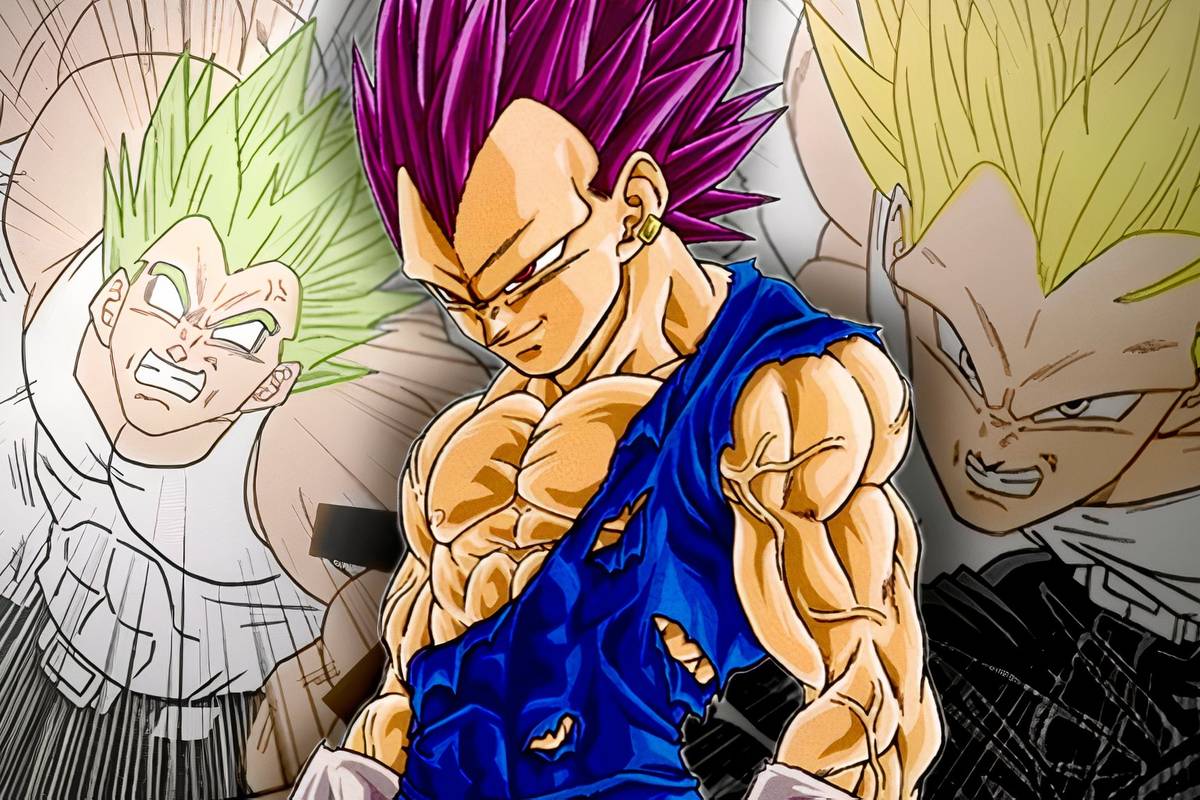
You might believe that Ultra Ego is the absolute ceiling for the Prince of all Saiyans, but a secret Vegeta stronger transformation technique has been hiding in plain sight. Long before he ascended to the heights of divine destruction in the official manga, Vegeta was already practicing a revolutionary method of combat that could fundamentally alter the power hierarchy of Dragon Ball Super. This isn’t merely a rumor; it is a calculated artistic choice by mangaka Toyotarou, who has been quietly seeding his legendary Dragon Ball AF concepts into the canon timeline.
By mastering the art of instantaneous form switching, the Saiyan Prince has developed a tactical advantage that renders static power-ups obsolete. While Ultra Ego grants him immense destructive output, its stamina-draining nature remains a critical liability against foes like Gas. By weaving this ancient, fan-originated technique into his modern arsenal, Vegeta gains the ability to leverage every transformation—from Super Saiyan to God-tier—without the exhaustive toll that traditional power-ups usually demand.
Understanding the Vegeta Stronger Transformation Mechanics
The core of this secret technique lies in the concept of surgical energy efficiency. Instead of sustaining a single, taxing form for the duration of a battle, Vegeta uses micro-bursts of specific transformations. This allows him to utilize the raw, physical dominance of Broly’s Legendary Super Saiyan form or the blinding speed of Super Saiyan 3 for fractions of a second. The result is a combat style that keeps his opponent off-balance while preserving his base energy reserves.
This methodology was first conceptualized during the development of Dragon Ball AF, where Vegeta faced off against the half-Saiyan, half-Kai warrior known as Xicor. Because the manga was never completed, fans missed the evolution of this technique until Toyotarou brought it into the mainstream. It is a brilliant nod to his roots and a masterclass in narrative continuity. If you have been following the latest anime trends, you know that Toyotarou is unafraid to push boundaries.
The Strategic Shift from Ultra Ego
Unlike Ultra Ego, which requires the user to embrace the heat of battle and risk significant bodily harm, this form-switching technique is highly defensive and efficient. In the heat of a clash against Zamasu, Vegeta demonstrated the ability to swap states so rapidly that even divine beings struggled to track his fluctuations. This fluidity is the antithesis of the brute-force approach that Goku often takes with Ultra Instinct.
Experts in the community argue that this technique serves as the perfect bridge to future power. If Vegeta can integrate this rapid-fire switching with the raw potential of Ultra Ego, he would effectively nullify the form’s greatest weakness: stamina loss. By only tapping into the energy-draining aspect of Ultra Ego for the split second of an impact, he could maintain a near-invincible state indefinitely.
Comparative Analysis of Saiyan Transformations
| Transformation | Primary Benefit | Major Drawback |
|---|---|---|
| Super Saiyan 3 | Speed and Burst | Extreme Energy Drain |
| Legendary SSJ | Physical Force | Lack of Control |
| Ultra Ego | Destructive Power | Stamina Limitations |
| Form Switching | Infinite Efficiency | Requires Mastery |
The Influence of Dragon Ball AF on Modern Manga
The inclusion of Dragon Ball AF concepts is a testament to Toyotarou’s journey from a dedicated fan creator to the lead mangaka of a Forbes-recognized global entertainment franchise. His desire to immortalize these ideas suggests that the future of the series may lean further into unconventional power systems. We aren’t just looking at new forms anymore; we are looking at the optimization of existing ones.
Consider the visual storytelling of the Future Trunks Saga. When Vegeta uses this technique, the subtle shifts in his hair color and aura occur at such speed that they appear as static, yet his opponent feels the impact of a shifting weight class. This detail-oriented approach keeps the audience engaged, as shown by consistent spikes in fan-driven community discussions regarding manga evolution.

Why This Matters for Canon
By normalizing these transitions, the franchise acknowledges that brute force is no longer the sole metric of strength. We are moving toward a period where the history of the series—both official and fan-made—is being synthesized. This creates a richer, more complex narrative for Vegeta, who has historically been the character most obsessed with reaching new heights of raw power.
For those tracking the latest industry updates, this indicates that the editorial team is listening to the core fanbase. The transition from pure transformations like Super Saiyan Blue to technique-based mastery signifies a maturation of the series’ combat logic. It is a strategic pivot that keeps the tension high without constantly inflating power levels to absurd degrees.
People Also Ask
What is the secret technique Vegeta used against Zamasu?
Vegeta used an instantaneous form-switching technique that allowed him to cycle between different Super Saiyan transformations in fractions of a second. This allowed him to optimize energy usage while maintaining peak offensive output throughout the battle.
How does this technique compare to Ultra Ego?
While Ultra Ego relies on the user taking damage to grow stronger, form-switching is a tactical method to avoid exhaustion and maximize efficiency. It is theorized that combining the two could allow Vegeta to use the power of Ultra Ego without the usual stamina penalties.
Is this technique officially named in the manga?
No, the technique has no official name in the Dragon Ball Super manga. It is widely referred to by fans as form-switching or God-to-Blue switching, reflecting its fluid nature.
Will Toyotarou bring back more concepts from Dragon Ball AF?
It is highly possible. Toyotarou has already begun integrating various elements from his earlier work into the official series, and fans continue to speculate about other potential canonizations like Super Saiyan 5.
Final Thoughts on Vegeta Future Potential
As we look toward the future of Dragon Ball Super, the synthesis of Ultra Ego and form-switching remains the most compelling trajectory for Vegeta. By embracing the flexibility of the techniques he once explored in his early career, he stands to solidify his status as a master strategist rather than just another powerhouse fighter. This Vegeta stronger transformation narrative is exactly the kind of nuance that keeps the franchise relevant to modern audiences.
More Like This
For more updates, check out our latest entertainment and sports news.