Key Takeaways
| Glenn Strange exited Gunsmoke due to a terminal lung cancer diagnosis in 1972. |
| His final appearance aired in 1973, over a year after his passing, thanks to pre-filmed episodes. |
| Before his Western fame, Strange was the definitive Frankenstein’s monster for Universal Pictures. |
| The actor appeared in over 200 episodes as the beloved bartender Sam Noonan. |
You might not realize that the **Glenn Strange Gunsmoke** history was cut short by a tragic health battle that changed the face of Dodge City forever. For over a decade, Glenn Strange occupied one of the most stable and comforting spots in the Wild West—the space behind the bar at the Long Branch Saloon. As Sam Noonan, the quiet yet witty bartender, Strange became a pillar of the community, serving up drinks and wisdom to Marshall Matt Dillon and the town’s denizens.
The sudden absence of this towering figure in 1973 left a void that fans of the legendary Western series felt deeply. While Gunsmoke was known for its revolving door of guest stars and outlaws, the core cast felt like family to millions of American households. When Glenn Strange disappeared from the screen, it wasn’t due to a contract dispute or a desire for new roles, but rather a somber reality that the actor could no longer hide from the cameras or his castmates.
Understanding the impact of his departure requires looking back at how a man once feared as a cinematic monster became the most trusted bartender in television history. His journey from the shadows of horror films to the dusty streets of Kansas is a testament to his range and the deep connection he forged with his audience. Today, the legacy of Sam Noonan remains a highlight of the show’s unprecedented 20-season run on CBS.
Why Glenn Strange Left Gunsmoke Explained
The definitive answer to why Glenn Strange left the show is a heartbreaking one: he was diagnosed with terminal lung cancer in 1972. At the time, Gunsmoke was still a ratings powerhouse, and Strange was a vital part of the ensemble that made the Long Branch Saloon feel like a second home to viewers. Despite the grueling nature of the illness, the veteran character actor was determined to keep working for as long as his physical condition allowed.
His dedication to the role of Sam Noonan meant that he continued filming even as his health declined. This grit was characteristic of the men who built the Western genre, and his co-stars, including **James Arness** and **Amanda Blake**, supported him throughout his final months on set. The production team worked around his needs, ensuring that the man who had given so much to the show could finish his journey on his own terms. 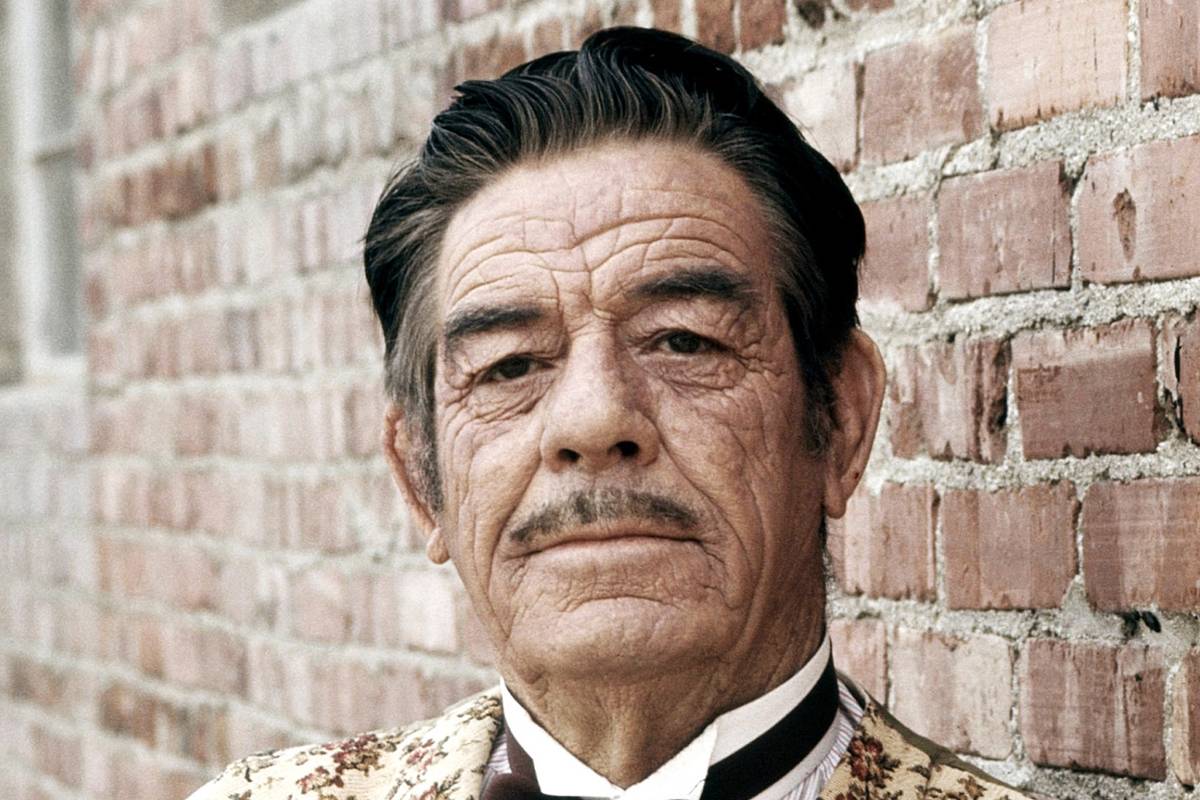
Strange eventually had to step away from the grueling production schedule as the cancer progressed. He passed away on September 20, 1973, at the age of 74. However, because Gunsmoke often filmed episodes well in advance of their air dates, the character of Sam Noonan didn’t vanish immediately. Fans were treated to several more appearances, creating a bittersweet experience for a public that was already mourning the loss of the actor in real time.
The transition away from Sam Noonan was handled with a quiet dignity that matched the character’s personality. Gunsmoke never truly “replaced” Sam in the hearts of the fans; instead, the show eventually moved on, though the atmosphere of the Long Branch Saloon was permanently altered. Strange’s departure marked the beginning of the end for the series’ most iconic era, as it would only run for two more years after his death.
A Career-Defining Shift to Television
Before he was a bartender, Glenn Strange was a prolific character actor in Hollywood’s B-movie circuit. For years, he was typecast as the heavy or the villainous henchman in countless Westerns. His massive physical presence—standing at 6 feet 5 inches—made him the perfect foil for leading men. However, the role of Sam Noonan allowed him to showcase a softer, more conversational side of his talent that had been largely ignored by film directors.
His chemistry with **Amanda Blake**, who played Miss Kitty, was a central component of the show’s success. The two shared a shorthand that suggested a deep, professional respect and a long history within the world of Dodge City. This role gave Strange the stability that few character actors ever achieve, transforming him from a face in the crowd into a household name during the peak of the Western’s popularity in classic TV history insights.
The Bond Between Sam Noonan and Matt Dillon
The relationship between Sam and Marshall Matt Dillon was one of mutual respect. In the high-stakes world of Dodge City, where violence could erupt at any moment, the Long Branch Saloon was a sanctuary. Sam Noonan was the gatekeeper of that peace. Strange played the role with a steady hand, often acting as the voice of reason when tempers flared. His presence provided a necessary anchor for the show’s more dramatic and violent storylines.
The Battle with Lung Cancer in 1972
The year 1972 was a turning point for the cast of Gunsmoke. While the show was celebrating its longevity, the reality of Glenn Strange’s health was becoming impossible to ignore. Lung cancer was a frequent tragedy in the era of heavy tobacco use in Hollywood, and Strange was another victim of the disease. Despite the pain, he remained a professional until the very end, often arriving on set with a smile for the crew.
Even after he was no longer able to film new scenes, his influence remained. The production had banked enough footage to keep Sam Noonan on the air through the latter half of 1973. This delay between filming and airing created a unique situation where the character was still serving drinks on television months after the actor had been laid to rest. It was a haunting but fitting tribute to a man who had become synonymous with his role.
His final credited appearance occurred in the episode “The Hanging of Newly O’Brien,” which aired in season 19. This was a significant moment for the audience, as it officially closed the book on the Sam Noonan era. The episode served as a silent farewell to a man who had helped define the Western genre for a new generation of television viewers grappling with celebrity health battles.
Sam Noonan by the Numbers
| Category | Statistic / Detail |
|---|---|
| Total Episodes | 210 |
| First Appearance | 1961 (Regular from 1962) |
| Final Air Date | November 26, 1973 |
| Primary Location | The Long Branch Saloon, Dodge City |
| Actor’s Height | 6 feet 5 inches |
The Legacy of the Universal Monster
While many grew up knowing him as Sam Noonan, horror aficionados recognize Glenn Strange for a very different reason. He was the fourth actor to play the Frankenstein monster in the original Universal Monsters cycle. Following in the footsteps of **Boris Karloff**, Lon Chaney Jr., and Bela Lugosi, Strange took on the role in 1944’s House of Frankenstein. He brought a unique physicality to the monster, characterized by his towering frame and specific facial prosthetics including his signature mole and low-set eyebrows.
Strange’s version of the monster is actually the one most frequently used in Universal marketing. His likeness appeared on lunchboxes, posters, and toys for decades, often being mistaken for Karloff by casual fans. He reprised the role in House of Dracula (1945) and the comedy classic Abbott and Costello Meet Frankenstein (1948). It was on the set of the latter that he received coaching from Karloff himself, who reportedly praised Strange’s interpretation of the creature. 
The transition from a silent, lumbering monster to a talkative, friendly bartender is one of the most fascinating pivots in Hollywood history. It speaks to Strange’s versatility that he could be equally convincing as a source of terror and a source of comfort. Many of his **Glenn Strange Gunsmoke** fans were completely unaware that the man serving beer in Dodge City was the same man who had terrified them in the darkened theaters of the 1940s. You can find more about his diverse career in Glenn Strange’s full filmography on IMDb.
A Case of Mistaken Identity in the New York Times
The confusion between Strange and Karloff reached a peak in 1969. When Boris Karloff passed away, the New York Times—the paper of record—published an obituary to honor the horror legend. However, the photo they ran was not of Karloff, but of Glenn Strange in the Frankenstein makeup. This error highlighted just how effectively Strange had inhabited the role, becoming the visual standard for the monster in the eyes of the media.
Strange reportedly took the mistake in stride, finding it humorous that he was being mistaken for his mentor. This lack of ego was a hallmark of his time in Hollywood. Whether he was under pounds of prosthetics or wearing a bartender’s apron, he viewed himself as a working professional dedicated to the craft of storytelling. His humility earned him the lifelong friendship of his co-stars and the eternal respect of his fans among legendary Western stars.
People Also Ask
Why did Glenn Strange leave Gunsmoke?
Glenn Strange left the show because he was diagnosed with lung cancer in 1972. He continued to film as many episodes as possible during his illness but eventually had to stop as his health declined before his death in 1973.
When was Glenn Strange’s last episode of Gunsmoke?
His final appearance as Sam Noonan was in the episode titled ‘The Hanging of Newly O’Brien,’ which aired on November 26, 1973. This was over two months after the actor had actually passed away.
Did Glenn Strange play Frankenstein?
Yes, Glenn Strange played Frankenstein’s monster in three Universal films: ‘House of Frankenstein’ (1944), ‘House of Dracula’ (1945), and ‘Abbott and Costello Meet Frankenstein’ (1948).
Who replaced Glenn Strange as the bartender on Gunsmoke?
No single actor replaced Sam Noonan; instead, other characters and guest bartenders filled the space at the Long Branch Saloon, but the show ended just two seasons after his departure.
Honoring the Memory of Glenn Strange Gunsmoke
In the final analysis, the story of why the actor left the show is a reminder of the human element behind our favorite characters. **Glenn Strange Gunsmoke** episodes continue to air in syndication, allowing new generations to appreciate the subtle humor and steady presence he brought to Dodge City. He was a man of immense stature, both physically and professionally, who navigated the transition from cinema’s monsters to television’s most beloved era with grace.
The legacy of Sam Noonan is not just about the episodes he filmed, but the standard he set for character acting. He proved that you don’t need to be the lead to be the heart of a show. His battle with cancer was fought with the same quiet strength he gave to his characters, and his impact on the Western genre remains undeniable. Even today, when viewers see a tall, friendly man behind the bar in a reruns, they are seeing the work of a legend who left too soon but gave everything he had until the very end.
As we look back at the history of 1970s television, the departure of Glenn Strange stands as a significant milestone. It signaled a shift in the Gunsmoke dynamic and marked the loss of one of Hollywood’s most versatile performers. For more details on the era’s cultural impact, you can read The New York Times archive on Boris Karloff’s career and its connection to Strange’s own journey.
More Like This
For more updates, check out our latest entertainment and sports news.