Key Takeaways
| City officials face immense pressure to clear encampments before the 2028 Olympic spotlight hits. |
| Over 75,000 individuals are currently experiencing homelessness within Los Angeles County. |
| Rising costs and housing shortages continue to fuel the Los Angeles homeless crisis despite multi-billion dollar funding. |
| Local government strategies now prioritize rapid relocation and temporary housing solutions. |
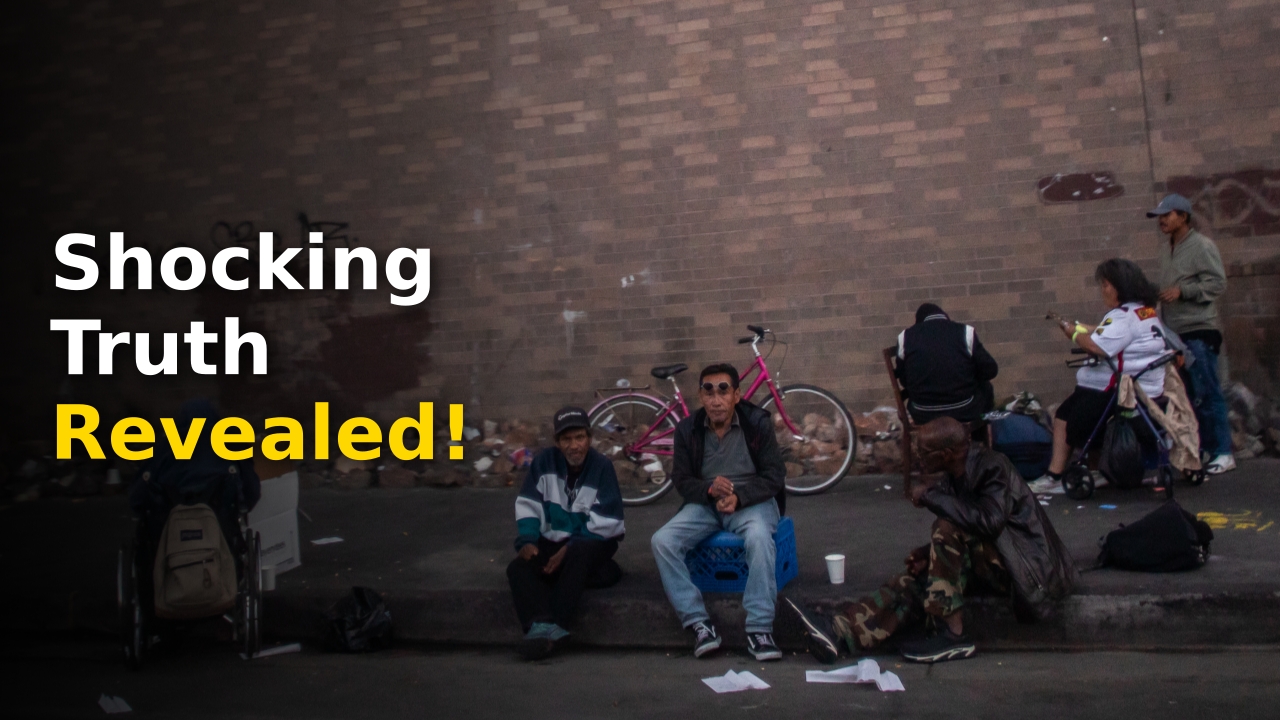
The Los Angeles homeless crisis has reached a critical boiling point as the international community prepares to descend upon Southern California for the upcoming 2028 Summer Games. You are witnessing a city struggling to balance human rights concerns against the massive logistical mandate of cleaning up the streets for a global audience that will be watching every corner of the metropolis. With the clock ticking, city planners and political leaders are under fire to solve a systemic failure that has spanned several decades.
As the international spotlight grows brighter, the tension between maintaining public health standards and addressing the underlying causes of urban displacement has never been higher. Policymakers are scrambling to implement solutions that could finally mitigate the visibility of the streets while providing lasting infrastructure for the city’s most vulnerable populations. The success or failure of these initiatives will likely define the legacy of the current political leadership.
The Growing Los Angeles Homeless Crisis Ahead of 2028
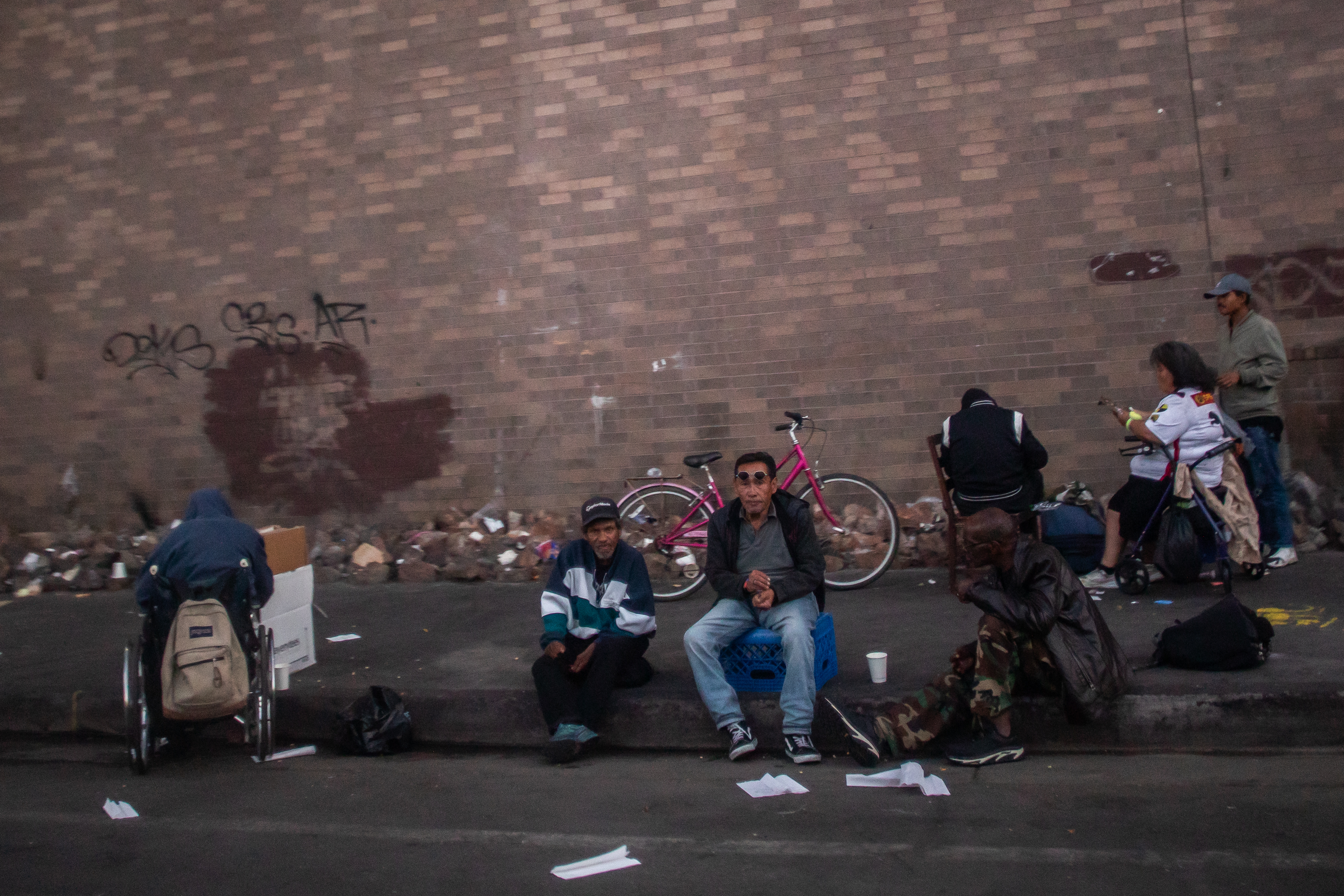
The Los Angeles homeless crisis has become the primary focus of mayoral debates and municipal policy meetings as the 2028 deadline looms. The sheer scale of the situation is staggering, with thousands of tents lining major arterial roads and underpasses, creating an environment that critics often label as an open-air asylum. You should understand that this is not merely a sanitation issue but a deeply complex economic and public health catastrophe that requires more than just temporary cleanup operations.
Political analysts at The New York Sun have noted that the city is currently trapped in a cycle of reactive policy rather than long-term prevention. While funds have been allocated, the deployment of resources remains fragmented across various municipal agencies, leading to inefficiencies that frustrate residents and activists alike. The Forbes report on urban development underscores that without a unified strategy, the city risks failing both its own citizens and its international visitors when the games finally commence.
Strategies for Rapid Urban Revitalization
City officials are currently evaluating several strategies to accelerate housing placement and cleanup efforts. These include the conversion of underutilized commercial real estate into emergency shelters and the expansion of mental health outreach programs. By shifting the focus toward rapid-response units, the city hopes to decrease the visibility of encampments in high-traffic tourist areas while staying within legal frameworks established by federal court injunctions.
Statistical Breakdown of the Urban Housing Emergency
| Metric | Reported Figures |
|---|---|
| Total Estimated Unhoused Population | 75,500+ |
| Annual Funding Dedicated to Cleanup | $1.2 Billion |
| Average Rent Increase (Last 3 Years) | 18% |
| Shelter Beds Currently Available | 22,000 |
The Socio-Economic Impact and Expert Perspectives
Experts argue that the cleanup of the city’s streets is intrinsically linked to the broader economic health of the region. As international investors look toward the 2028 Olympics, the perception of urban instability could potentially hinder long-term growth and corporate sponsorship opportunities. By the numbers, the city has seen a significant increase in public spending on sanitation, yet the net reduction in homelessness has been marginal due to the influx of new individuals falling into poverty.
One unique angle often ignored by local media is the disproportionate impact of rent hikes on fixed-income families. As housing becomes less affordable, the threshold for entering homelessness has dropped, effectively feeding the crisis from the bottom up. Policy experts suggest that unless the city addresses the rent-to-income ratio, no amount of cleanup will prevent the problem from re-emerging immediately after the cameras leave the city. This systemic issue is one that urban planning analysts are watching closely.
People Also Ask
What is being done to address the Los Angeles homeless crisis before 2028?
The city is aggressively funding rapid-shelter programs, converting commercial properties, and increasing outreach teams to reduce visible encampments ahead of the international arrival.
Why is the 2028 Olympics putting pressure on city leaders?
The Olympics represent a global stage that forces local governments to address public perception and safety concerns associated with high numbers of unhoused individuals in major tourist corridors.
How many people are estimated to be unhoused in Los Angeles?
Recent counts estimate that there are over 75,000 individuals experiencing homelessness throughout Los Angeles County.
Will the current cleanup efforts solve the long-term issue?
Experts caution that temporary cleanup solutions do not address the root causes of poverty and housing unaffordability, meaning the crisis may persist long after the games conclude.
Final Reflections on Future Stability
The path forward for Los Angeles requires a delicate balance between immediate visual improvement and the implementation of structural housing solutions. The Los Angeles homeless crisis is a mirror reflecting the challenges of modern urbanization in the United States. As we move closer to the 2028 Olympic games, the world will see whether this city can truly transform its approach to one of its most pressing humanitarian issues. The ultimate test will not just be the temporary appearance of the streets, but the lasting impact these policies have on the lives of those currently left behind.
More Like This
For more updates, check out our latest entertainment and sports news.